Home

Results

Heinke Jäger-CDF
Scalesia forest restoration

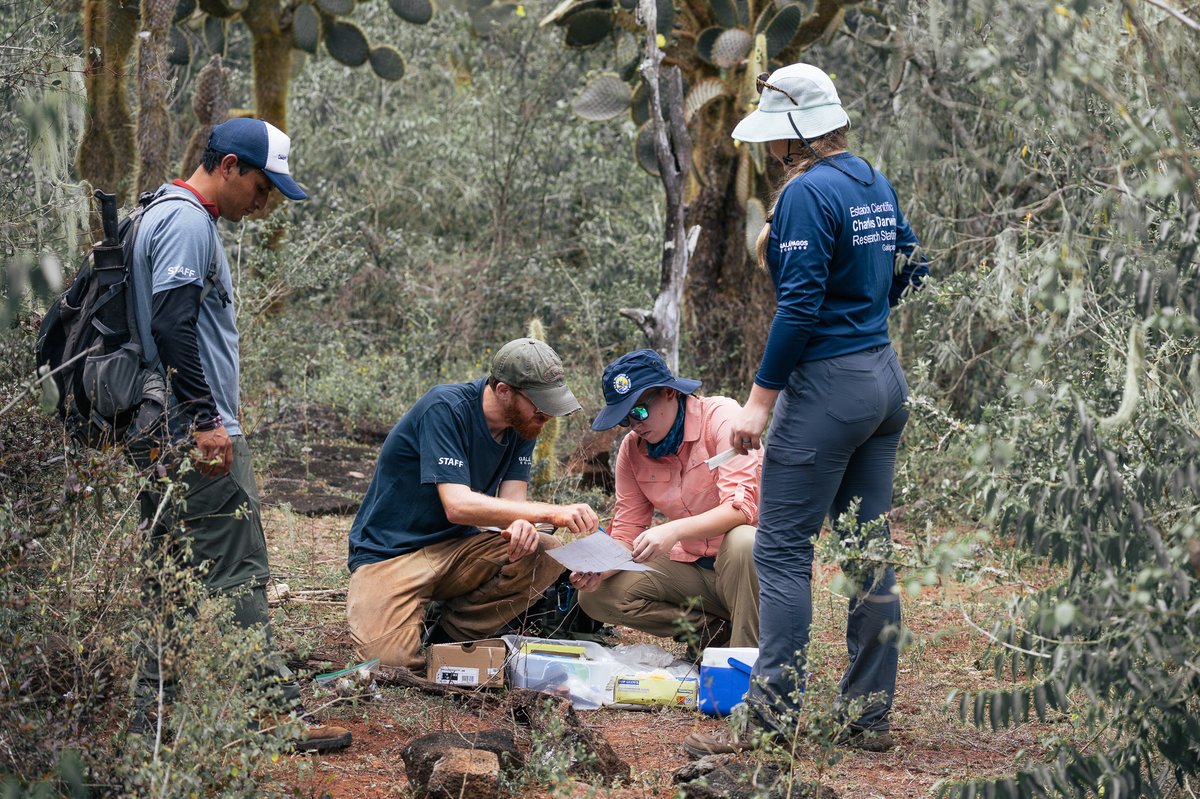
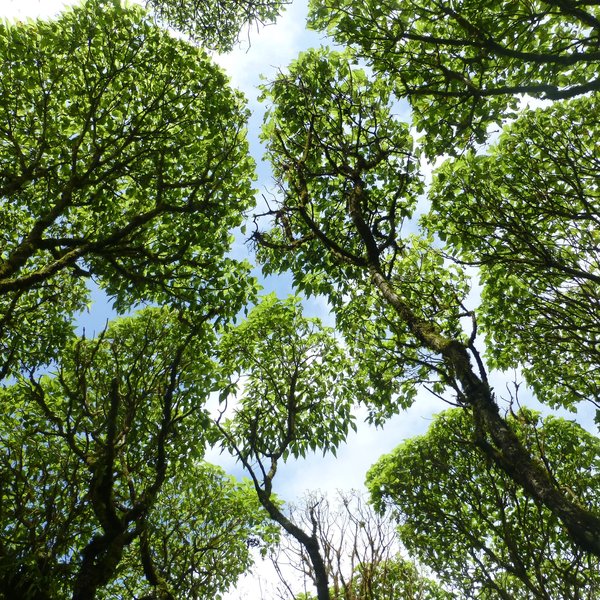
Scalesia forests once thrived on the Galapagos Islands, forming a unique humid ecosystem for plants, insects, giant tortoises and birds. Today, only 1% of the forests’ original distribution remains, with several endemic species, including the Scalesia themselves, struggling to survive. We are working to restore this important habitat and given the rapid rate of forest loss, it is a race against time.
Carlos Espinosa/CDF
Carlos Espinosa/CDF
Carlos Espinosa/CDF
María Igual/CDF
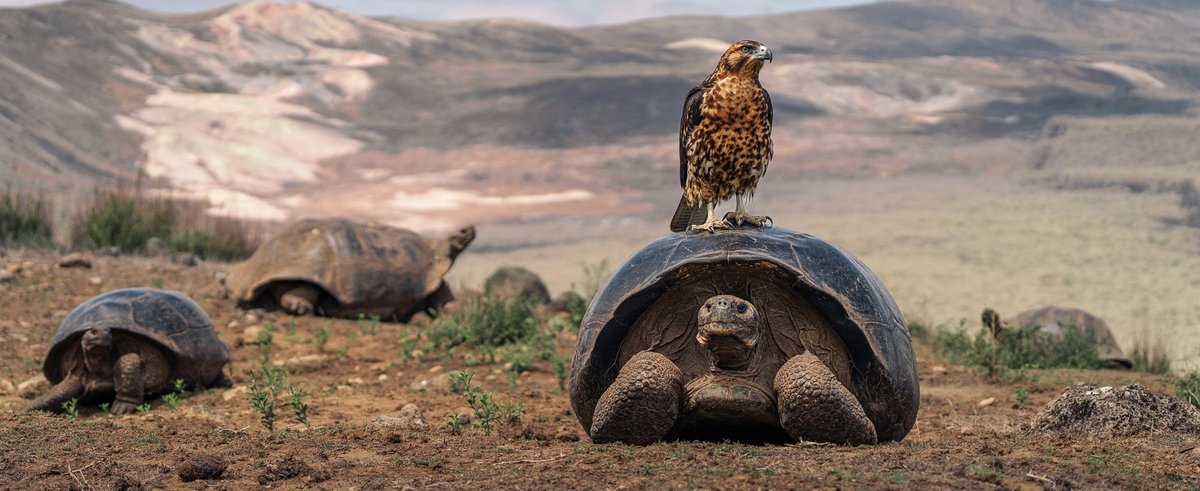
Historic Breeding Season for Galápagos Landbirds

Galápagos landbirds soar to new heights.
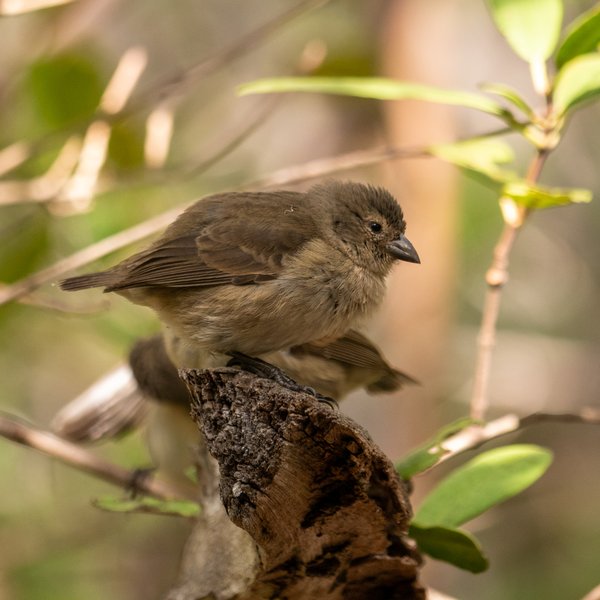
This year’s breeding season brought record success for the Little Vermilion Flycatcher and cautious hope for the Critically Endangered Mangrove Finch. Discover how science, habitat restoration, and innovation are reshaping the future of Galápagos birds—and why this season marks a breakthrough in conservation.
Carlos Espinosa/CDF
Species Database Riccia ianthiana Jov.-Ast
Carlos Espinosa/CDF
Carlos Espinosa/CDF
Carlos Espinosa/CDF
Species Database Riccia howellii Howe
Carlos Espinosa/CDF
Species Database Radula galapagona Steph.
Carlos Espinosa/CDF
Rashid Cruz/CDF
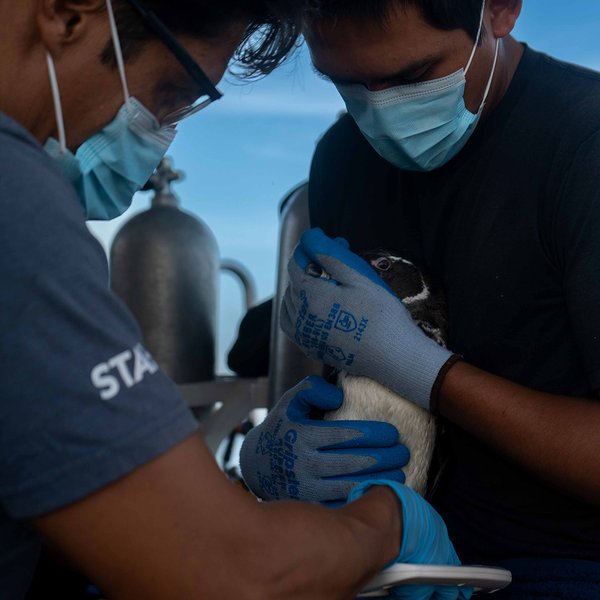
Science Behind Conservation: Penguins and Cormorants

The Galapagos Islands are home to species so unique they exist nowhere else on Earth. Among these are the Galápagos penguin and the flightless cormorant, evolutionary wonders that have adapted to thrive in these remote habitats. But these incredible creatures face mounting challenges from climate change, diseases and invasive species. Protecting them is no easy feat—it takes dedication, resources, scientific knowledge, and action.

Rashid Cruz/CDF
Science Behind Conservation: Penguins and Cormorants

The Galapagos Islands are home to species so unique they exist nowhere else on Earth. Among these are the Galápagos penguin and the flightless cormorant, evolutionary wonders that have adapted to thrive in these remote habitats. But these incredible creatures face mounting challenges from climate change, diseases and invasive species. Protecting them is no easy feat—it takes dedication, resources, scientific knowledge, and action.

Nancy Tapia
MY SECOND CHANCE

After 20 years, Nancy Tapia Paredes returned to the Galapagos, volunteering at the Community Library on Santa Cruz Island. Through storytelling and environmental education inspired by the UN's Sustainable Development Goals, she rediscovered her passion for conservation and found healing. Discover her story of second chances, growth, and a renewed purpose in protecting this extraordinary place.