Results
Planning your trip to the Galapagos Islands? Here are our top travel tips to help you prepare for an unforgettable and responsible journey to this unique destination.
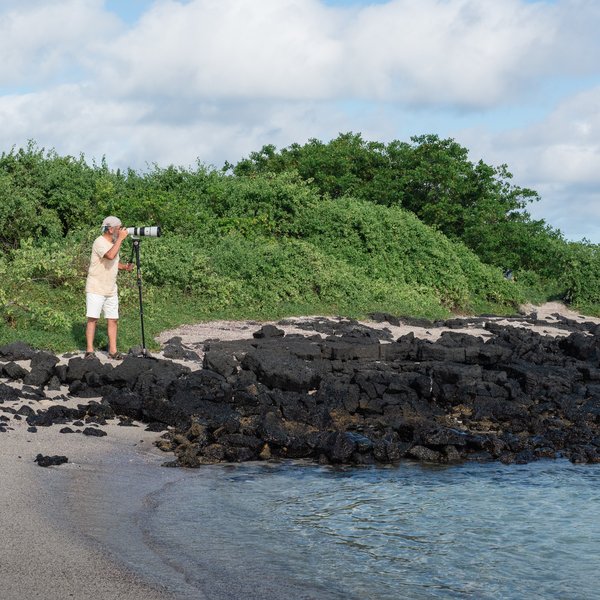
Ornithologist Juan Manuel Carrión shares his perspective on the Galápagos as the world's greatest living laboratory for understanding evolution. In this interview, he discusses endemic birds, the contributions of Peter and Rosemary Grant, the potential of birdwatching tourism, and the Charles Darwin Foundation's role in conservation and scientific capacity building.
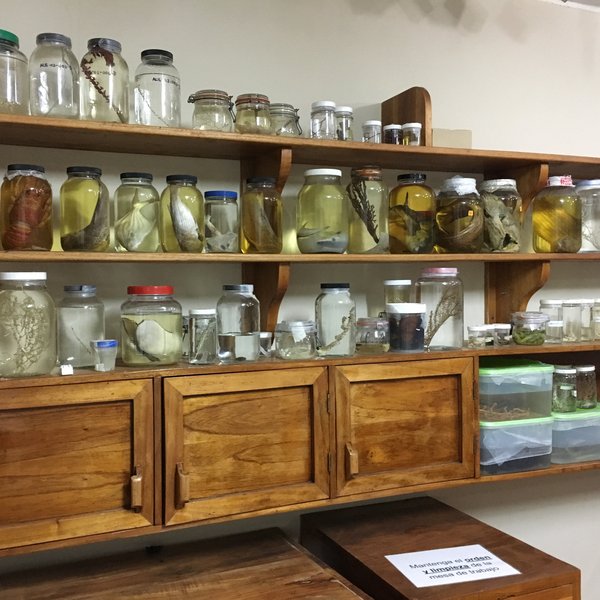
Since 1979, the Marine Organisms Collection of the Charles Darwin Research Station has grown from handwritten notebooks into a scientific infrastructure recognized in 2014 as part of Ecuador's heritage. Nathalia Tirado-Sánchez and Rosita Calderón-Barrera digitized thousands of historical records, strengthening research, education, biosecurity, and the conservation of Galápagos's marine biodiversity.
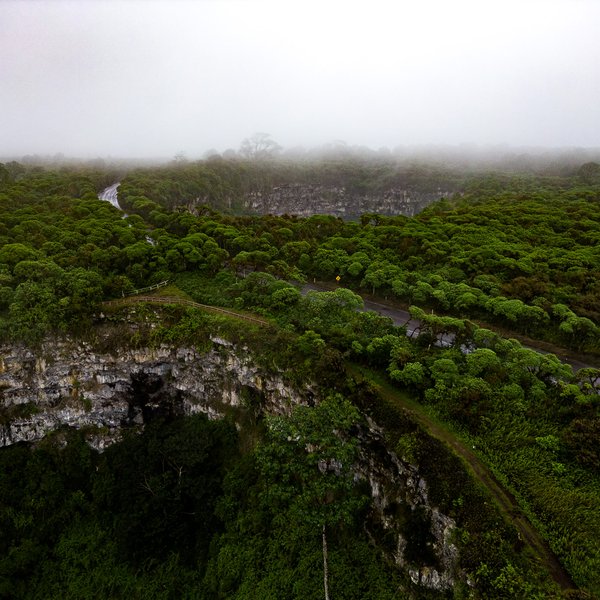
A new international research initiative is investigating how climate change could reshape the Galápagos cloud forests by altering the iconic garúa fog. Discover how scientists will study water, biodiversity, and invasive species to generate the knowledge needed to protect the archipelago’s unique ecosystems and freshwater resources for future generations.
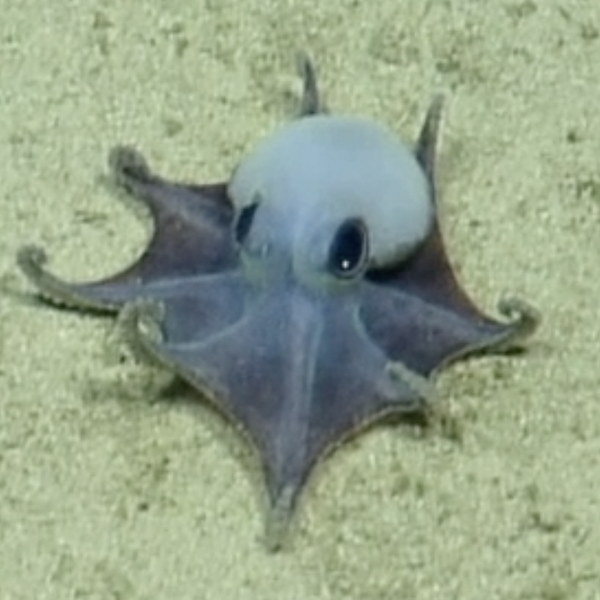
A tiny blue octopus discovered nearly 6,000 feet beneath the waters of Galápagos is rewriting what scientists know about deep-sea life. From a chance encounter during an underwater expedition to cutting-edge CT scans revealing a species never seen before, this remarkable discovery highlights the mysteries still hidden in Earth’s oceans.
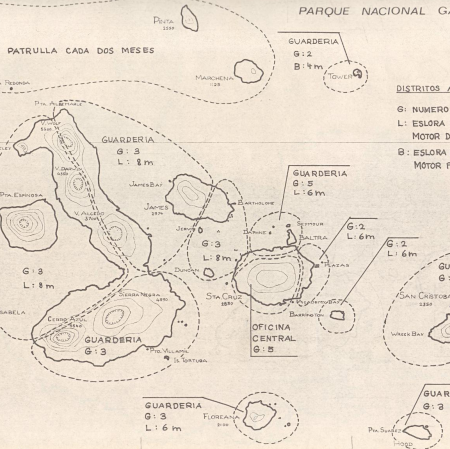
The 1973 Master Plan for the Protection and Use of Galapagos National Park was the first comprehensive planning framework for managing the archipelago. It introduced zoning, strengthened scientific research, and formalized collaboration with the Charles Darwin Research Station, laying the foundations for modern conservation in the Galapagos Islands.
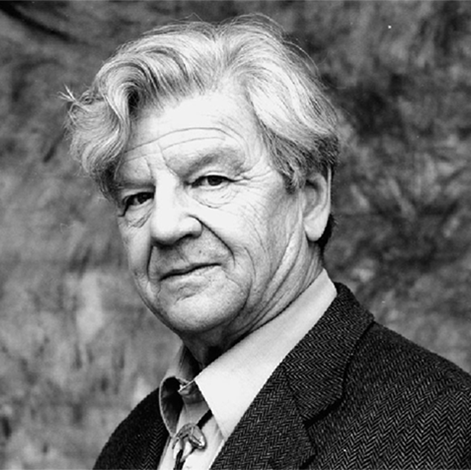
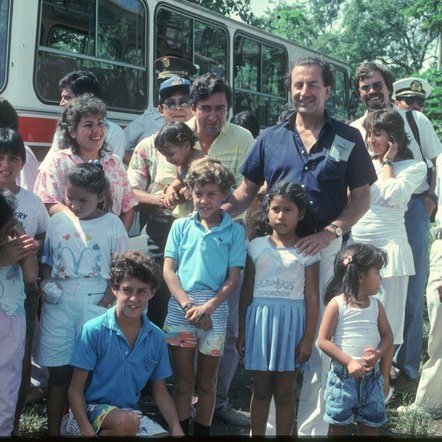
Former Ecuadorian President Rodrigo Borja played a pivotal role in strengthening the institutional foundations of conservation in Galápagos. As an Honorary Member of the CDF, he supported science-based stewardship through key agreements, governance frameworks, and lasting commitments that continue to shape conservation efforts today.
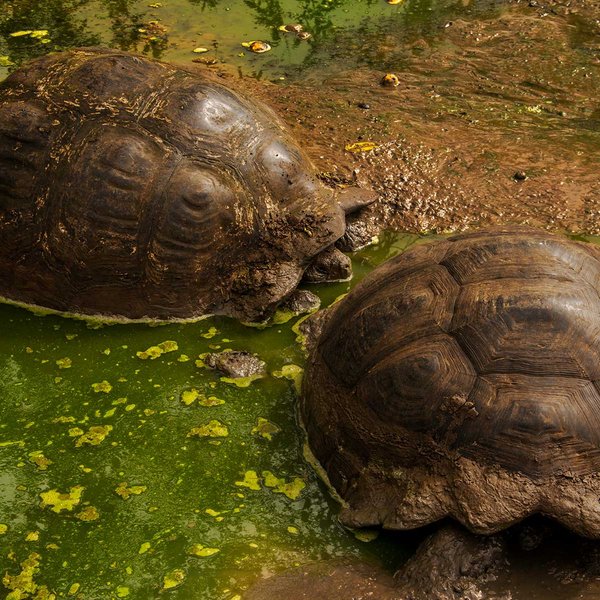
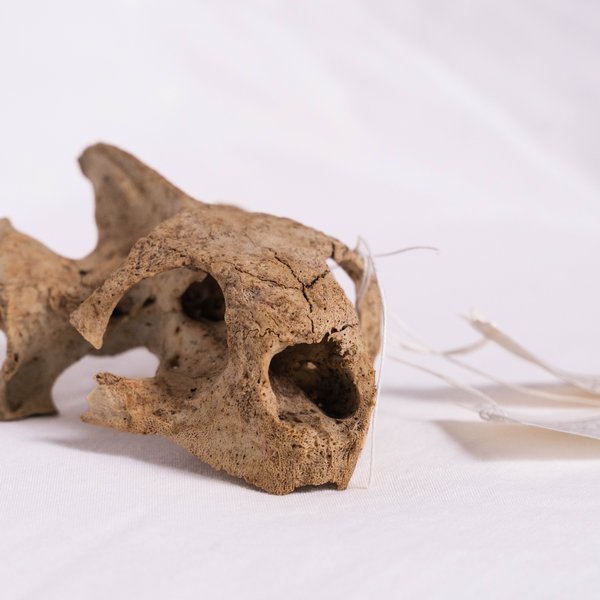
In 1969, during relentless rains on Santa Fe Island, scientist Tjitte de Vries discovered a small, well-preserved tortoise skull. Taken to the Charles Darwin Research Station, the find intrigued researchers, who believed it might belong to the island’s long-extinct giant tortoise.

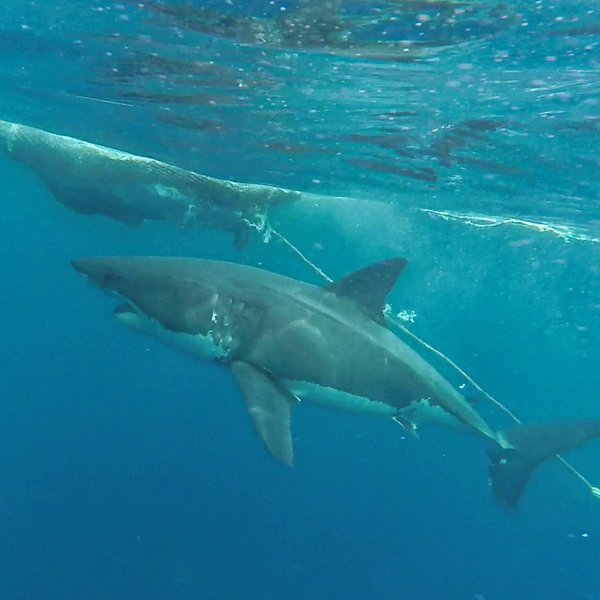
Researchers from the Charles Darwin Foundation and the Galapagos National Park have published the first confirmed record of a white shark in Ecuadorian waters. The encounter, roughly ninety kilometers west of Wolf Island and outside the Galapagos Marine Reserve (GMR), marks an unusual sighting of this species in the Eastern Tropical Pacific, where sightings south of Mexico's coastline are exceptionally rare.
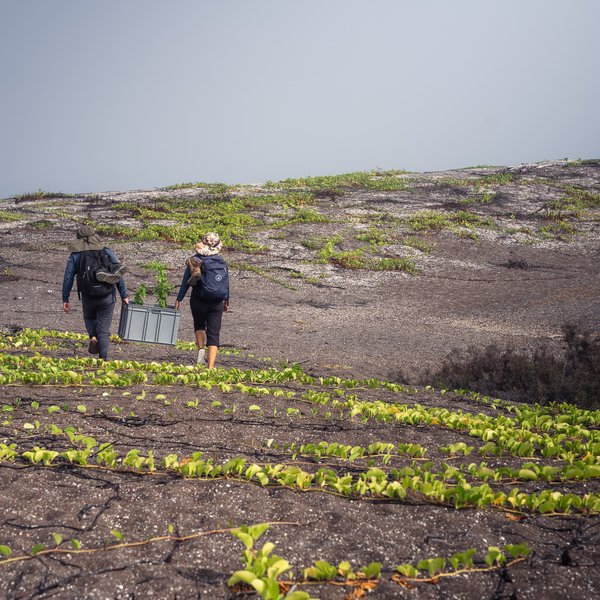
Once on the brink of extinction, the Galápagos snapdragon (Galvezia leucantha) is showing encouraging signs of recovery after 30 years of conservation. From just six surviving plants to 28 adults today, science, restoration and collaboration are helping bring this critically endangered species back to its historic habitat. Discover its remarkable journey.