Results
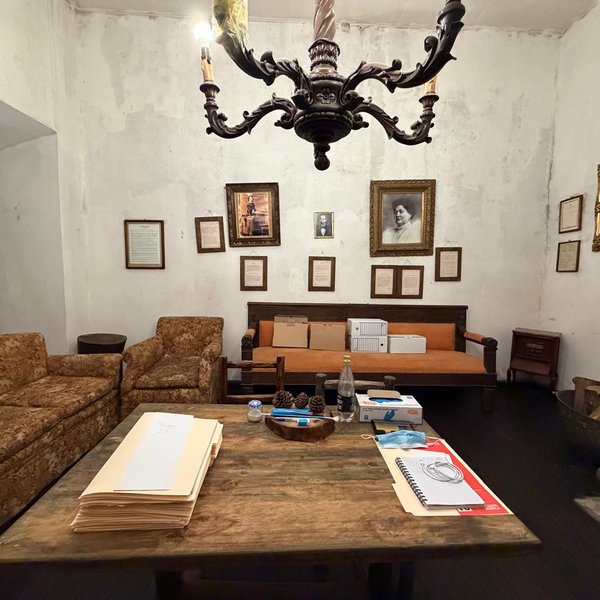
A look back at the origins of the Charles Darwin Foundation and the key role of Cristóbal Bonifaz in shaping science and conservation in Galápagos, and how the recovery of his archives reconnects us with that shared legacy.
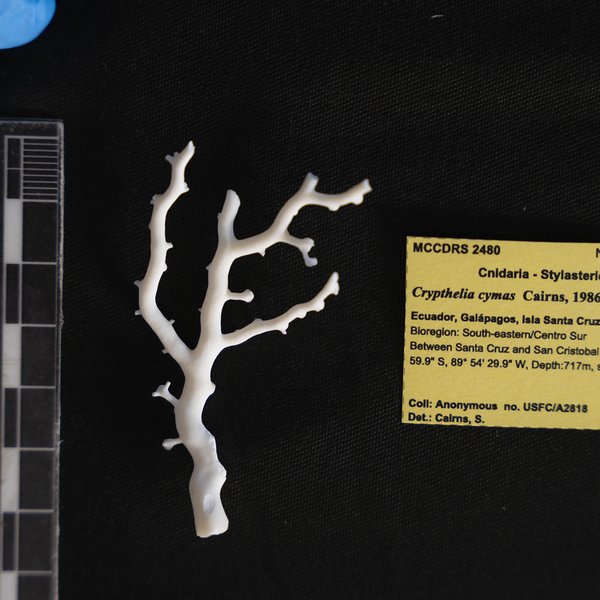
Collected more than 130 years ago, some of the oldest marine specimens from Galápagos are preserved at the Marine Organisms Collection of the Charles Darwin Research Station. These historic corals, gathered during the 1888 Albatross expedition, continue to provide valuable insights into the past and present of Galápagos marine biodiversity, highlighting the importance of scientific collections for research and conservation.
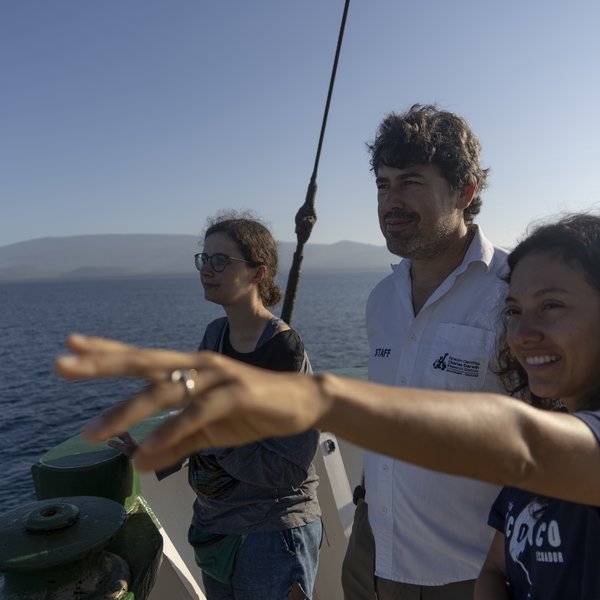
18 NGOs and civil society organisations have today published a statement calling for the governments of Ecuador, Costa Rica, Colombia and Panama to ratify the UN High Seas Treaty in order to accelerate the protection of the oceans.
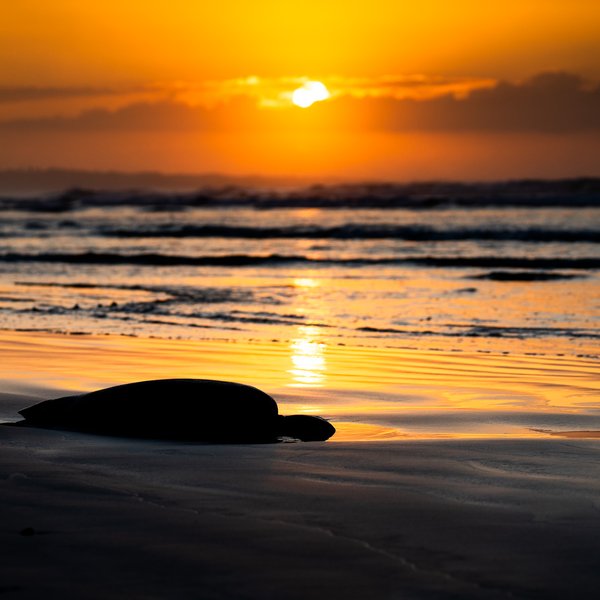
The Charles Darwin Foundation and Oceans Finance Company are delighted to announce a strategic partnership aimed at advancing crucial long-term conservation initiatives to enhance resilience to climate change in the archipelago and surrounding areas.
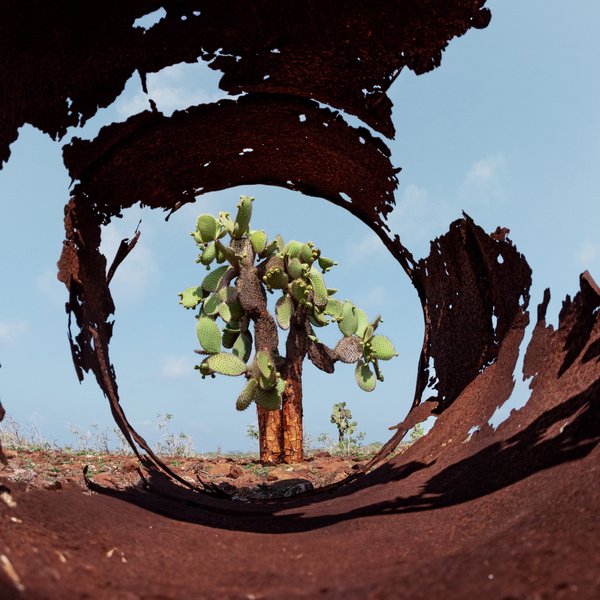
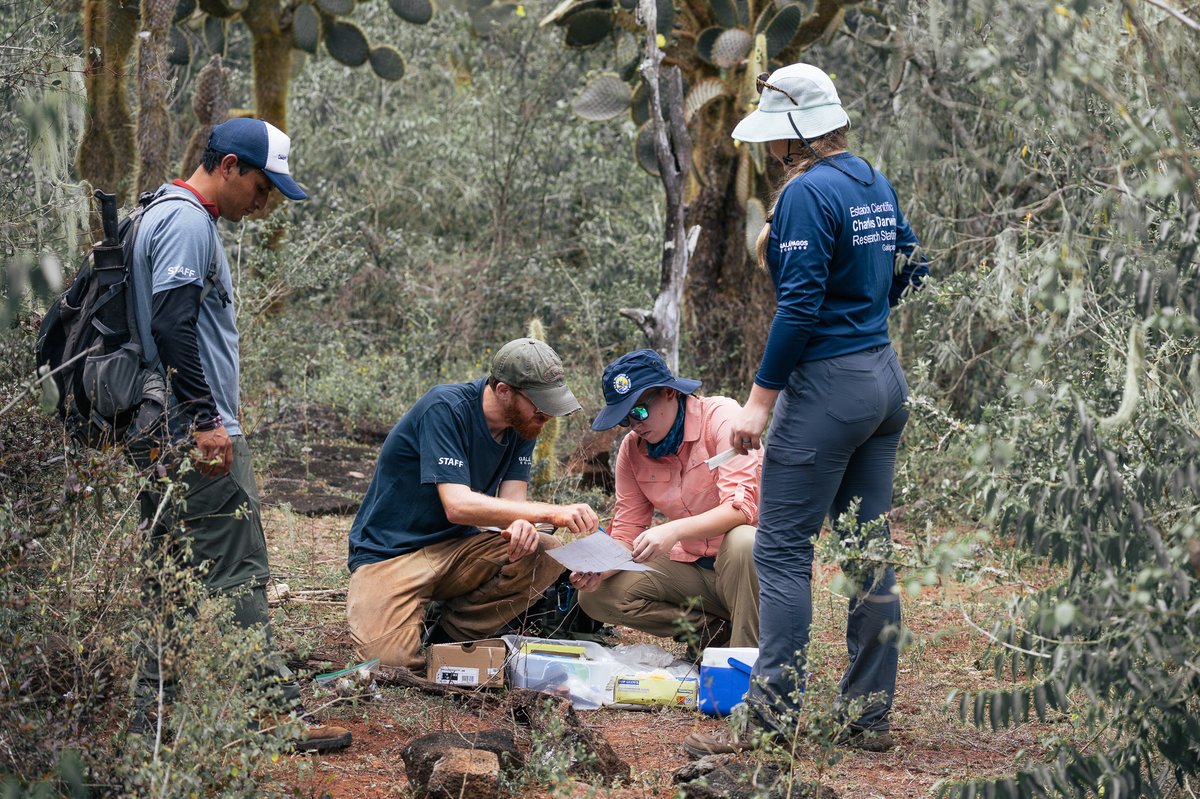
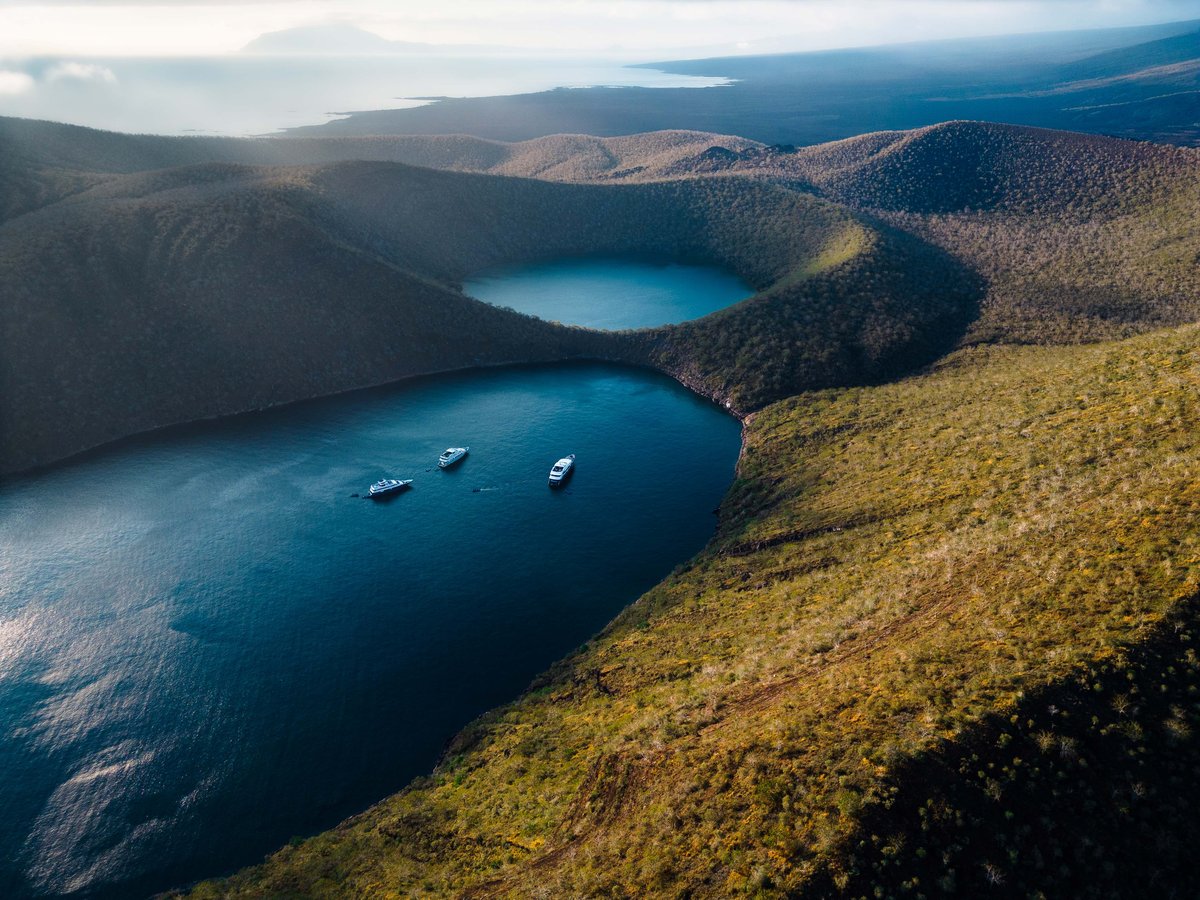
In Galapagos, 83% of the landmass falls within the arid zone. Restoring plant communities in this zone is challenging and slow, and natural regeneration in severely degraded areas is very limiting. Our scientists work to restore the arid habitat across various islands in the archipelago, notably Baltra Island, which has undergone significant human alteration, and special use sites such as garbage dumps and quarries on inhabited islands.
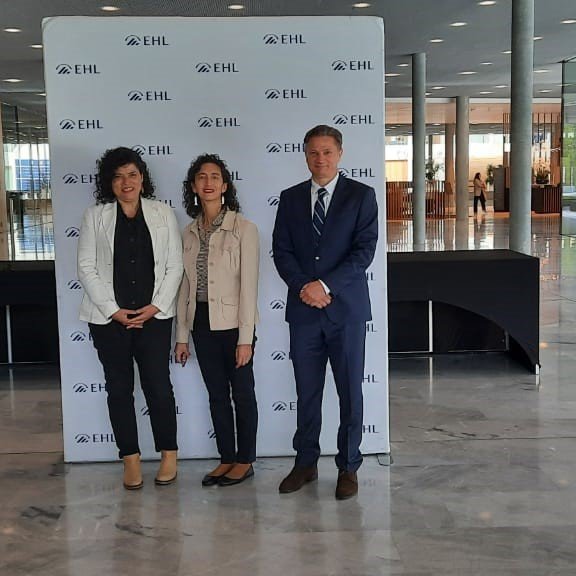
The Charles Darwin Foundation strengthens academic collaborations in Lausanne and Zurich, Switzerland
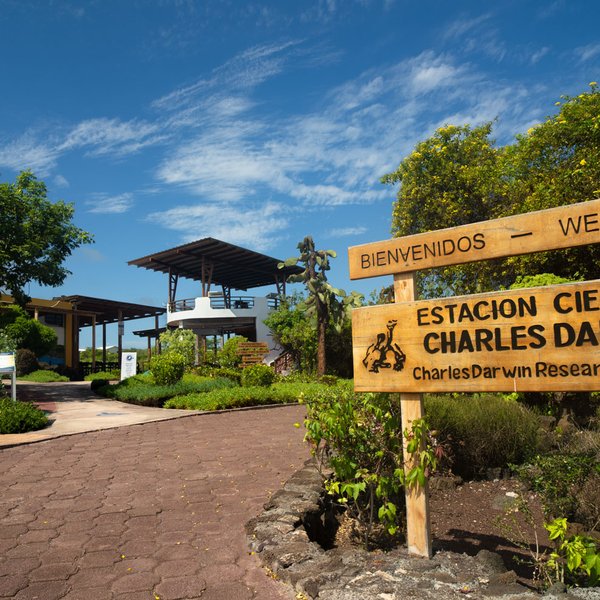
The Charles Darwin Foundation celebrates 65 years of innovation, development, and science in service of conservation
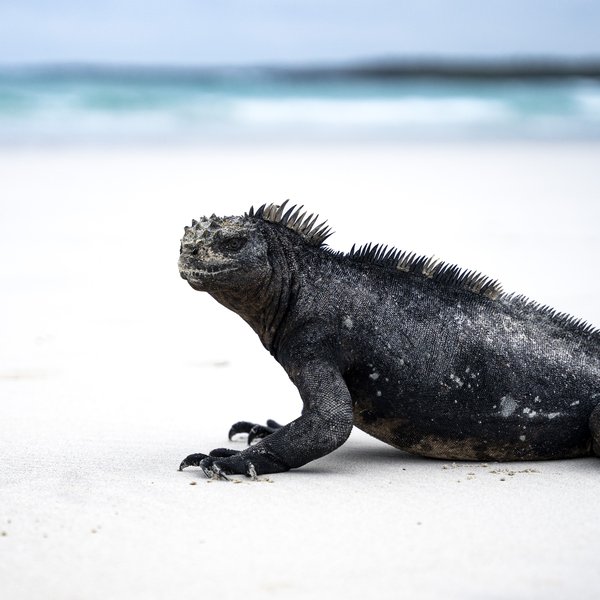
Start your own fundraiser today and us help inspire others to protect and preserve the unique fauna and flora of Galapagos!
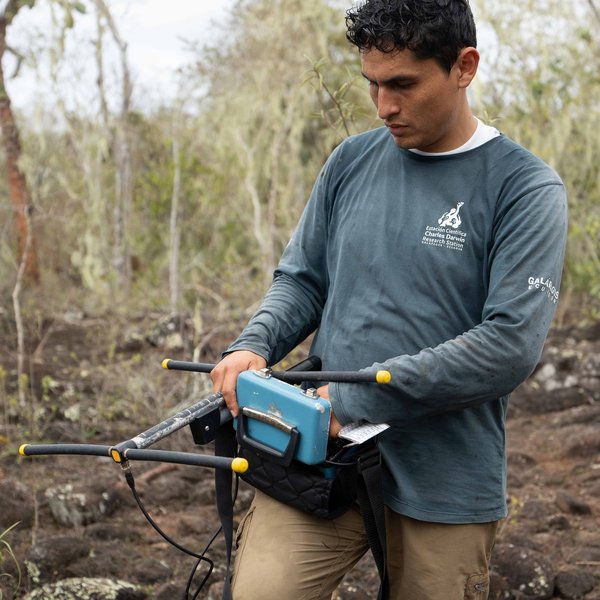
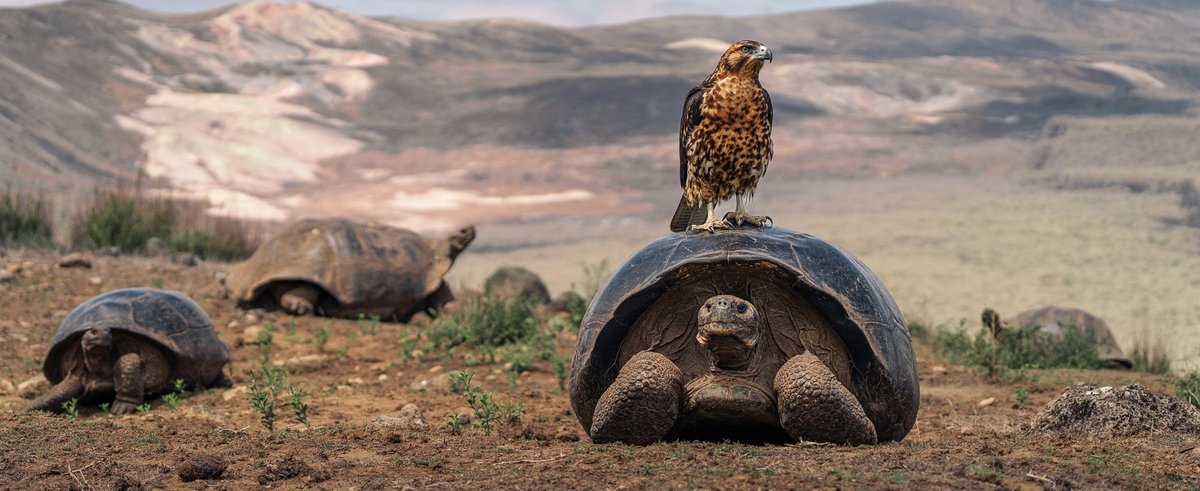
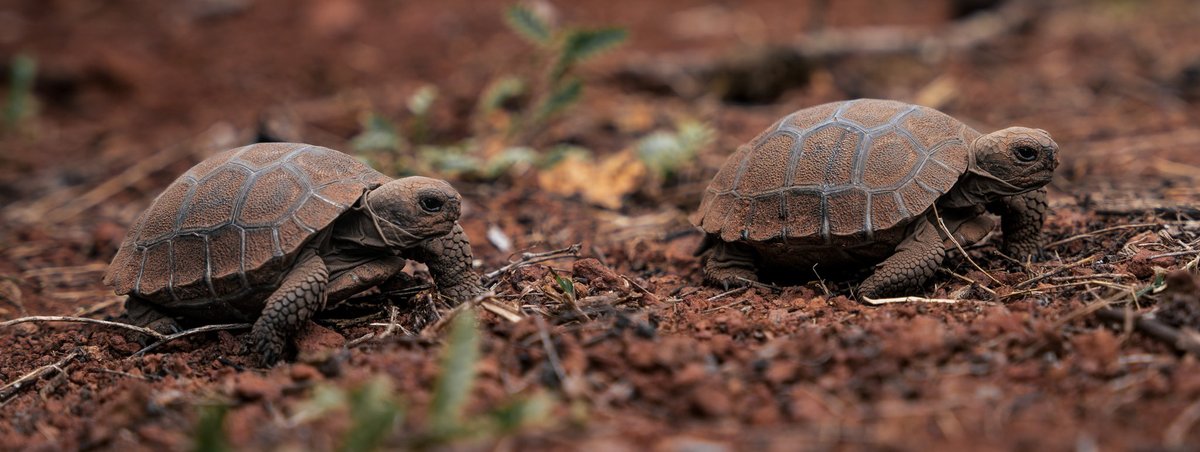
Cristian Peñafiel, our field assistant for the giant tortoise conservation program, was interviewed by our donor, Galapagos Conservation Trust, to share his experience studying these iconic animals.