Results
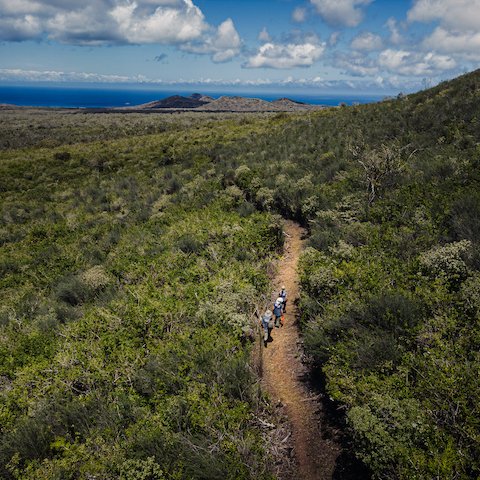
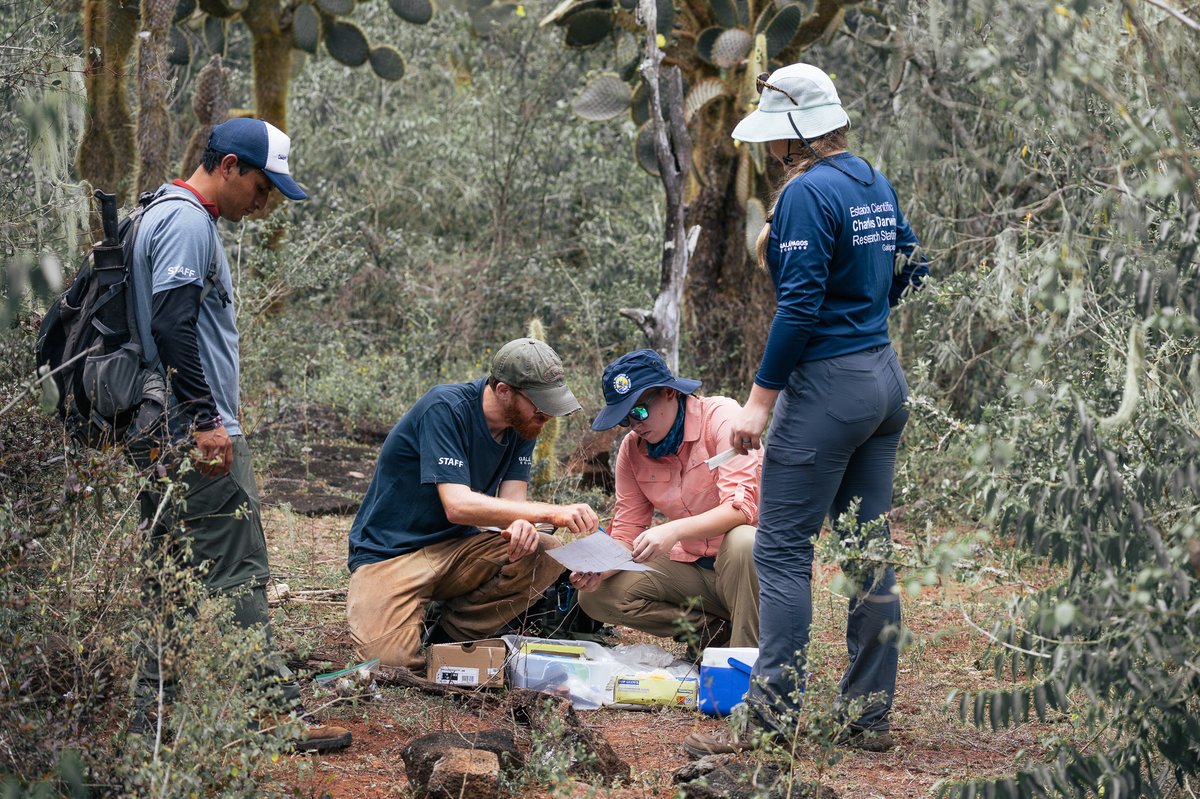
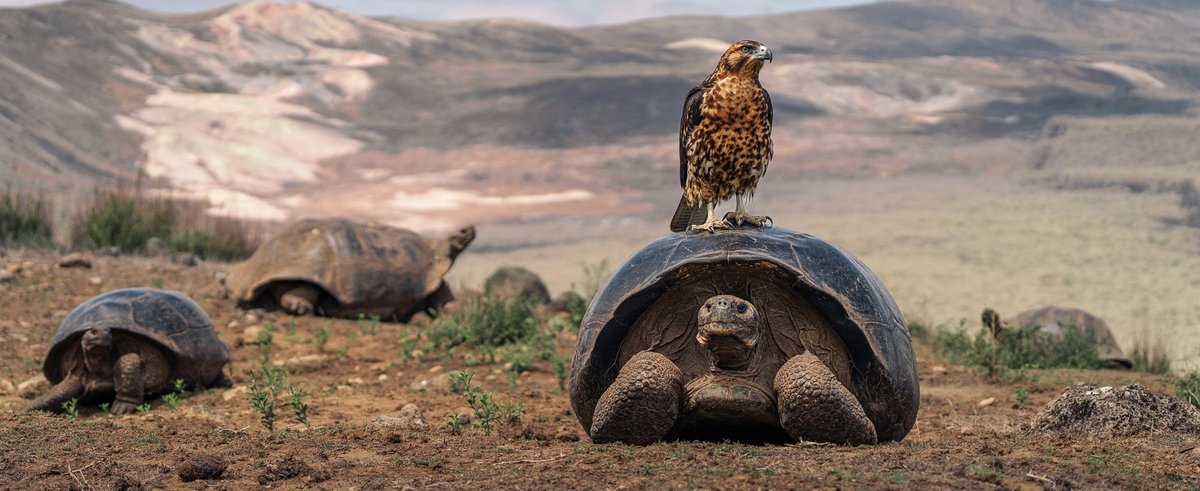
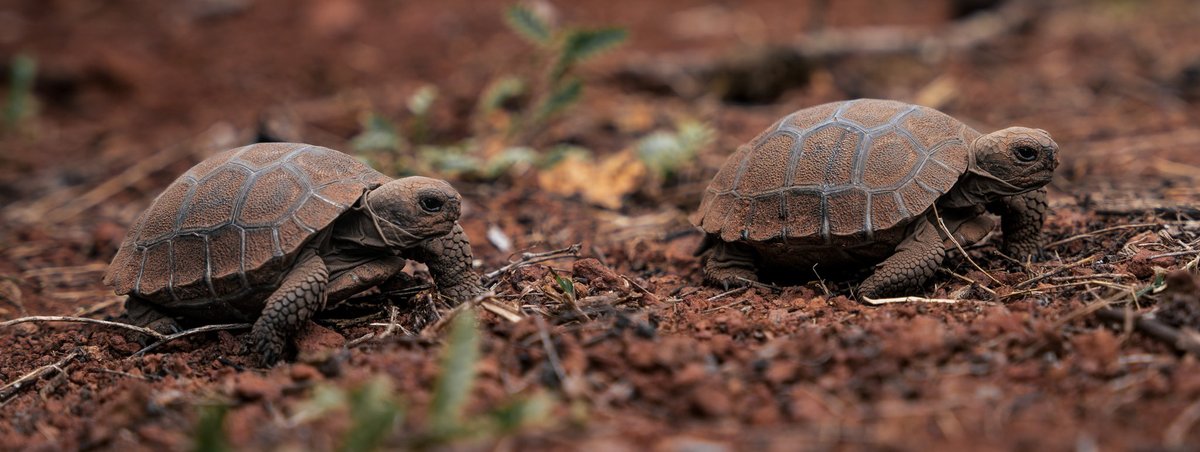
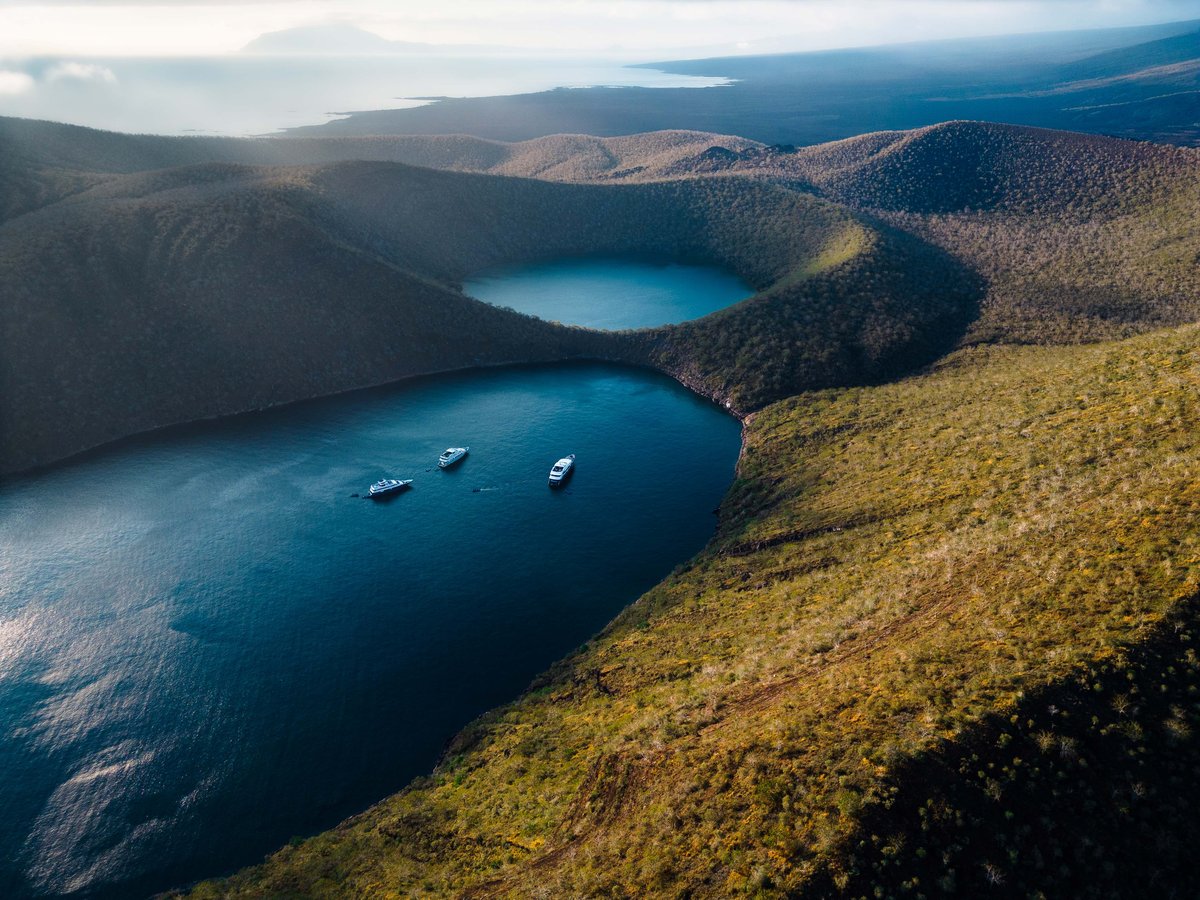
The Floreana Ecological Restoration Project in the Galapagos aims to recover biodiversity by removing invasive species, restoring habitats, and reintroducing native wildlife. Led by a multi-institutional team, including CDF, the initiative combines scientific research and community involvement to ensure long-term ecological recovery and sustainability for both wildlife and the local community.

The dataZone is a collection of applications, accesible online or inside the Charles Darwin Research Station, providing access to all the scientific information stored in several databases, product of almost 60 years of research in the Galapagos Islands.
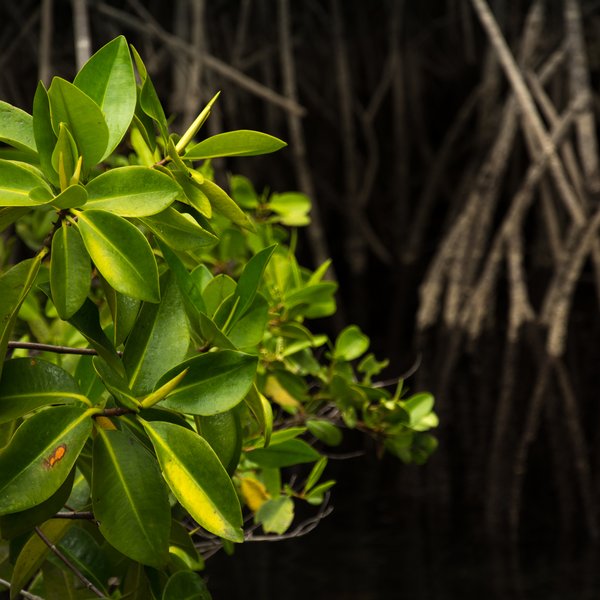
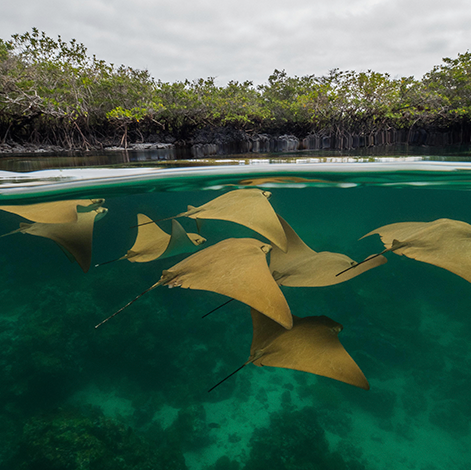
Mangroves in Galapagos provide important habitat for endemic and threatened species, offer essential ecosystem services like carbon sequestration, and support the well-being of local communities through tourism and fisheries. Despite their importance and pristine condition, these mangrove ecosystems and their potential for climate mitigation remain understudied.
Mangroves in Galapagos provide important habitat for endemic and threatened species, offer essential ecosystem services like carbon sequestration, and support the well-being of local communities through tourism and fisheries. Despite their importance and pristine condition, these mangrove ecosystems and their potential for climate mitigation remain understudied.
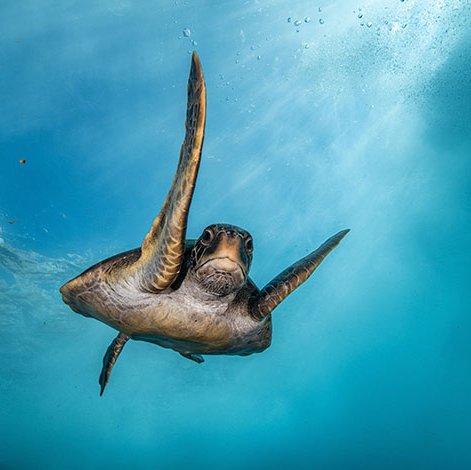
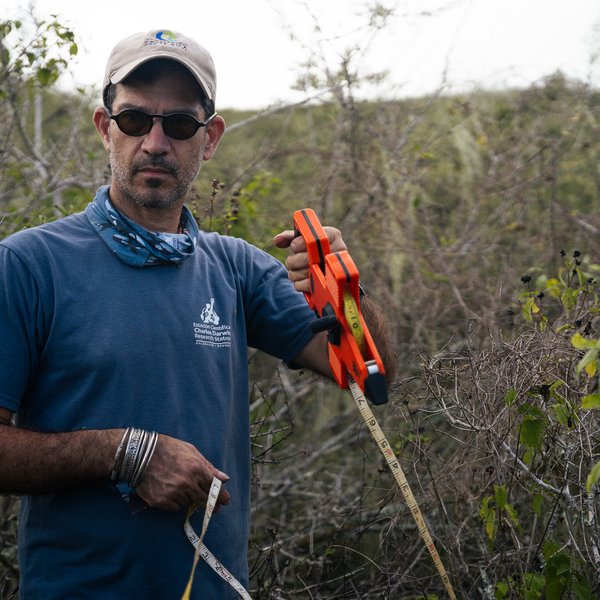
The Charles Darwin Foundation (CDF) has joined the Floreana Ecological Restoration Project as a co-executor, alongside other key organizations. This project aims to restore Floreana Island's ecosystem by eradicating invasive species and reintroducing native animals. CDF will lead habitat restoration efforts and support species reintroductions and monitoring. The initiative focuses on holistic restoration, serving as a model for future conservation projects across the Galapagos and beyond.