Results
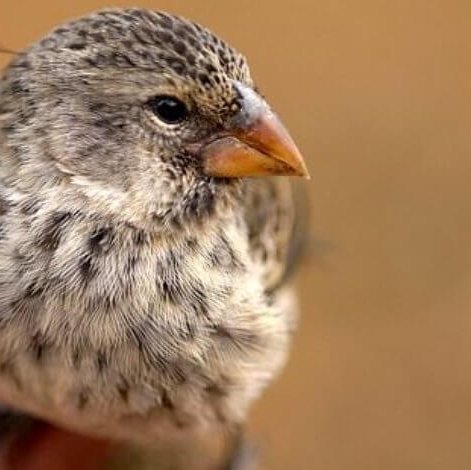
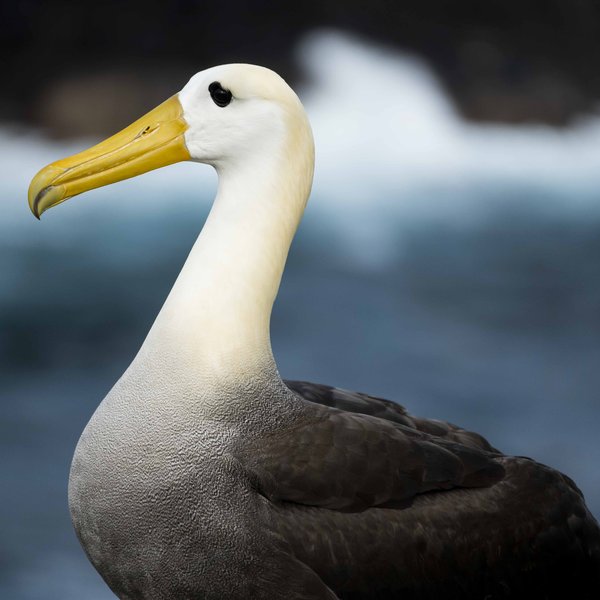
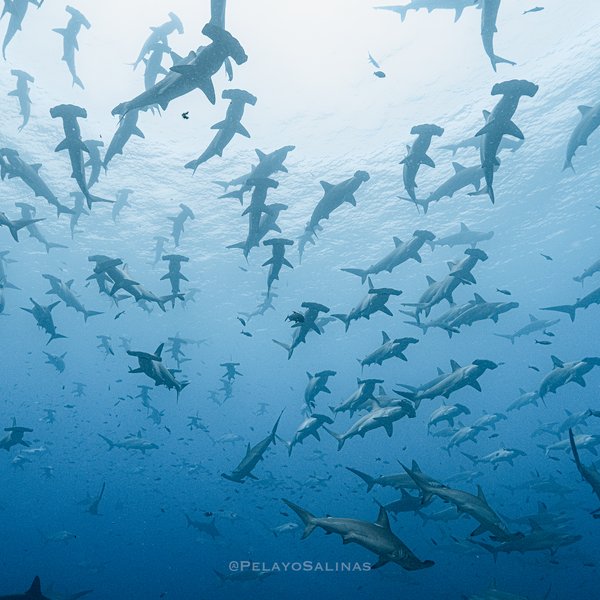
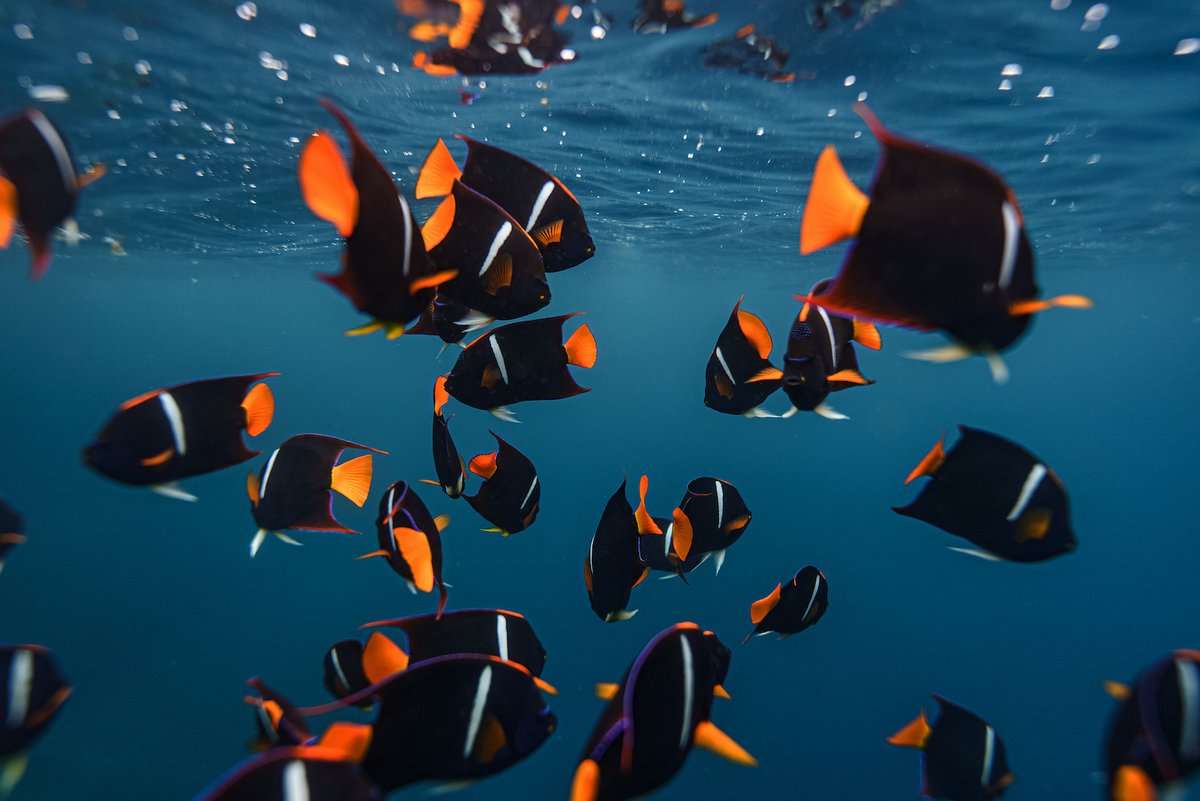
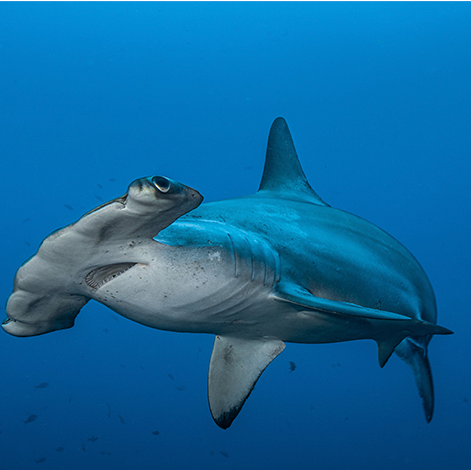
A groundbreaking study across seven marine protected areas in the Eastern Tropical Pacific reveals thriving shark and predator populations in remote island MPAs like Galapagos and Malpelo, while coastal reserves are severely depleted. Discover what this means for ocean protection, why it matters, and the urgent actions scientists recommend.
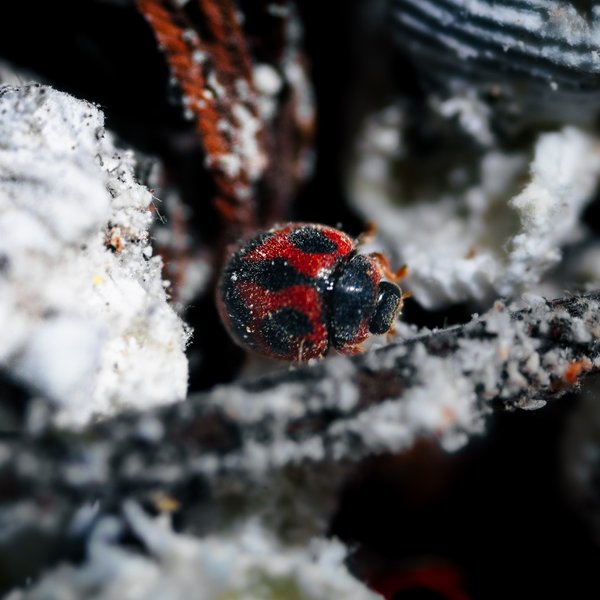
In the heart of the Galapagos Islands, a tiny, unexpected hero emerged in 2002 that would change the course of conservation. The Australian ladybug (Novius cardinalis), small in size but immensely effective, became a crucial ally in the fight against an invasive insect that threatened to devastate the endemic flora of these islands. This is the story of how science, innovation, and nature itself came together to help preserve one of the most valuable biological treasures on the planet.

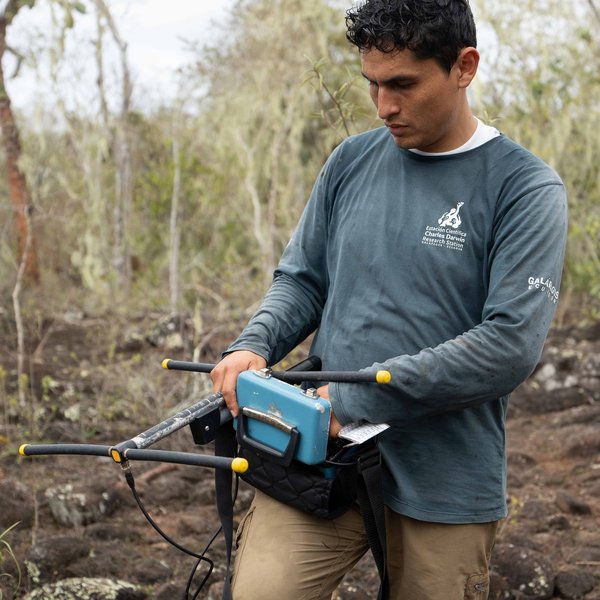
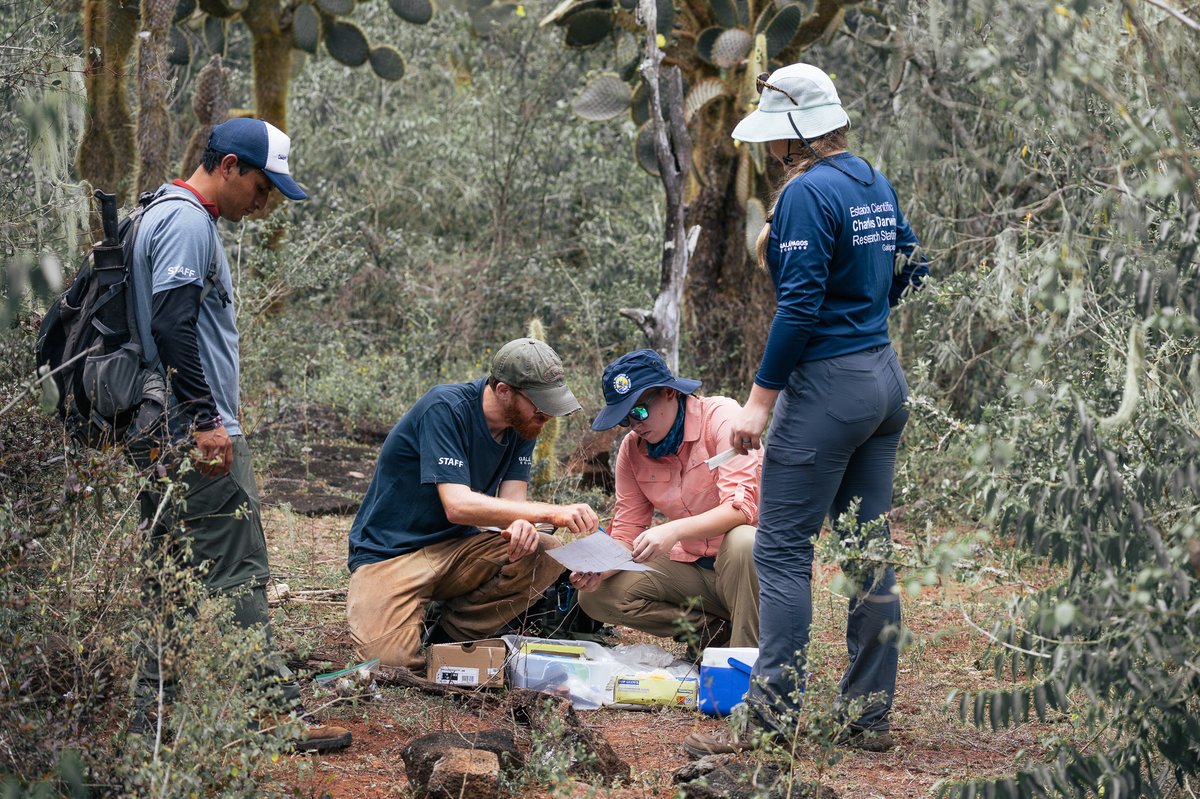
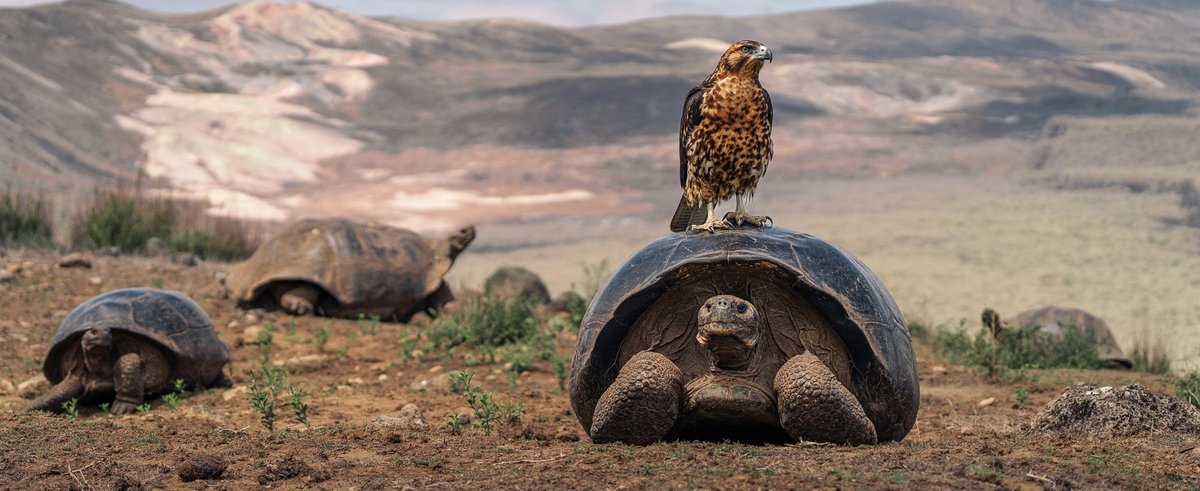
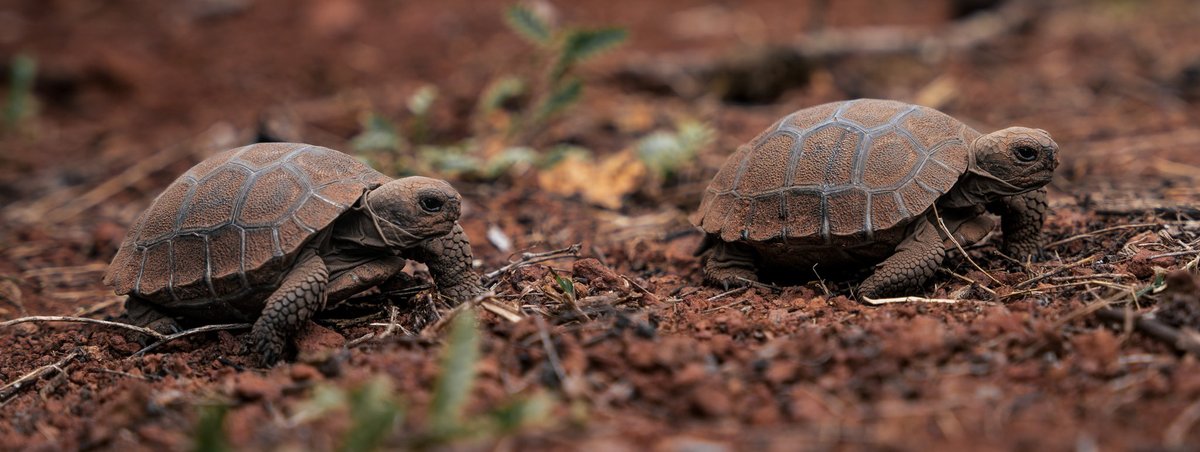
Cristian Peñafiel, our field assistant for the giant tortoise conservation program, was interviewed by our donor, Galapagos Conservation Trust, to share his experience studying these iconic animals.
Cristian Peñafiel, our field assistant for the giant tortoise conservation program, was interviewed by our donor, Galapagos Conservation Trust, to share his experience studying these iconic animals.
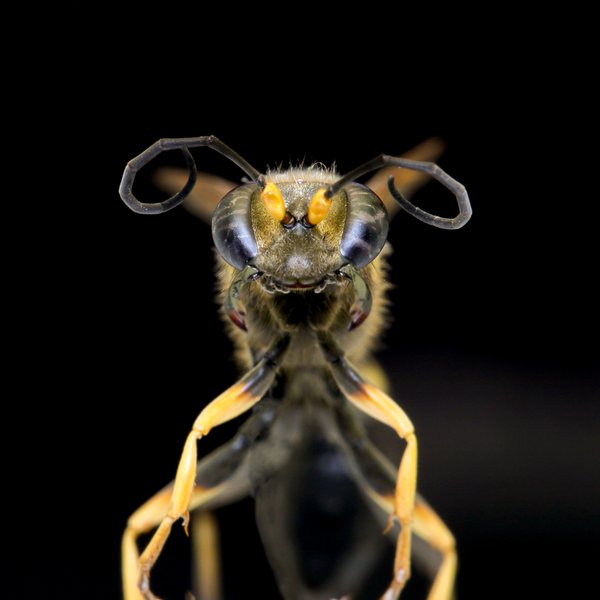
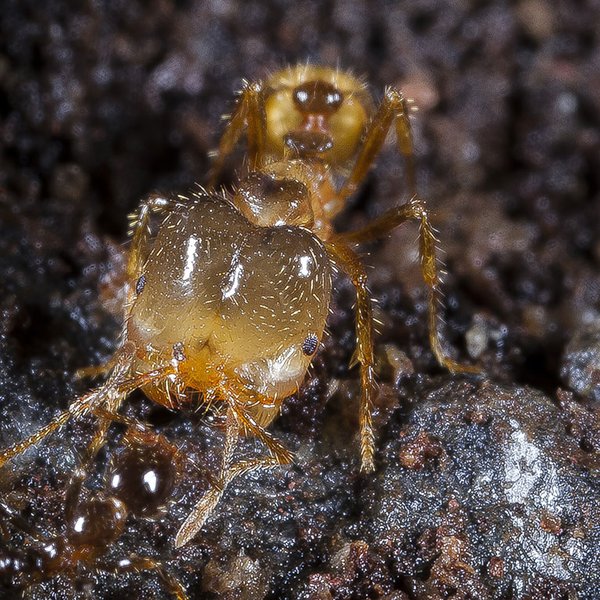
Research in the Scalesia forest on Santa Cruz Island revealed more than 200 taxa of parasitoid wasps, compared with only 30 species previously reported for Galapagos. These tiny insects play essential ecological roles and highlight how much remains unknown about the archipelago’s biodiversity and fragile ecosystems in the Pacific Ocean.