Results
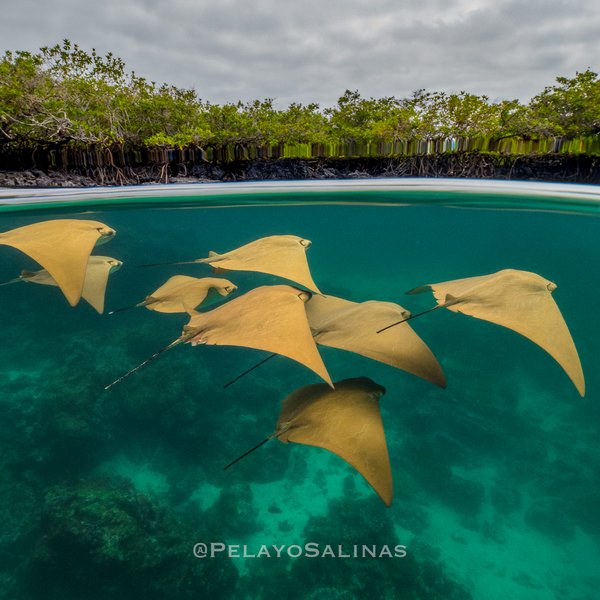
A recent study published in the prestigious scientific journal Global Change Biology reveals that nearly a quarter of chondrichthyan species (cartilaginous fish including sharks, rays, and chimeras) in the Eastern Tropical Pacific (ETP) are highly vulnerable to climate change.
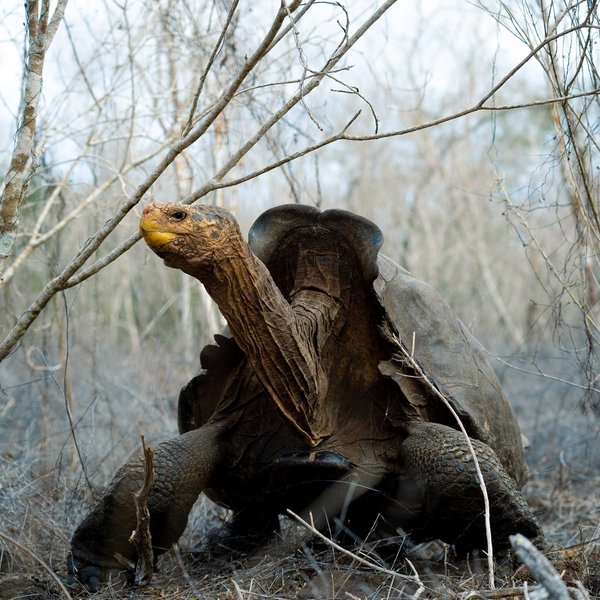
Leave a lasting legacy for Galapagos. Include the Charles Darwin Foundation in your will--free and in your control. Join the Pristine Society.
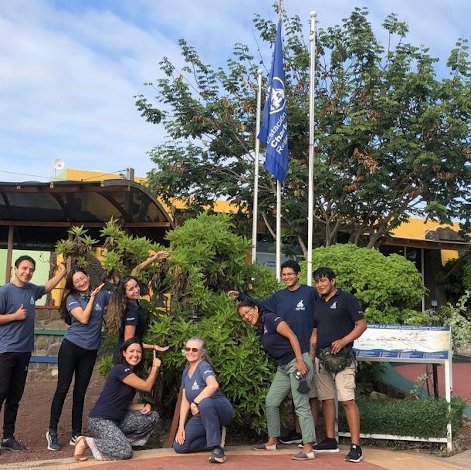
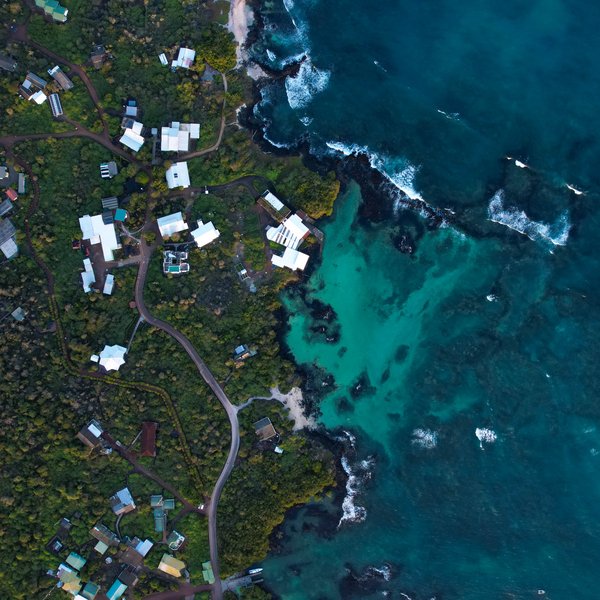
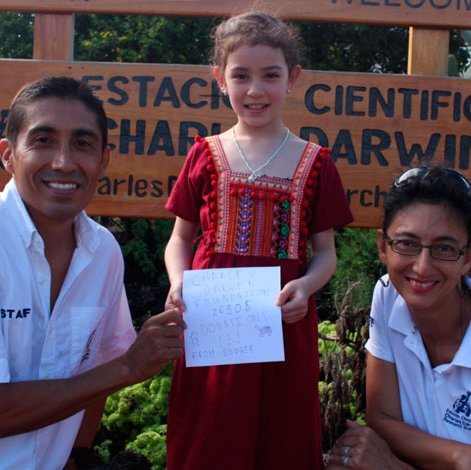
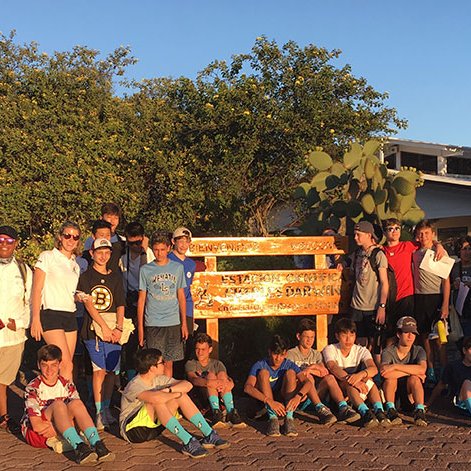
Inaugurated in 1964 as a base for scientists conducting their research on Galapagos, the Charles Darwin Research Station on Santa Cruz Island welcomes all visitors to discover how our scientific research and conservation actions ensure we safeguard one of the world’s most important natural treasures for future generations.
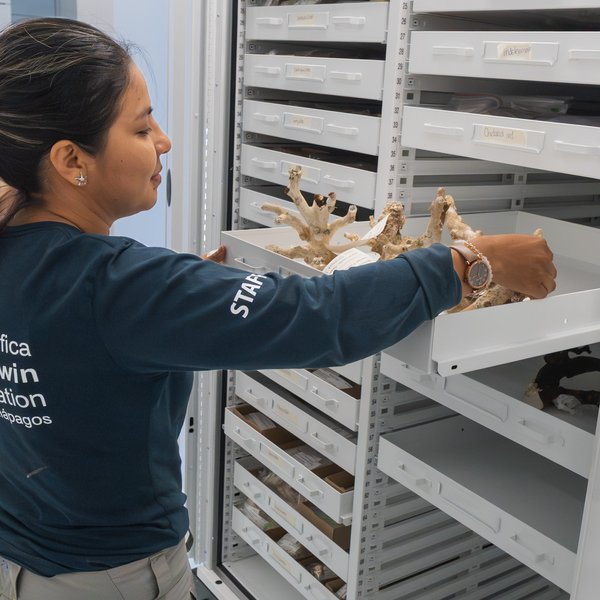
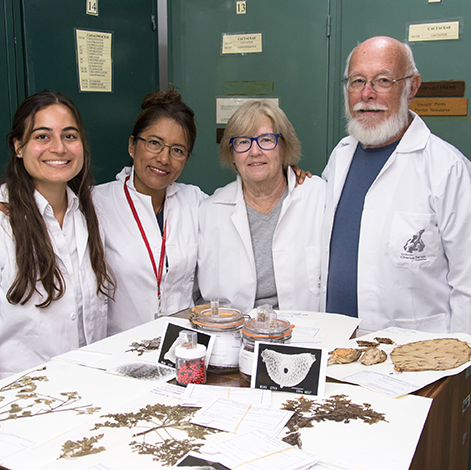
The Charles Darwin Foundation is home to the largest Natural History Collections of endemic, native and introduced species of Galapagos in Ecuador, with more than 135,000 specimens and 7,500 species across four Collections: Marine, Vertebrate, Terrestrial Invertebrate and a Herbarium.

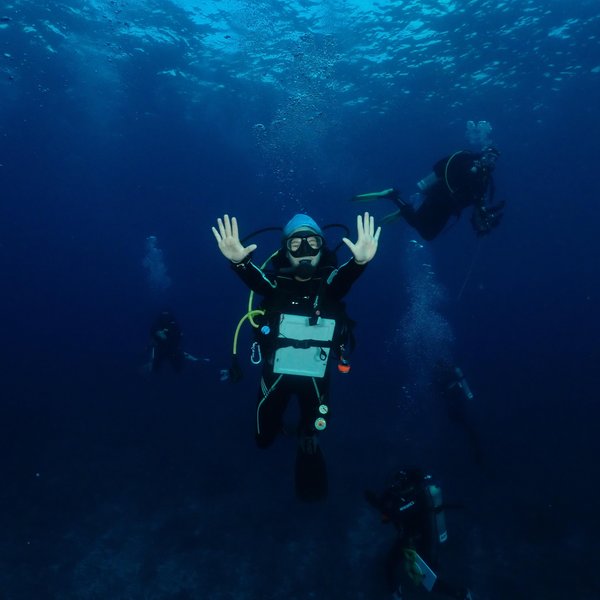
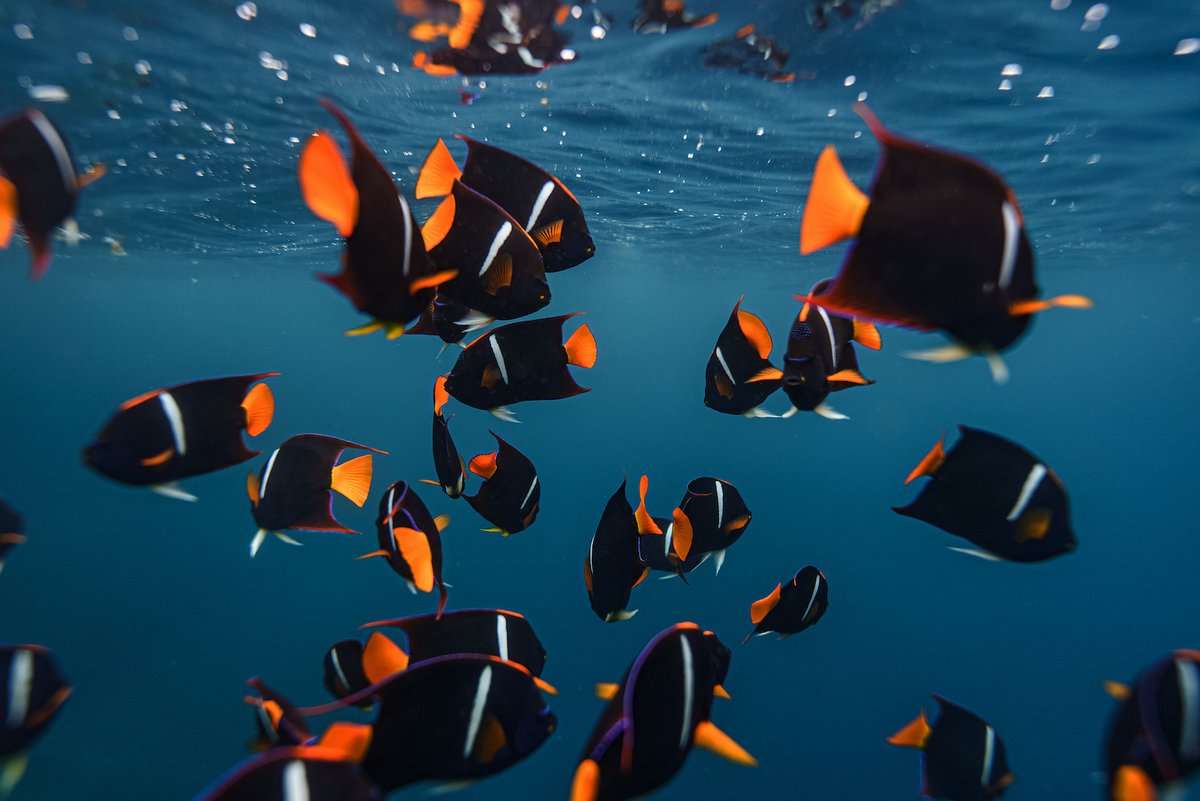
In the remote northern islands of Darwin and Wolf, science reveals a dramatic seasonal pulse beneath the waves. A new Charles Darwin Foundation study shows fish biomass triples in the cold season—driven by migrating scalloped hammerhead sharks. Discover how ocean currents shape one of Earth’s richest marine refuges.
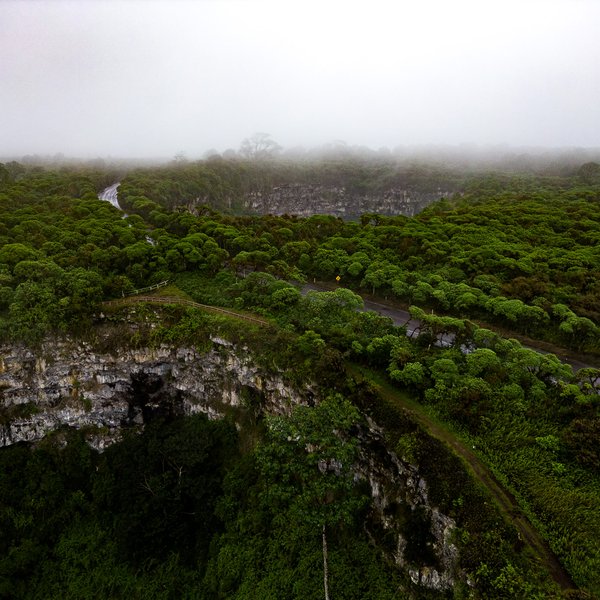
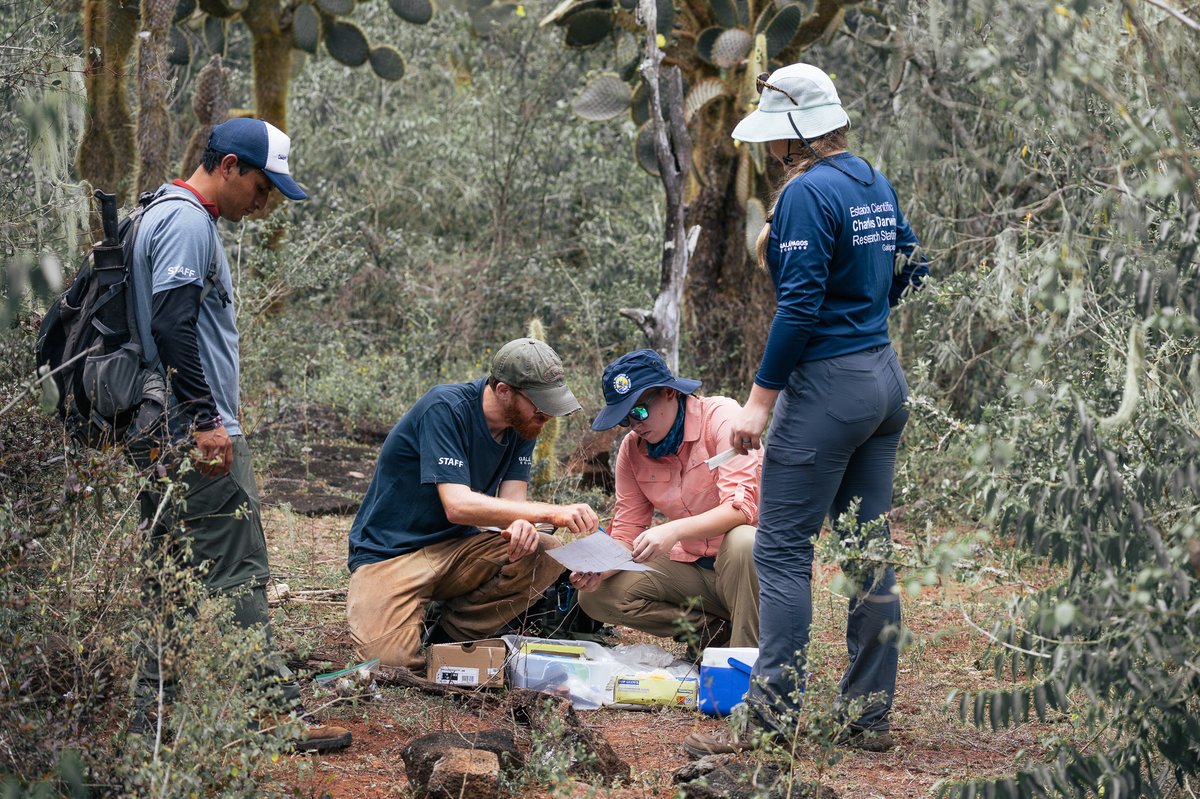
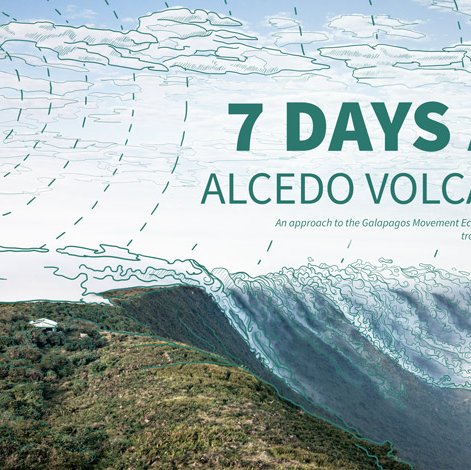
A new international research initiative is investigating how climate change could reshape the Galápagos cloud forests by altering the iconic garúa fog. Discover how scientists will study water, biodiversity, and invasive species to generate the knowledge needed to protect the archipelago’s unique ecosystems and freshwater resources for future generations.

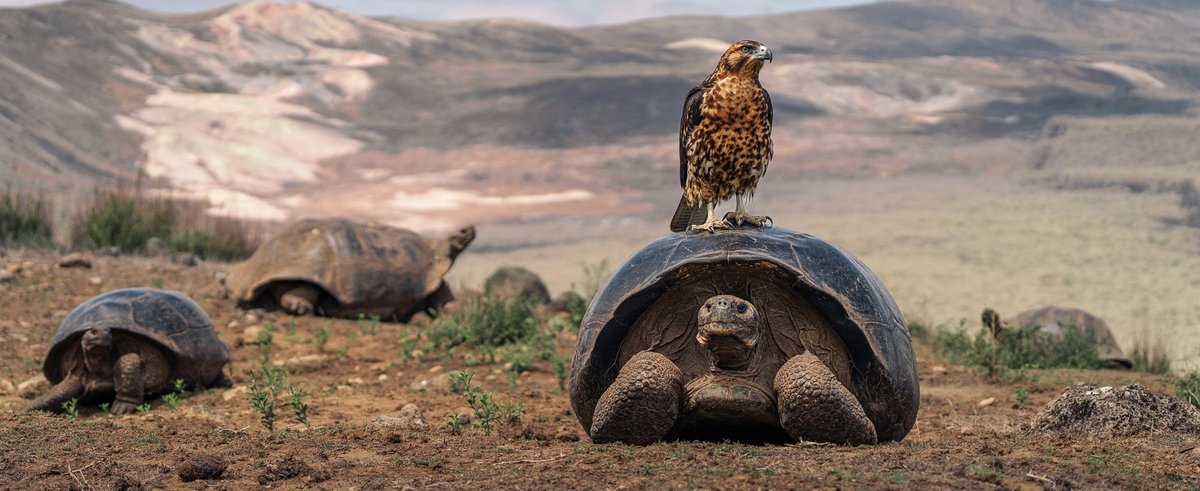
By donating to the Charles Darwin Foundation and its Research Station, you are helping our scientists continue their research in order to better protect the unique animals and ecosystems of the Galapagos Islands.