Results
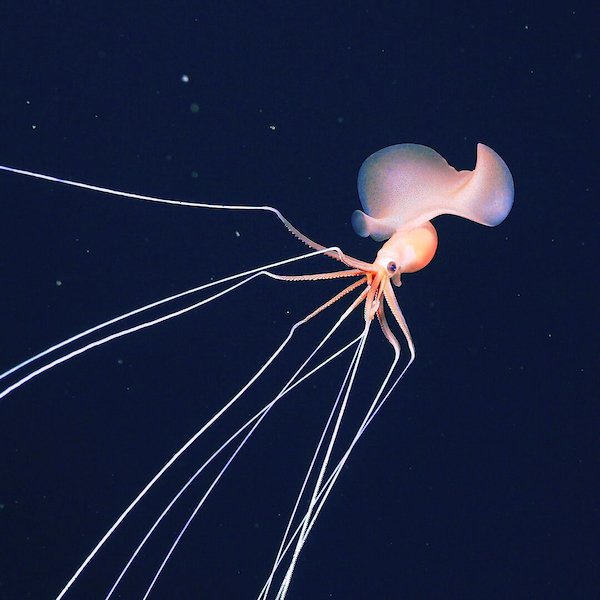
The Deep Ocean Alliance brings together institutions from Costa Rica, Panama, Colombia, and Ecuador to strengthen deep-ocean science and marine conservation in the Eastern Tropical Pacific. Through scientific expeditions, regional collaboration, and technological innovation, the Alliance is improving understanding of deep-sea biodiversity and supporting evidence-based protection of interconnected marine ecosystems.
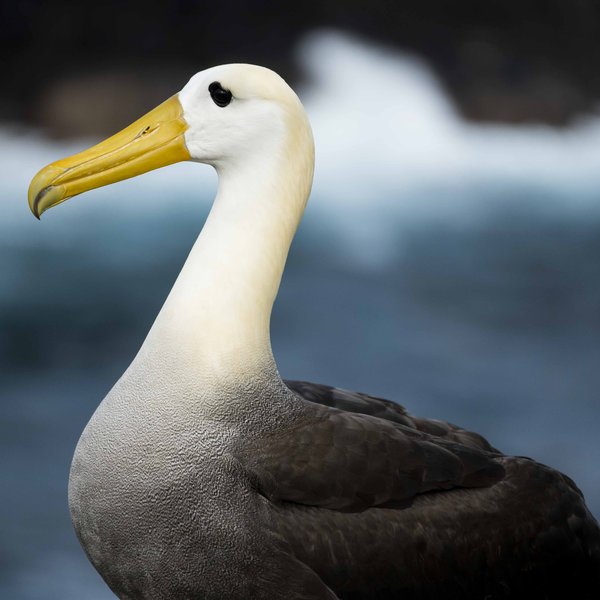
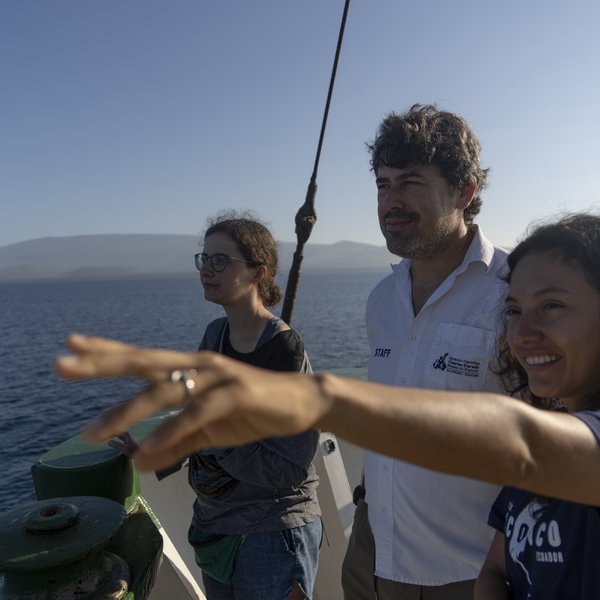
18 NGOs and civil society organisations have today published a statement calling for the governments of Ecuador, Costa Rica, Colombia and Panama to ratify the UN High Seas Treaty in order to accelerate the protection of the oceans.
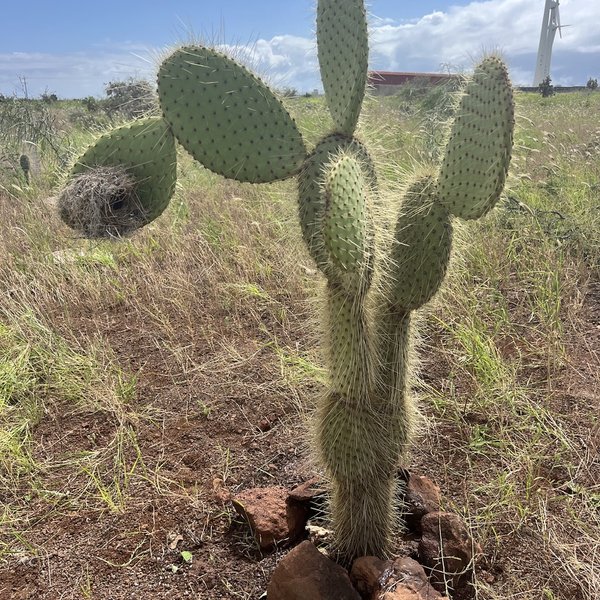
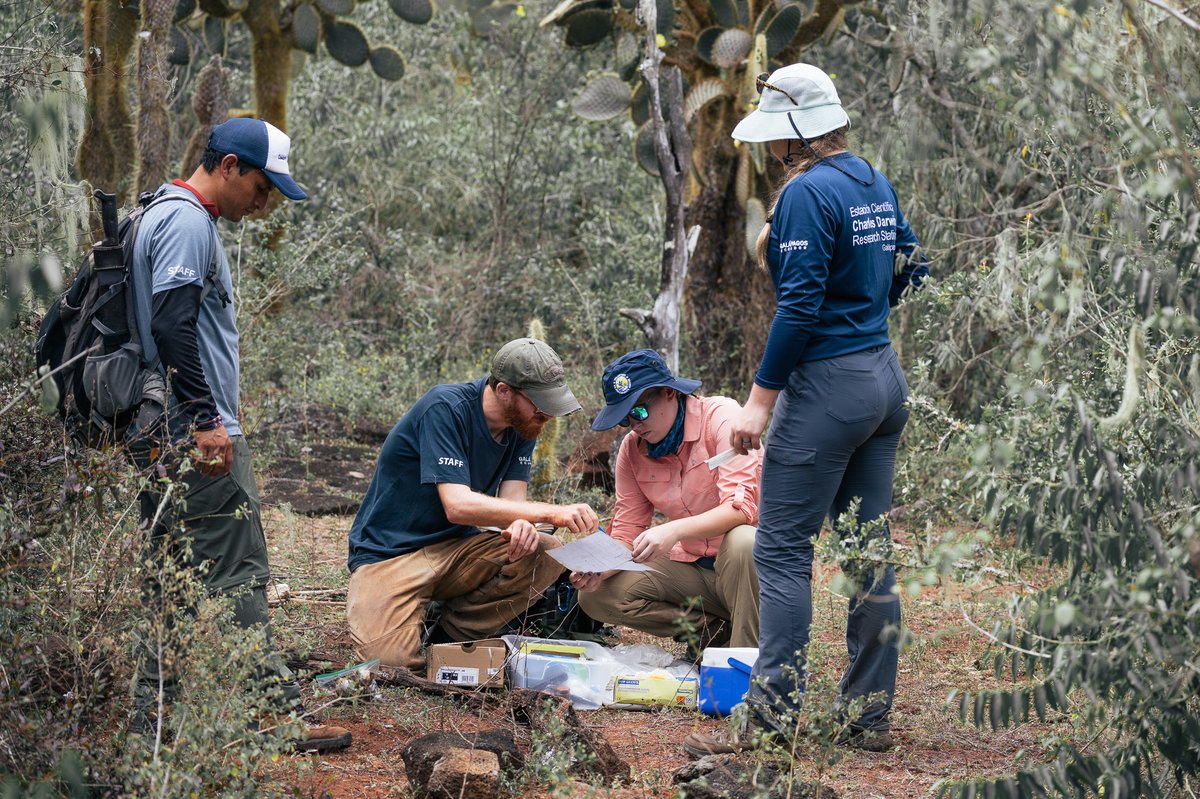
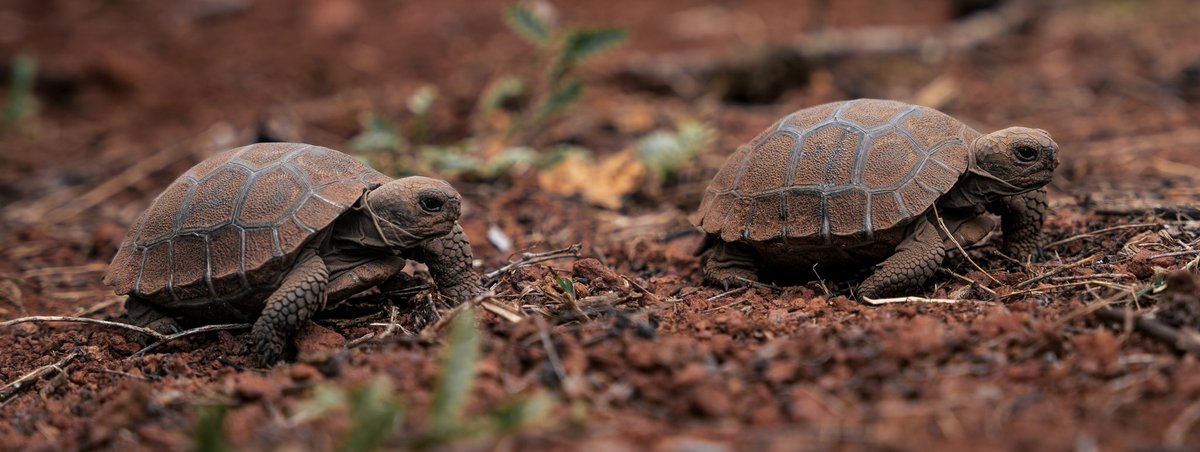
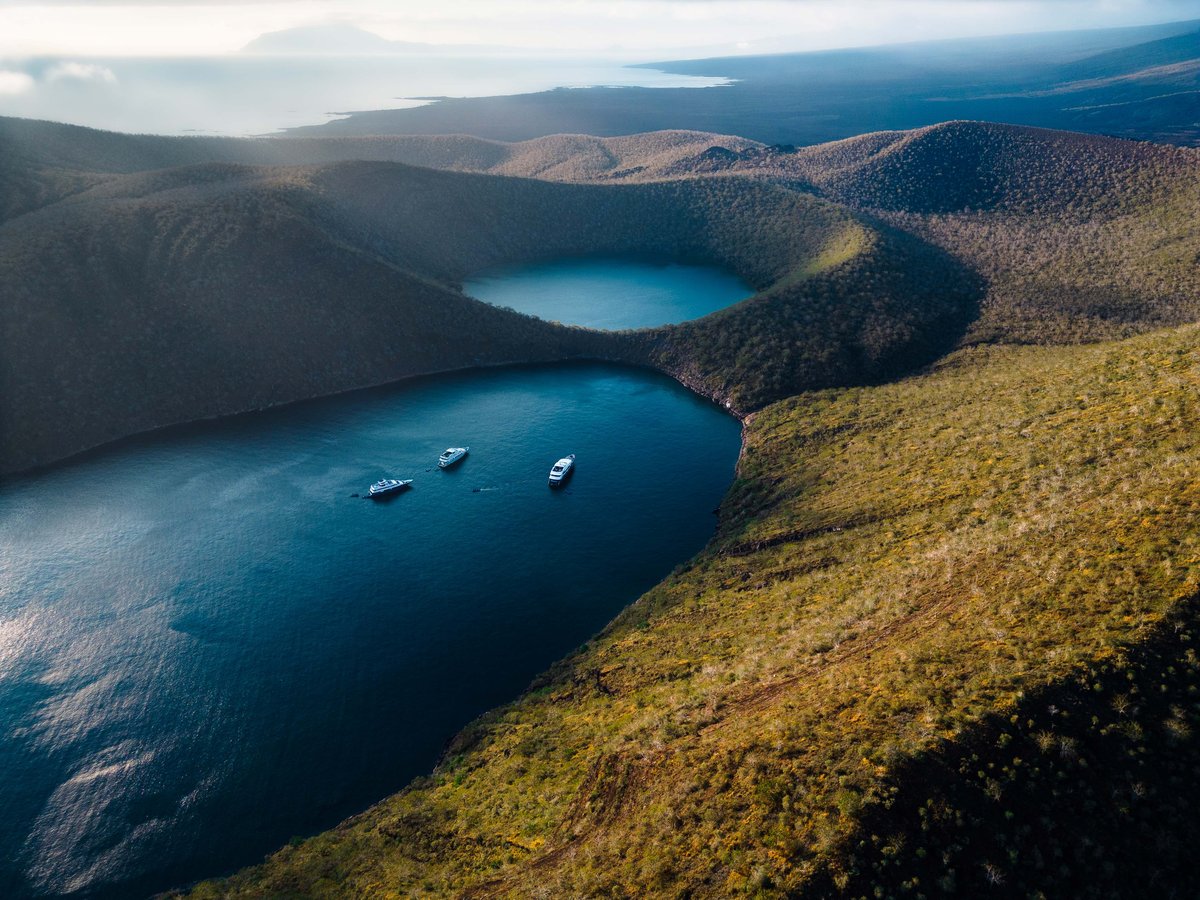
Baltra Island is coming back to life after more than a decade of restoration. Thanks to over 8,000 native plants introduced by the Charles Darwin Foundation and partners, ecosystems are regenerating naturally, offering new hope for Galápagos conservation.
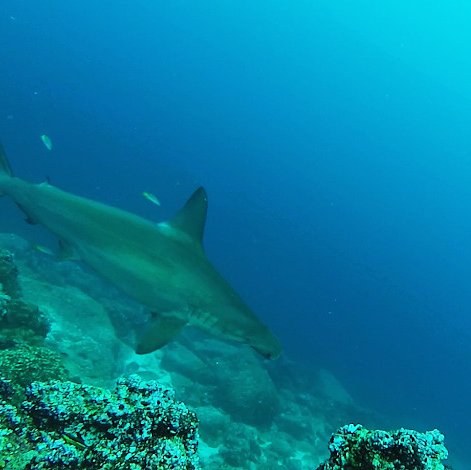
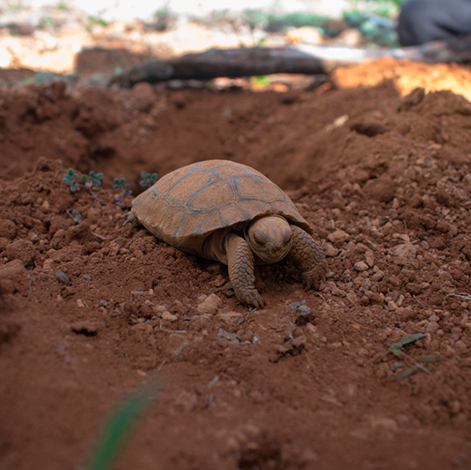
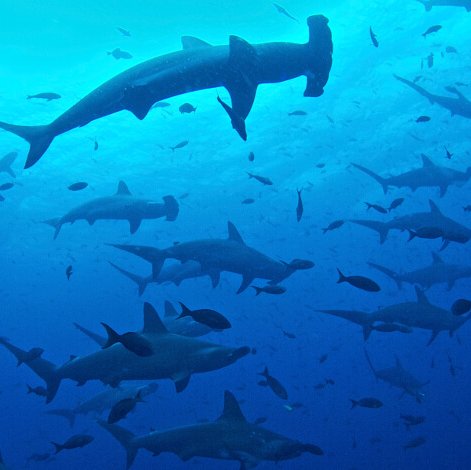
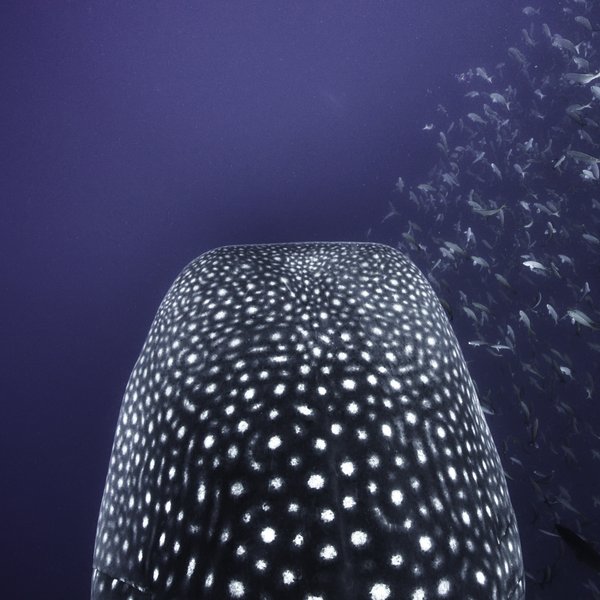
Ushering in a new chapter for ocean governance ratification of the BBNJ agreement.
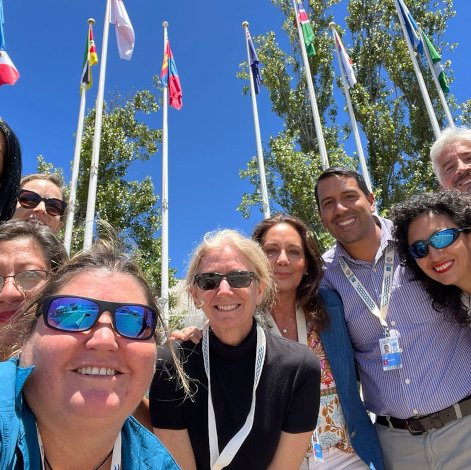
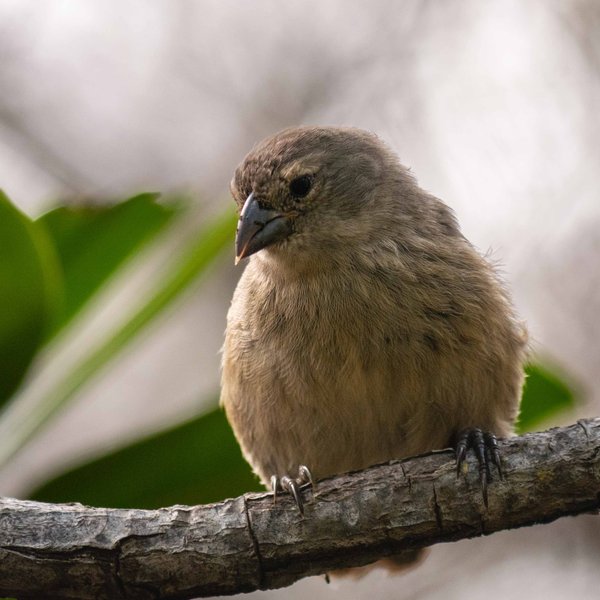
The Galápagos Islands face a growing threat from invasive species that endanger native biodiversity. Classical biological control, using natural enemies to regulate these species, offers a sustainable and safe way to restore ecological balance and protect this unique ecosystem.

After 20 years, Nancy Tapia Paredes returned to the Galapagos, volunteering at the Community Library on Santa Cruz Island. Through storytelling and environmental education inspired by the UN's Sustainable Development Goals, she rediscovered her passion for conservation and found healing. Discover her story of second chances, growth, and a renewed purpose in protecting this extraordinary place.
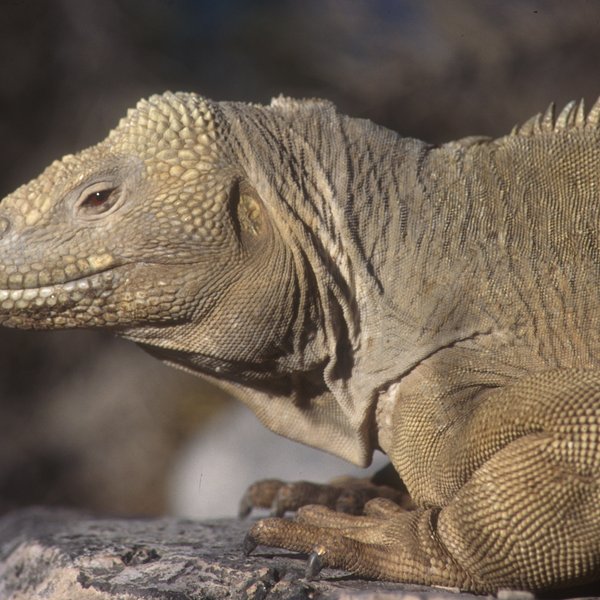
Discover how the Galápagos land iguana recovery program began. From the 1932 translocation to the leadership of Howard and Heidi Snell, this article shows how scientific research, captive breeding, and habitat restoration made possible one of the world's most successful conservation stories.