Results
Planning your trip to the Galapagos Islands? Here are our top travel tips to help you prepare for an unforgettable and responsible journey to this unique destination.

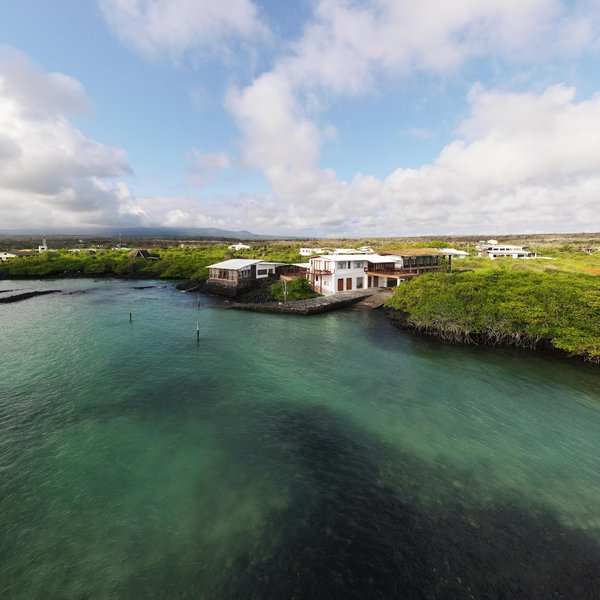
Your conference center at the edge of the Pacific. Don't miss the opportunity to make your next event truly memorable. Contact us today.
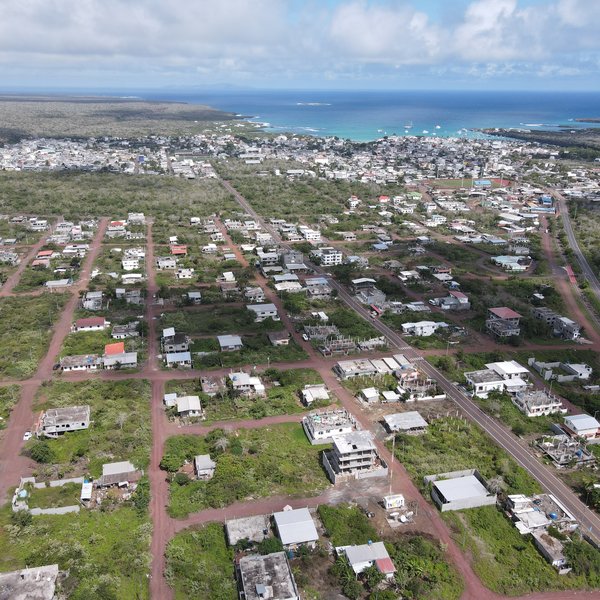
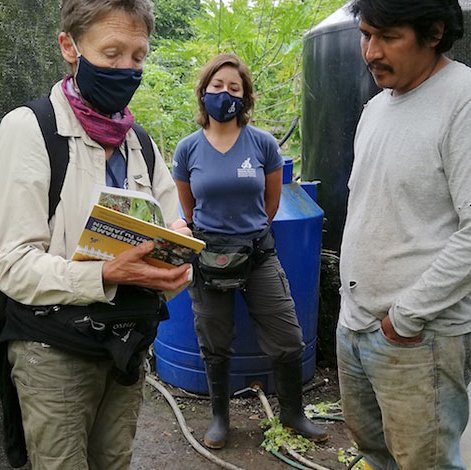
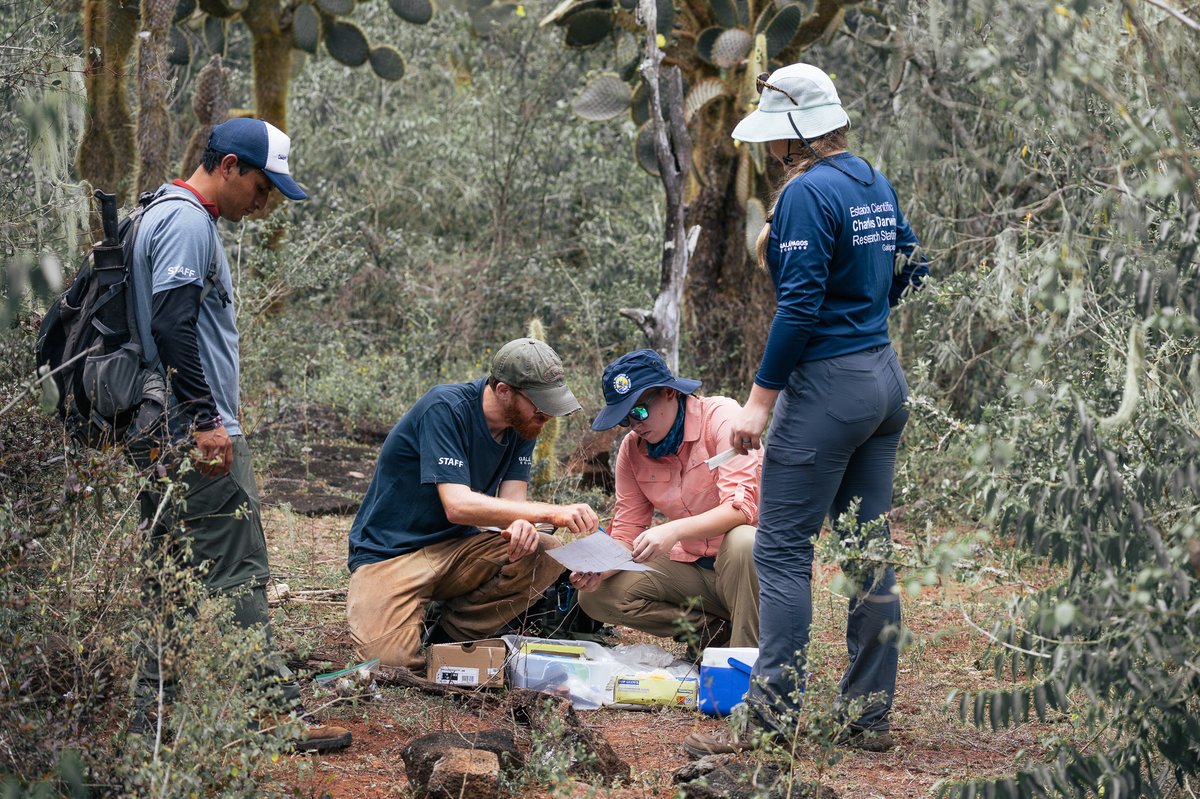
While a mere 3% of the Galapagos Islands are home to people, our presence in this small fraction of the archipelago has put the native vegetation at risk. Our restoration program in urban and rural areas engages the local community in conservation and restoration efforts to secure the long-term health of these unique ecosystems.
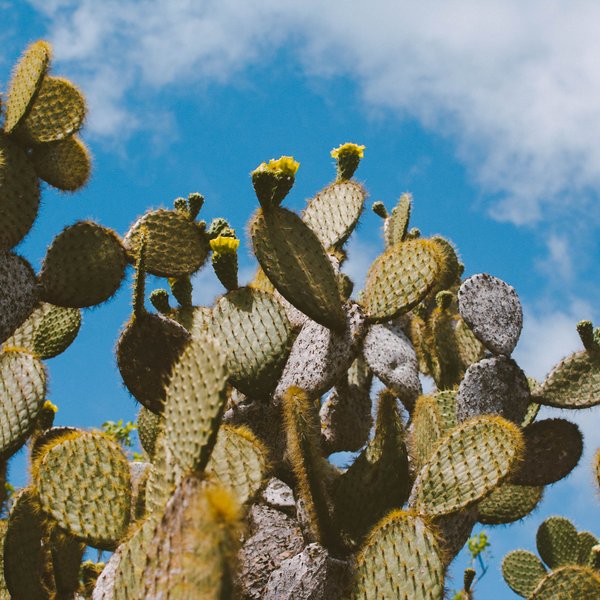
The population of the Galapagos pricky pear cactus declined during the 1960s and 1970s due to the impact of invasive species and human activities. By adopting a Galapagos prickly pear cactus you will support the Charles Darwin Foundation’s Galapagos Verde 2050 program, which works to restore the populations and enhance the conservation process of the Galapagos ecosystems by using ecological restoration tools.
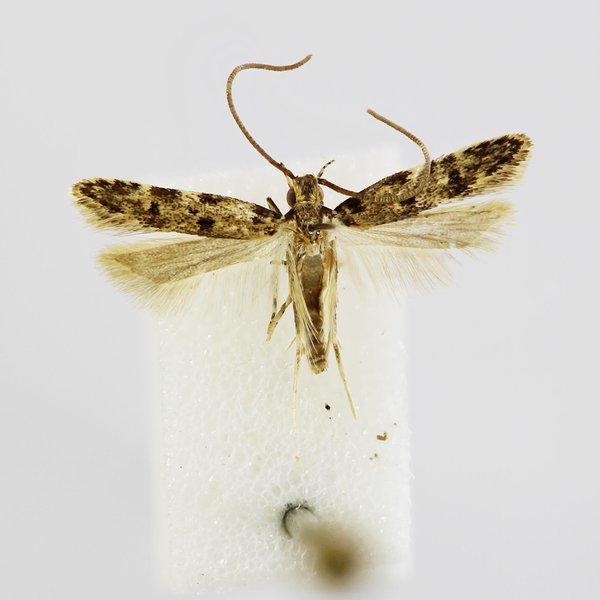
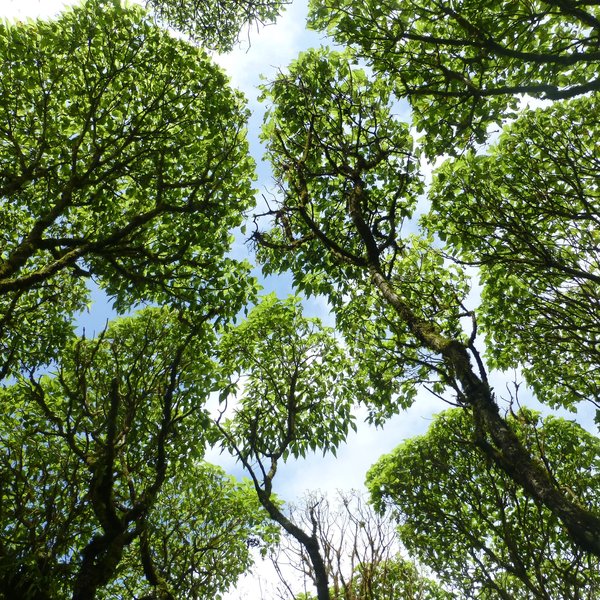
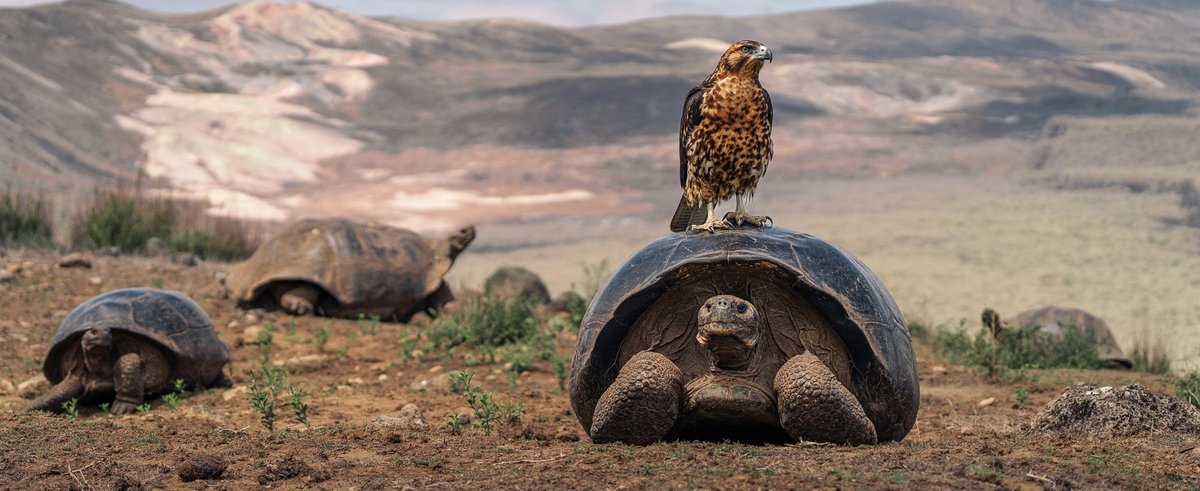
Scalesia forests once thrived on the Galapagos Islands, forming a unique humid ecosystem for plants, insects, giant tortoises and birds. Today, only 1% of the forests’ original distribution remains, with several endemic species, including the Scalesia themselves, struggling to survive. We are working to restore this important habitat and given the rapid rate of forest loss, it is a race against time.
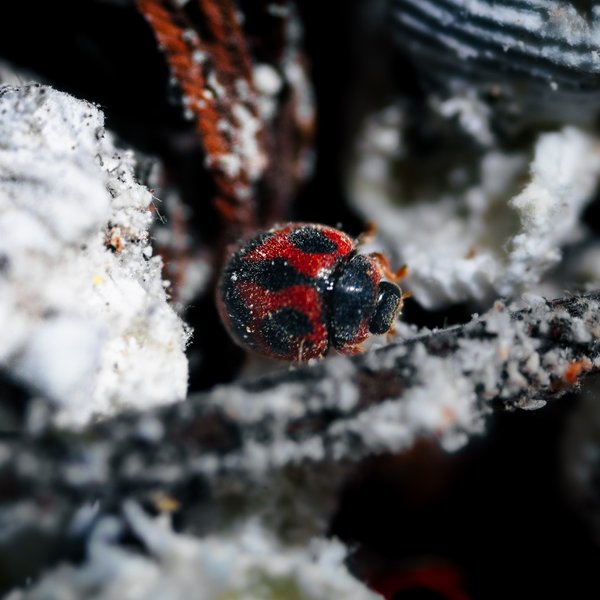
In the heart of the Galapagos Islands, a tiny, unexpected hero emerged in 2002 that would change the course of conservation. The Australian ladybug (Novius cardinalis), small in size but immensely effective, became a crucial ally in the fight against an invasive insect that threatened to devastate the endemic flora of these islands. This is the story of how science, innovation, and nature itself came together to help preserve one of the most valuable biological treasures on the planet.
In the heart of the Galapagos Islands, a tiny, unexpected hero emerged in 2002 that would change the course of conservation. The Australian ladybug (Novius cardinalis), small in size but immensely effective, became a crucial ally in the fight against an invasive insect that threatened to devastate the endemic flora of these islands. This is the story of how science, innovation, and nature itself came together to help preserve one of the most valuable biological treasures on the planet.