Results
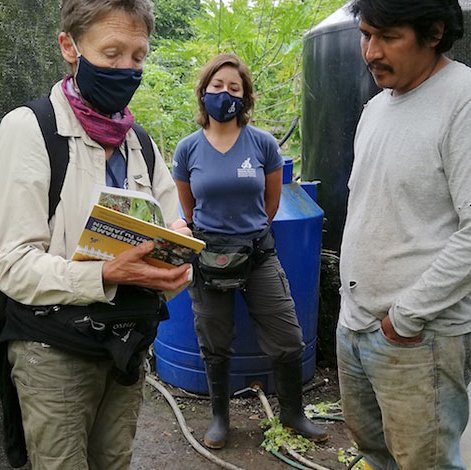
Working in Galápagos is more than just a job—it’s a mission, a deep connection to a fragile and unique ecosystem. With 12 years of experience in communication, I’ve had the privilege of witnessing how the collaboration between science and communication is one of the most powerful strategies for conserving this paradise.
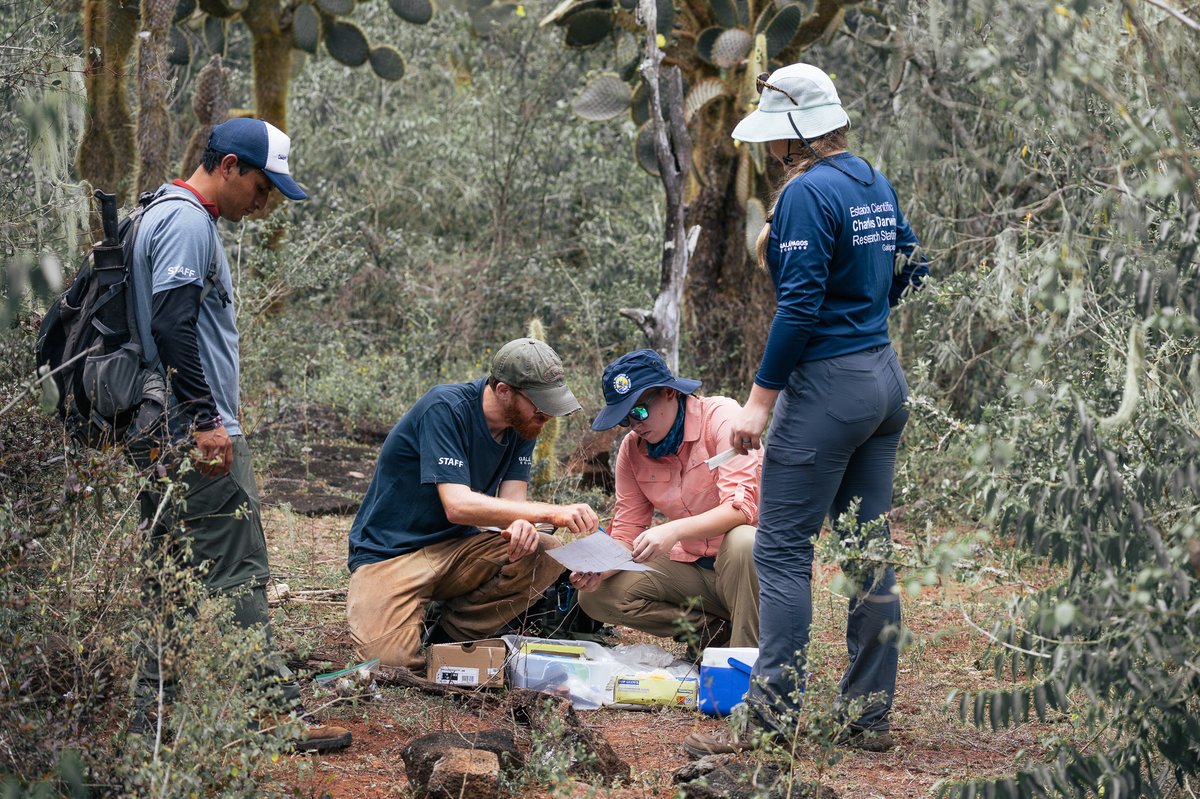
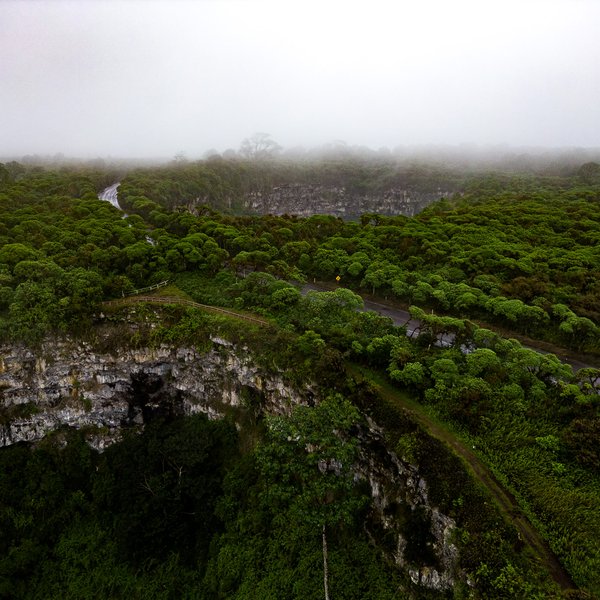
In this story, I’ll share one of my most recent field experiences in the Scalesia forest at Los Gemelos, where nature and human effort come together to protect our home.
Working in Galápagos is more than just a job—it’s a mission, a deep connection to a fragile and unique ecosystem. With 12 years of experience in communication, I’ve had the privilege of witnessing how the collaboration between science and communication is one of the most powerful strategies for conserving this paradise.
In this story, I’ll share one of my most recent field experiences in the Scalesia forest at Los Gemelos, where nature and human effort come together to protect our home.
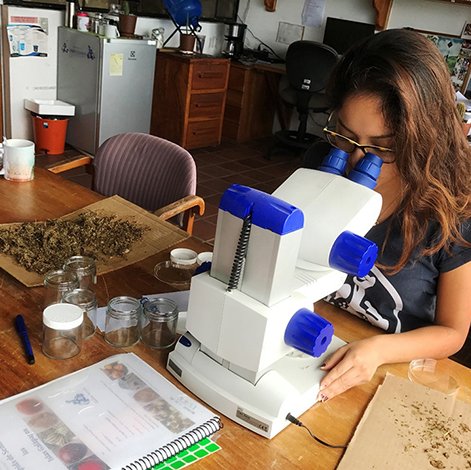
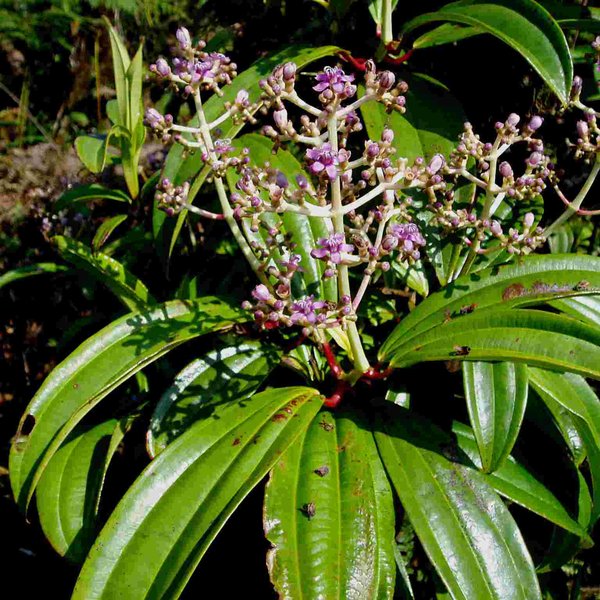
For 26 years, scientists have returned to the misty highlands of Santa Cruz to track the impacts of the invasive quinine and of the management actions. The continuous control of invasive plants resulted in the remarkable recovery of endemic plant species, especially that of the iconic Miconia robinsoniana. This is the story of endurance, restoration, and how a long-term commitment can strengthen conservation actions to protect the Galapagos ecosystems.
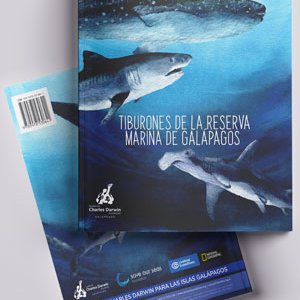
Field guide for kids to identify sharks of the Galapagos Marine Reserve.
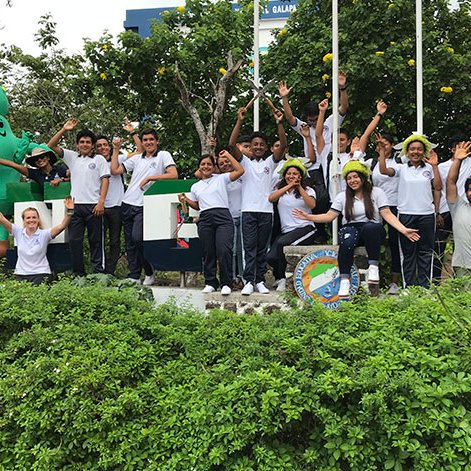
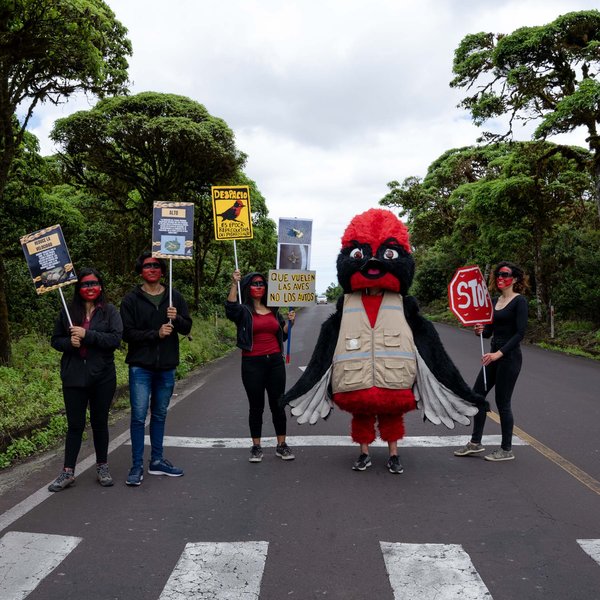
At the Charles Darwin Foundation, we believe that sustainable conservation depends on the involvement of the local community. Our goal is to inspire future generations of local conservation leaders, and embed conservation and sustainable development in the local culture.
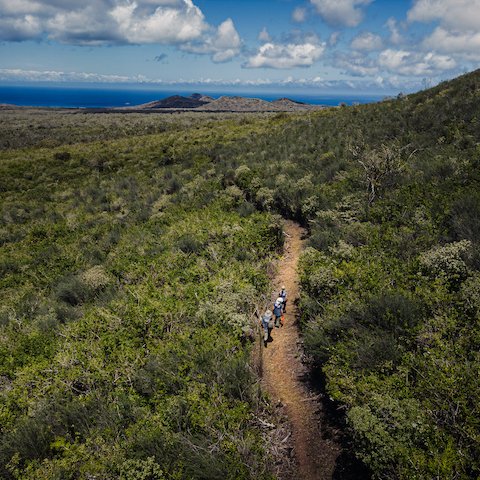
Floreana Island’s past is a gripping tale of utopian dreams undone by invasive species that devastated its wildlife and community. Today, its residents are leading one of the world’s most ambitious restoration efforts—reviving ecosystems, returning lost species, and reshaping their future. Discover the real drama behind Eden and Floreana’s remarkable comeback.
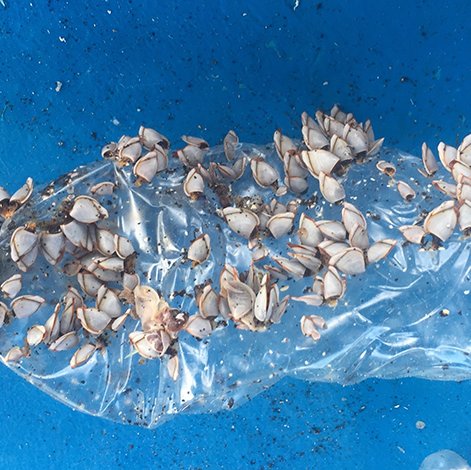
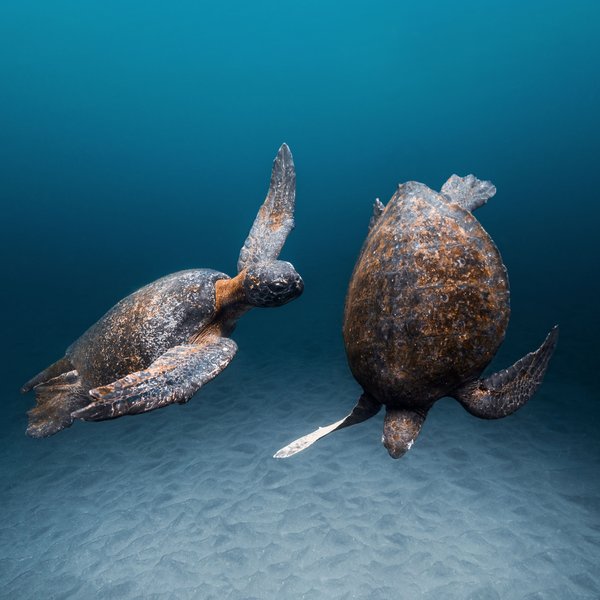
Important feeding and nesting sites for the endangered East Pacific green turtle in Galapagos are increasingly threatened by tourism, marine traffic and climate change. Our research is helping to identify the key areas where sea turtles are most vulnerable, and to develop solutions to protect them in the long term.

Join our Wild Club today! By scheduling a recurring monthly gift, you will increase your impact on Galapagos conservation.