Results
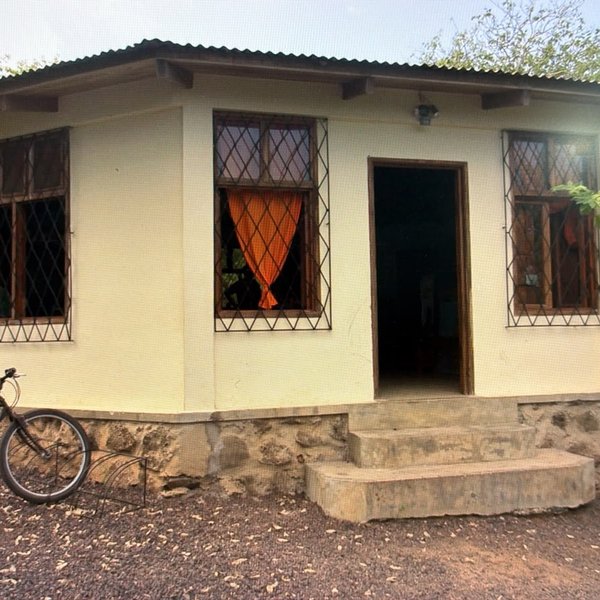
In 1989, the Charles Darwin Research Station opened its first building outside Santa Cruz, in Puerto Baquerizo Moreno. But its presence on San Cristóbal already had a name, Jacinto Gordillo, its representative since the 1970s. The octagon made his dream come true and opened an educational path that continues today.
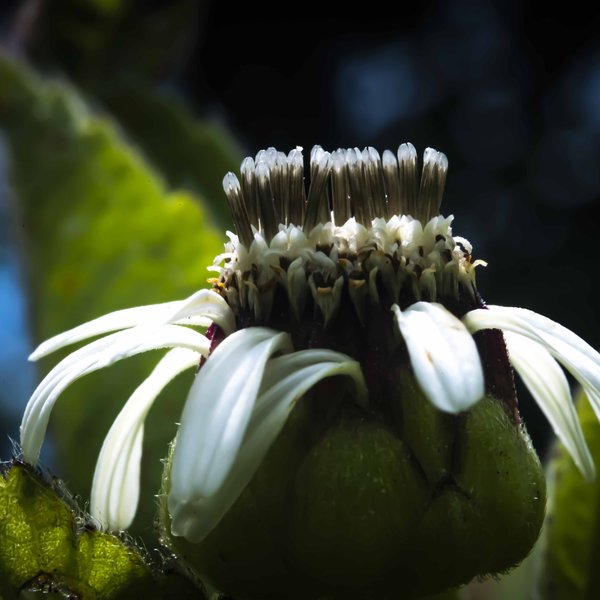
Dr. Syuzo Itow, a Japanese botanist and professor at Nagasaki University, was a key figure in the study of Galápagos. He researched the Scalesia forests, helped secure long-term support for botanical work at the Charles Darwin Foundation, and in 2005 founded the Japanese Association of Friends of Galápagos (JAGA), fostering scientific and cultural exchange between Japan, Galápagos, and the Ogasawara Islands.
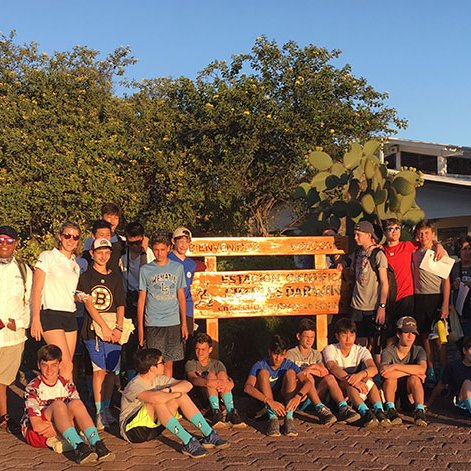
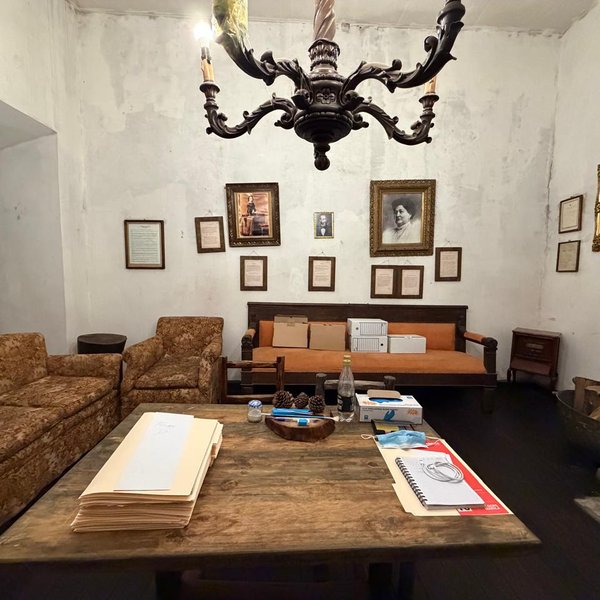
A look back at the origins of the Charles Darwin Foundation and the key role of Cristóbal Bonifaz in shaping science and conservation in Galápagos, and how the recovery of his archives reconnects us with that shared legacy.
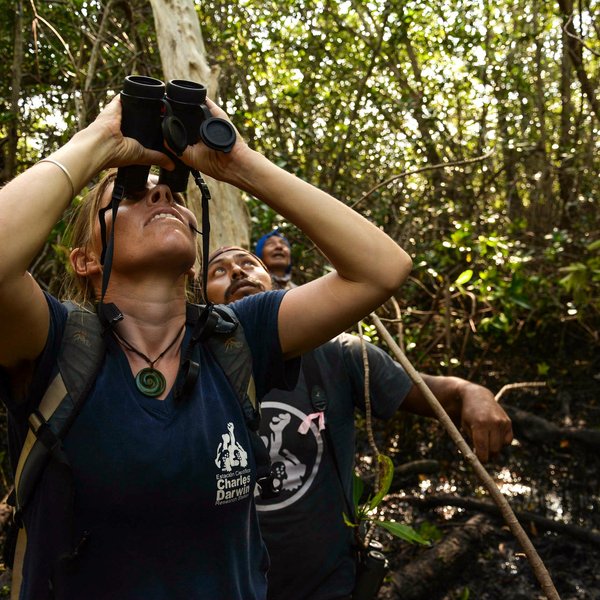
Since its inception in 1971, our Scholarship Program has enabled over 250 students from Galapagos to complete their education and pursue careers in conservation.
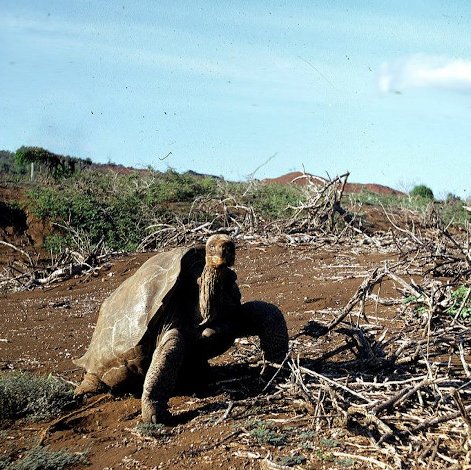
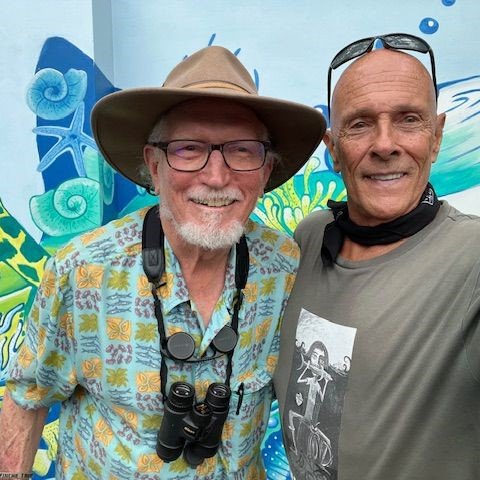
The world conservation movement and the Galapagos Islands lost a passionate supporter, pioneering conservationist, mentor and friend with the death of Dr. Craig George MacFarland in April 2025.
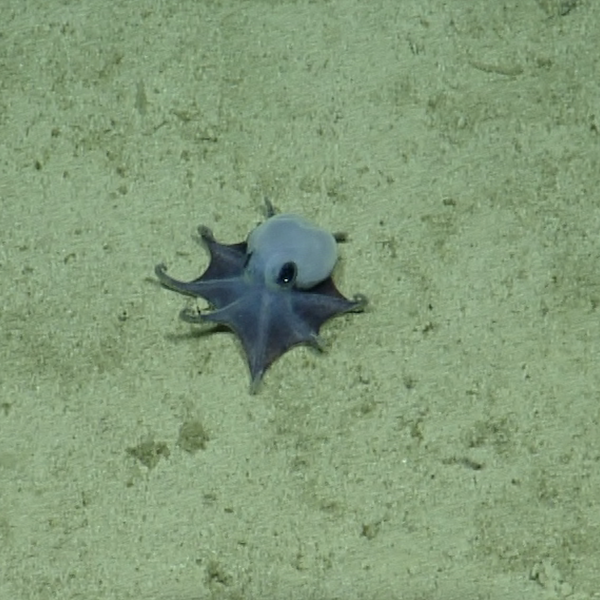
Microeledone galapagensis, a tiny blue octopus discovered 1,770 meters beneath the waters of Galápagos, highlights how much remains unknown about the deep sea. Its identification as a new species was made possible by years of preservation in the Charles Darwin Foundation’s marine collections, underscoring their importance for scientific research.
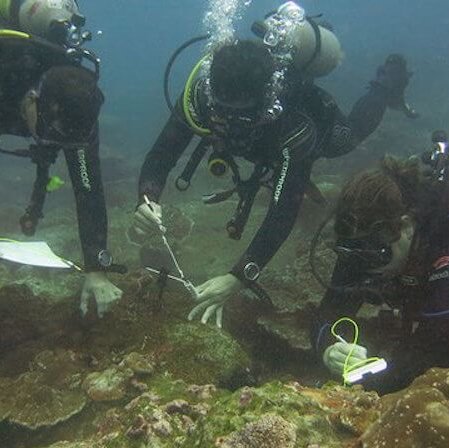
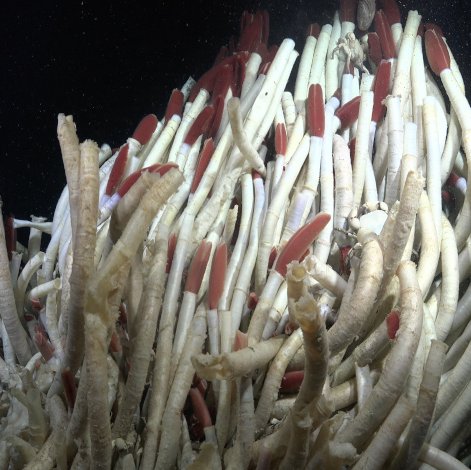
Scientists on a Schmidt Ocean Institute expedition have discovered a new hydrothermal vent field larger than a professional soccer field. The vent field found in the Pacific Ocean off the Western Galápagos Islands consists of five geyser-like chimneys and three hot springs, like those you might see in Yellowstone.
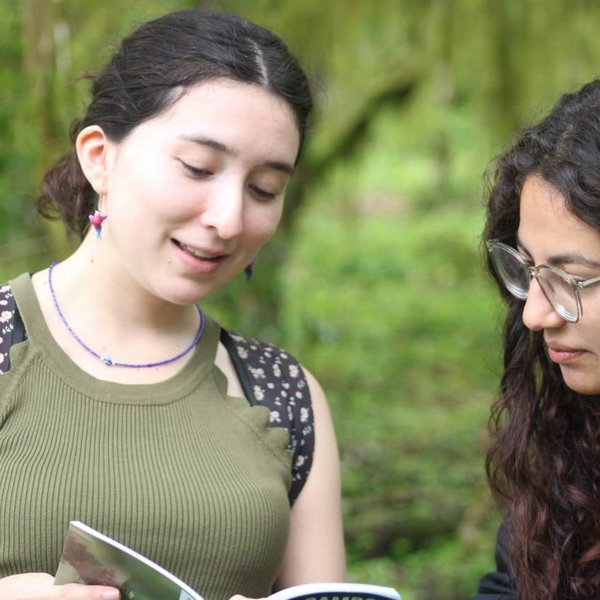
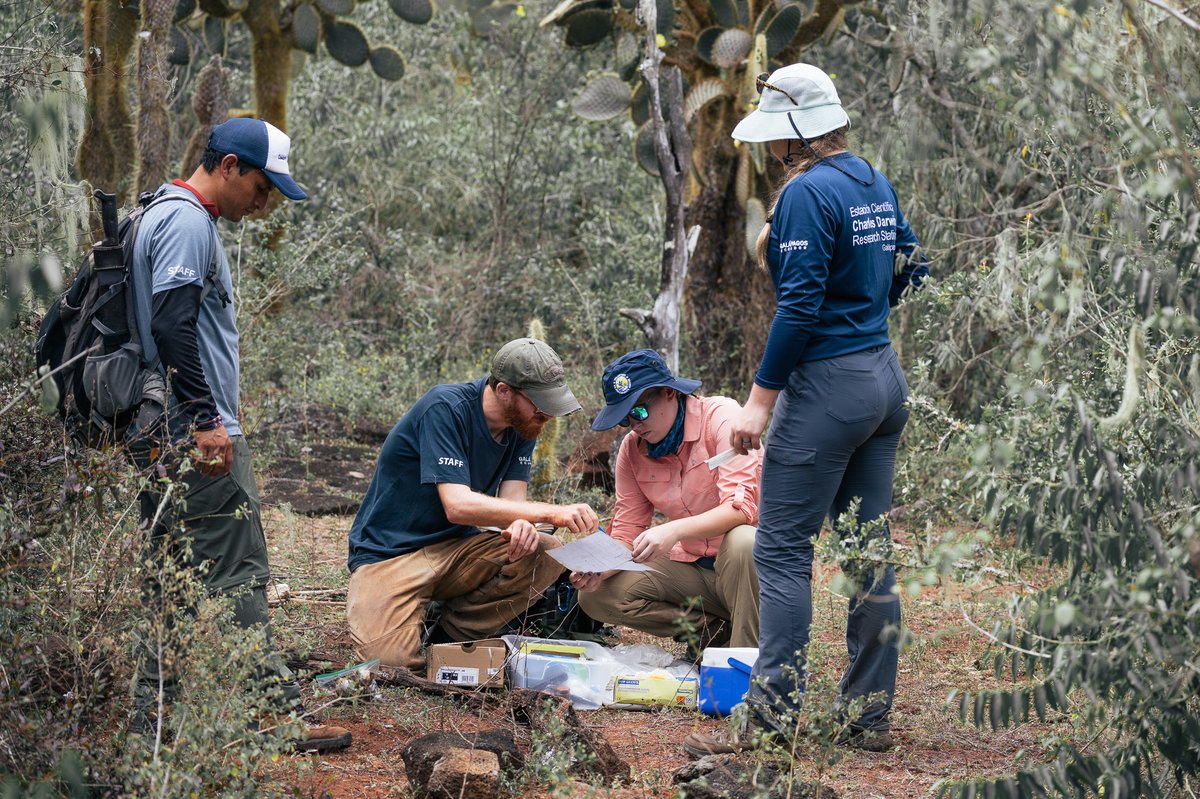
Today, I find myself here, by the sea, writing about my experience living on an island. It all started when I was searching for an opportunity, and I found a living dream instead: volunteering in the Galápagos. I applied to the Landbird Conservation Program of the Charles Darwin Foundation and had the privilege of becoming part of their team.Today, I find myself here, by the sea, writing about my experience living on an island. It all started when I was searching for an opportunity, and I found a living dream instead: volunteering in the Galápagos. I applied to the Landbird Conservation Program of the Charles Darwin Foundation and had the privilege of becoming part of their team.
Today, I find myself here, by the sea, writing about my experience living on an island. It all started when I was searching for an opportunity, and I found a living dream instead: volunteering in the Galápagos. I applied to the Landbird Conservation Program of the Charles Darwin Foundation and had the privilege of becoming part of their team.Today, I find myself here, by the sea, writing about my experience living on an island. It all started when I was searching for an opportunity, and I found a living dream instead: volunteering in the Galápagos. I applied to the Landbird Conservation Program of the Charles Darwin Foundation and had the privilege of becoming part of their team.
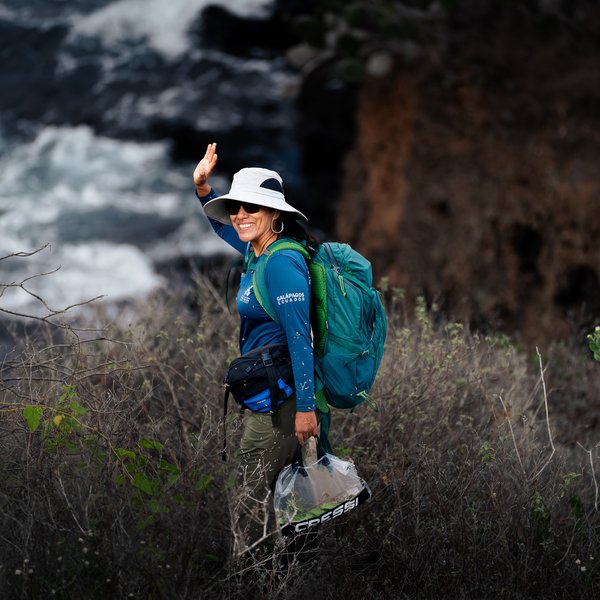
Floreana, the first inhabited island in Galapagos, faces significant environmental challenges due to both direct and indirect human impacts. However, thanks to the coordinated efforts of its community, research groups, local and international conservation organizations, authorities, protected area managers, and donors, it has become a symbol of collective action and hope for the restoration of the archipelago’s biodiversity.
Floreana, the first inhabited island in Galapagos, faces significant environmental challenges due to both direct and indirect human impacts. However, thanks to the coordinated efforts of its community, research groups, local and international conservation organizations, authorities, protected area managers, and donors, it has become a symbol of collective action and hope for the restoration of the archipelago’s biodiversity.
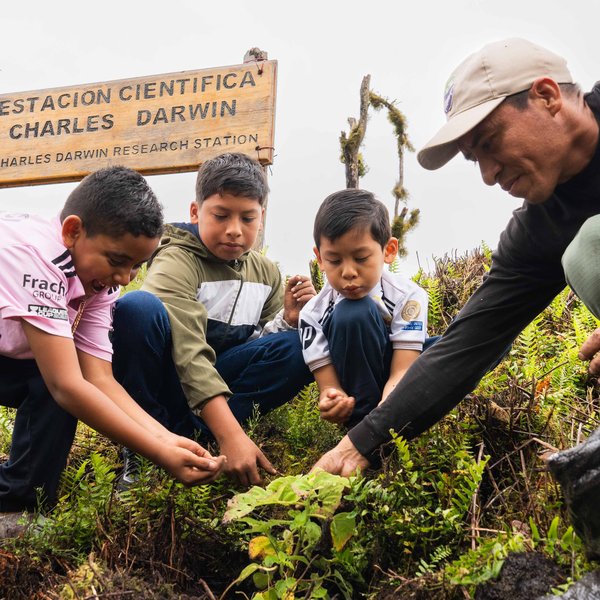
Discover the revival of Isabela Island’s historic Children’s Forest, a once-forgotten sanctuary of the endangered Scalesia cordata. From its origins with Don Jacinto to today’s community-led restoration, this story reconnects generations through conservation, memory, and hope. Click to explore how a beloved forest is coming back to life.
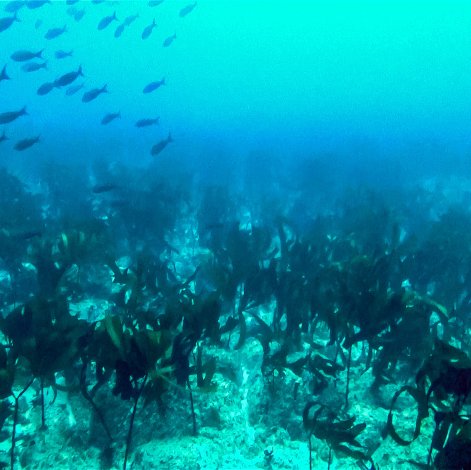
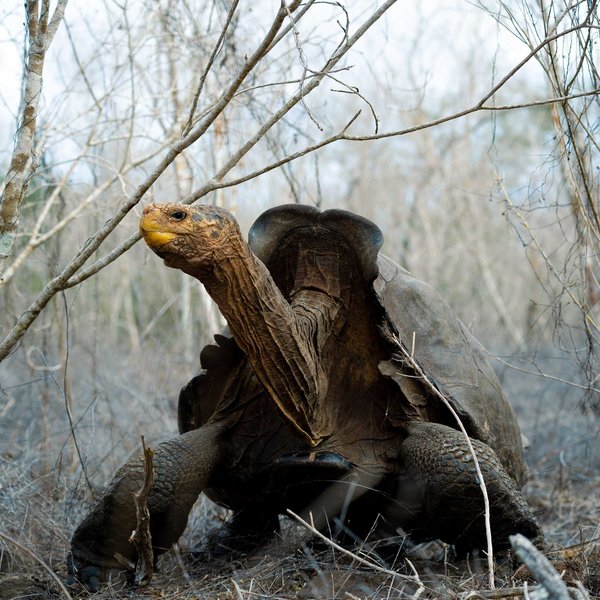
Leave a lasting legacy for Galapagos. Include the Charles Darwin Foundation in your will--free and in your control. Join the Pristine Society.
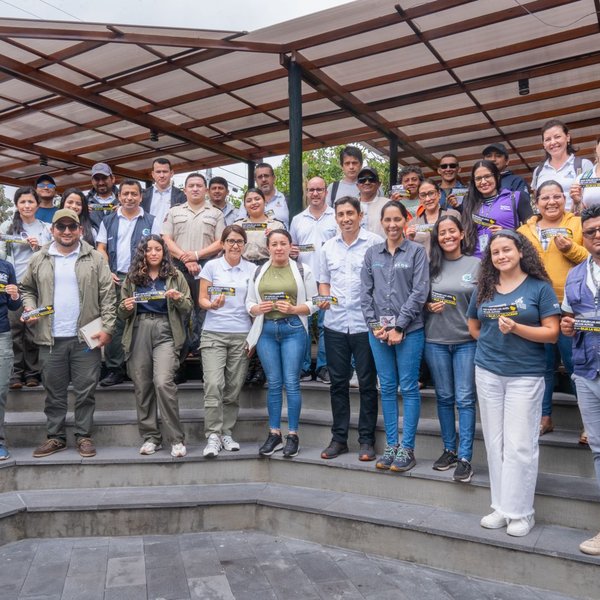
In a joint effort to protect the unique biodiversity of the islands, representatives from the public and private sectors, NGOs, transport cooperatives, and local governments gathered to understand the factors and solutions to reduce bird mortality on the roads of Galápagos caused by vehicles, the road connecting Puerto Ayora to the Itabaca Channel is of great importance as it passes through protected and productive areas of the island.