Results

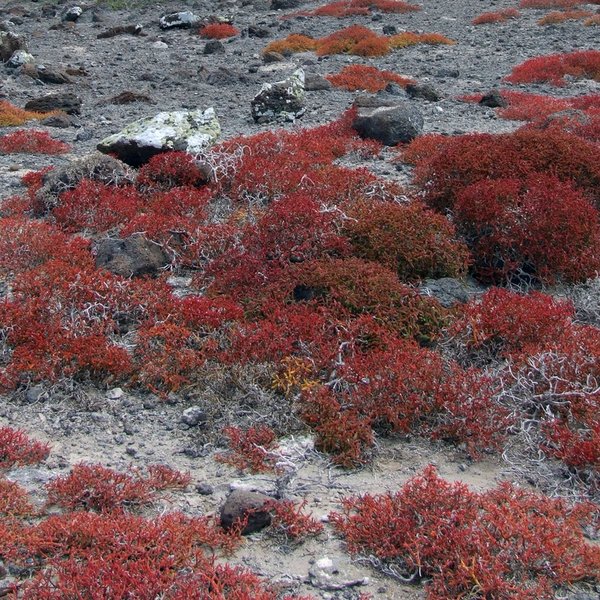
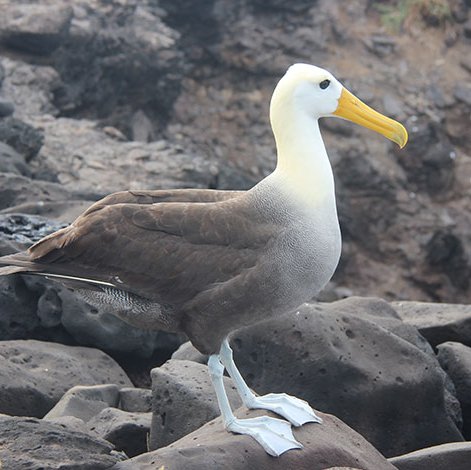
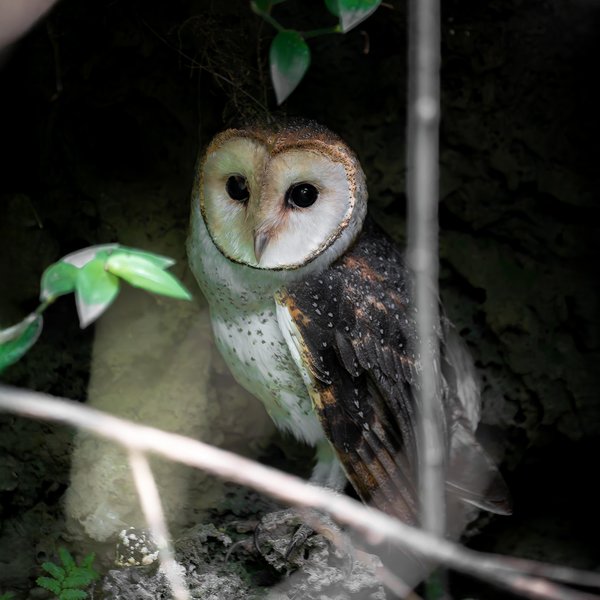
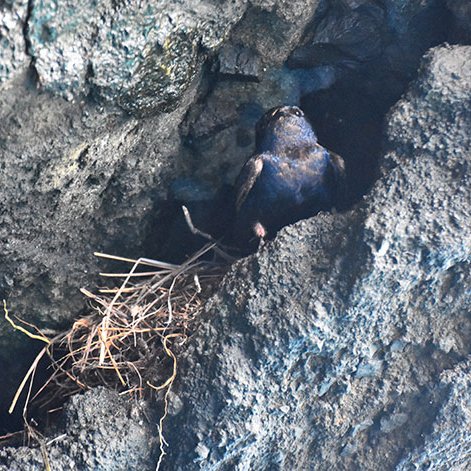
With a heart-shaped face and silent wings, the Galapagos barn owl is a quiet force of balance in the archipelago’s ecosystems. Endemic to the Islands, this elusive predator controls invasive rodent populations, supporting the survival of critically endangered species and ongoing ecological restoration. In the shadows of lava tunnels and forest canopies, it hunts with precision—and reminds us that even the smallest wings can carry the weight of conservation.
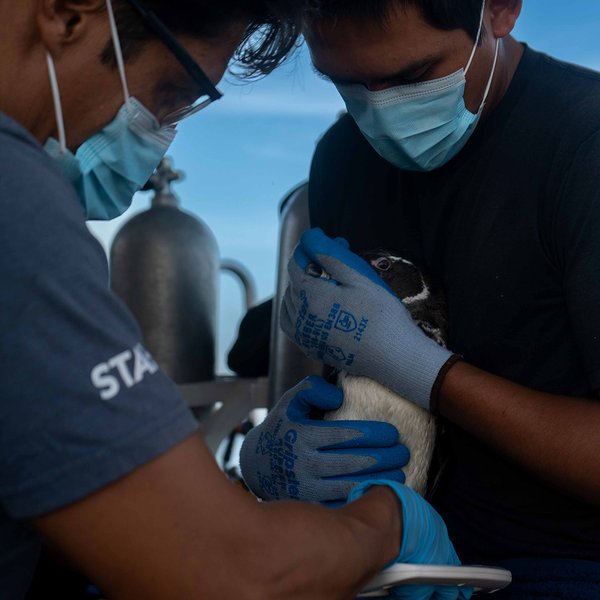
The Galapagos Islands are home to species so unique they exist nowhere else on Earth. Among these are the Galápagos penguin and the flightless cormorant, evolutionary wonders that have adapted to thrive in these remote habitats. But these incredible creatures face mounting challenges from climate change, diseases and invasive species. Protecting them is no easy feat—it takes dedication, resources, scientific knowledge, and action.
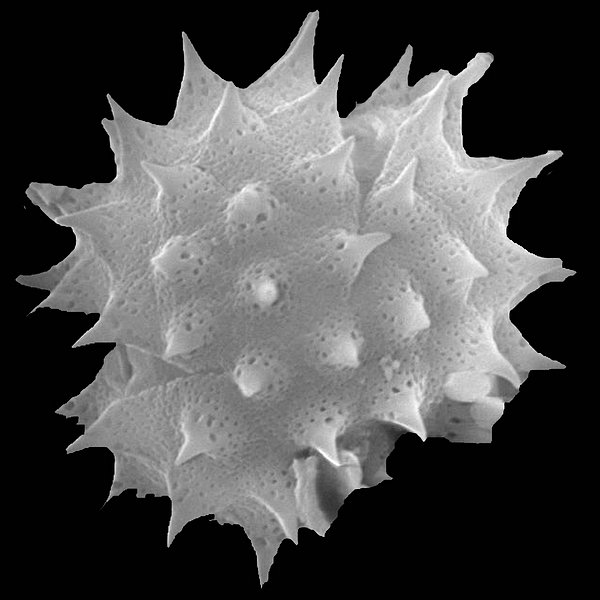



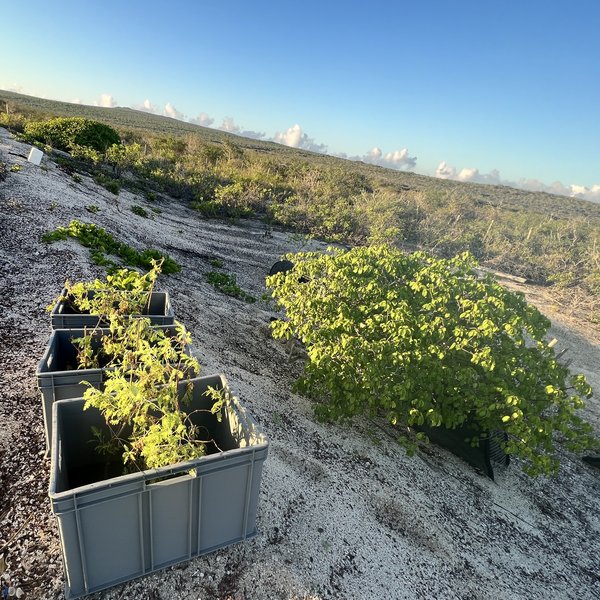
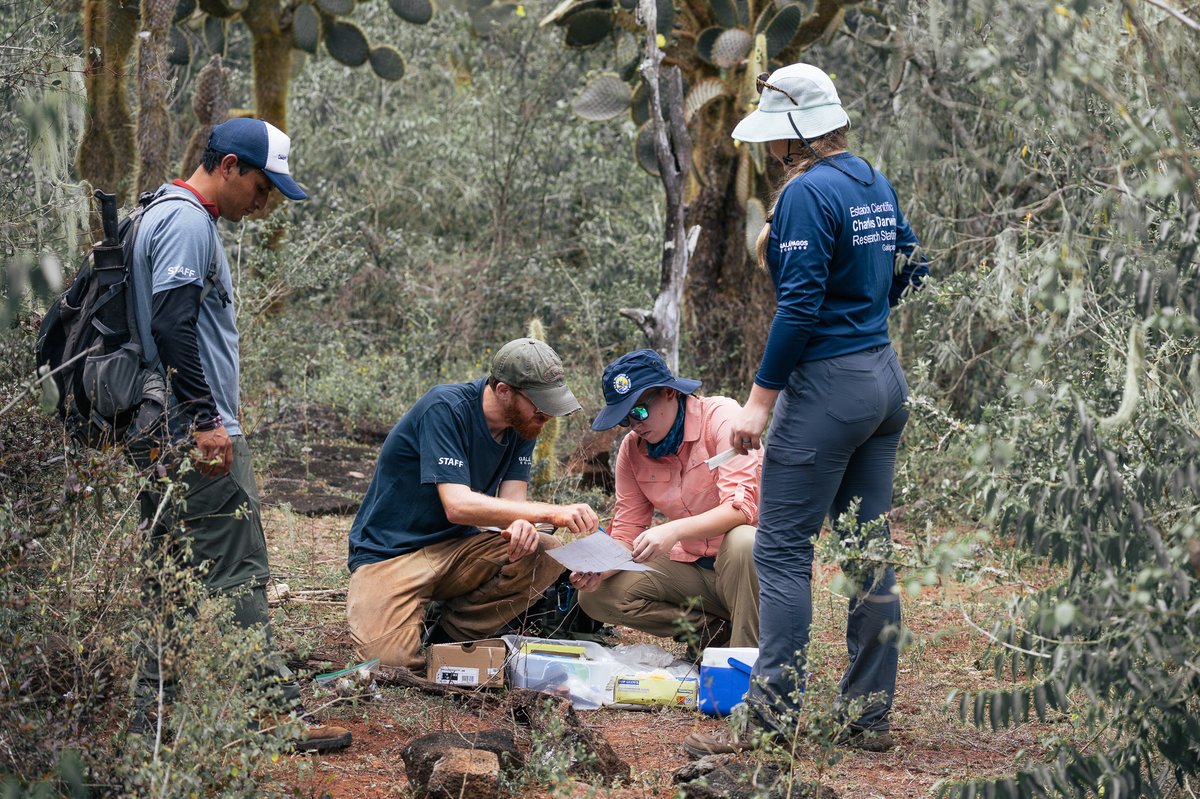
In November 2020, I joined the Galapagos Verde 2050 (GV2050) team during an exciting time. The team had just returned from an expedition to Punta Manzanillo on Española Island, where they had rediscovered a small population of Lecocarpus lecocarpoides, a species thought to be locally extinct. With 50 precious seeds collected, I was given a mission: to use these seeds to help recover the only population of this endangered species on the island.