Results
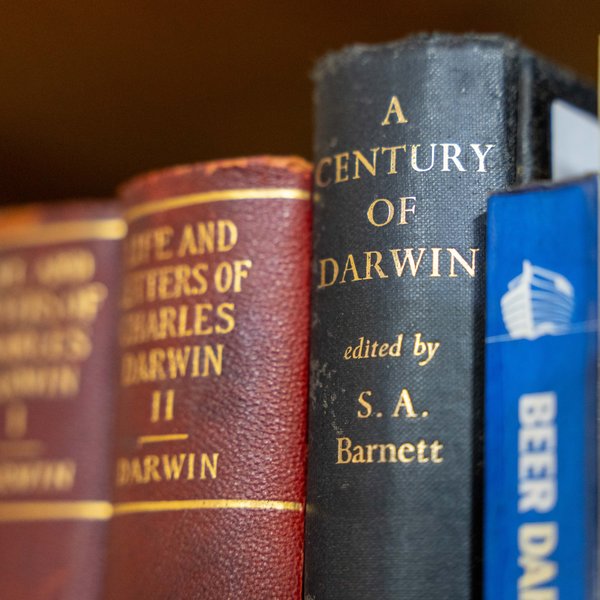
The G.T. Corley Smith Library at the Charles Darwin Foundation holds the world’s most comprehensive collection of publications on the Galápagos Islands. Its “Galápagos Collection” includes both scientific and grey literature, making it an invaluable resource for research and conservation. A digitization effort is underway to expand global access to this knowledge.
From the Galapagos, the Charles Darwin Foundation issues a science-driven manifesto to UNOC 3 delegates, pressing for robust global policies that conserve marine biodiversity, stop IUU fishing, enforce sustainable tourism, and spark regenerative blue economies that secure ocean health and human prosperity.
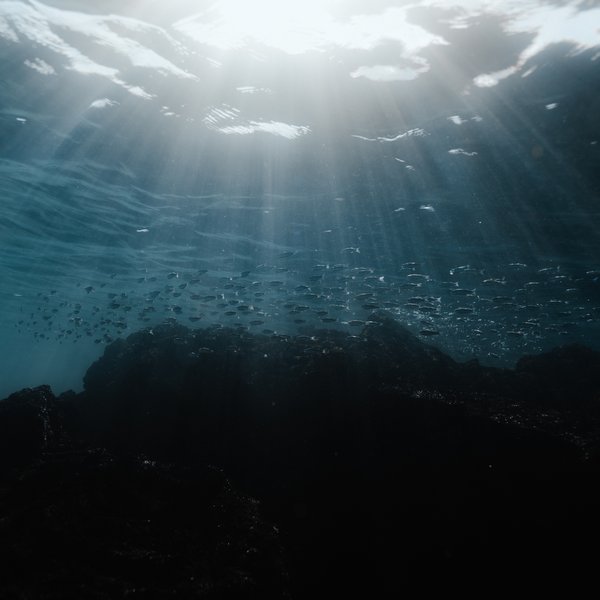
A scientific delegation from the Charles Darwin Foundation for the Galapagos Islands participated in the 12th annual meeting of the Commission of the South Pacific Regional Fisheries Management Organization (SPRFMO), which took place in Manta, Ecuador, between 29 January – 2 February 2024.
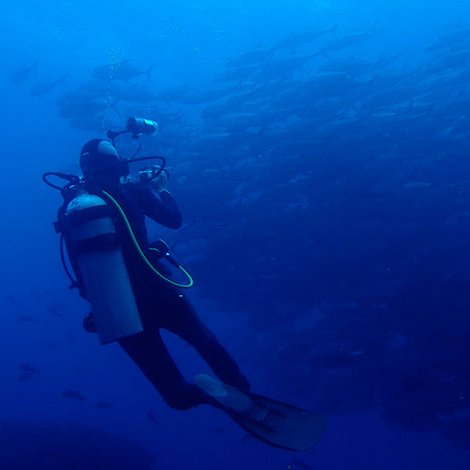
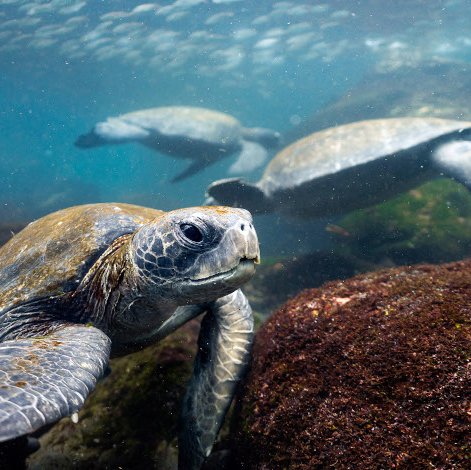
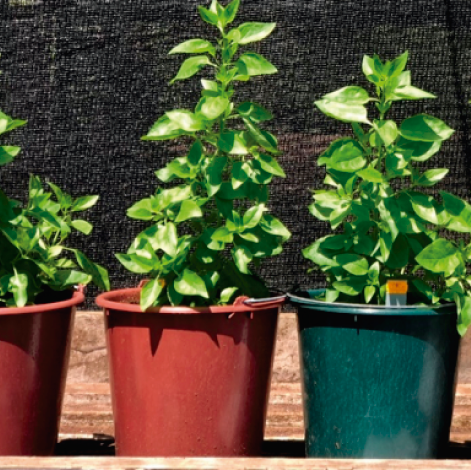
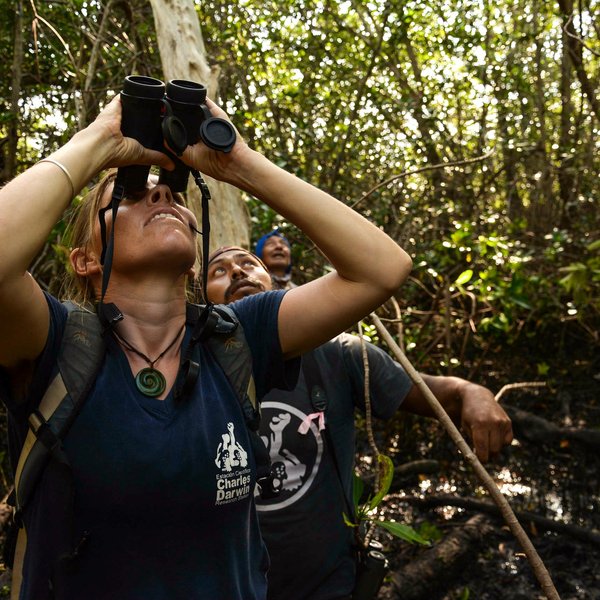
Since its inception in 1971, our Scholarship Program has enabled over 250 students from Galapagos to complete their education and pursue careers in conservation.

The Charles Darwin Foundation has appointed Dr. Harvey V. Fineberg to its Board of Directors, effective 1 January 2026. He brings extensive leadership experience in global health, academia, and philanthropy, including senior roles at the Gordon and Betty Moore Foundation, Harvard University, and the U.S. National Academy of Medicine.
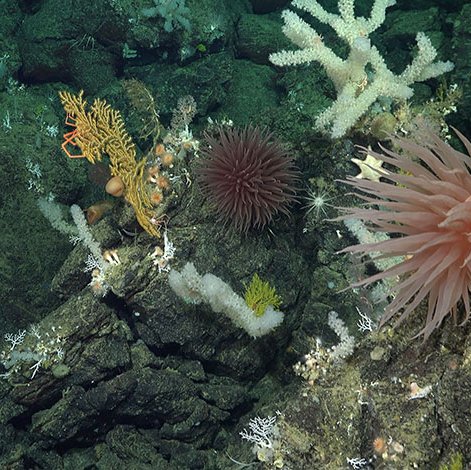
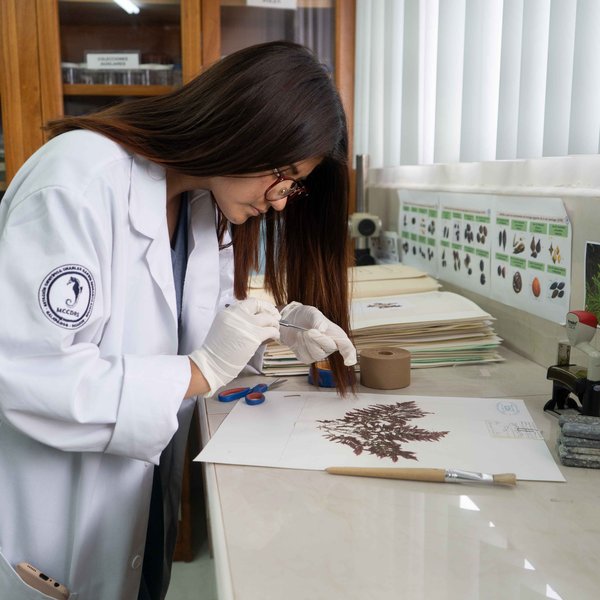
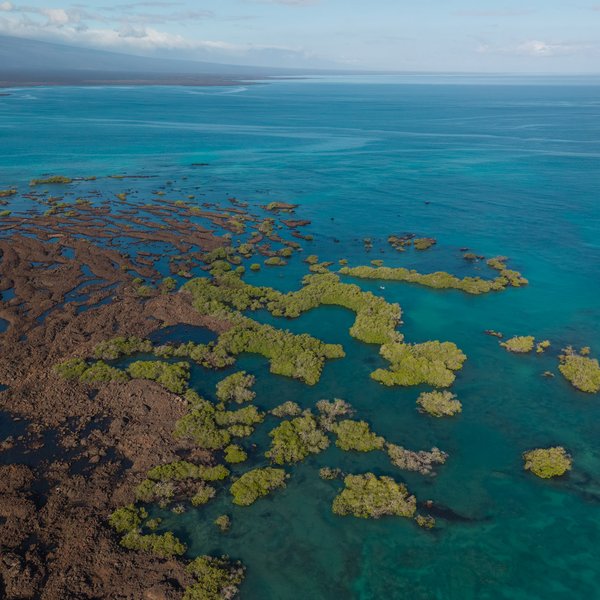
El Niño 2026 is transforming ocean conditions around Galápagos, with potential effects on food availability, reproduction, and survival across many species. Penguins, marine iguanas, sea lions, and corals are among the most vulnerable. Decades of scientific monitoring will help measure impacts and guide future conservation decisions across the archipelago effectively.
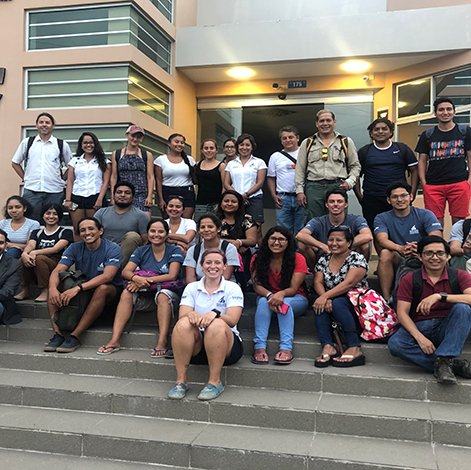
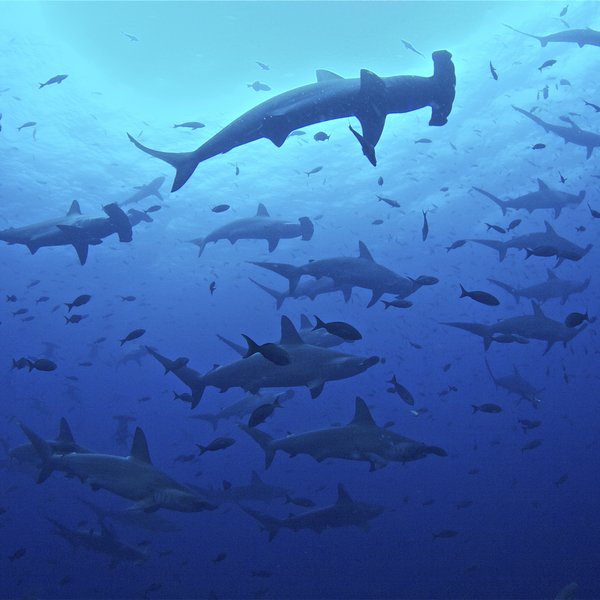
From the heart of the Galapagos, discover how science, community, and conservation unite to protect sharks, turtles, seabirds, and more. Explore the threats, the efforts, and how you can help safeguard our shared blue planet.
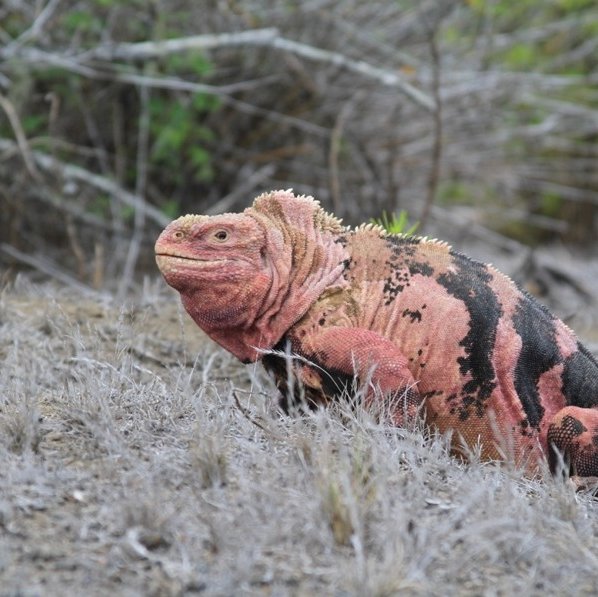
Scientists Discover a Novel Herpesvirus in Galapagos Pink Land Iguana
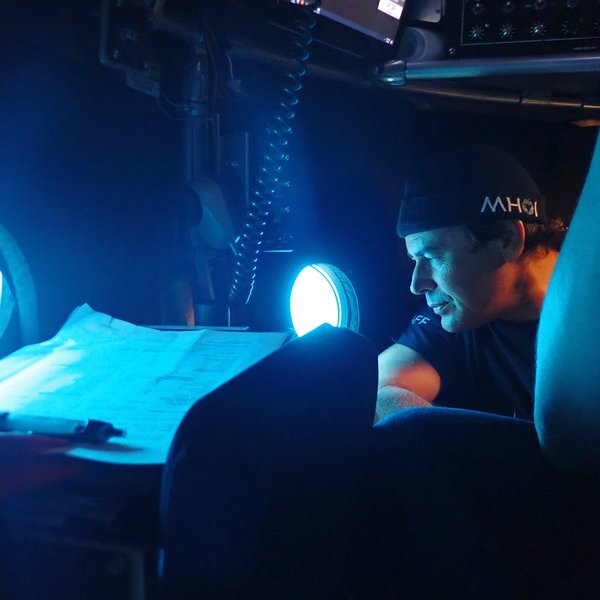
The Eastern Tropical Pacific conceals extraordinary, vast deep-ocean ecosystems, plunging from oceanic islands to depths of 3,800 meter, most of which remain largely unexplored, presenting real challenges for effective protection and management. Despite their significance, these ecosystems are poorly understood and subject to persistent threats, including overfishing, climate change, pollution, and the prospect for deep-sea mining.
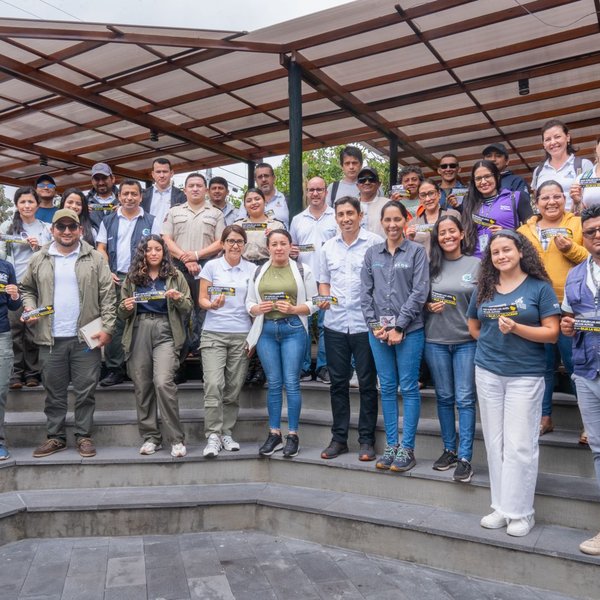
In a joint effort to protect the unique biodiversity of the islands, representatives from the public and private sectors, NGOs, transport cooperatives, and local governments gathered to understand the factors and solutions to reduce bird mortality on the roads of Galápagos caused by vehicles, the road connecting Puerto Ayora to the Itabaca Channel is of great importance as it passes through protected and productive areas of the island.
In a joint effort to protect the unique biodiversity of the islands, representatives from the public and private sectors, NGOs, transport cooperatives, and local governments gathered to understand the factors and solutions to reduce bird mortality on the roads of Galápagos caused by vehicles, the road connecting Puerto Ayora to the Itabaca Channel is of great importance as it passes through protected and productive areas of the island.