Results
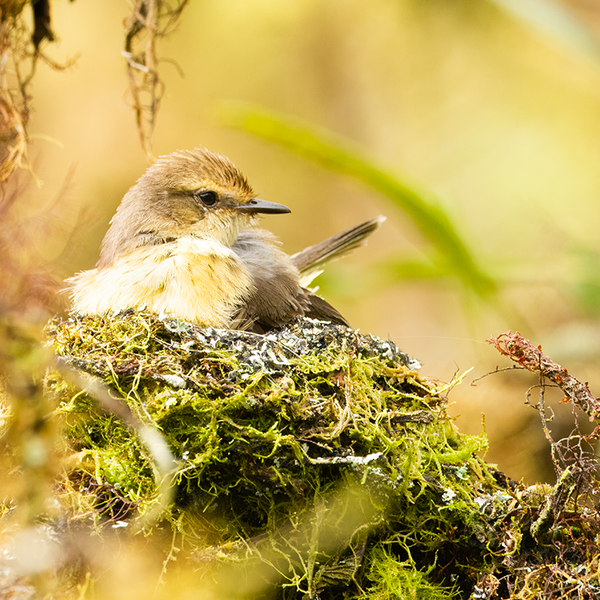
Record Year for Vermilion Flycatcher Season and Advances in the Recovery of the Mangrove Finch
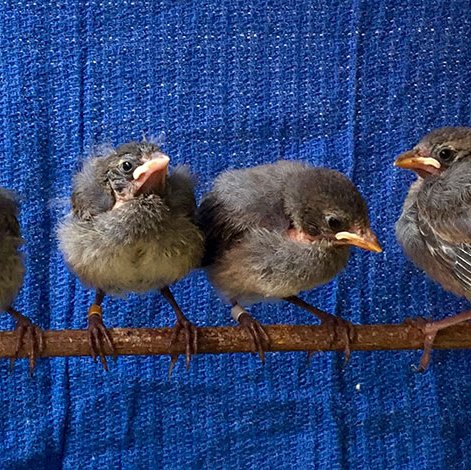
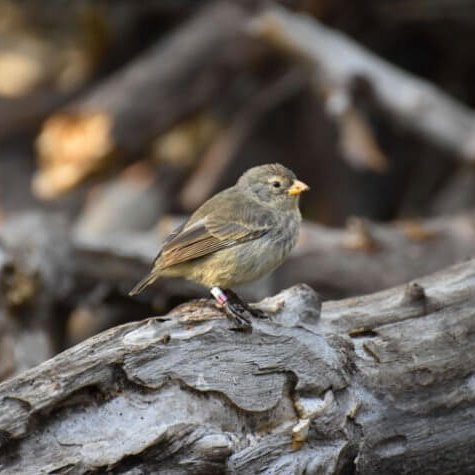
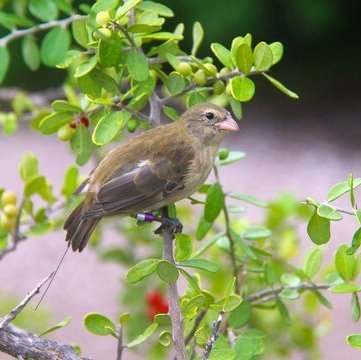
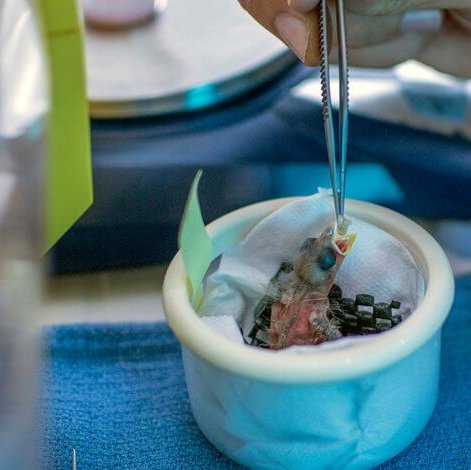
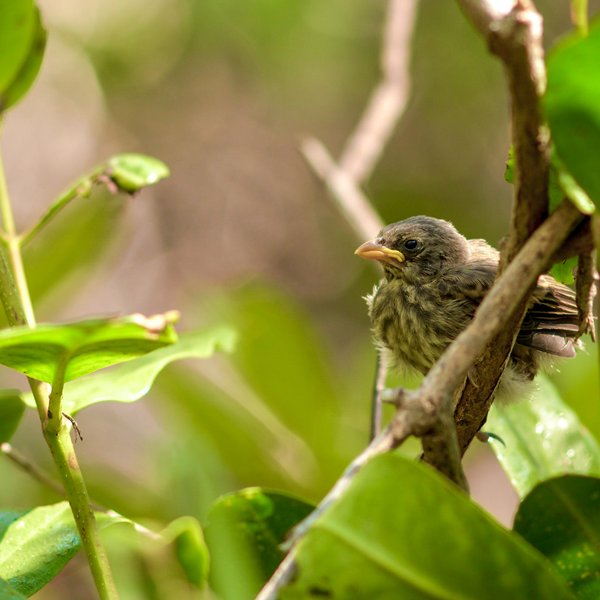
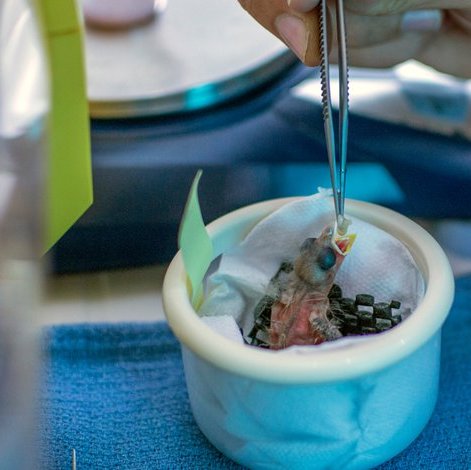
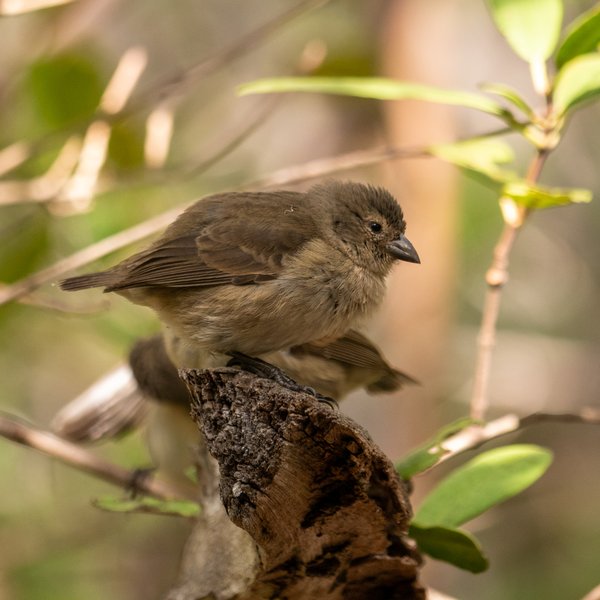
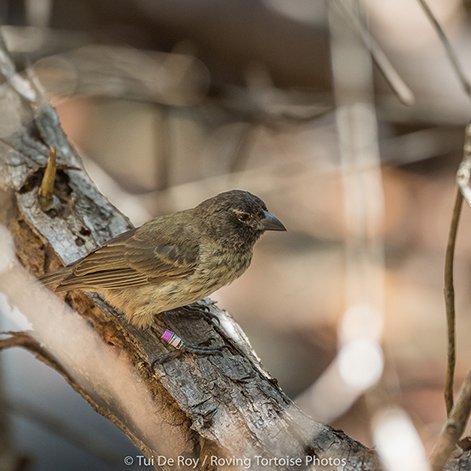
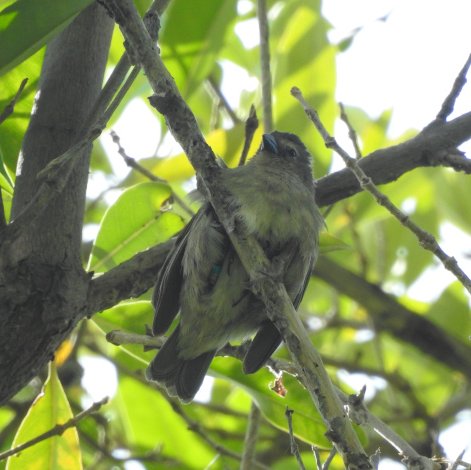
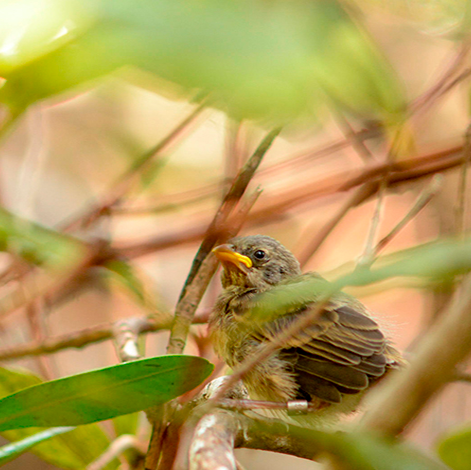
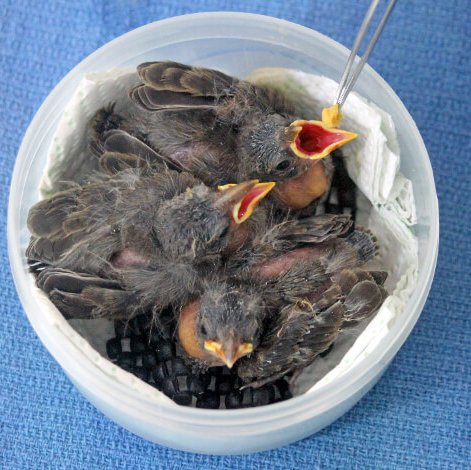
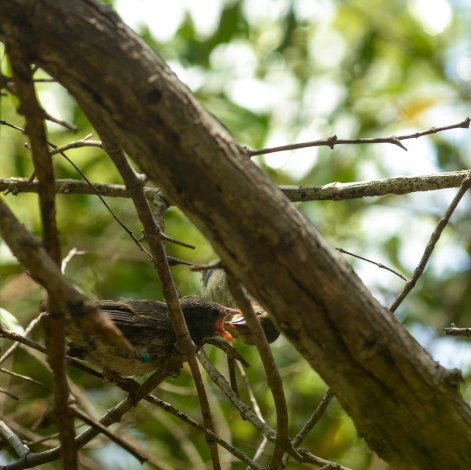
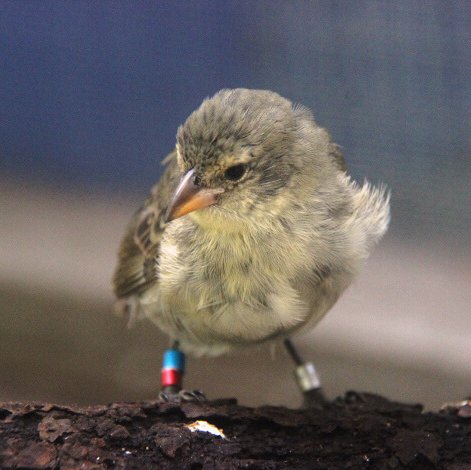
This year’s breeding season brought record success for the Little Vermilion Flycatcher with 39 fledglings, while the Critically Endangered Mangrove Finch continues to be a conservation priority. Discover how science, habitat restoration, and innovation are reshaping the future of Galápagos birds—and why this season marks a breakthrough in conservation.
Galápagos landbirds soar to new heights.
This year’s breeding season brought record success for the Little Vermilion Flycatcher and cautious hope for the Critically Endangered Mangrove Finch. Discover how science, habitat restoration, and innovation are reshaping the future of Galápagos birds—and why this season marks a breakthrough in conservation.
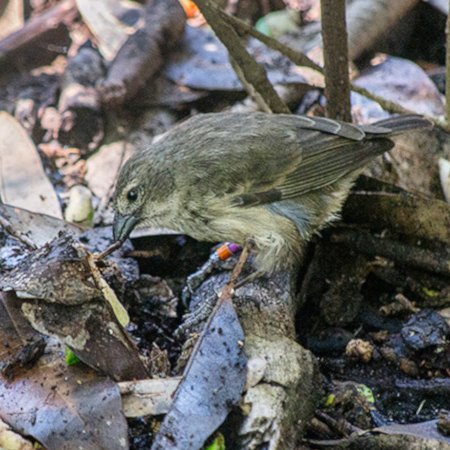
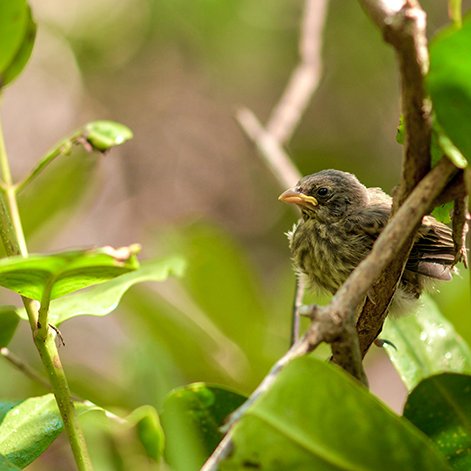
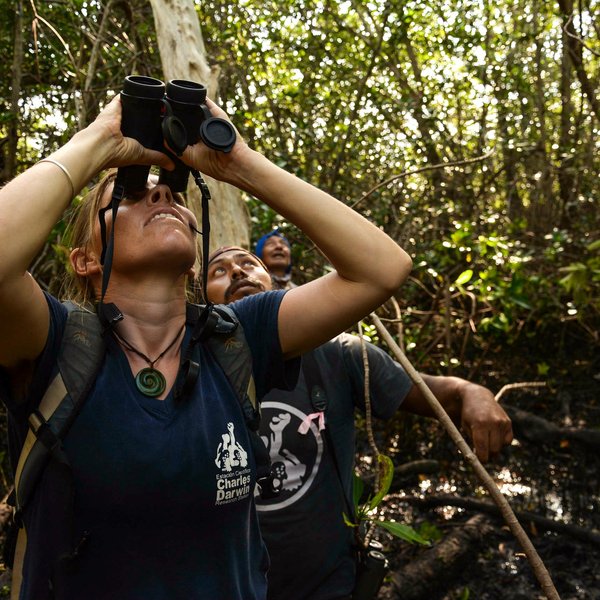
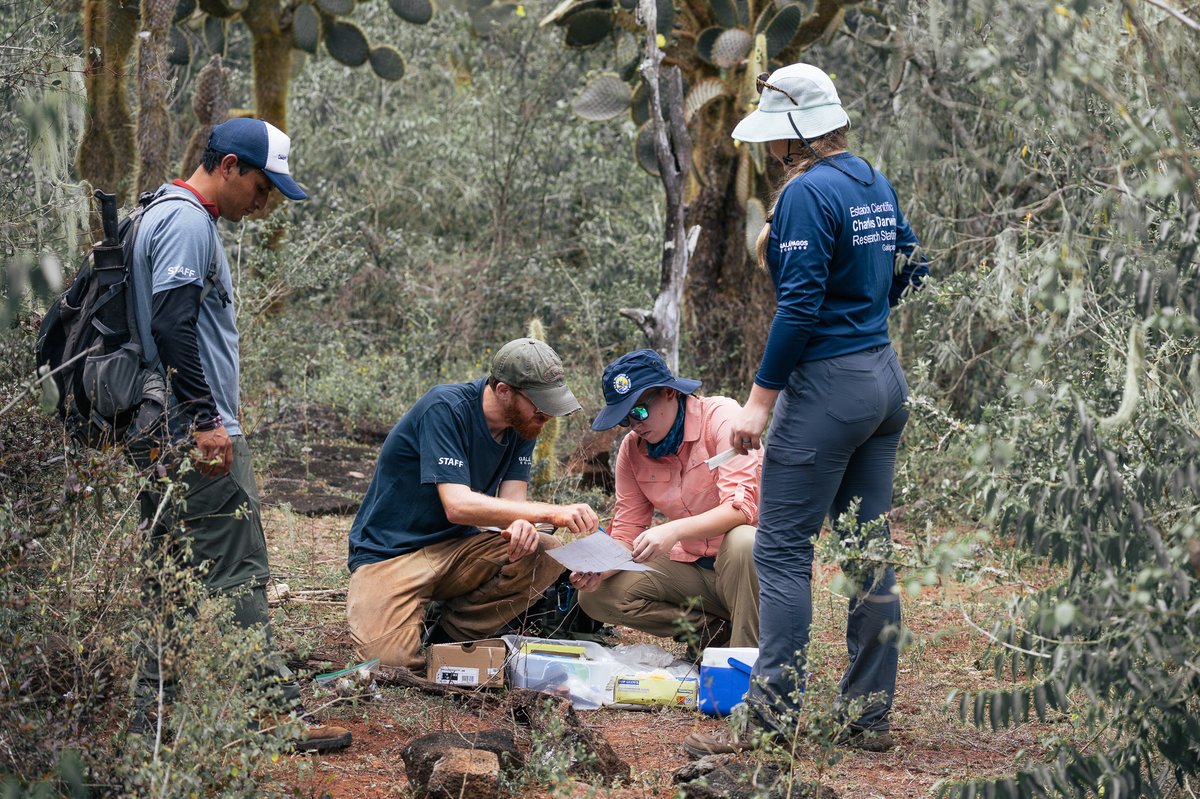
It is estimated that 20% of the populations of small landbirds found on the Galapagos Islands are declining or have gone locally extinct. Our scientists work to ensure the long-term conservation of small Galapagos landbird populations for the health of the islands’ ecosystems at large.
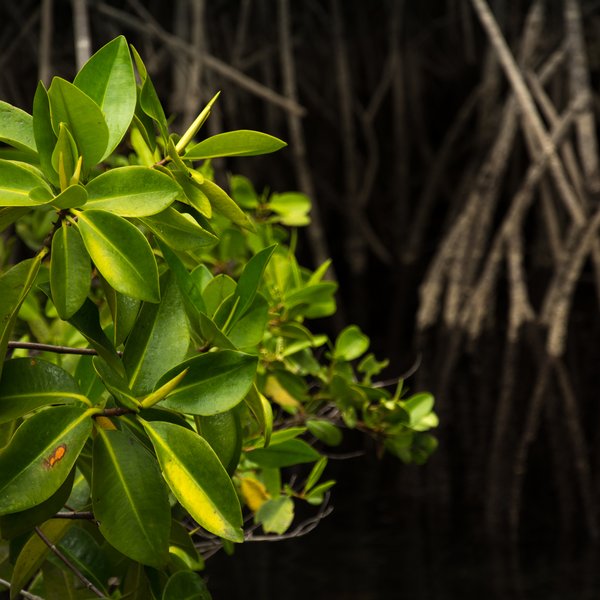
Mangroves in Galapagos provide important habitat for endemic and threatened species, offer essential ecosystem services like carbon sequestration, and support the well-being of local communities through tourism and fisheries. Despite their importance and pristine condition, these mangrove ecosystems and their potential for climate mitigation remain understudied.