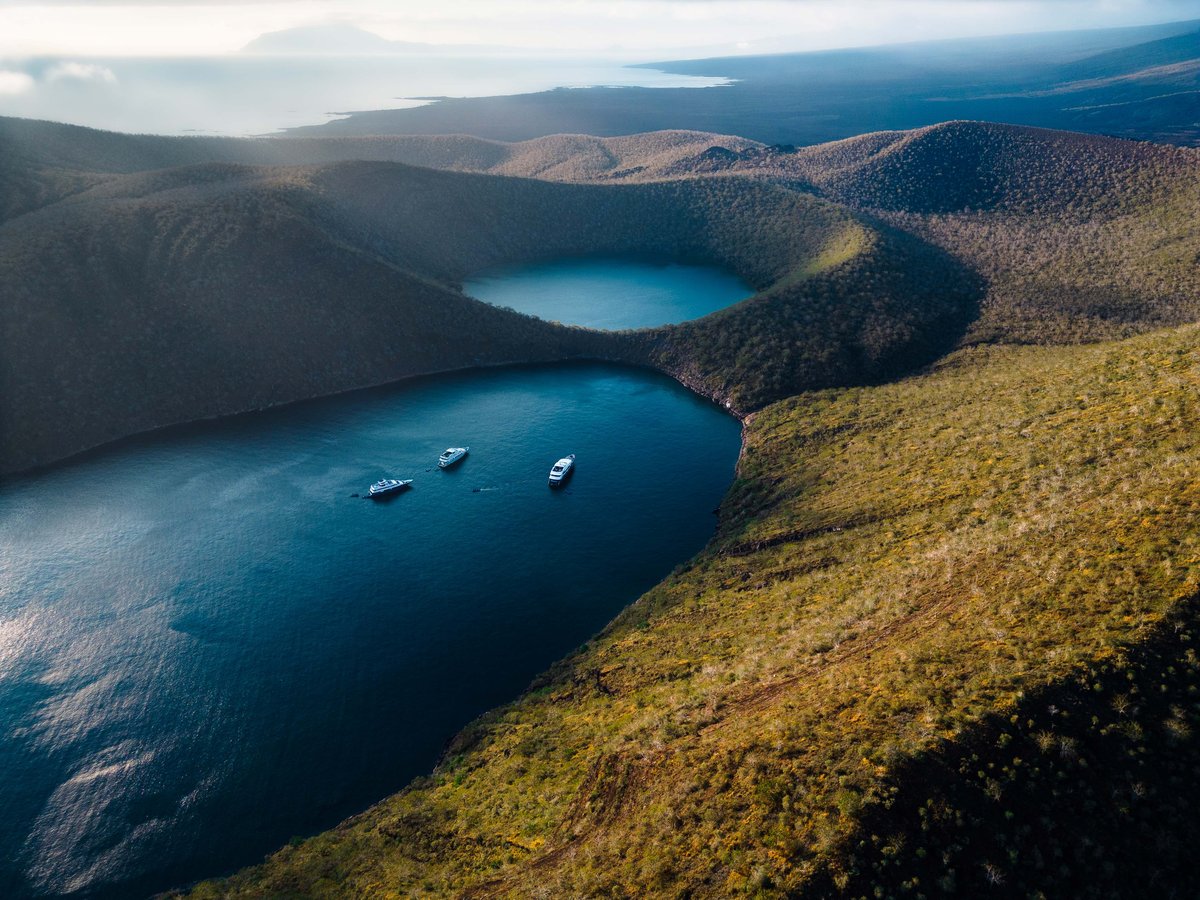
2026 Year End Campaign
El Niño can change Galapagos for decades.
El Niño is a cyclical but irregular ocean-atmosphere event. Warm water weakens the currents that feed Galapagos marine life, and rainfall patterns change, disrupting the food chain from sea to land. The 1982–83 and 1997–98 events left lasting damage, and the 2026-27 event may be as strong or stronger.
Changing conditions put the islands’ most vulnerable wildlife at risk. Urgent research is how we learn what is happening, and how we act in time.
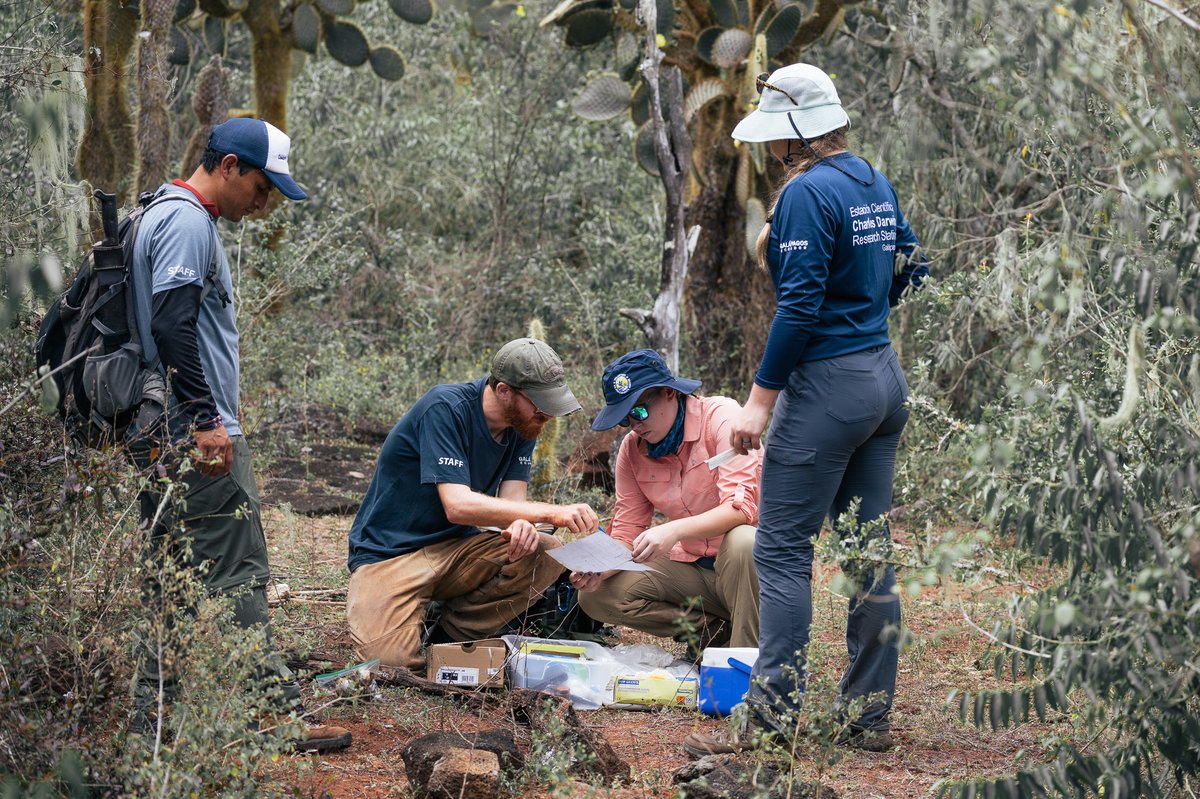
The Charles Darwin Research Station is where Galapagos science happens. Your gift keeps our researchers in the field and the water while the event unfolds, so the islands can be protected with evidence.
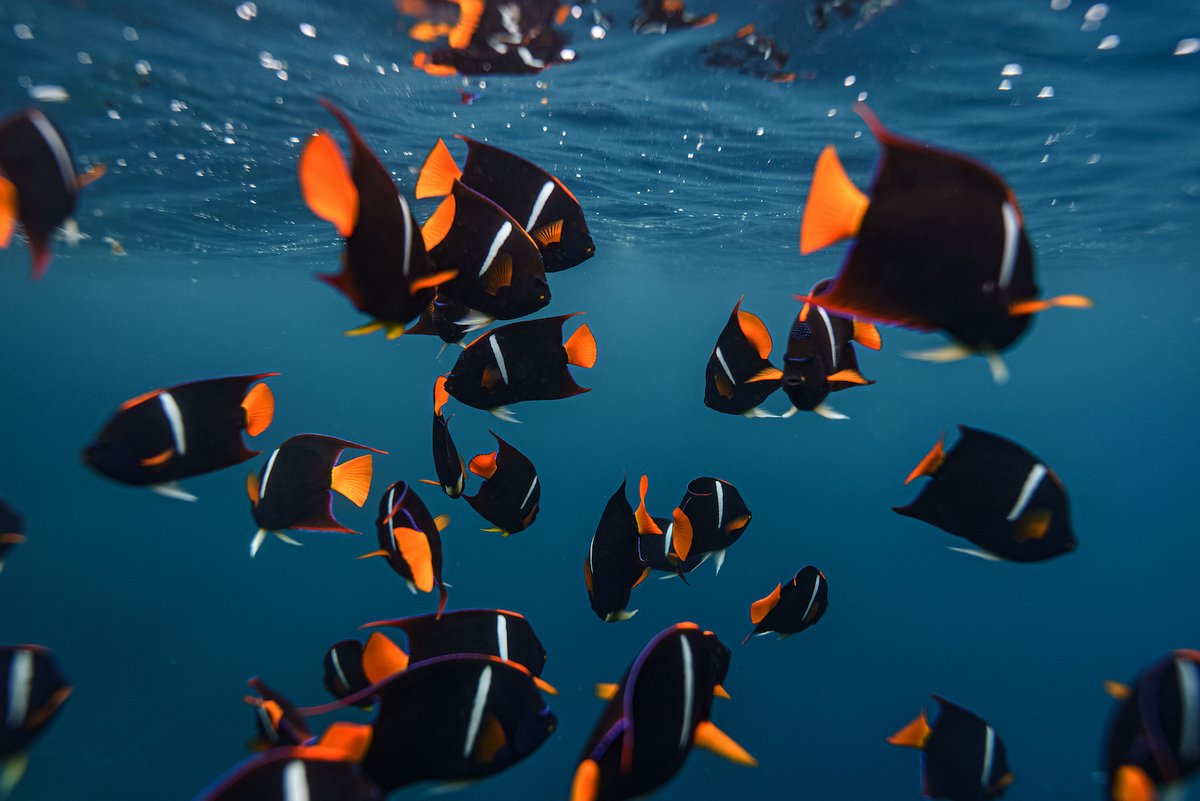
Hungry seas
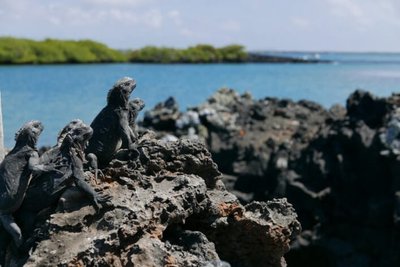
Warmer water cuts the food at the base of the ocean food chain. Marine species go hungry, with high mortality and low breeding success.
Stressed reefs

Billy Bensted-Smith
Warm water bleaches corals, partially or completely. In 1982–83, entire reefs died and never recovered.
Invasive surge
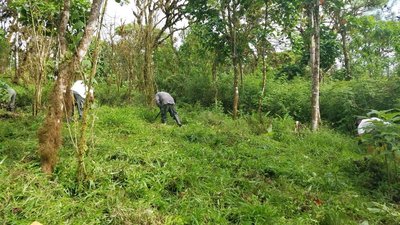
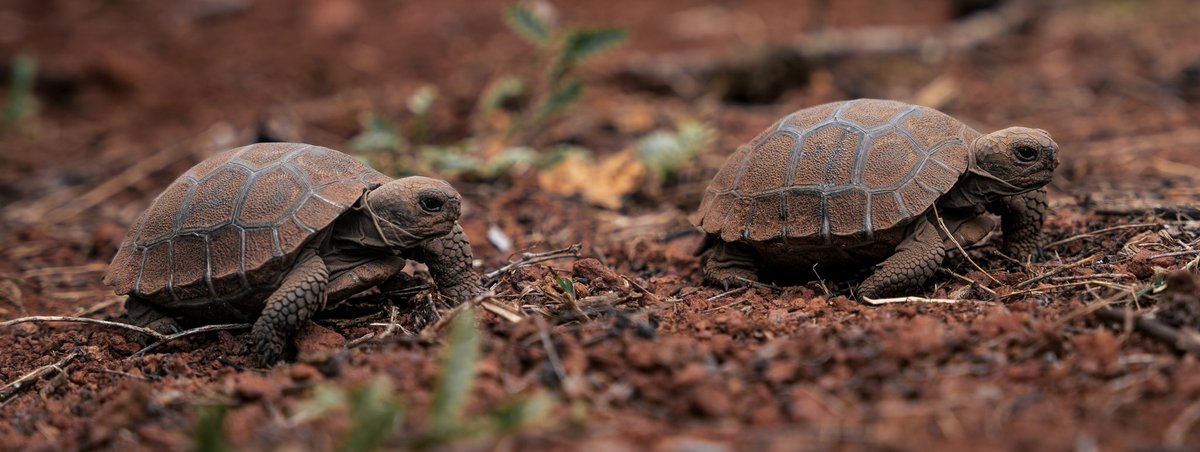
Heavier rains cause an unusual burst of plant growth. This can shift plant distributions and help new and invasive species settle in places they don’t normally reach.
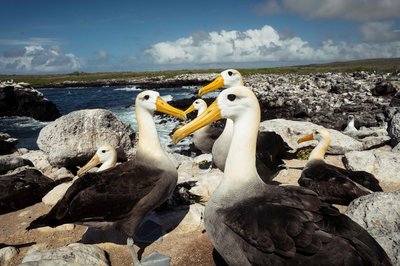
A race against time
Carlos Espinosa-CDF
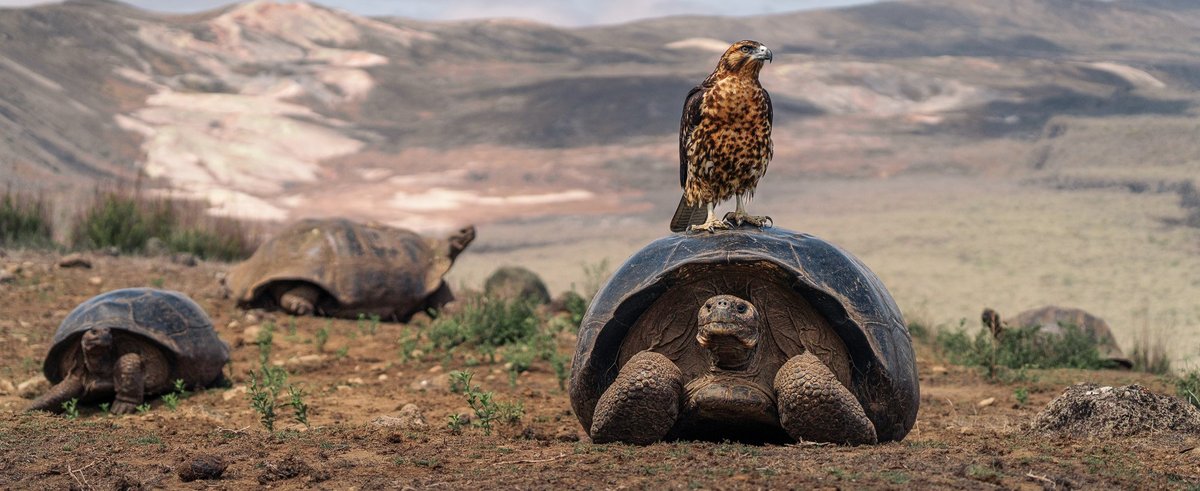
Some ecosystems take decades to recover, or never do. Research during the event is essential for threatened species like albatrosses and others.
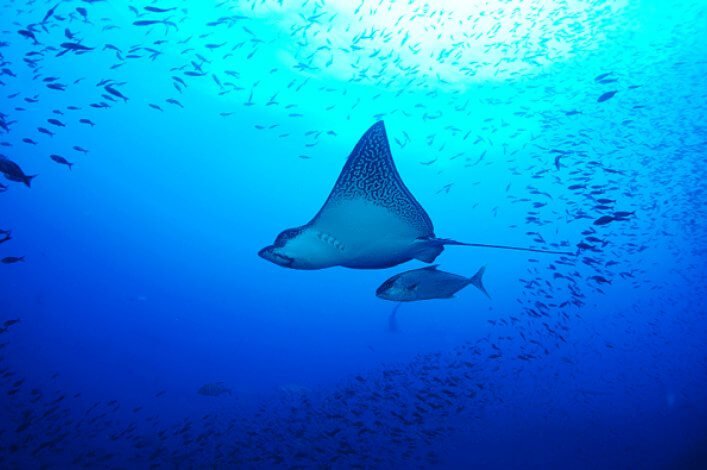
Research today shapes how we protect Galapagos tomorrow.
Our scientists track El Niño’s impact and turn their findings into recommendations and action to protect wildlife and ecosystems. Help keep them in the field.
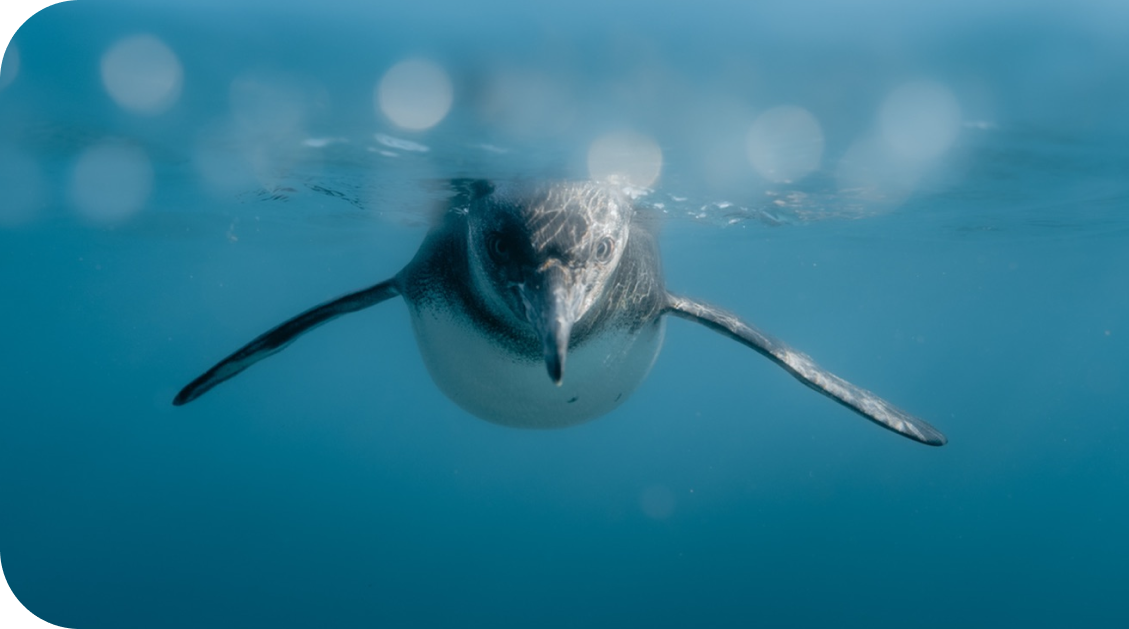
Your gift powers the research Galapagos needs during El Niño:
$25
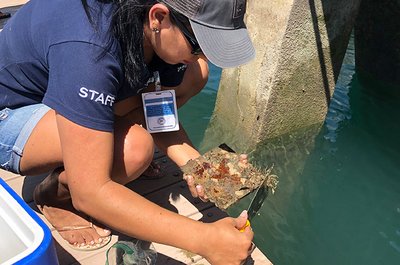
Gabriela Agurto, CENAIM
Waterproof field notebook and data sheets for marine research
Give Once
An immediate gift to fund urgent El Niño research.Join Wild Club
Monthly giving that sustains conservation all year, through El Niño and beyond.Adopt a Species
Support the wildlife you love by adopting a Galapagos species.Other Ways to Give
CHECK DONATIONS
If you are based in the U.S. and wish to make a donation via check, you can address it to the Friends of the Charles Darwin Foundation and send it to:
3630 Hill Boulevard, Suite 202, Jefferson Valley, NY 10535
STOCK DONATIONS
To gift stock, please refer to the following details:
- Charles Schwab
- DTC - 0164
- For the Benefit of
- Account number: 1148-5132
- Client's name: Friends of the Charles Darwin Fdn for the Galapagos Islands
- Client's mailing address: 3630 Hill Boulevard, Suite 202, Jefferson Valley, NY 10535
- Client's phone number: 914-769-5005
Please inform us at fundraising@fcdarwin.org.ec
GIVE THROUGH A DONOR ADVISED FUND
You can recommend a gift to the Friends of the Charles Darwin Foundation through your DAF portal.
Your advisor can also mail the grant with your name, contact information, and a check payable to the Friends of the Charles Darwin Foundation for the Galapagos Islands to the following address:
3630 Hill Boulevard, Suite 202, Jefferson Valley, NY 10535
Our tax identification number (EIN) is 86-2660112.
WIRE TRANSFER FROM THE U.S.
Tax-deductible donations for United States-based donors can also be made via wire transfer to the Friends of the Charles Darwin Foundation for the Galapagos Islands bank account in the U.S. If you would like to select this option, please contact us at fundraising@fcdarwin.org.ec
WIRE TRANSFER FROM ECUADOR
For donations from Ecuador, you can also make a direct transfer to our bank account with the Banco del Pacífico. If you would like to select this option, please contact us at fundraising@fcdarwin.org.ec
WIRE TRANSFER FROM OTHER COUNTRIES
Donations from other countries can also be received directly at the Charles Darwin Foundation’s bank account with Union Bancaire (UK) Limited. If you would like to select this option, please contact us at fundraising@fcdarwin.org.ec
Frequently Asked Questions
How does El Niño affect Galapagos, and why does research matter?
The Galapagos Islands sit in the heart of the Eastern Tropical Pacific, more than 1,000 km from the mainland coast. Their life and ecosystems are shaped by ocean currents, which makes the archipelago especially sensitive to El Niño, given the scale, intensity and duration of its effects.
The Charles Darwin Foundation has been the home of Galapagos science for almost seven decades. We have run long-term biological and ecological monitoring programs on land and at sea, at study sites that have stayed constant over time. This lets scientists compare conditions before, during and after an El Niño event. That record is an exceptional scientific reference worldwide for understanding long-term change.
How does research help protect Galapagos from El Niño?
Our scientists track what is happening on land and at sea, such as ocean temperatures, wildlife health, and where sharks and other animals are moving. Because we have monitored the same sites for decades, we can compare conditions before, during, and after an El Niño. We turn those findings into recommendations for protection, for example adaptive fisheries management to reduce sharks’ exposure to fishing. We share them with the Galapagos National Park Directorate so action is based on evidence.
Is my donation tax-deductible?
Yes, for U.S. donors. Friends of the Charles Darwin Foundation for the Galapagos Islands (FCDF) is a public charity under Section 501(c)(3) of the U.S. Internal Revenue Code (tax ID 86-2660112). Your gift is tax-deductible to the fullest extent allowed by law.
Where does my gift go?
Your gift goes where Galapagos science needs it most. It supports the Charles Darwin Foundation’s research and conservation work, including studying the impacts of events like El Niño, so scientists can respond quickly as conditions change.

Protect Galapagos, Impact the world
Science for Galapagos since 1959
Galapagos is a living laboratory the whole world learns from. The Charles Darwin Foundation operates the Charles Darwin Research Station, the scientific heart of the archipelago, and turns research into conservation action. Give today and help science meet this moment.