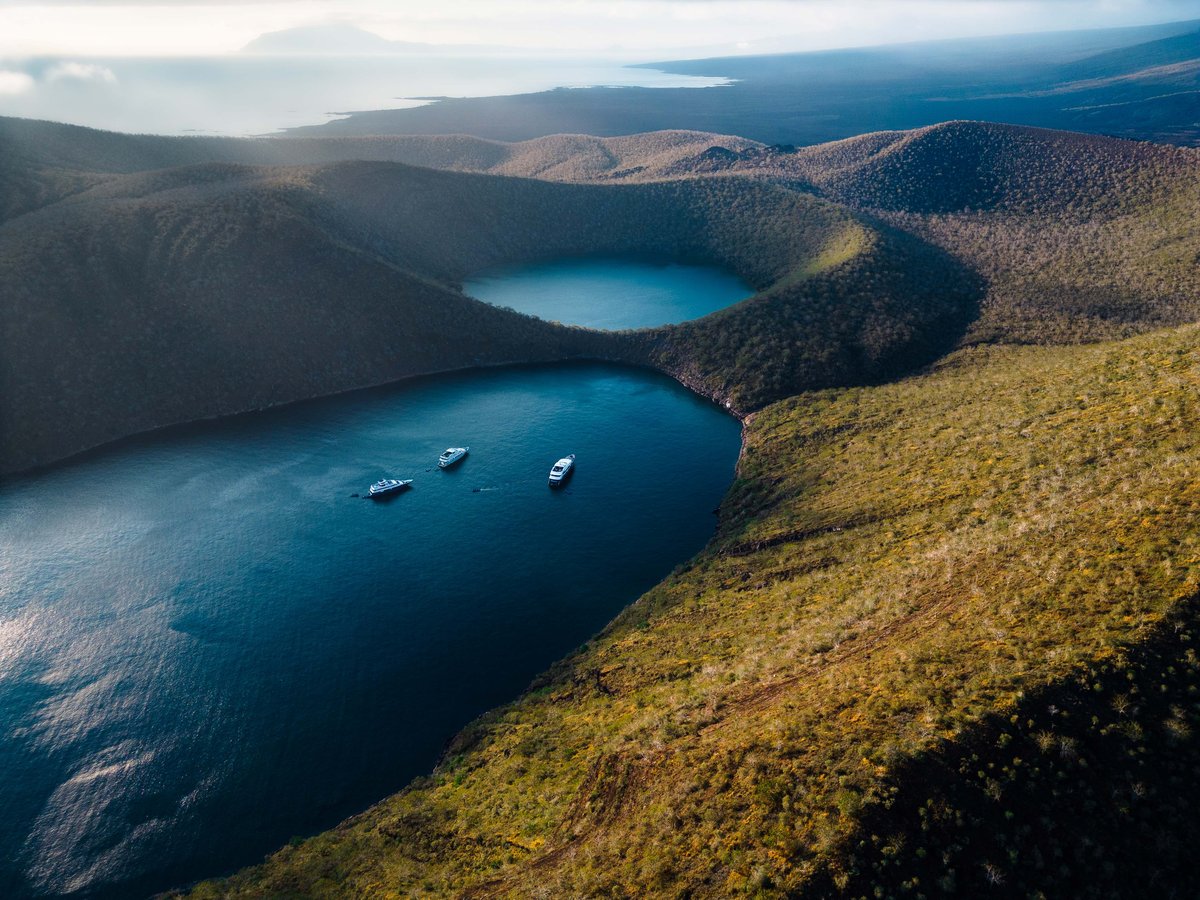
The Charles Darwin Foundation Opens its Doors to the Largest Scientific Heritage of Galapagos in Ecuador
For more than six decades, the scientific collections of Galápagos have been accessible only to researchers. Today, for the first time, this body of evidence is being opened to the public, offering a direct view into the science that informs conservation decisions.
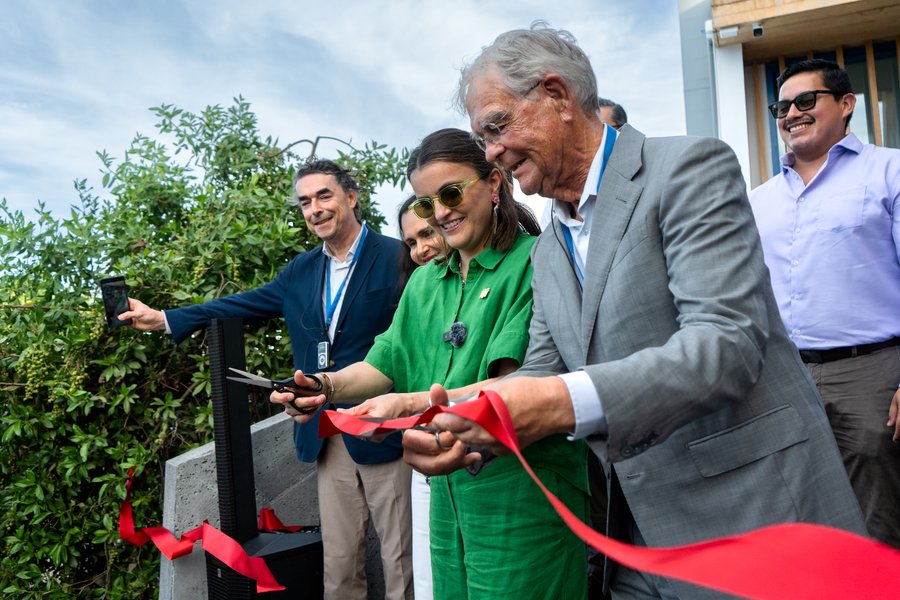
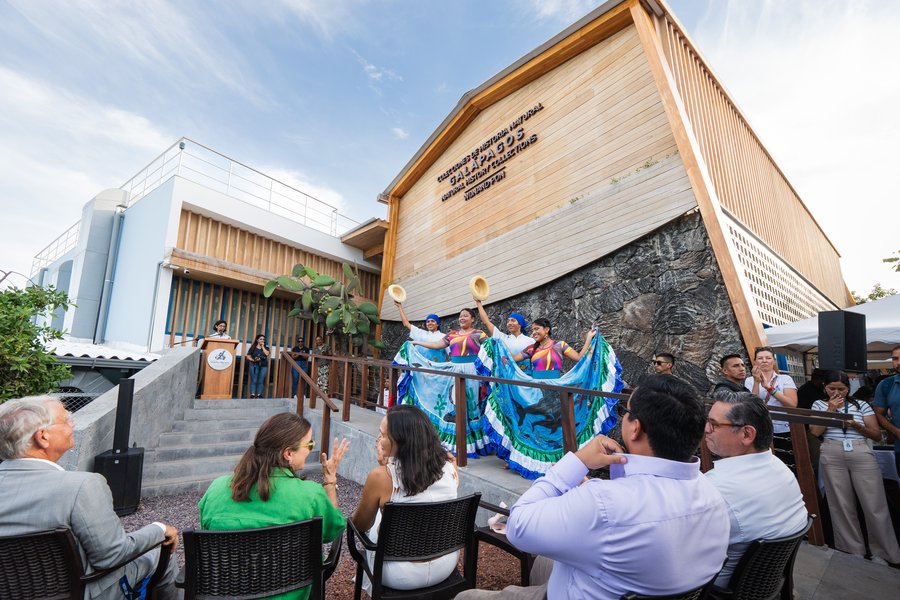
Puerto Ayora, Galapagos | February 12, 2026 – The Charles Darwin Foundation (CDF) today unveils its new Galapagos Natural History Collections facility, the “Wijnand Pon” building, to the public—an emblematic project that marks an unprecedented milestone for science, conservation, and Ecuador’s natural heritage. The building was financed by the Dutch philanthropist and founder of COmON Foundation, Mr. Wijnand Pon. The opening ceremony took place on the eve of Charles Darwin’s birthday, as a symbolic tribute to his scientific legacy and the mission that inspires the Foundation every day.
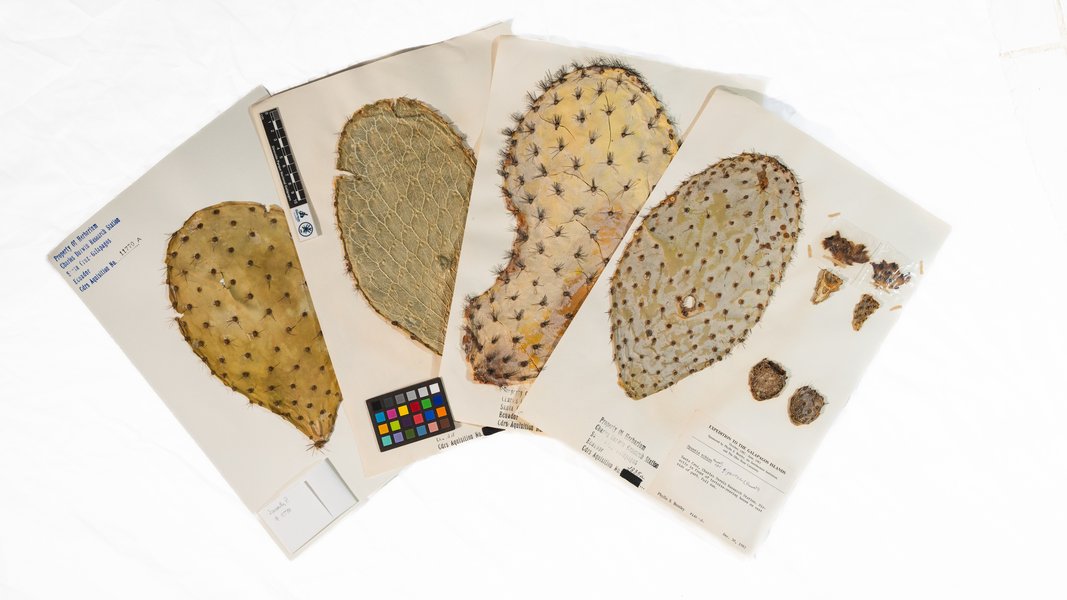
The new building is Ecuador’s first scientific facility dedicated exclusively to housing Galápagos’ largest scientific collection in the country, and the second most significant collection of its kind globally. It holds more than 137,000 specimens representing over 7,500 endemic, native, and introduced species from the archipelago—a living record of one of the planet’s most valuable ecosystems and our planet’s first UNESCO Natural World Heritage site.
Built up over more than six decades, these collections constitute Ecuador’s scientific heritage and a strategic tool for studies in species distributions, biodiversity, taxonomy, genetics, evolution, and speciation, supporting decision-making and the long-term conservation of the Galapagos National Park.
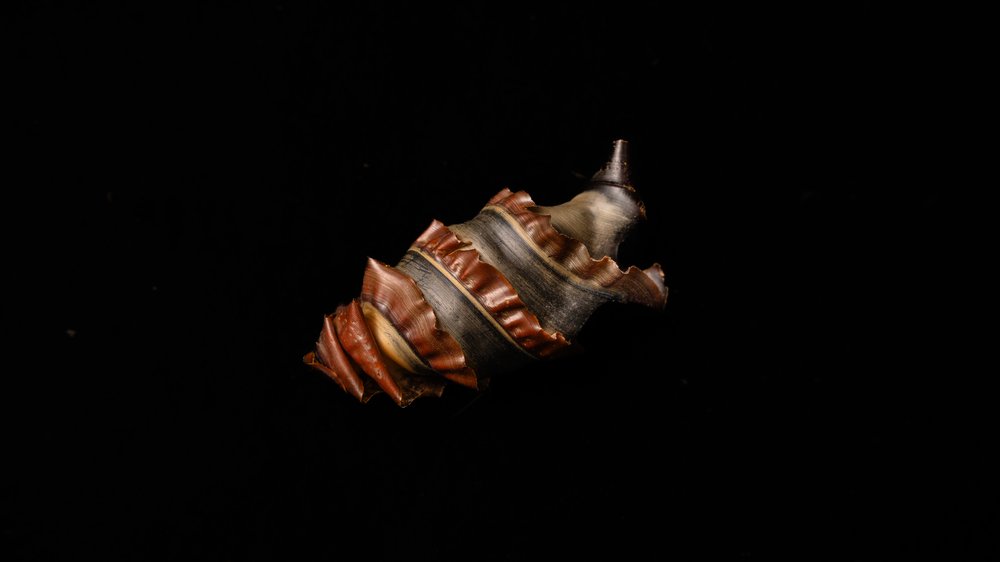
Nell Dethloff
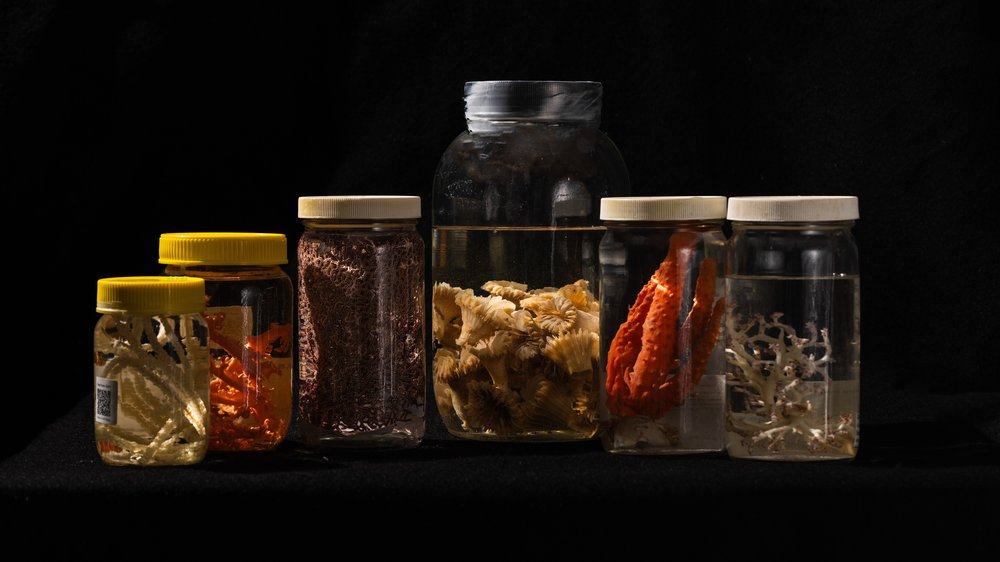
Walter Pisco
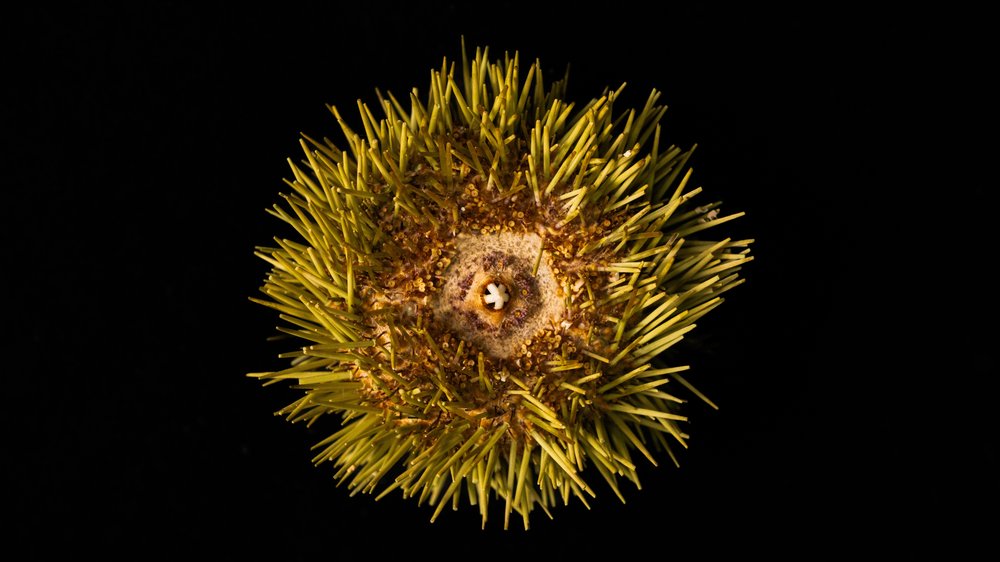
Nell Dethloff
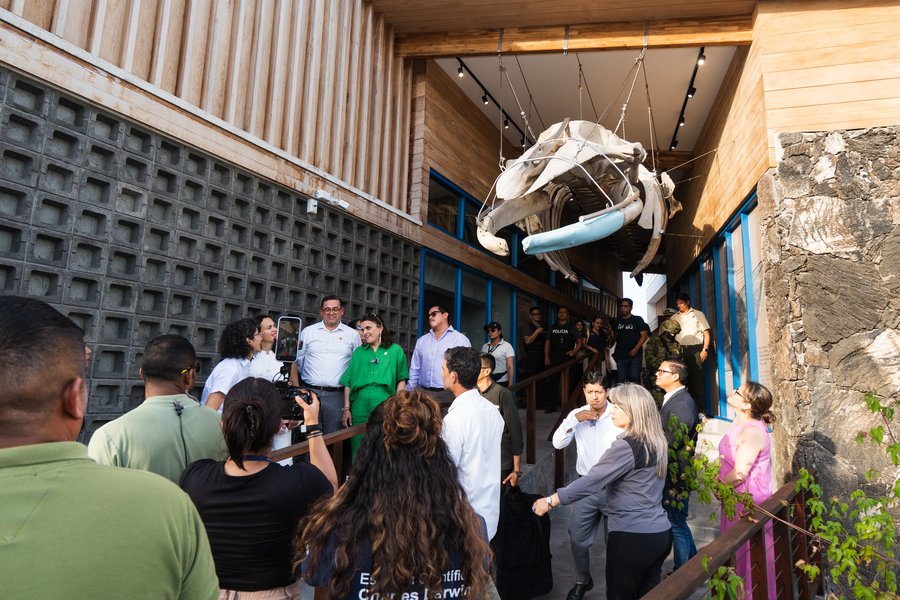
As of today, Galápagos residents and national and international visitors can access this scientific heritage free of charge through a public observation corridor at the Charles Darwin Research Station, offering a rare and intimate view into the science behind conservation in the archipelago.
The inauguration, held on the 11th of February, 2026 at the Charles Darwin Research Station was attended by national authorities, strategic partners, donors, and members of the local community. During the event, Ecuador’s Minister of Environment and Energy, Inés Manzano, stated:
“Galapagos is, without a doubt, one of the world’s most significant natural assets. Its extraordinary biodiversity requires respect, protection, and a sustained commitment to conservation. For this reason, the Government of Ecuador promotes research, education, and environmental awareness, regulating and supporting these efforts through operational permits for the stewardship of this natural heritage.”
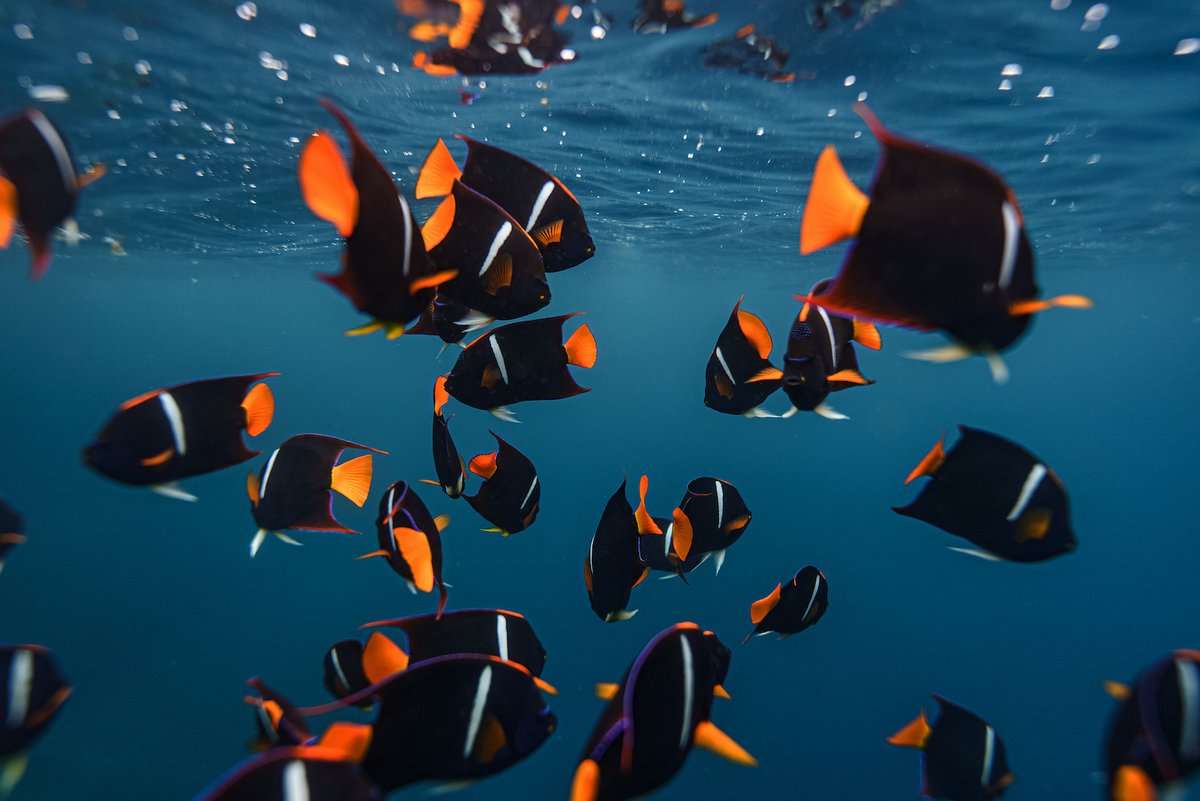
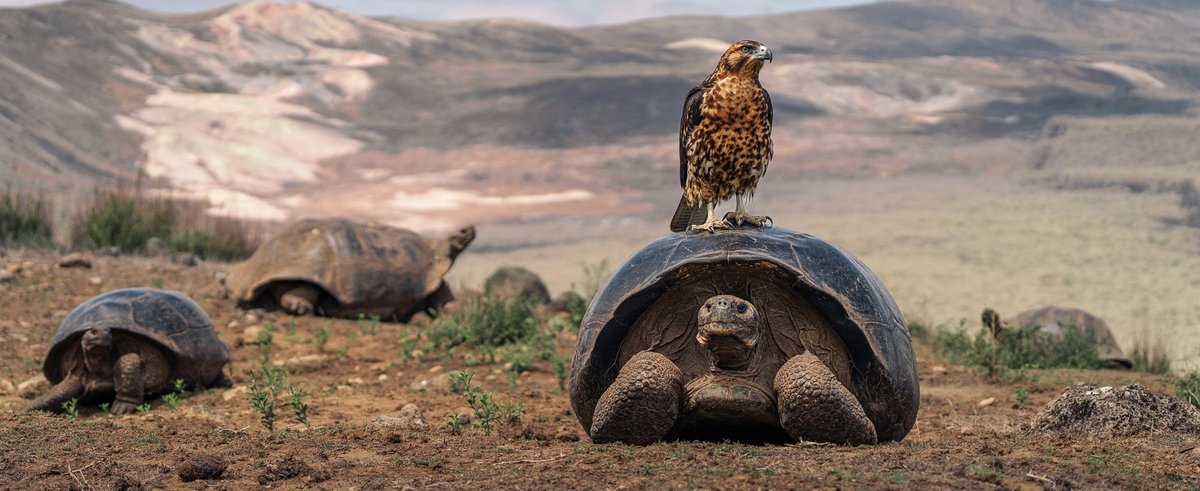
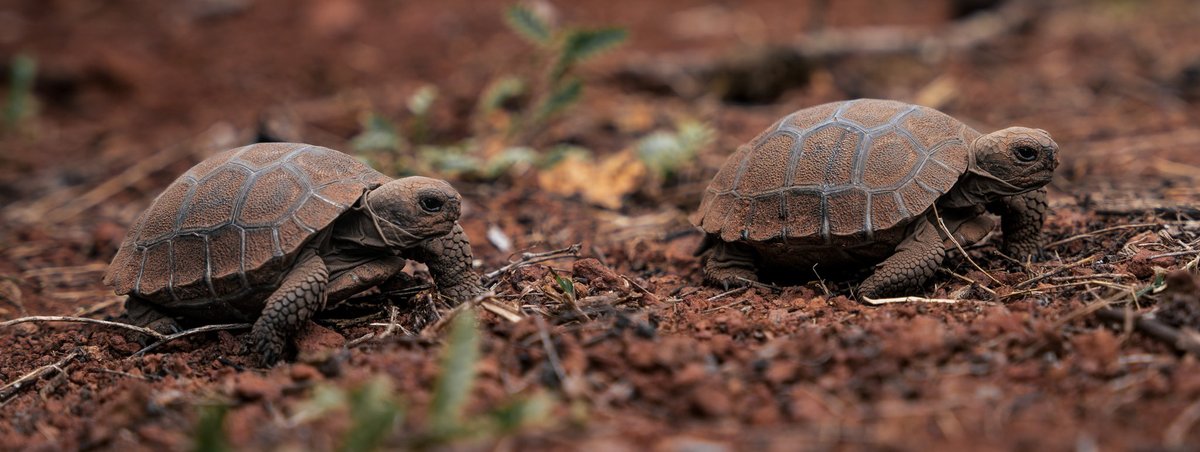
The scientific collections document both iconic species of the archipelago—such as Galápagos’ waved albatross, giant tortoises, and the flightless cormorant—as well as lesser-known endemics including snails, insects, plants, and fish found nowhere else on earth. They also contain critical early records of invasive species, including mice and rats, blackberry (Rubus niveus), and the Avian Vampire Fly (Philornis downsi), that today represent some of the most significant threats to the islands’ biodiversity.
“In Ecuador, biodiversity is not an abstract concept—it is part of our daily lives. It exists in the Galapagos Islands, in the Amazon Basin, in our coastal mangroves, and in the ancestral knowledge of our peoples and nationalities,” said María José Pinto, Vice President of the Republic of Ecuador.
The construction of this building was made possible thanks to the generous support of the COmON Foundation, the project’s principal donor and a long-standing strategic partner of the Charles Darwin Foundation and conservation efforts in Galápagos.
“Galapagos is an extraordinary place that I return to every year. It never ceases to amaze me,” said Wijnand Pon, founder and president of the COmON Foundation. “Its biodiversity is unique and, at the same time, very fragile. Scientific research is essential to understand and care for it properly. Supporting the largest scientific station in the archipelago, which is also a key partner to the Government of Ecuador, through this strategic project is, for me, a concrete way to contribute to the protection of Galapagos, with and for its community, today and for future generations.”
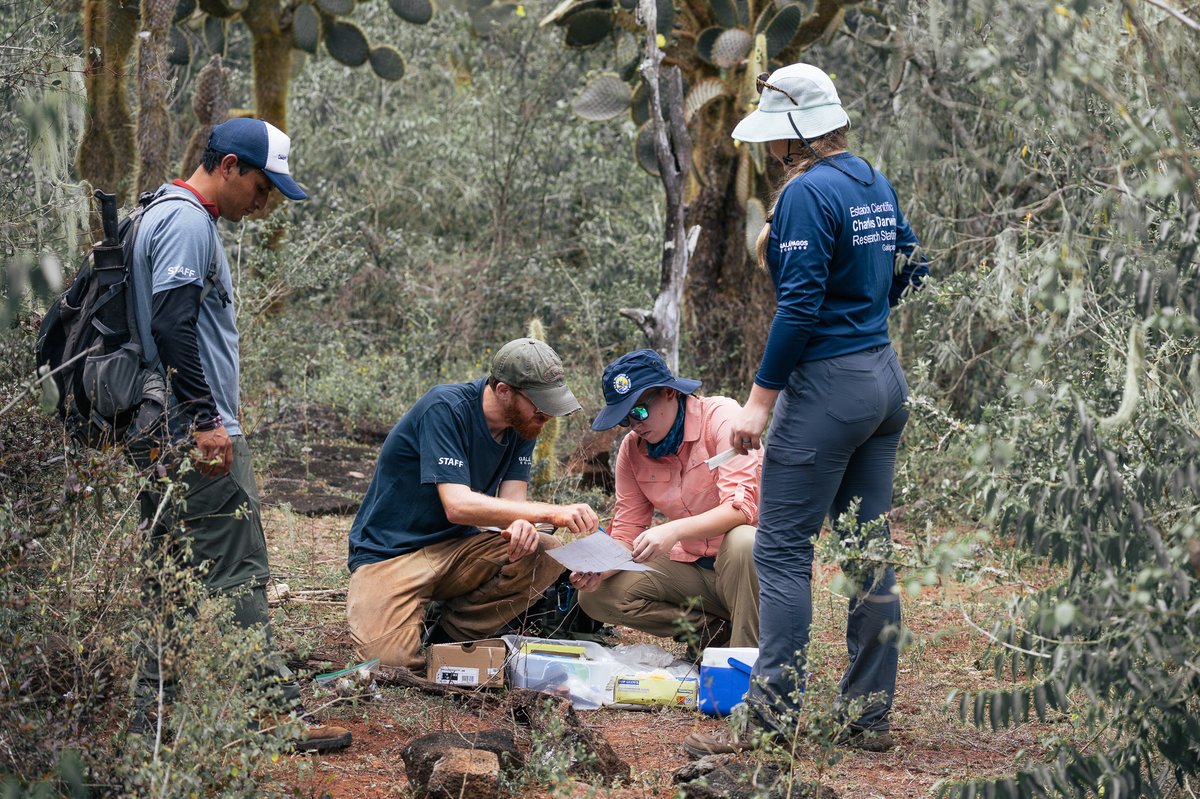
For more than 60 years, the Charles Darwin Foundation has safeguarded these collections on behalf of the Government of Ecuador, maintaining a long-term commitment to their preservation, continued development, and responsible access for the national and international scientific community.
“This new space represents far more than a modern building; it is a strategic investment in knowledge, science, and the future of Galápagos and Ecuador,” said Rakan Zahawi, Executive Director of the Charles Darwin Foundation. “It preserves invaluable information that will allow us to answer critical questions about biodiversity, evolution, and global change, linking the past, present, and future.”
With this milestone, the Charles Darwin Foundation reaffirms its commitment to protecting, studying, and sharing the natural heritage of Galápagos—one of the most biodiverse places on the planet—from Ecuador to the world.
Access to the Collections
Public access to the observation corridor is available daily, free of charge and without a guide, from 6:00 am to 6:00 pm, during Galápagos National Park visiting hours, via the Charles Darwin Research Station campus. Access to the interior of the collections is available exclusively to researchers and academics as part of their scientific work, as well as for donors through specialized visits.
- ENDS -
For press inquiries, please contact:
Ambre Tanty-Lamothe, Daniela Ibarra
comunicacion@fcdarwin.org.ec
About the Charles Darwin Foundation
The Charles Darwin Foundation for the Galapagos Islands (CDF) is an international non-profit organization that has operated in Galápagos since 1959 under a special agreement with the Government of Ecuador. Its mission, and that of its Research Station, is to address the greatest threats and challenges facing Galapagos through scientific research and conservation action, in order to protect one of the world’s most important natural treasures. Currently, CDF supports more than 25 research, conservation, and education projects on land and at sea, and is the custodian of more than 137,000 specimens in its Natural History Collections. Its diverse team of more than 140 scientists, educators, and support staff is composed primarily of Ecuadorian citizens, with more than 60% from Galapagos.
For more information, visit: www.darwinfoundation.org