
What eating local means for conservation
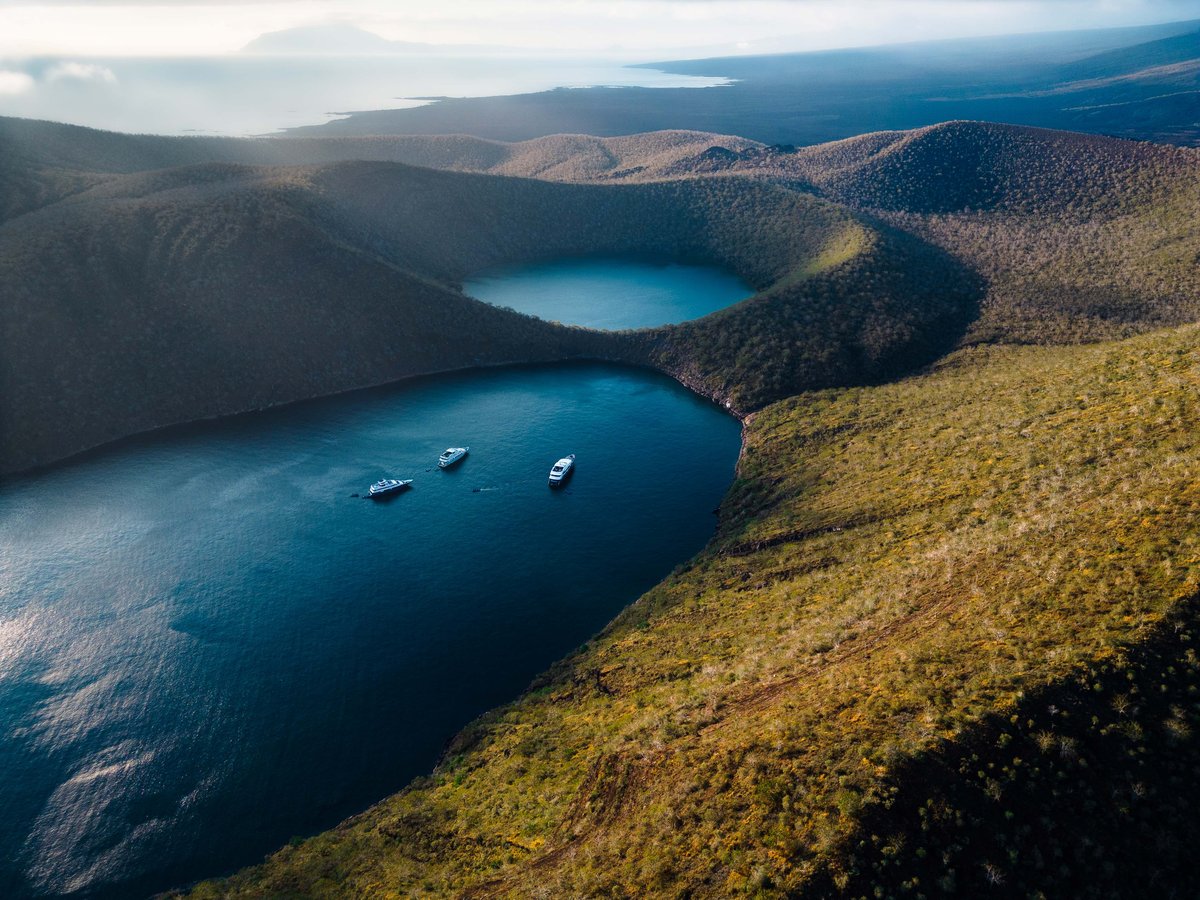
In Galápagos, three out of every four food items come from mainland Ecuador. That dependence is the Achilles’ heel of the archipelago’s sustainability. It drives up the cost of living, leaves families exposed to supply disruptions of any kind and, above all, opens the door to invasive species, the greatest threat to a biodiversity found nowhere else on the planet.
Mara Speece CDF
Carlos Espinosa CDF
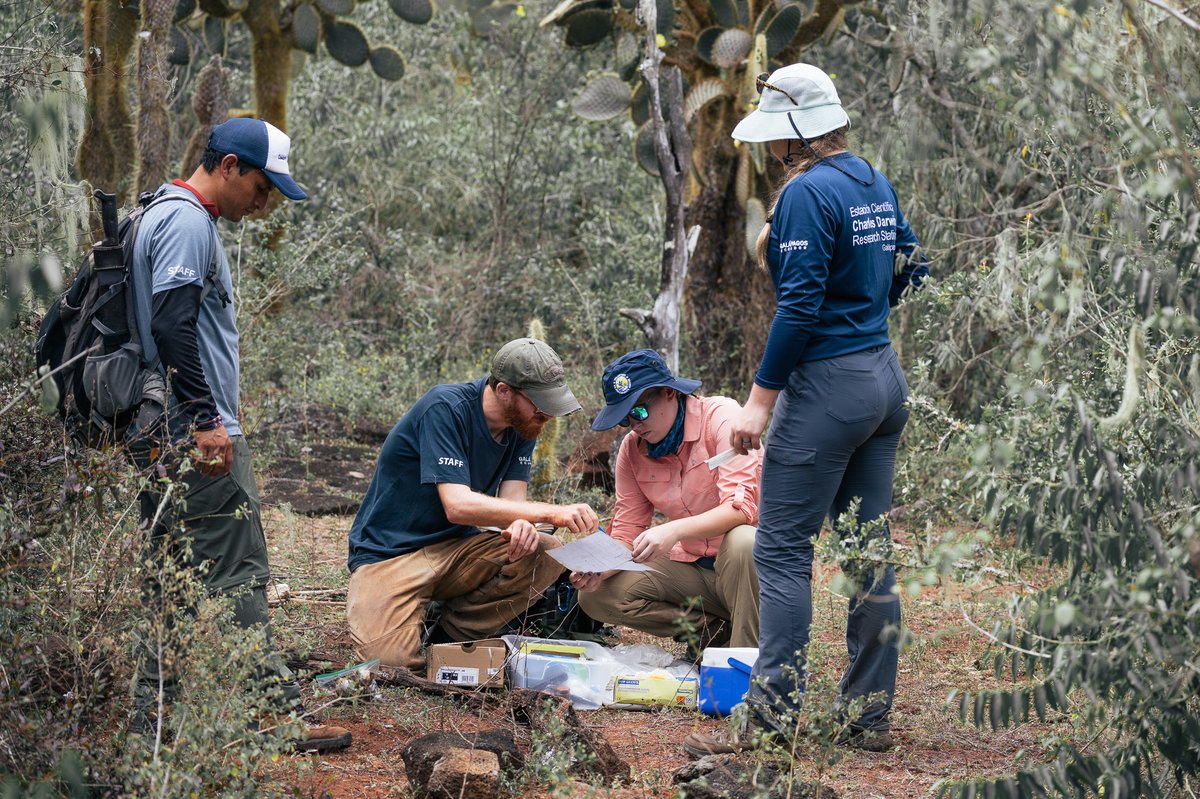
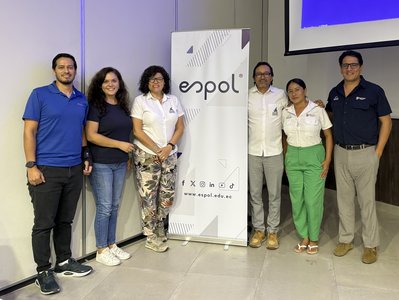
Science from the Charles Darwin Foundation (CDF) shows that an active farm, well-managed small-scale fisheries and consumers who choose local products are real conservation tools. CDF researchers presented this evidence at the 5th Permanent Research Seminar on Territories, Interculturality, Rurality, Environment and Food (SEPI), held in Guayaquil from October 5 to 7.
For years, agriculture, fisheries and conservation have been seen as rivals competing for the same territory. Andrea Muñoz Barriga, a CDF researcher, proposes analyzing their synergies and tensions together, because in Galápagos each one depends on the other. Her work therefore cuts across disciplines and brings scientists, producers, authorities and business owners together around a shared problem.
Juan Manuel García
A sea that feeds, drives enterprise and stays sustainable
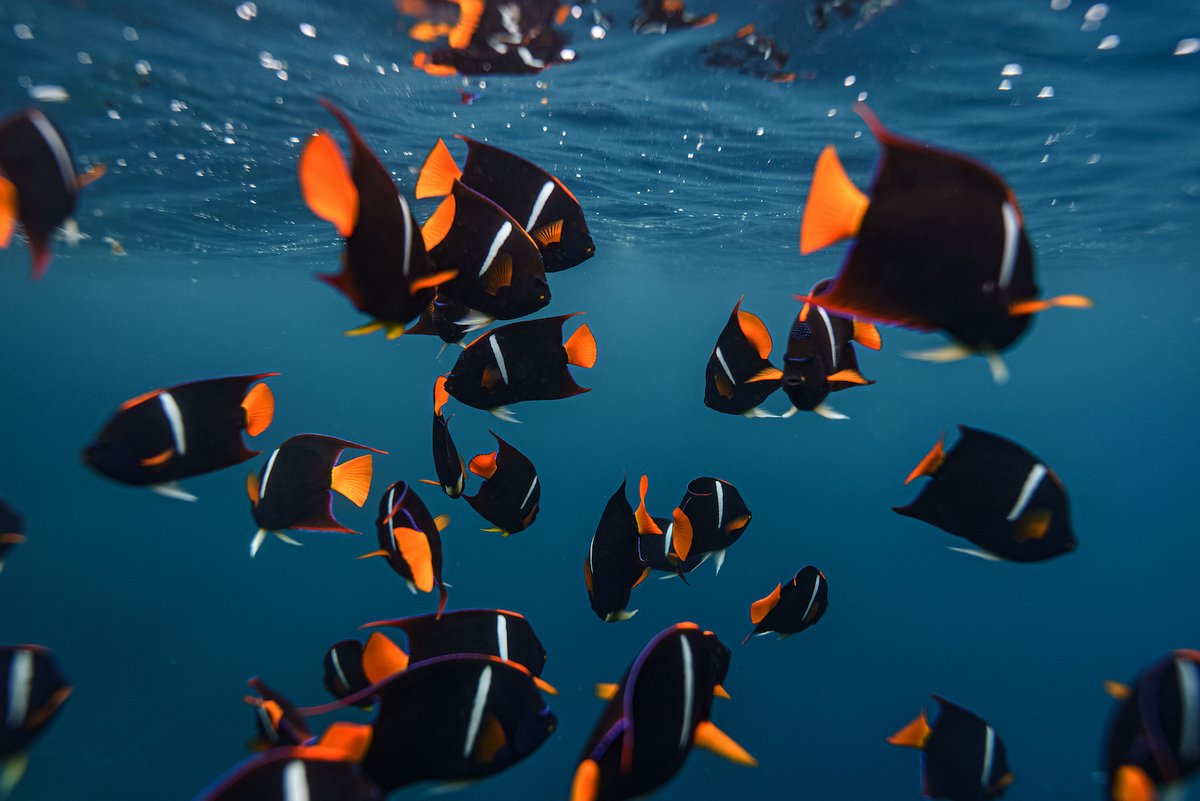
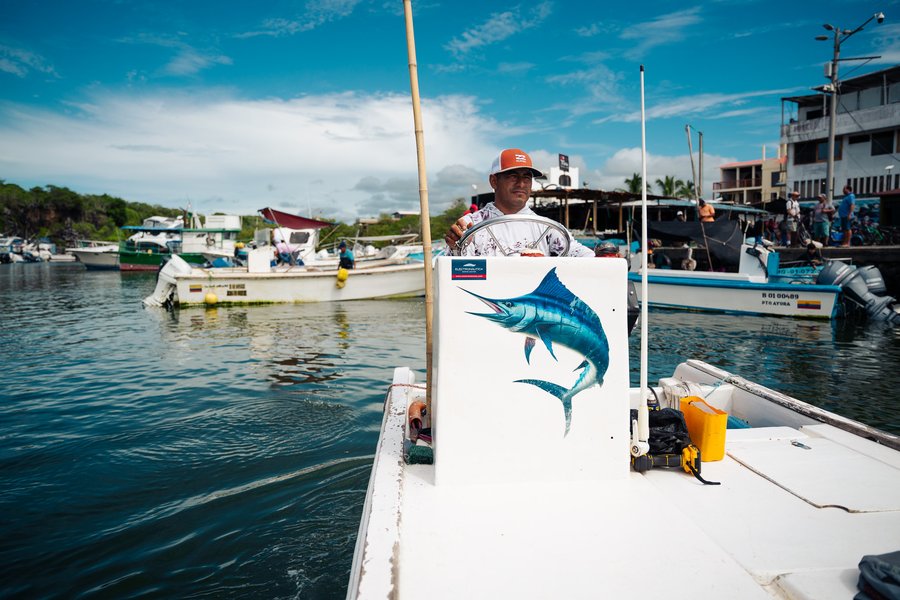
Jorge Ramírez, a CDF researcher, presented an international study on the contribution of small-scale fisheries to food security. The results highlight the importance of a sector that kept residents and tourists supplied during the pandemic, even though much of the catch was being exported. Caring for the sea, therefore, also means putting food on island families’ tables. Prioritizing local fish consumption strengthens people’s diets and eases pressure on fish populations.
In 2021, the Entrepreneurship Community was born, starting with five businesses and now bringing together more than 25. EmprendeMar, its counterpart, incubates ideas and offers lower-risk financing. The result is a group of businesses with economic, environmental and social returns that reduce dependence on the mainland and offer a model that can be replicated along the Ecuadorian coast. The initiative was presented by CDF’s Félix Burgos.
Farmland, the front line against invasive species
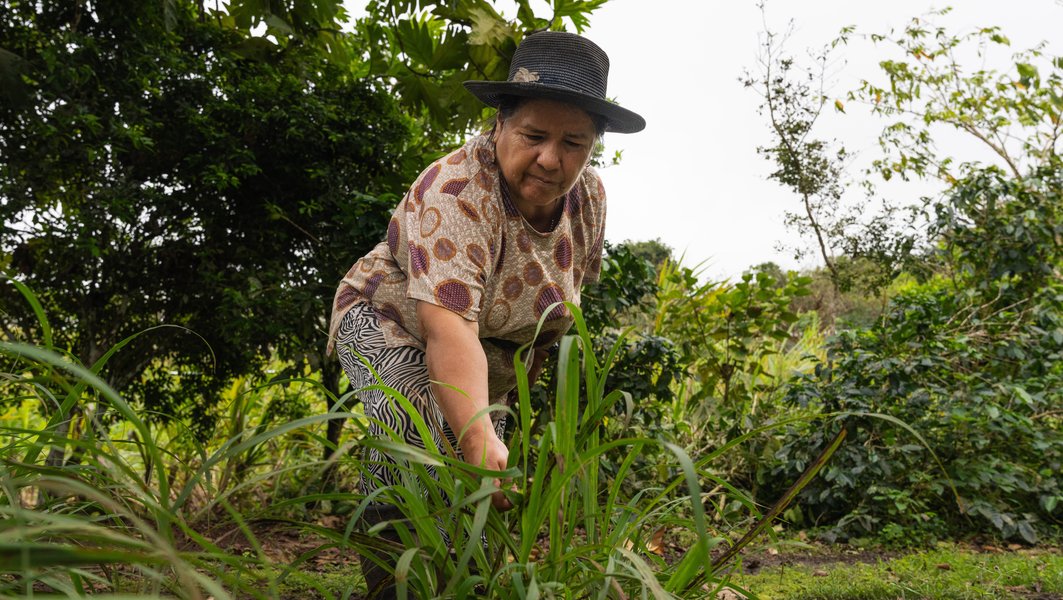
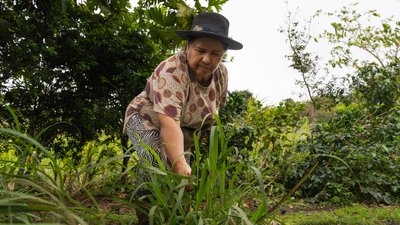
Evidence from the agricultural sector points in the same direction. A study by Carolina Sampedro (USFQ) of 196 farms on Santa Cruz, San Cristóbal and Isabela concludes that keeping farming and livestock active is key, because wherever land is abandoned, invasive species advance. In addition, according to studies by Lorena Benítez (USFQ–KU Leuven), farmland covers just 3.2% of the archipelago, yet it is the frontier between human activity and endemic ecosystems, and an increasingly variable climate is putting it under pressure.
Solutions exist. According to Tania Guamanquishpe (Heifer Foundation), 27 farming families on San Cristóbal took part in an action research process that designed, validated and documented agroecological practices to reduce and replace agrochemicals. Integrated pest management combined local and scientific knowledge, using pheromone traps, color bands, crop management and constant monitoring.
The results are measurable. In coffee, 25 traps per hectare and integrated management markedly reduced the coffee berry borer. In maize, up to 12 weekly captures per trap showed that the fall armyworm was under control, and in tomato, between 20 and 60 traps per hectare reduced infestations from the third week of cultivation. With 350 hectares recovered, the model shows that producing with fewer agrochemicals is possible, replicable and key to protecting the natural heritage of Galápagos.
Mara Speece CDF
Local consumption in restaurants
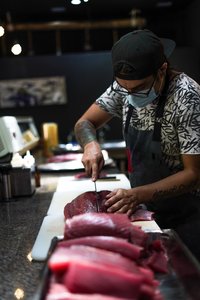
Restaurants are an understudied link in the food system, even though their purchases shape what residents and tourists eat. Andrea Muñoz Barriga (CDF) and Jie Quan Tan (University of Edinburgh) surveyed 31 restaurant owners and managers in Puerto Ayora about how they perceive local production compared with imported products.
The analysis identified five profiles. Market-sensitive local advocates buy island products because their customers ask for them; quality-oriented local supporters prefer them, especially chicken and other meats; environmentally minded pragmatists worry about the impact of imports but run up against practical barriers; and local product champions call for certification, promotion and government incentives. Only the skeptical pragmatists doubt the advantages of local products because of cost and quality. The study also warns that, without public policies that attract young people to farming and fishing, local production will keep falling and dependence on imports will grow.
Local production is the key to sustainability in Galápagos
The sustainability of Galápagos is decided on the plate. A productive farm is a barrier against invasive species. Small-scale fisheries with proper infrastructure and fair markets feed families without depleting the sea. A restaurant that buys local reduces the cargo arriving from the mainland and, with it, the risk of new species being introduced.
Science shows that conservation and development are not opposing forces. The challenge now is to turn this evidence into public policy, incentives for producers and consumer choices. Islands that depend on both their nature and their people have no other path than eating local. In Galápagos, this is another way to protect the archipelago.
Félix Burgos CDF