
When Observation Became Knowledge
The California Academy of Sciences Expedition to the Galapagos (1905–1906)
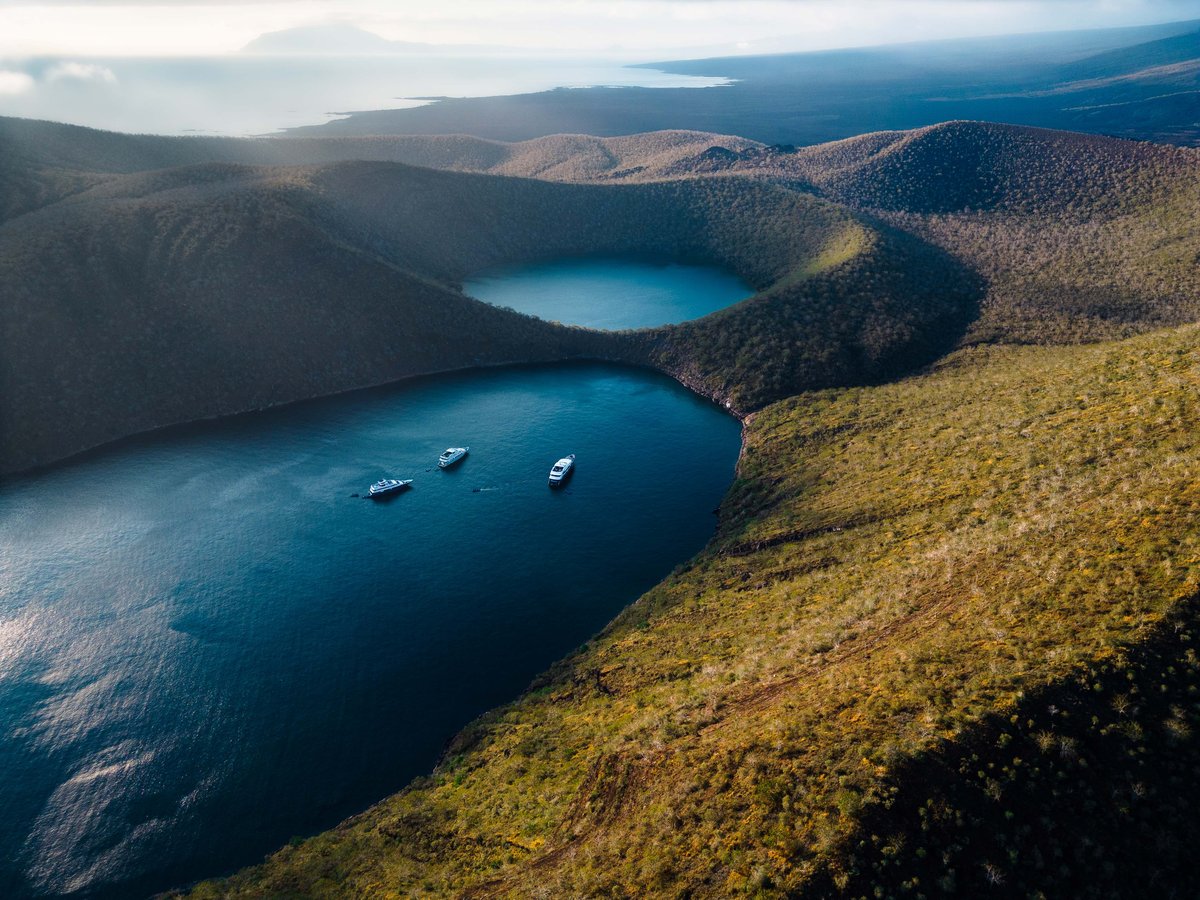
The 1905–1906 expedition of the California Academy of Sciences to the Galápagos Islands was one of the first scientific efforts to study the archipelago’s biodiversity using a systematic and comparative approach across islands.
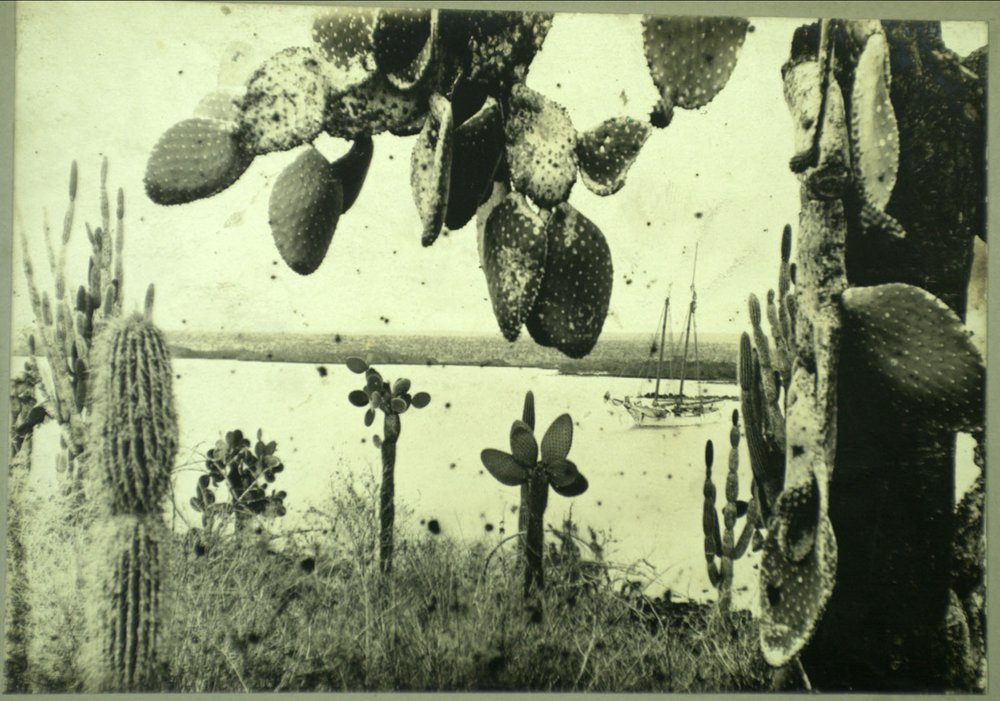
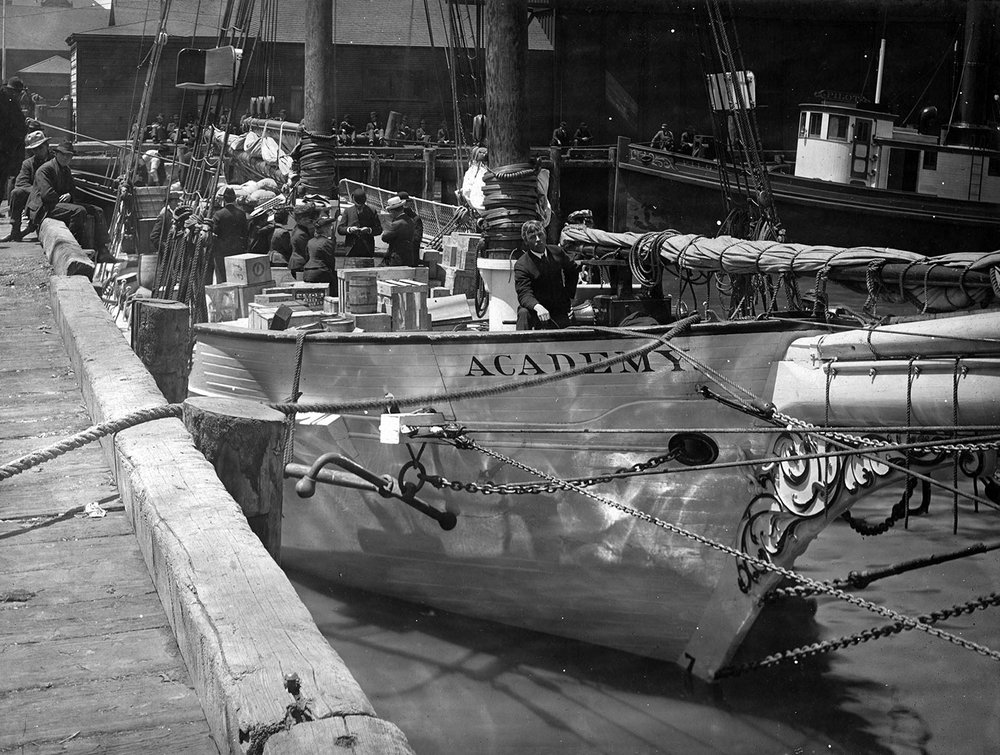
Led by zoologist Rollo Howard Beck, the expedition took place between 1905 and 1906 aboard the vessel Academy. In line with the scientific practices of the time, its primary objective was the collection of specimens to document largely unknown biodiversity and to build reference collections from poorly studied regions. These specimens were intended to strengthen the scientific collections of the California Academy of Sciences in San Francisco, which were then being consolidated as a foundation for comparative species research. In this context, when differences between islands were not yet clearly understood, the expedition conducted fieldwork across several islands, including Isabela, Santa Cruz, Floreana, and San Cristóbal.
Archivo CDF
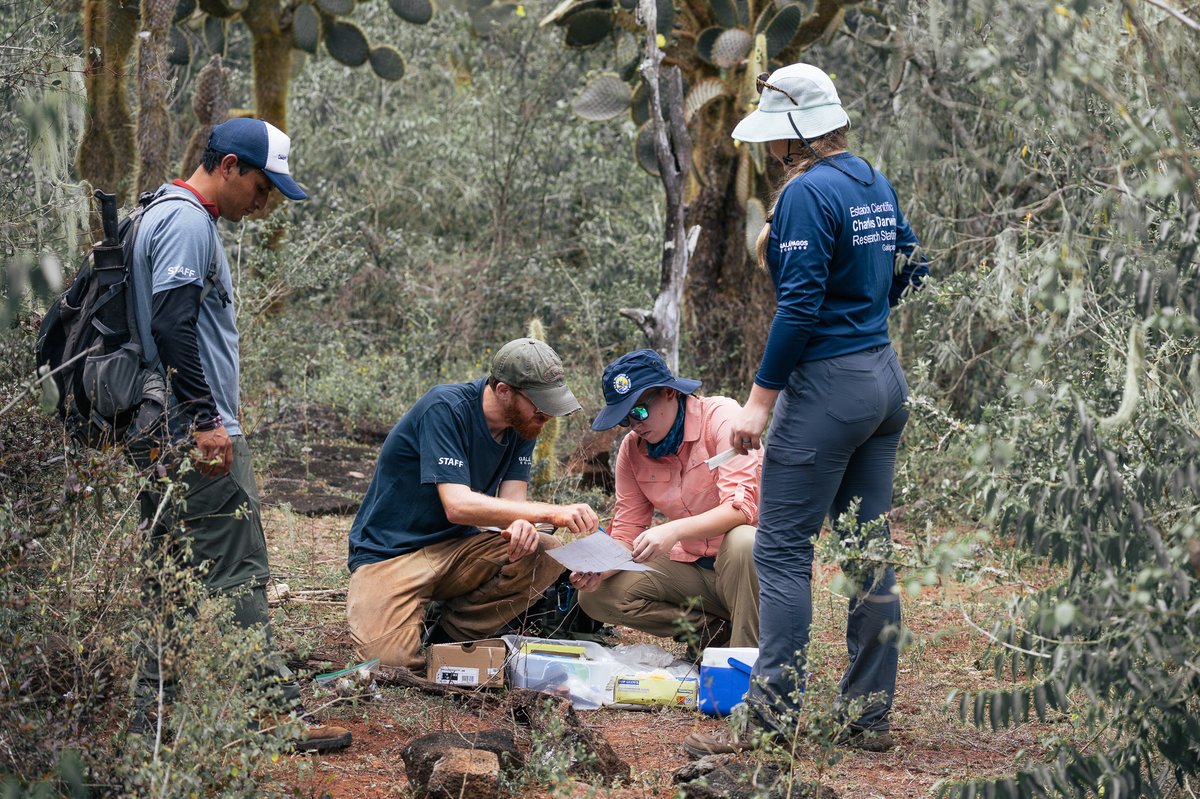
The team applied a methodology that may seem standard today, but at the time marked a significant shift: carefully documenting the exact island from which each specimen was collected. This approach made it possible to demonstrate consistent morphological differences between populations and to show that variation was structured by geographic isolation, reinforcing the evidence for evolution and speciation proposed by Charles Darwin.
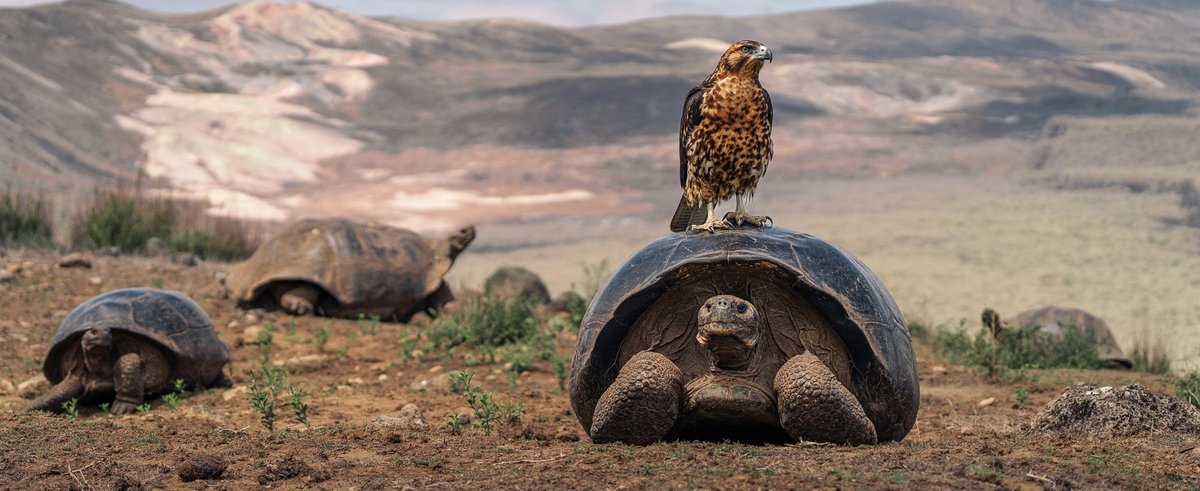
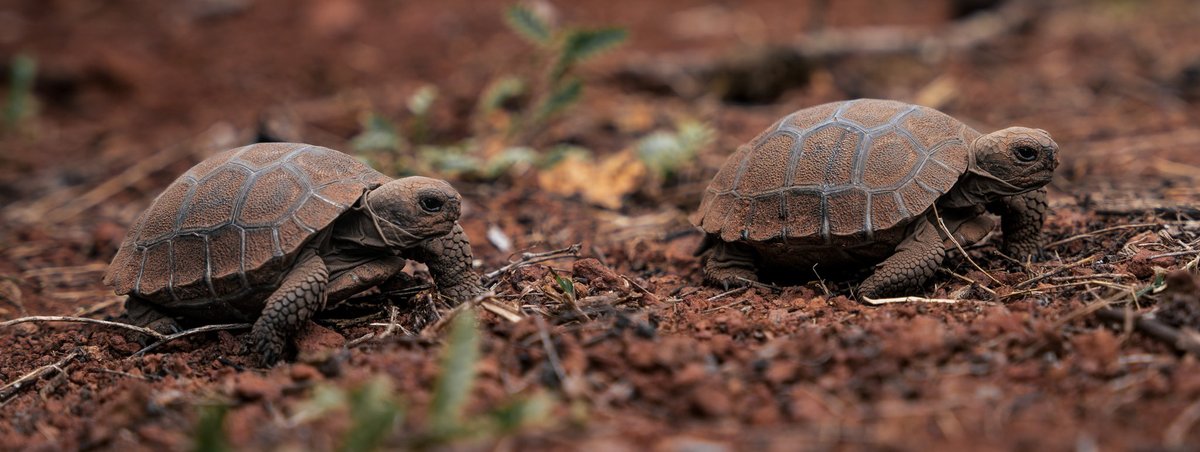
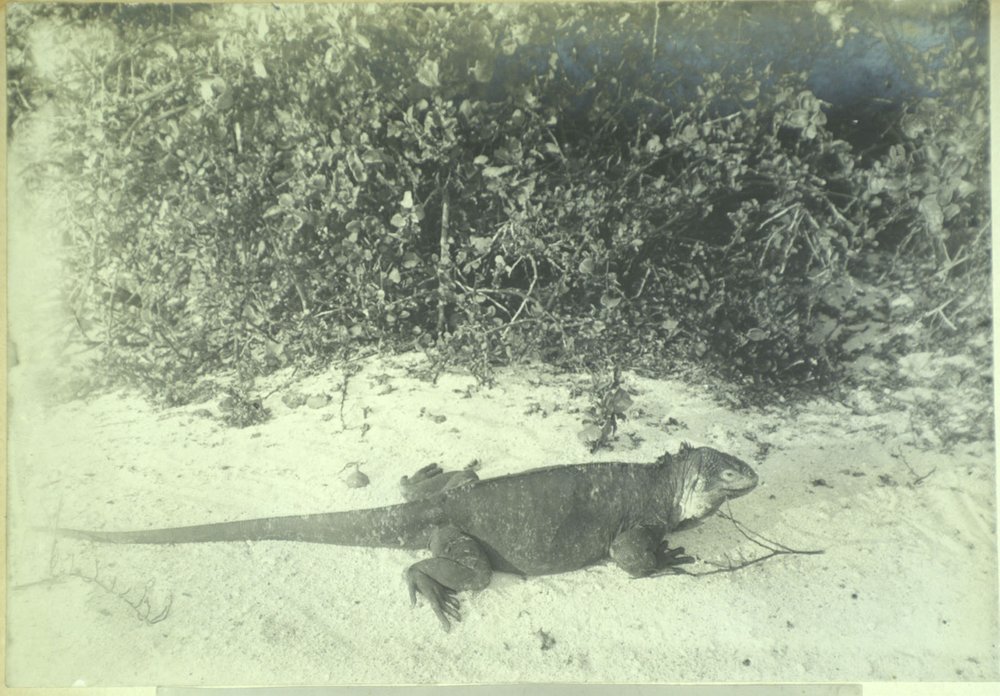
The expedition gathered thousands of specimens of birds, reptiles, insects, and plants, including one of the most comprehensive collections of Darwin’s finches and giant tortoises assembled up to that point. This material formed the basis for numerous scientific publications and helped establish the Galápagos as a natural laboratory for the study of evolution. More than an exploratory journey, it represented a transition from scattered observations to systematically organized evidence, with direct implications for the development of twentieth-century evolutionary biology.
Archivo CDF
Academy Bay
During the expedition, the Academy used a bay on Santa Cruz Island—facing what is now the town of Puerto Ayora—as its anchorage and operational base. The vessel remained there while scientists conducted fieldwork on land.
In their records, the site was referred to as “Academy Bay,” in direct reference to the organizing institution. The consistent use of this name in reports and maps led to its adoption. There was no formal naming event; rather, it was a functional designation that became established through repeated use. To this day, the bay overlooked by the Charles Darwin Research Station is called Academy Bay.
Results
The expedition resulted in more than 50 scientific publications that significantly advanced knowledge of the Galápagos.
In ornithology, the work of Rollo Howard Beck between 1906 and 1907 confirmed variation among island populations of birds such as finches and mockingbirds, expanded existing collections, and established key comparative baselines for subsequent evolutionary studies. These studies also documented species distribution with precision at the island level.
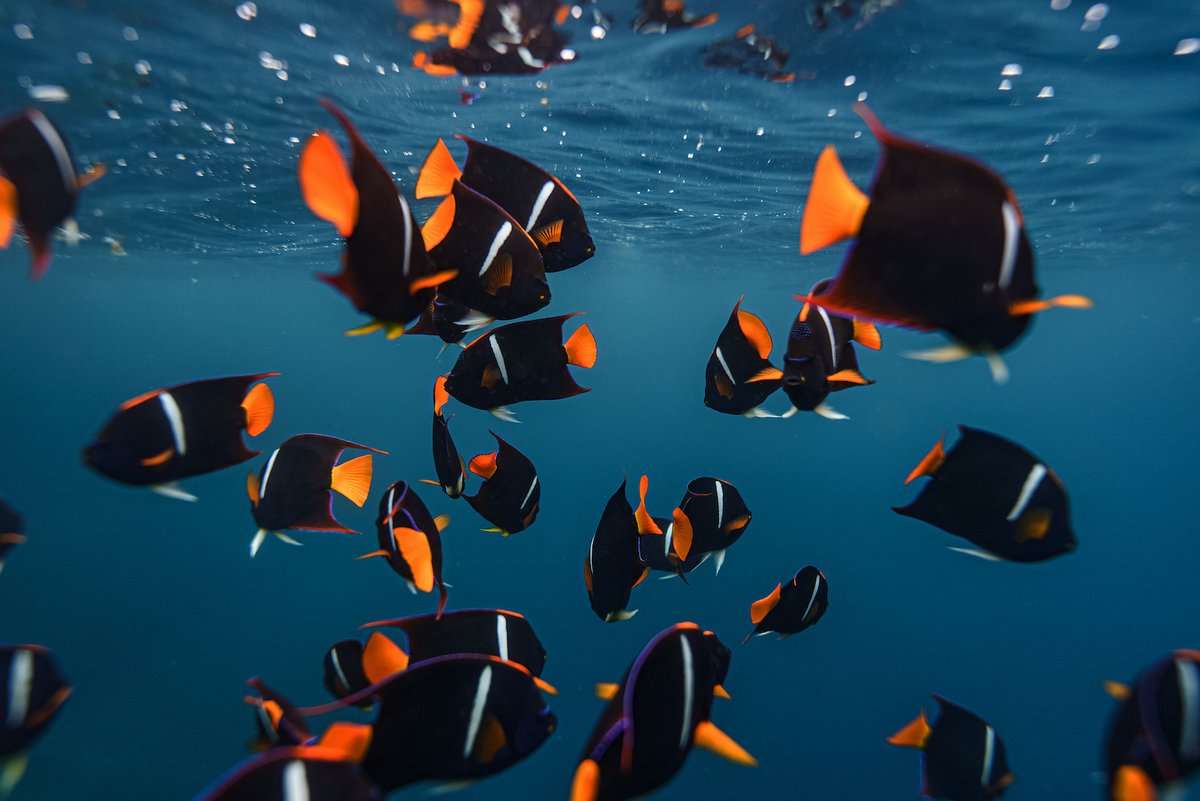
In herpetology, John Van Denburgh’s 1912 work demonstrated clear differentiation among reptile species across islands and provided evidence of geographic speciation, forming the basis for modern taxonomy in the archipelago. Meanwhile, Edmund Heller contributed important insights into mammals and reptiles, describing variation among giant tortoise populations and documenting the presence and impacts of introduced species such as rats and goats. In malacology, William Healey Dall’s 1909 work cataloged marine and terrestrial mollusks and identified patterns of restricted distribution associated with island isolation. Studies on insects, conducted by multiple authors between 1906 and 1913, described numerous new species and revealed clear differences among island faunas, providing evidence of adaptive radiation. In botany, the contributions of Stewart Paton and other researchers documented the plant diversity of the archipelago and established relationships between vegetation and ecological zones, distinguishing between humid and arid areas. These studies also provided early evidence of species with restricted distributions tied to specific islands or environments. Finally, Edwin Chapin Starks documented the diversity of coastal and marine fish between 1906 and 1908, comparing local species with those from the mainland and identifying species unique to the archipelago.
Taken together, these studies converged on a consistent conclusion: island isolation is a key driver of biological diversity. The empirical evidence reinforced the ideas of Charles Darwin and consolidated the Galápagos as a natural laboratory for the study of evolution.
Archivo CDF
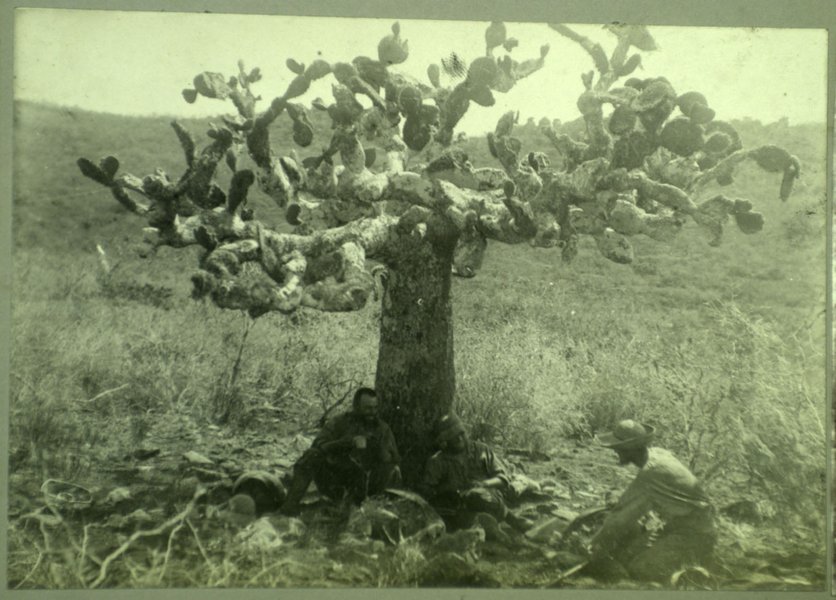
Archivo CDF
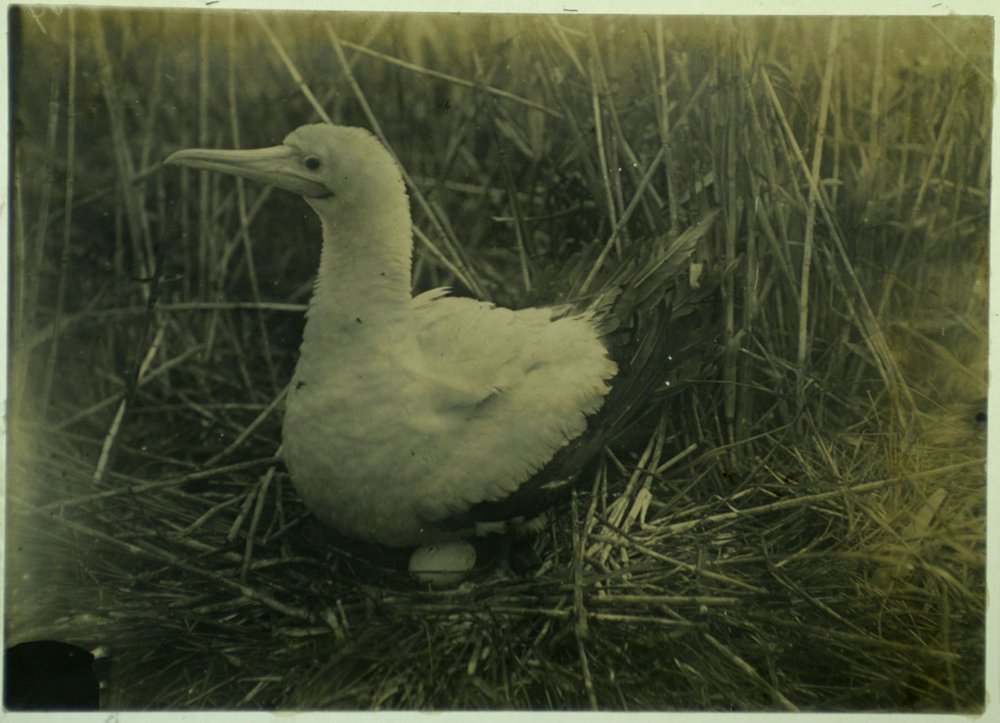
Archivo CDF
Dissemination of Results
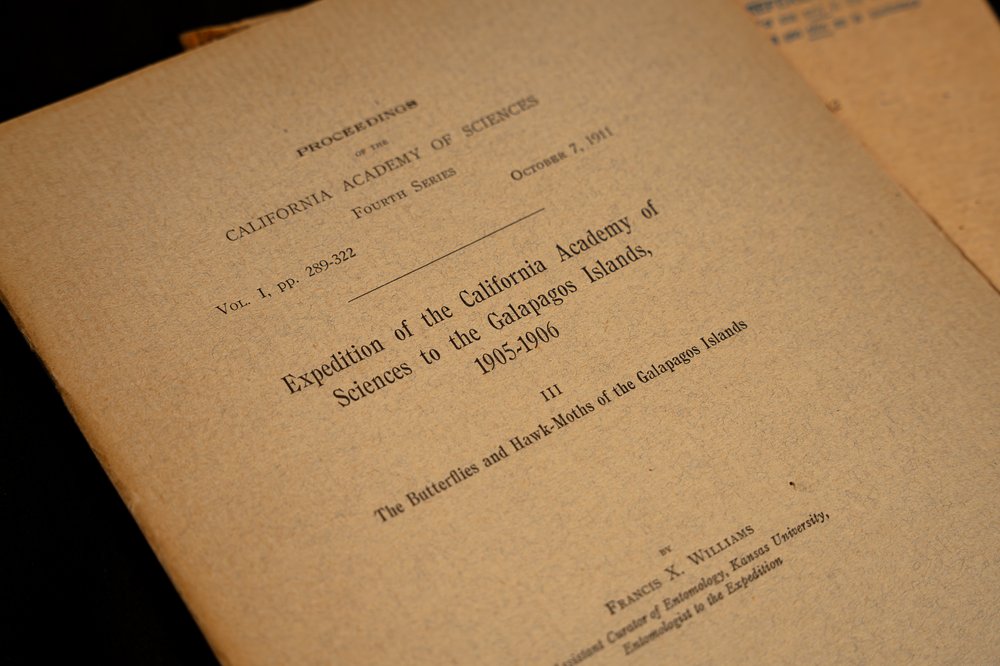
The more than 50 scientific publications were the primary means of disseminating the expedition’s results. The findings appeared in the series Proceedings of the California Academy of Sciences, which served as the formal channel for the validation and circulation of scientific knowledge at the time.
These articles circulated among institutions, universities, and naturalists, enabling broader analysis and discussion. Members of the expedition also presented their findings at academic meetings, although these presentations were directed at specialized audiences.
Paradoxically, while the expedition was still underway, a major event reshaped its institutional significance. On April 18, 1906, the San Francisco earthquake and subsequent fires destroyed much of the Academy’s collections. As a result, the specimens collected during the expedition became the foundation for rebuilding the museum, acquiring both scientific and institutional value.
Alma Suarez CDF

Alma Suarez CDF
Conclusion
More than a century later, this expedition remains significant not only for what it discovered, but for how it introduced a systematic approach based on precise geographic recording, comparative analysis among islands, and rigorous organization of data. By documenting the exact origin of each specimen, researchers were able to demonstrate consistent differences among populations and show that variation was structured by geographic isolation.
This shift transformed the understanding of the Galápagos from a homogeneous system into a set of distinct but comparable ecological units, establishing a verifiable scientific baseline that continues to support current research and conservation efforts.
This legacy remains present in the data used for comparison, in the species that are studied and monitored, and in the decisions made across the archipelago. It is also tangible: a copy of these scientific reports is preserved in the library of the Fundación Charles Darwin, directly linking early twentieth-century research with ongoing scientific work in the Galápagos.
What began as a scientific expedition became a lasting point of departure. In the Galápagos, understanding has consistently been the first step toward conservation.