

Why beetles deserve your attention?
Not all forms of life capture our attention at first glance, some invite us to slow down and take a closer look. Beyond what we easily notice lies a much smaller and more surprising world: the world of insects. Beetles are among the most familiar and diverse group of insects. At first glance, they may seem alike, but when observed closely, their remarkable beauty and diversity of body shapes and colors come to life. This diversity is no coincidence, their different forms, sizes, and structures are linked to their lifestyles, diets, and ways of camouflaging from predators. In the Galapagos Islands, hidden among the vegetation, live beetles that are extraordinary unique and diverse. Some are so tiny they resemble grains of sand, others stand out with antennae longer than their own bodies, and others surprise us with their variety of colors. To observe them closely is to discover a hidden world.
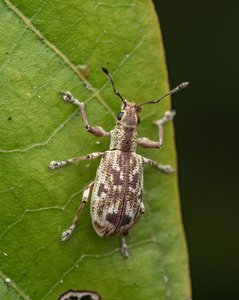
Jeremy Squire
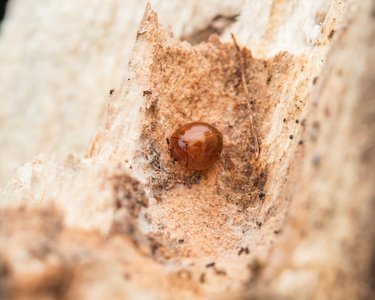
Jeremy Squire
Although beetles are often overlooked or misunderstood, they play essential roles in ecosystems. Some help decompose organic matter and help recycle nutrients back into the soil, while others feed on fungi, plants, or small organisms. Many also serve as food for birds, reptiles, and other animals, and certain species even act as pollinators. These hidden roles, which often go unnoticed, sustain the delicate connections that keep the environments we live in functioning and balanced.
Through the eyes of an entomologist
Seeing the world as an entomologist means learning to find life where others see only leaves, branches, or soil. Sometimes it requires crouching down, searching through leaf litter, examining a fallen log, or waiting for the slightest movement to reveal a beetles’ presence. This way of observing transforms how we perceive our surroundings, helping us recognize these tiny creatures as an essential part of biodiversity. When we look closely, we discover beetle bodies covered in tiny hairs, antennae of diverse shapes, and species with elongated mouthparts adapted for feeding. Through photography, we hope to share these hidden details with others and transform that first impression into curiosity and wonder.
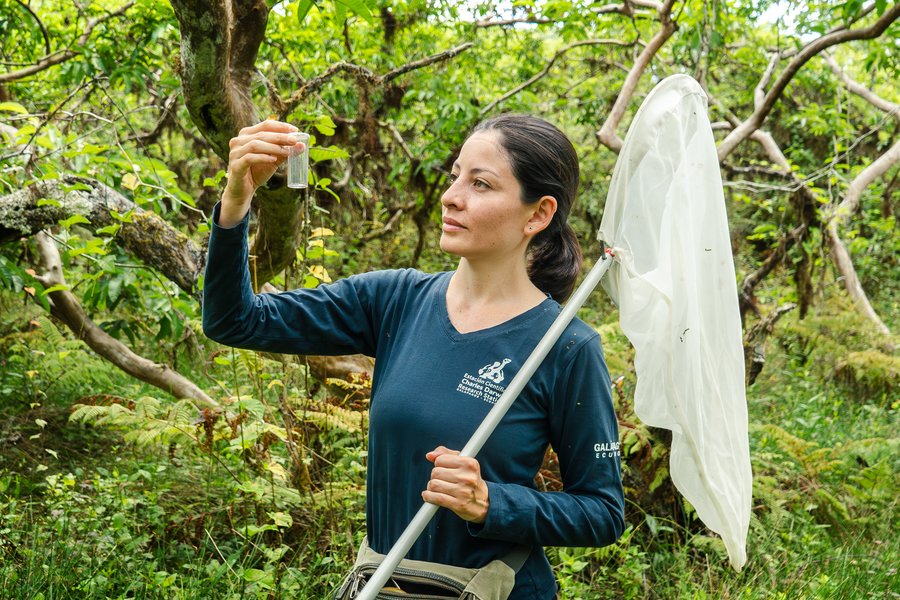
Boris Herrera
Photography as a window into nature
Photography has allowed us to share the experience of observing these life forms up close, showing that in the Galapagos Islands, natural beauty can also be found in a tiny body resting on a leaf. Photographing beetles in their natural habitat is not always easy; weather conditions, lighting, insect movement, and the limits of photographic equipment can all make it challenging. Yet photography offers a way to bring people closer to a world that often goes unnoticed. An image can reveal shapes, structures, and colors that are not always visible to the naked eye, becoming a powerful tool for introducing the public to the remarkable diversity and beauty of beetles.
Talking about beetles is an invitation to appreciate these small forms of life and recognize their importance. In the Galapagos Islands, the Scalesia pedunculata forest shelters part of the archipelago’s extraordinary diversity of beetles. Conserving this forest also means protecting these species and the ecological interactions they sustain. Learning to look closely is also learning to care more deeply, because once we truly know something, it no longer remains invisible.
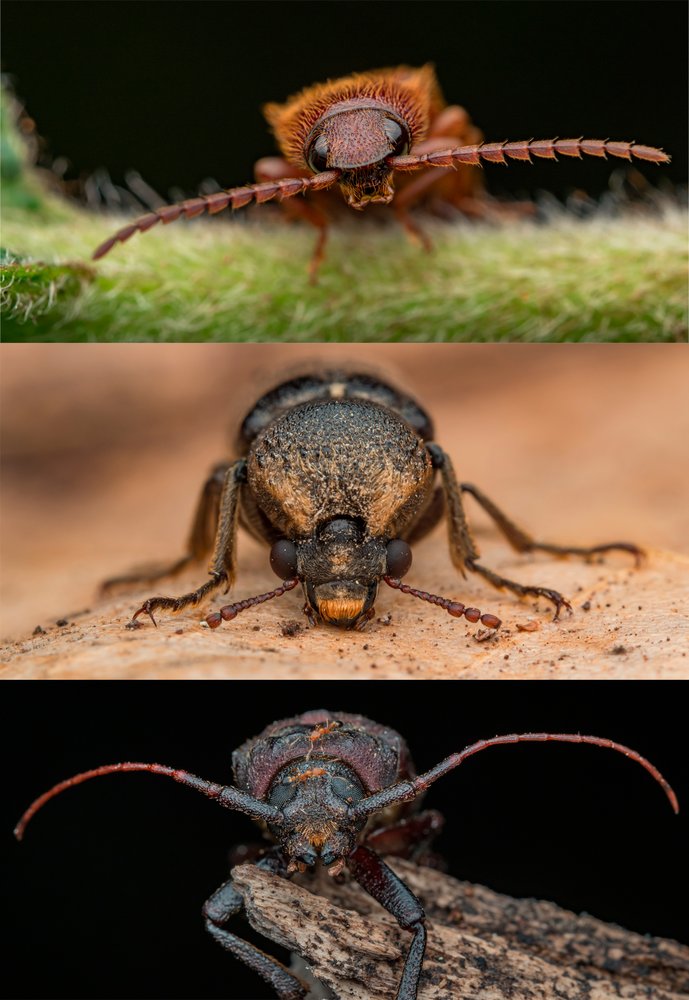
Jeremy Squire