
Accountability Builds Trust
Transparency for Conserving Galapagos
The conservation of Galapagos can be measured through recovered species, restored ecosystems, and management decisions supported by science. Yet there is another indicator that is just as important, although less visible: the trust that society places in the institutions working to protect this natural heritage. That trust is built not only on scientific achievements, but also on the ability to explain how this work benefits both conservation and the local community.
A year of progress
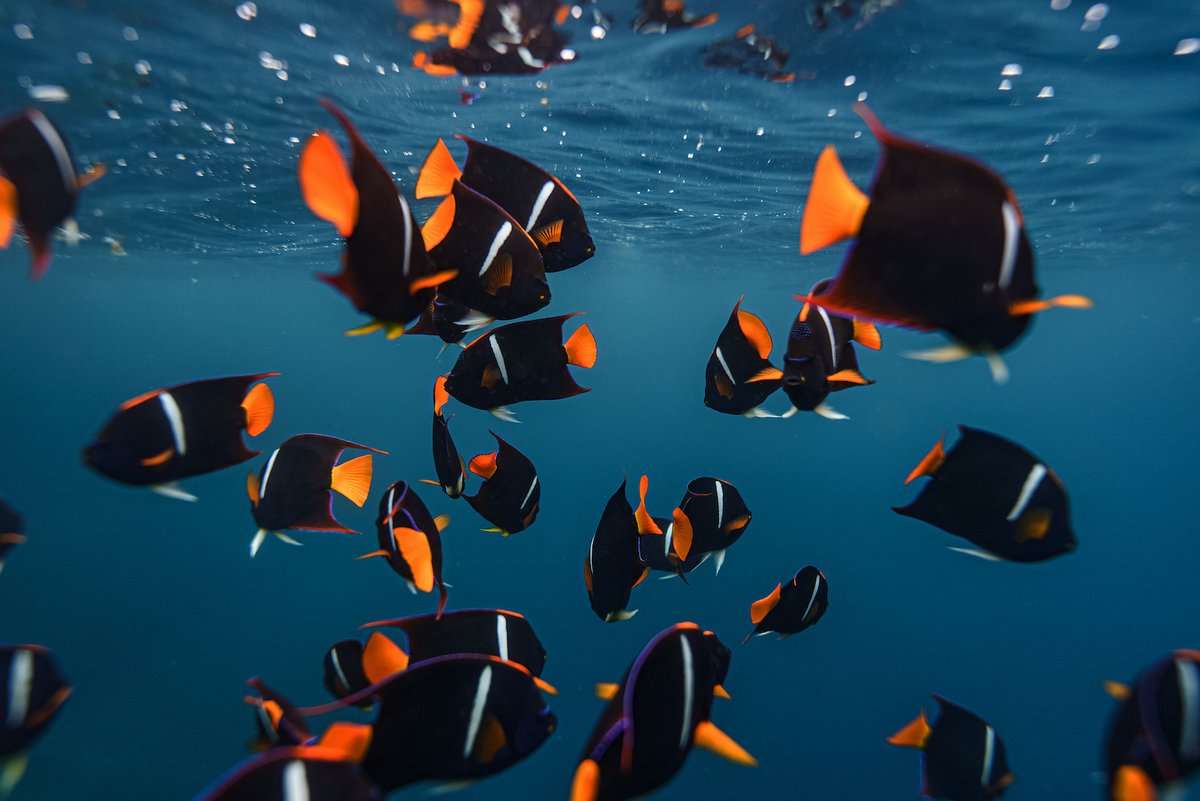
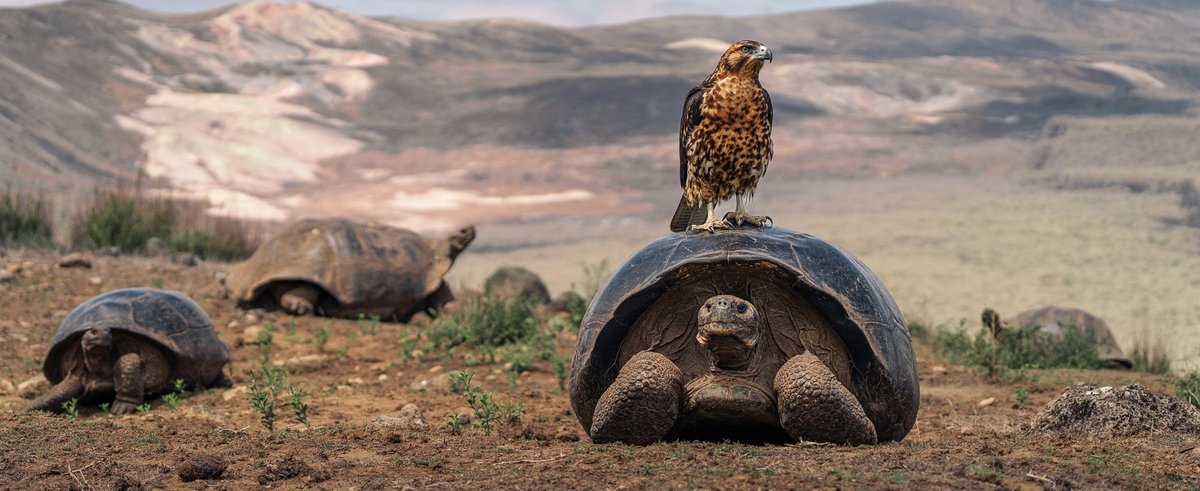
Throughout 2025, the Charles Darwin Foundation made significant advances in research, conservation, and institutional strengthening: one of the most successful breeding seasons ever recorded for threatened avian species, particularly the mangrove finch and the vermilion flycatcher; scientific contributions that strengthened international protection for sharks and rays; the inauguration of the Wijnand Pon Natural History Collections Building, centralizing more than 130,000 specimens; and the expansion of education and community engagement programs.
These milestones reflect the daily work of dozens of researchers, technicians, educators, and support staff — and they carry a responsibility: sharing results with society and demonstrating how scientific research contributes to the environmental, social, and economic well-being of Galapagos.
Carlos Espinosa CDF
Reporting and listening to the community
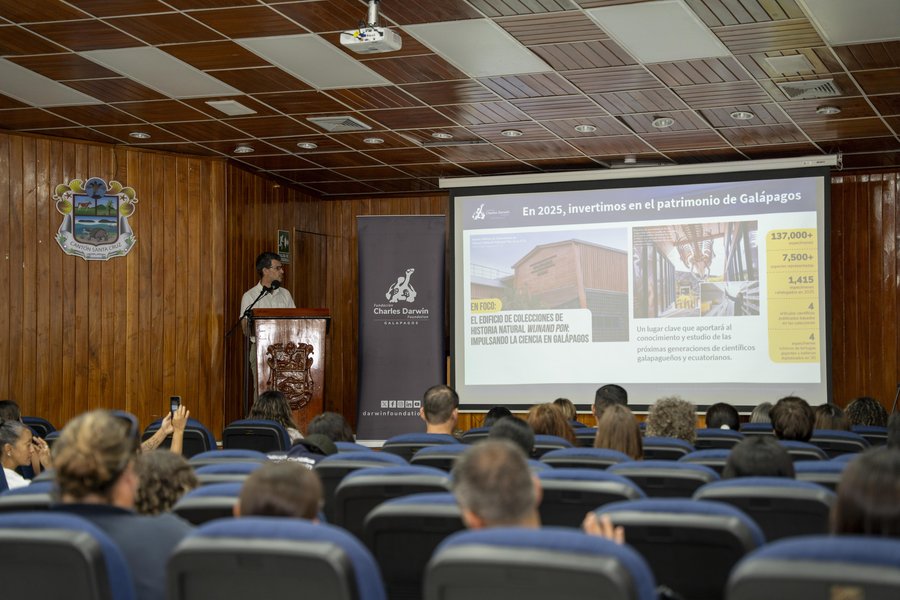
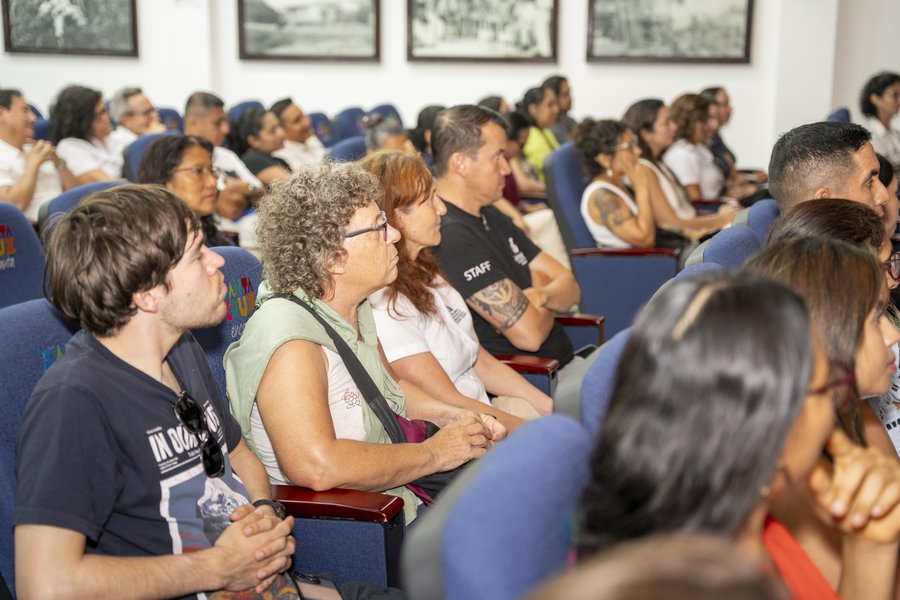
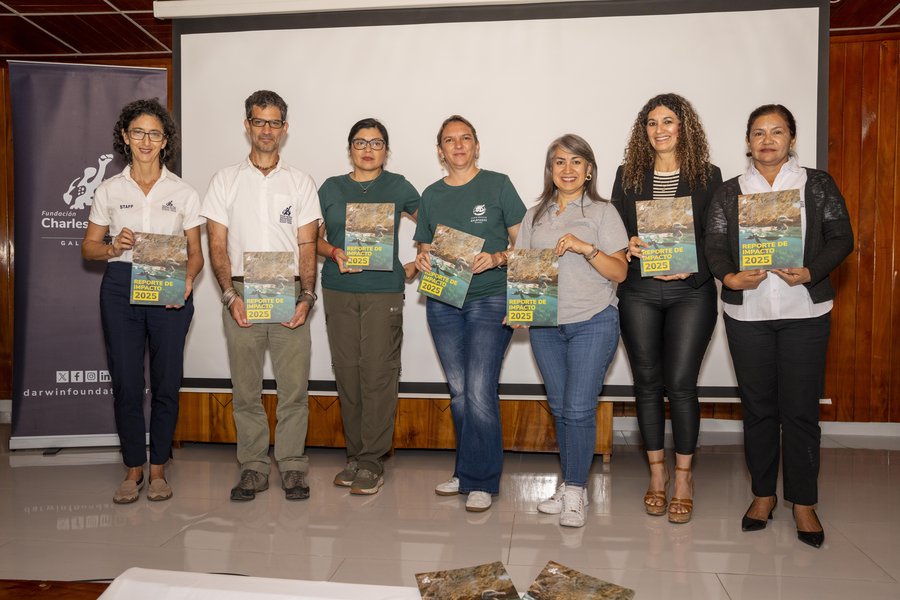
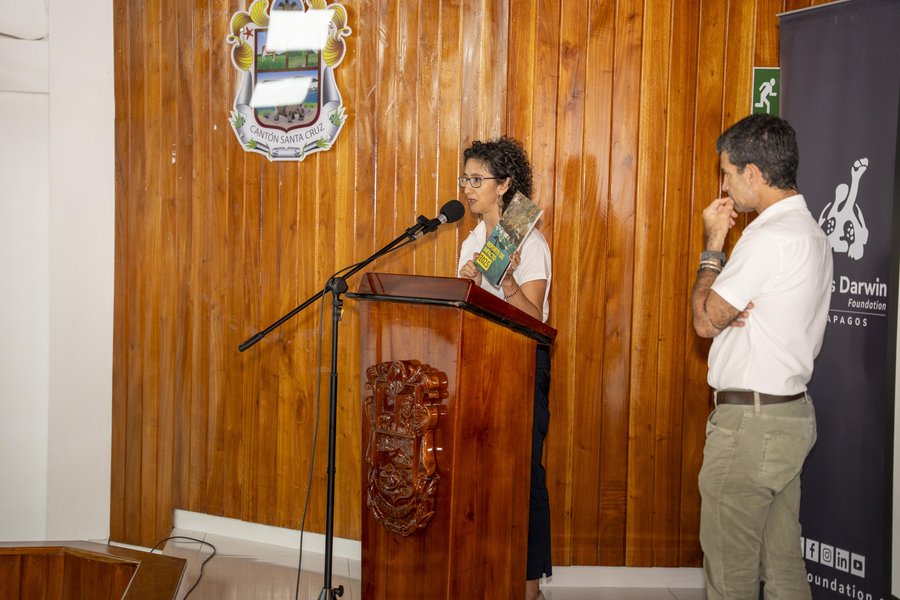
We've published an annual impact report for decades (See our impact report 2025 here LINK). This year, for the first time in a long while, we wanted to bring it to life in person, locally, with the community itself. On July 3, 2026, the Charles Darwin Foundation presented its 2025 impact directly to the community of Santa Cruz Island, at the City Hall in Puerto Ayora. Representatives from public institutions, NGOs, private companies, academia, and civil society joined to learn what science had achieved over the year, and to ask us about it directly.
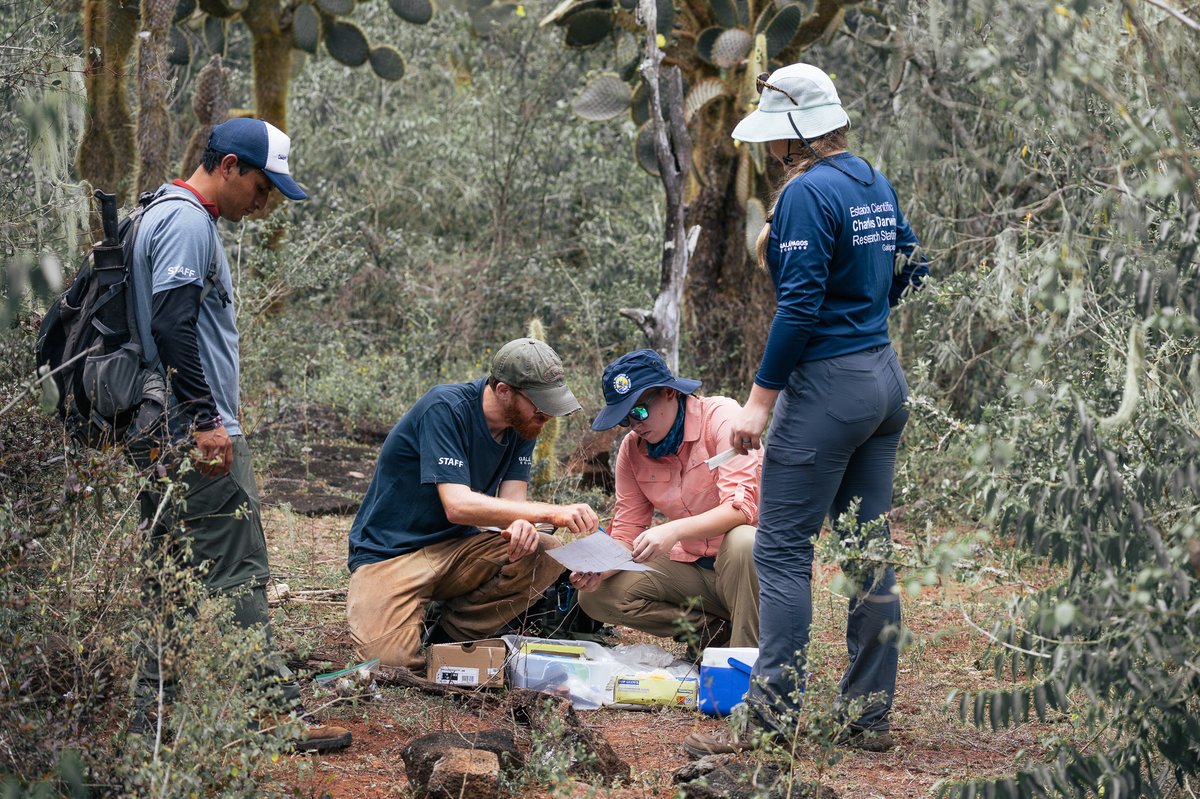
Through practical examples, we showed how our research supports invasive species management, ecosystem restoration, shark conservation, endemic bird recovery, marine monitoring, environmental education, and local capacity building.
But the most valuable part of the event was listening to the community. Participants asked about climate change, invasive species, illegal wildlife trafficking, marine biodiversity, sustainable tourism, scholarships, and our scientific collections — helping us understand what matters most to islanders. They also told us clearly that they want this to become a regular practice, and that we should communicate more about the programs that directly benefit them, particularly fishers, tourism operators, naturalist guides, and visitors.
Carlos Espinosa CDF
Carlos Espinosa CDF
Carlos Espinosa CDF
Why this matters
For a scientific organization, transparency also means explaining that conservation is a complex, long-term process: it takes years of research, collaboration among institutions, and the provision of scientific advice so that decision-makers — including the Ecuadorian government — have the best available evidence. It means communicating both achievements and challenges openly, explaining how resources from national and international donors are invested, and showing that our work responds to priorities defined together with our institutional partners. Transparency does not weaken institutions; it strengthens their legitimacy, credibility, and public trust.
Looking ahead
The event also gave us lessons for the future: to communicate science in language that's more accessible to non-specialist audiences, to use more examples of how research benefits everyday life in Galapagos, and to create more opportunities for dialogue like this one. These are part of a continuous improvement process, and we intend to make accountability an annual institutional practice.
In Galapagos, where conservation depends on cooperation among public institutions, civil society, academia, the private sector, and the local community, maintaining open communication is as important as world-class scientific research. Trust is a strategic asset for any conservation organization: it strengthens partnerships, encourages collaboration, and fosters greater public commitment to protecting the archipelago's natural heritage.
Accountability represents precisely that commitment — a chance to show that behind every scientific publication, every recovered species, and every educational program lies sustained work carried out with responsibility and a shared purpose: conserving Galapagos for present and future generations.
Carlos Espinosa-CDF
Science reaches its greatest value when its results extend beyond laboratories, become shared knowledge, and help society understand that protecting the islands is a collective responsibility.