Lost millennium of Galápagos deep-sea corals linked to major Pacific climate shift
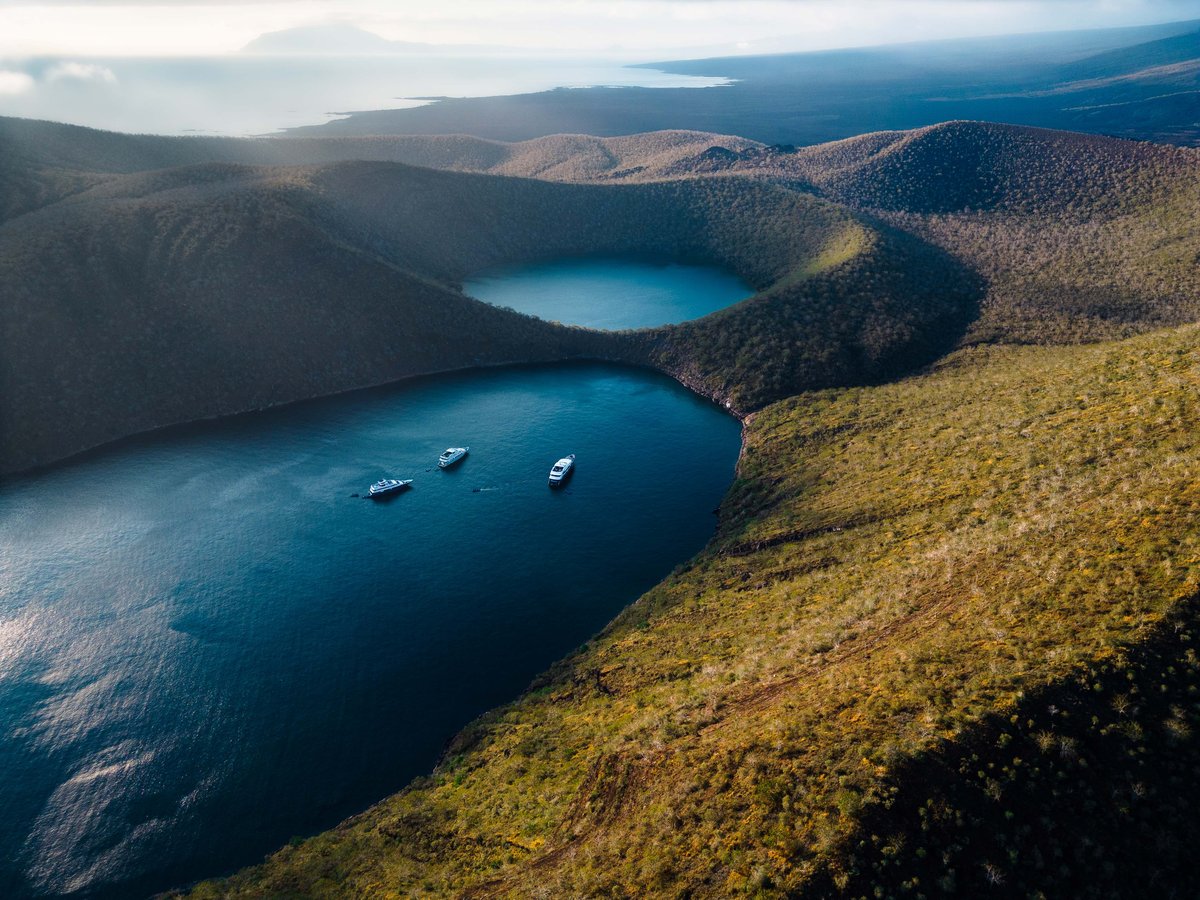
Galápagos, Santa Cruz | 20 April 2026 -- Scientists have discovered that deep-water corals in the Galápagos region vanished for more than 1,000 years before eventually recovering. The findings reveal that deep-water coral ecosystems may be more susceptible to climate change than previously thought.
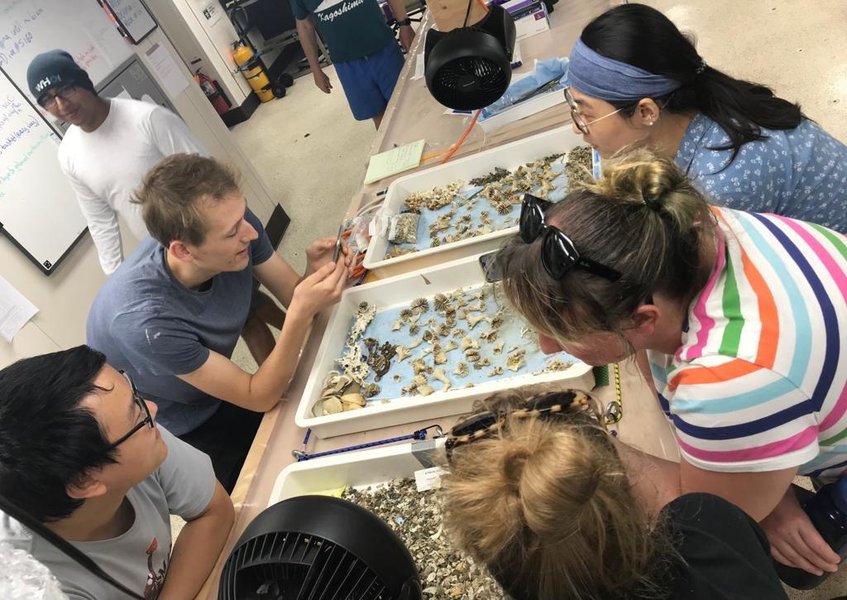
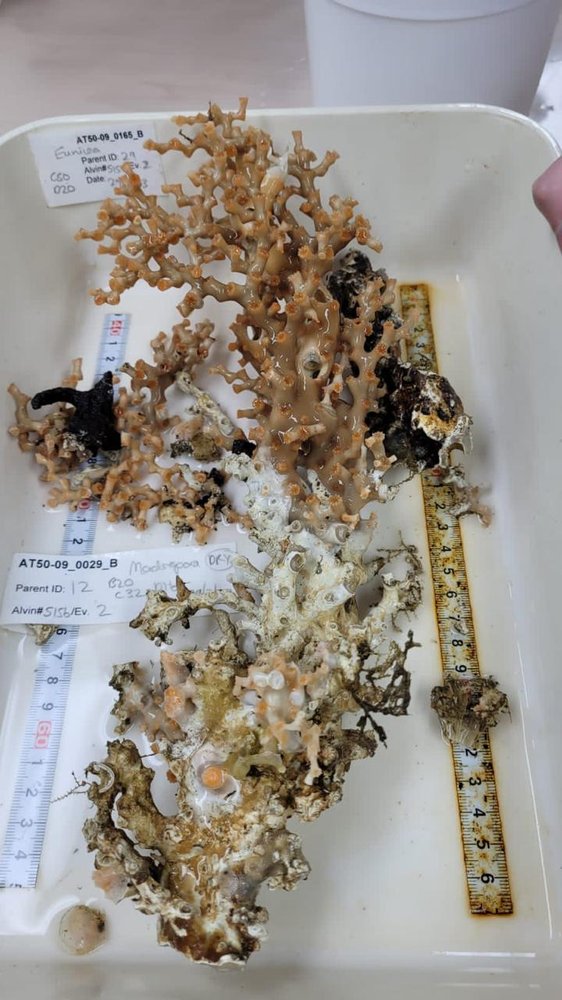
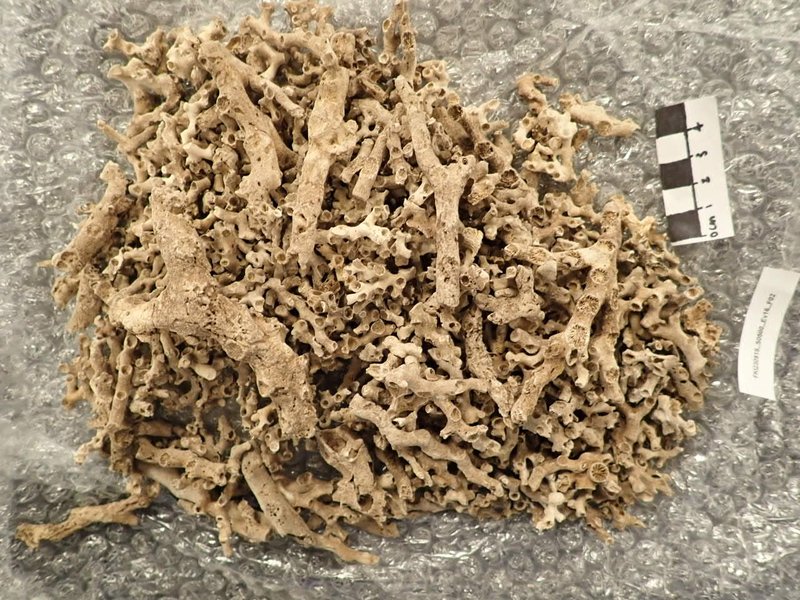
The research, led by the University of Bristol in collaboration with international scientists and published in PNAS today, analysed more than 900 fossil deep-sea stony corals collected from depths of up to 1,000 metres. Using uranium-thorium dating, researchers reconstructed a 117,000-year history of deep-water coral ecosystems in the Galápagos region—one of the most detailed records of its kind.
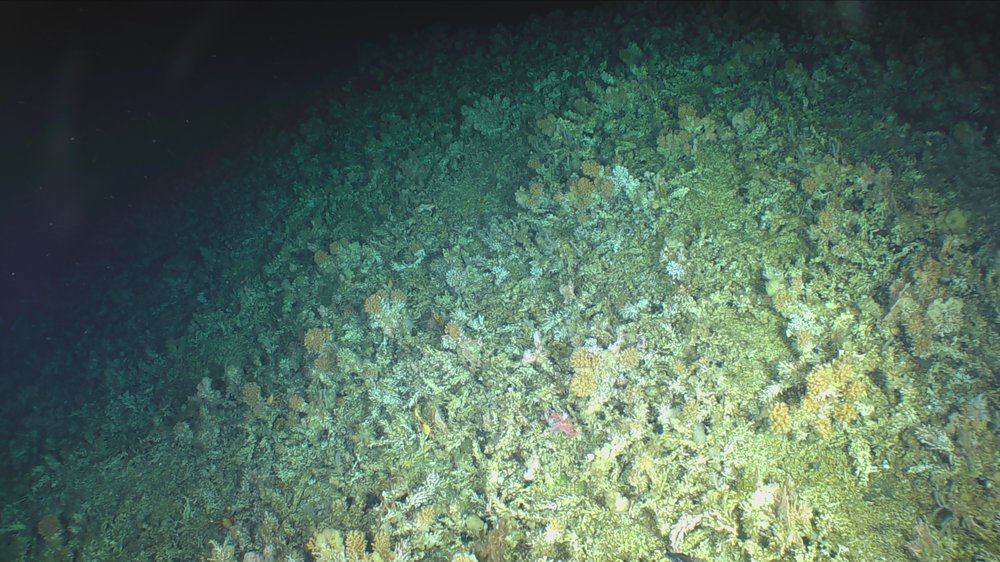
Because they grow in deeper, darker parts of the ocean, deep-sea coral reefs have been significantly understudied compared to their tropical counterparts, but are still key biodiversity hotspots that host a rich variety of fish and invertebrate life.
Remarkably, the study found that these deep coral ecosystems that persisted through major global climate events over tens of thousands of years, including the last Ice Age and subsequent warming experienced a striking disruption around 5,000 years ago, when corals vanished from the record for more than a millennium.
Further analysis suggests that this striking disappearance was linked to the El Niño Southern Oscillation (ENSO) global climate phenomenon that emerges from variation in winds and sea surface temperatures over the tropical Pacific Ocean.
CDF
Lead author Dr Joseph Stewart, Lecturer in the School of Earth Sciences at the University of Bristol, said: “The disappearance of the corals coincided with a prolonged La Niña phase. During that time, stronger ocean circulation brought deep, nutrient-rich water to the surface, which likely led to lower oxygen levels at depth, making it harder for deep-sea corals to survive.”
Looking ahead, climate patterns like ENSO are expected to change as the planet warms, but by studying how these climate patterns affected corals in the past, scientists can better predict and understand how deep-sea ecosystems might be impacted by climate change in the future.
Co-author Professor Laura Robinson, Professor of Geochemistry at the University of Bristol said: “Understanding the great antiquity of this ecosystem, its sensitivity to change, and the centuries it takes to recover from disturbance will be vital for conservation efforts being led by project collaborators at the Charles Darwin Foundation and the Galápagos National Park Directorate.”
SOI
SOI & WHOI-MISO
Dr Stewart added: “The findings challenge conventional thinking. While El Niño events that bring extreme heat to tropical surface waters in the Pacific are well-documented to cause shallow-water coral stress, our study shows that long duration of La Niña-like conditions can also be damaging – especially in the deep ocean. Even subtle shifts in global climate patterns can trigger large-scale ecosystem collapse far below the surface. As climate change is expected to alter ENSO behaviour, deep-sea coral reefs – key biodiversity hotspots – may be at greater risk than previously thought.”
CDF
Importantly, the fossil record shows that deep-sea corals eventually re-established in the region, suggesting that recovery is possible—but over very long timescales.
Stuart Banks, co-author and Principal Investigator for the Charles Darwin Foundation’s Deep-ocean conservation program, notes: “This study has implications for how we design and manage Marine Protected Areas, many of which were originally setup to safeguard biodiversity in shallow coastal waters. We also now know that deep, unique and largely unseen ocean life across the Pacific is also influenced in different ways by changing climate conditions.
The fact that these coral ecosystems eventually recovered tells us that resilience is possible. The challenge for conservation is to safeguard conditions that allow such recovery to happen. In the Eastern Tropical Pacific, this means building Marine Protected Area networks that protect the deep seafloor, supporting natural connectivity between habitats and robustness to climate-driven change.”
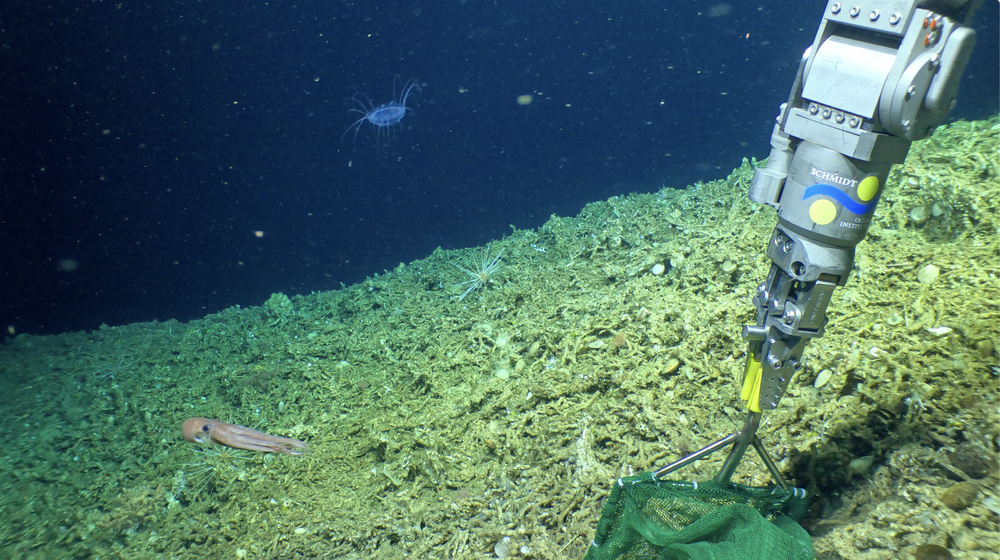
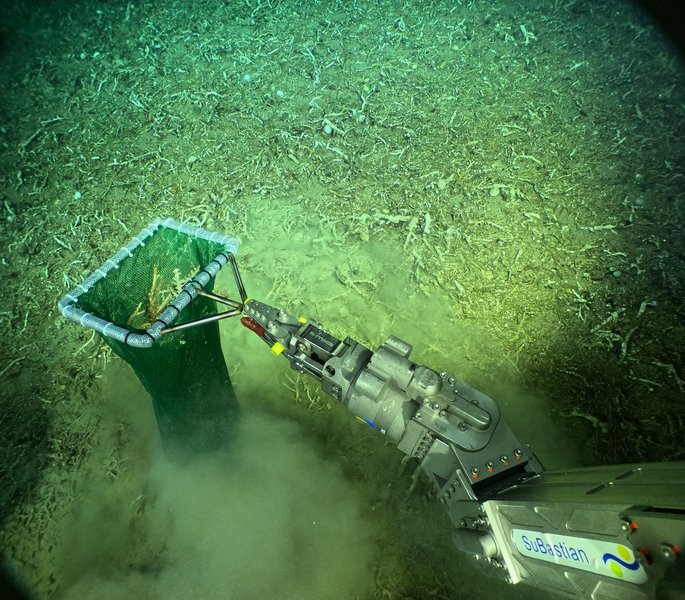
The coral samples were collected during recent expeditions to the Galápagos using the human-operated submersible Alvin and the remotely operated vehicle SuBastian, deployed from the research vessels Atlantis and Falkor.
Co-author Dr Daniel Fornari from the Woods Hole Oceanographic Institution said: “These missions were designed to explore the archipelago’s biological diversity and geological history, with this study representing one of many exciting discoveries emerging from these efforts.”
SOI & Ketchum
SOI
Paper:
"A millennium of cold-water coral habitat loss in the East Pacific during low ENSO variability in the mid- to late-Holocene" by J. Stewart et al in PNAS: https://www.pnas.org/cgi/doi/10.1073/pnas.2532081123
--ENDS--
Notes to editors:
For media enquiries please contact:
Charles Darwin Foundation
Ambre Tanty-Lamothe or Daniela Ibarra |comunicacion@fcdarwin.org.ec
About the Charles Darwin Foundation
The Charles Darwin Foundation for the Galápagos Islands (CDF) is an international non-profit organization that has operated in Galápagos since 1959 under a special agreement with the Government of Ecuador. Its mission, and that of its Research Station, is to address the greatest threats and challenges facing Galápagos through scientific research and conservation actions, to protect one of the world’s most important natural treasures. Today CDF supports more than 25 research, conservation, and education projects across land and sea, and is the custodian of over 137,000 specimens in its Natural History Collections. Its diverse team of more than 140 scientists, educators, and support staff is composed primarily of Ecuadorian citizens, with over 60 % from Galápagos. For more information, please visit: www.darwinfoundation.org