Results
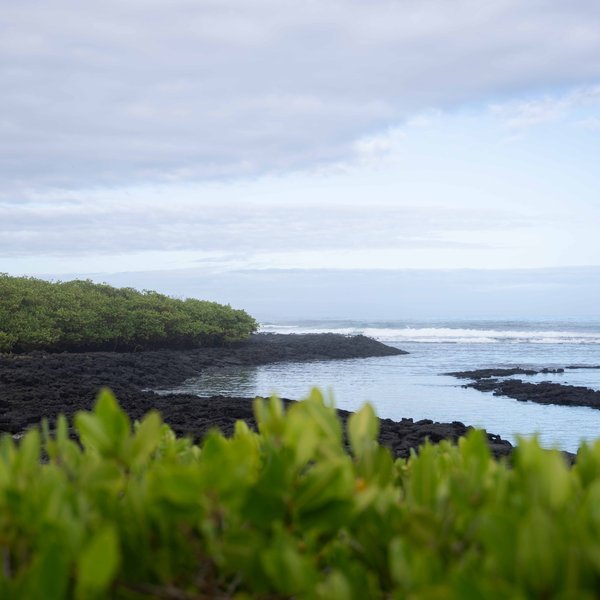
Scientists from the Charles Darwin Foundation (CDF) have, for the first time, assessed the conservation status of mangrove ecosystems in the Galápagos Islands using the Red List of Ecosystems methodology developed by the International Union for Conservation of Nature (IUCN). The study concludes that this ecosystem is classified as Vulnerable, underscoring the urgency of its conservation. The full report is available in the EcoEvoRxiv repository.
Scientists from the Charles Darwin Foundation (CDF) have, for the first time, assessed the conservation status of mangrove ecosystems in the Galápagos Islands using the Red List of Ecosystems methodology developed by the International Union for Conservation of Nature (IUCN). The study concludes that this ecosystem is classified as Vulnerable, underscoring the urgency of its conservation. The full report is available in the EcoEvoRxiv repository.
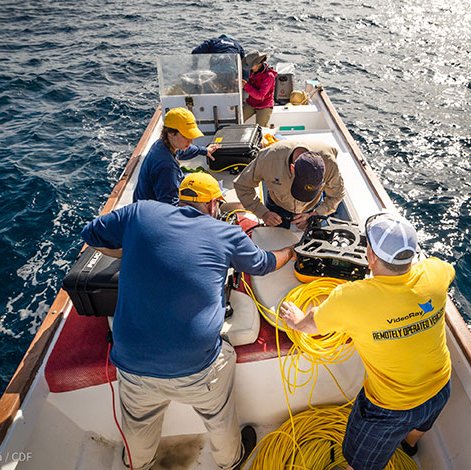
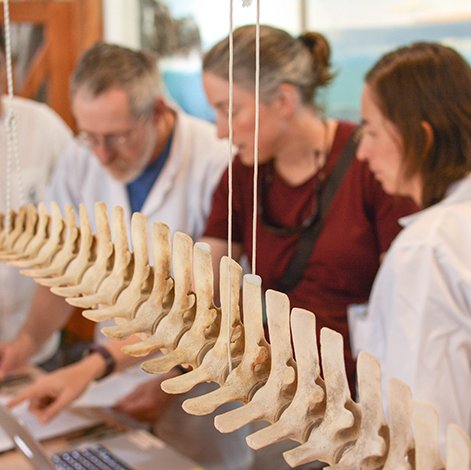
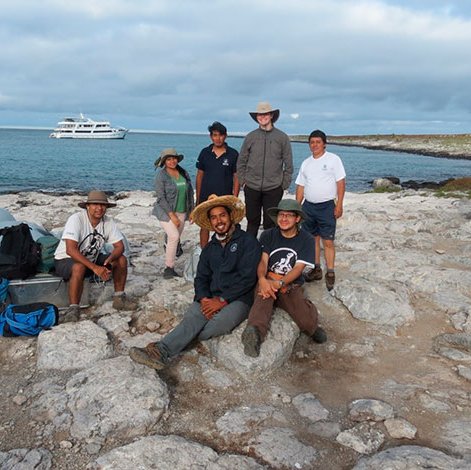
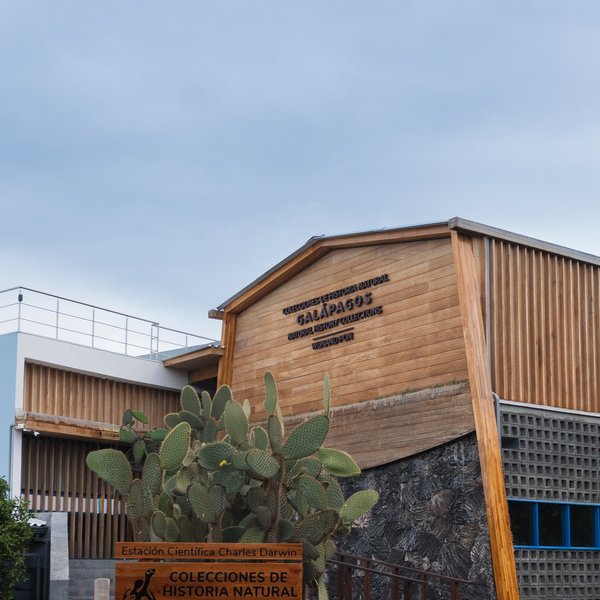
For the first time, the Charles Darwin Foundation opens Galápagos’ largest scientific collections to the public. Housing over 137,000 specimens, this new facility offers a rare glimpse into the science shaping conservation decisions and safeguarding one of the planet’s most extraordinary ecosystems.
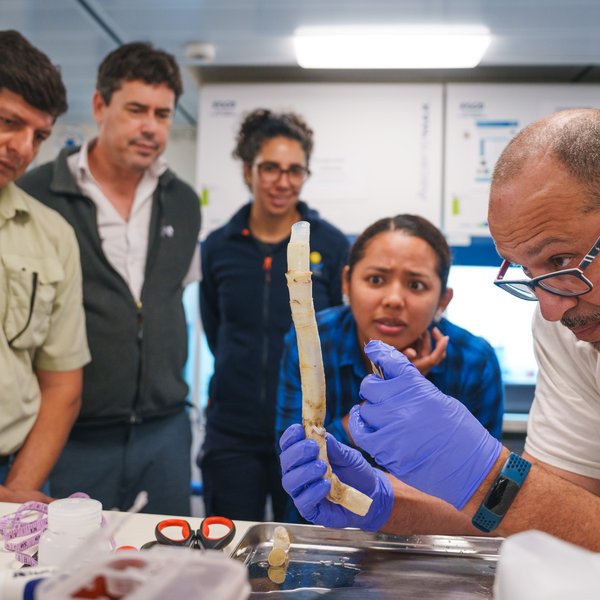
Whether you're a scientist seeking to collaborate , a student aspiring to complete your graduate degree under our guidance, or a university looking to establish a semester abroad program in the Galapagos, the Charles Darwin Foundation is here to provide support.
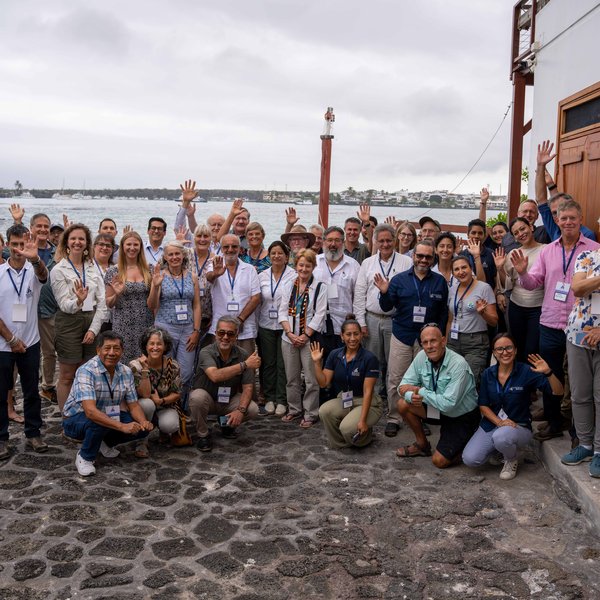
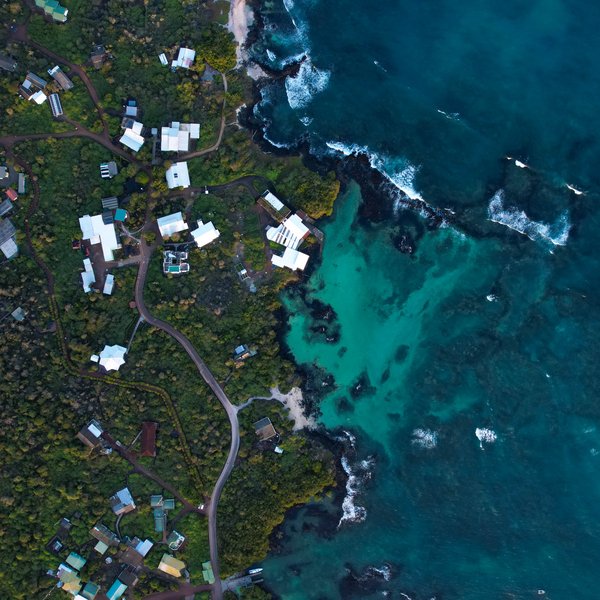
Discover the mission, vision, and impact of the Charles Darwin Foundation. Dedicated to preserving the Galapagos Islands through groundbreaking scientific research and conservation initiatives since 1964.
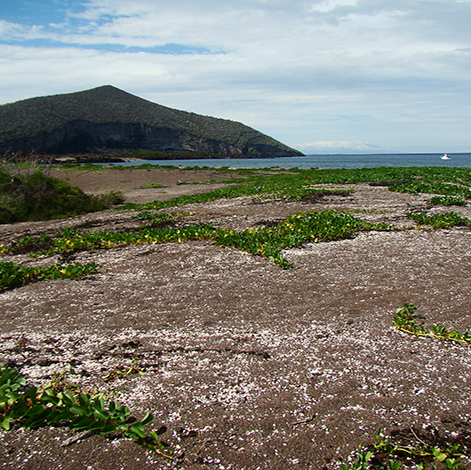
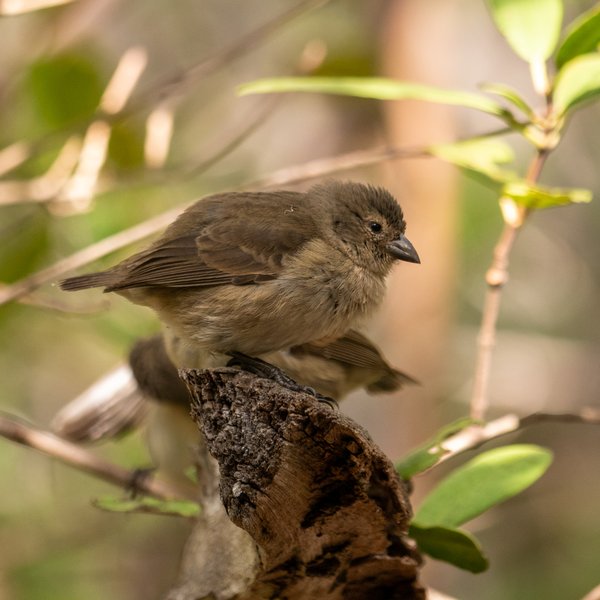
Galápagos landbirds soar to new heights.
This year’s breeding season brought record success for the Little Vermilion Flycatcher and cautious hope for the Critically Endangered Mangrove Finch. Discover how science, habitat restoration, and innovation are reshaping the future of Galápagos birds—and why this season marks a breakthrough in conservation.
This year’s breeding season brought record success for the Little Vermilion Flycatcher with 39 fledglings, while the Critically Endangered Mangrove Finch continues to be a conservation priority. Discover how science, habitat restoration, and innovation are reshaping the future of Galápagos birds—and why this season marks a breakthrough in conservation.
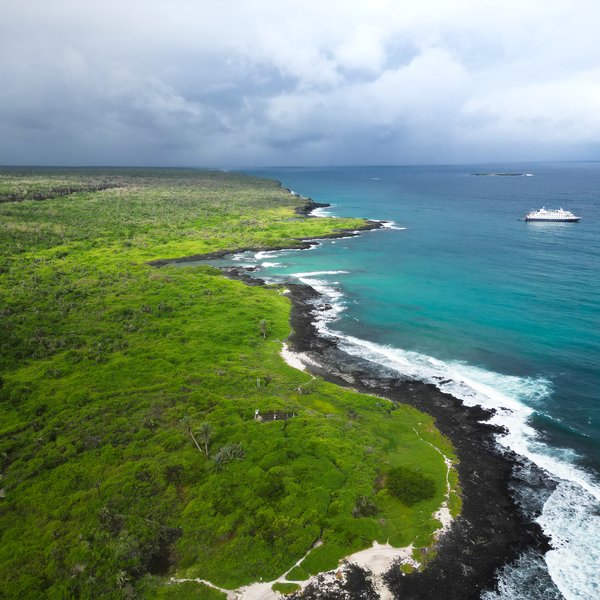
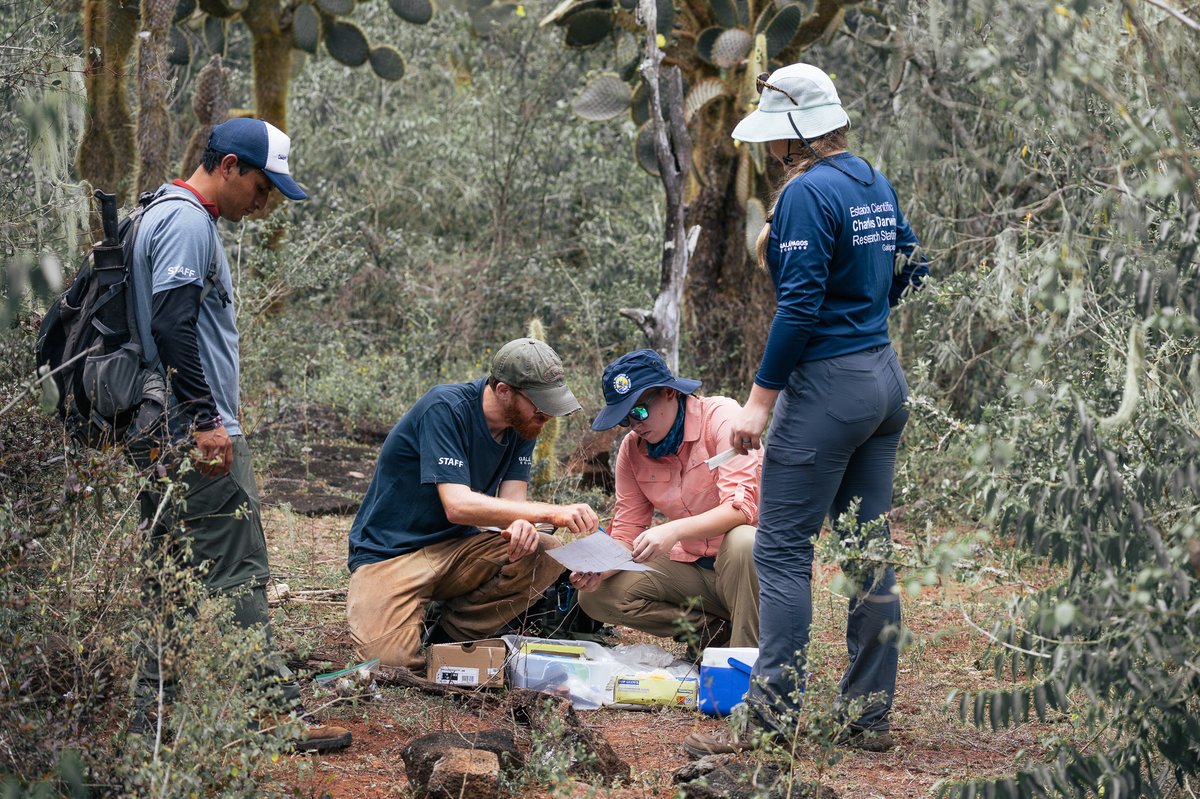
The Charles Darwin Foundation (CDF) is pleased to announce that 16 individuals of the rare plant Scalesia retroflexa were found growing on the steep, rocky coastal slopes of the southeastern point of Santa Cruz Island. Scientists from CDF’s Galapagos Verde 2050 ecological restoration team, in collaboration with rangers from the Galapagos National Park Directorate (GNPD), made this discovery during a recent expedition, renewing hope for the survival of this endemic species.
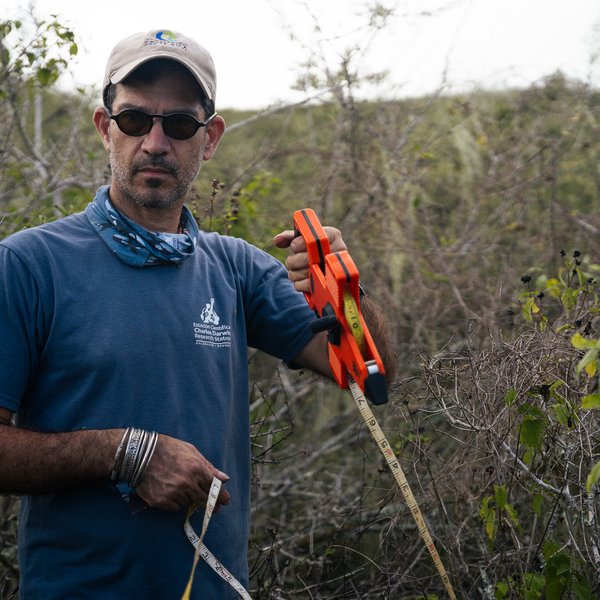
The Charles Darwin Foundation (CDF) has joined the Floreana Ecological Restoration Project as a co-executor, alongside other key organizations. This project aims to restore Floreana Island's ecosystem by eradicating invasive species and reintroducing native animals. CDF will lead habitat restoration efforts and support species reintroductions and monitoring. The initiative focuses on holistic restoration, serving as a model for future conservation projects across the Galapagos and beyond.
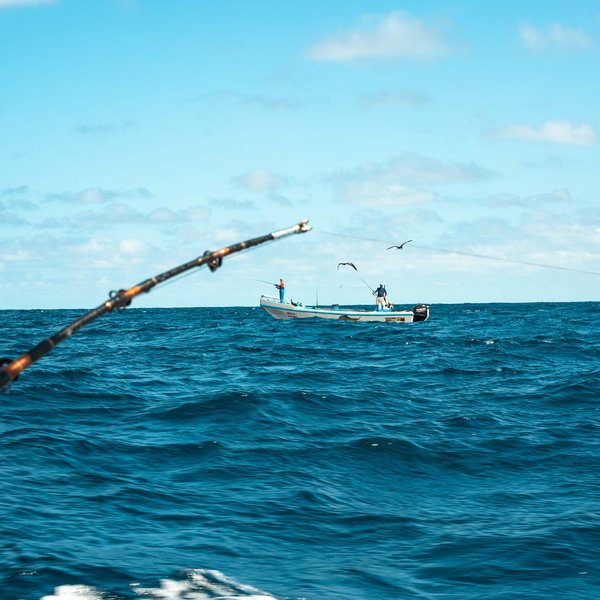
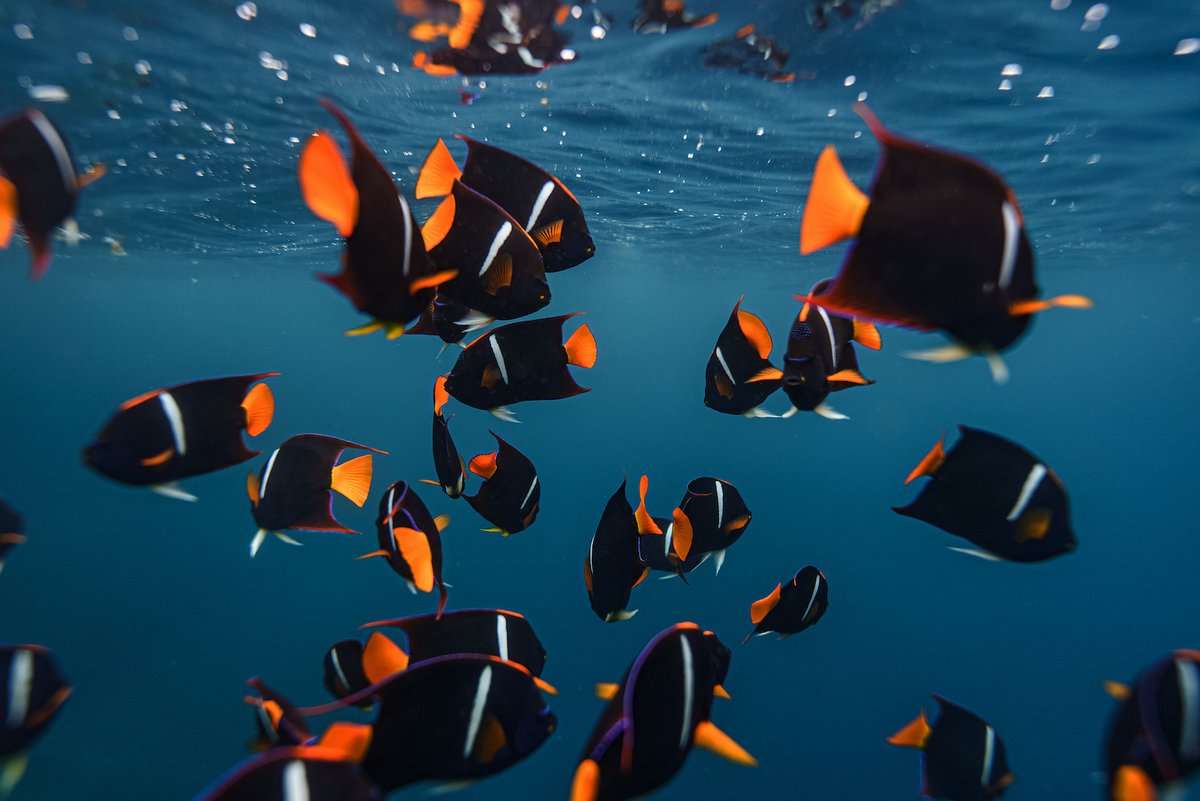
Discover how Galápagos waters fuel Ecuador’s economy and fight climate change. A groundbreaking study by CDF and partners reveals the immense value of marine ecosystems—from carbon-storing mangroves to booming tourism and fishing industries. Learn why protecting these waters is essential for sustainable development and global conservation efforts.