Results
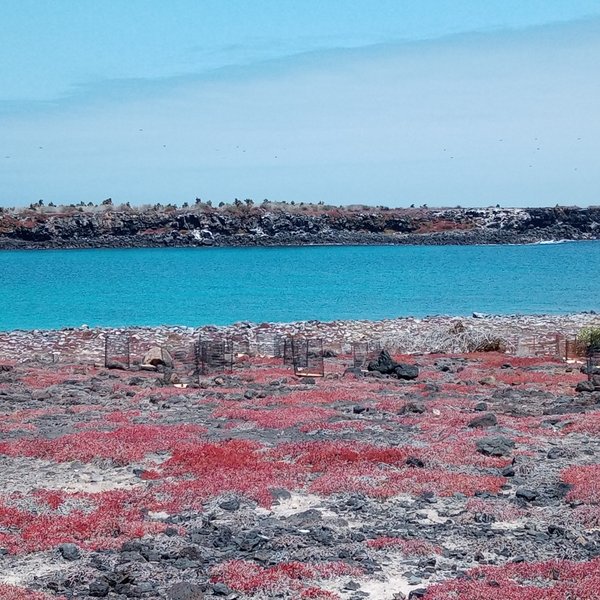
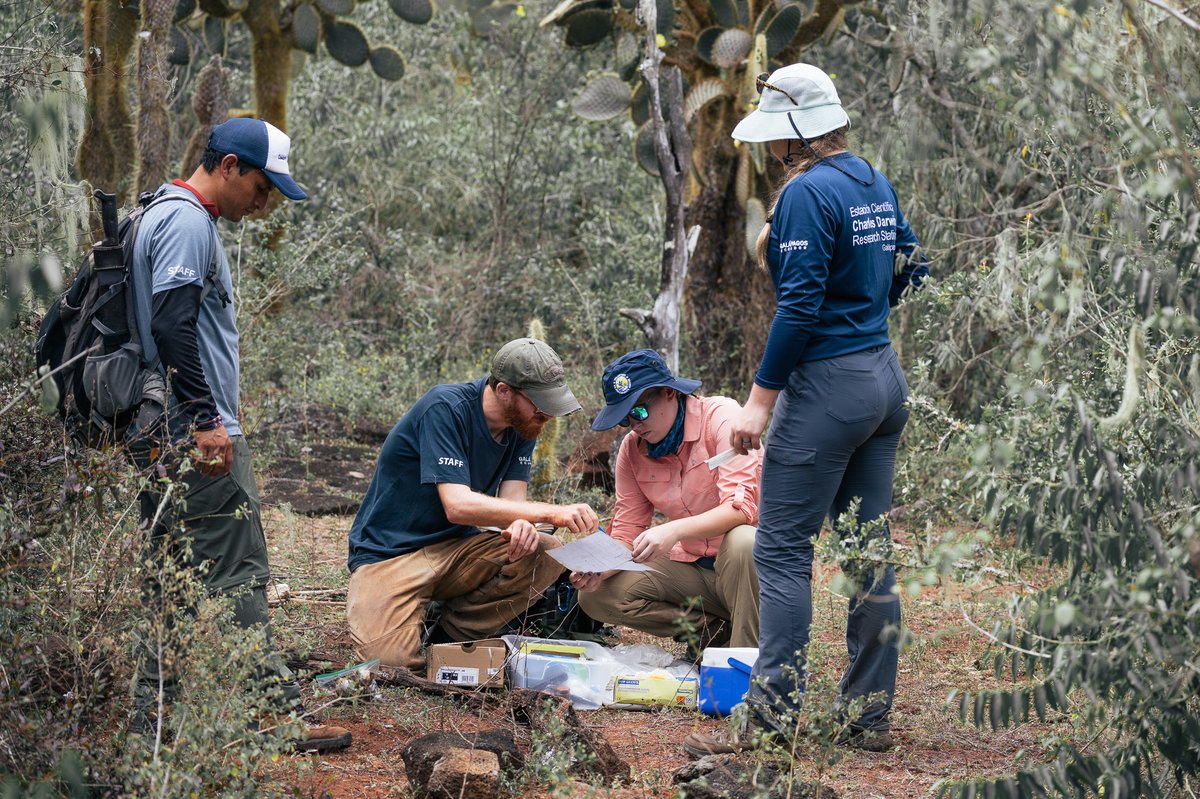
After nearly 70 years, the Opuntia echios cactus is naturally regenerating on Plaza Sur. This milestone marks a triumph for the Galápagos Verde 2050 program’s decade-long restoration efforts. Discover how science, teamwork, and innovation are helping revive a fragile island ecosystem—one cactus at a time. Read the full story.
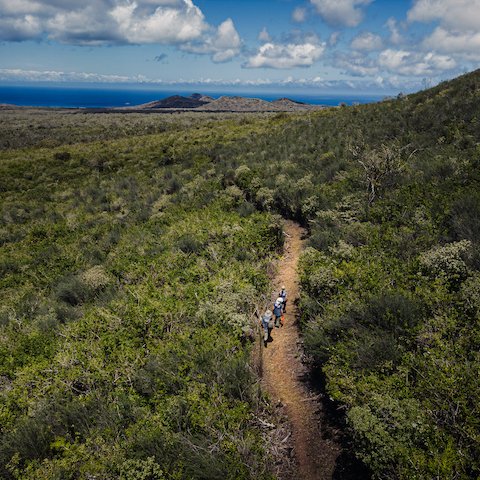
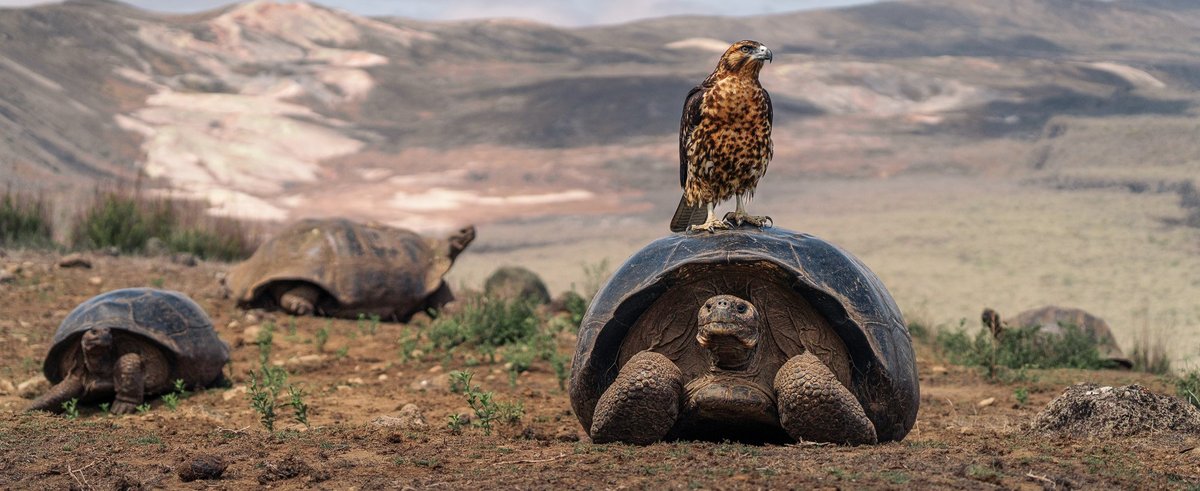
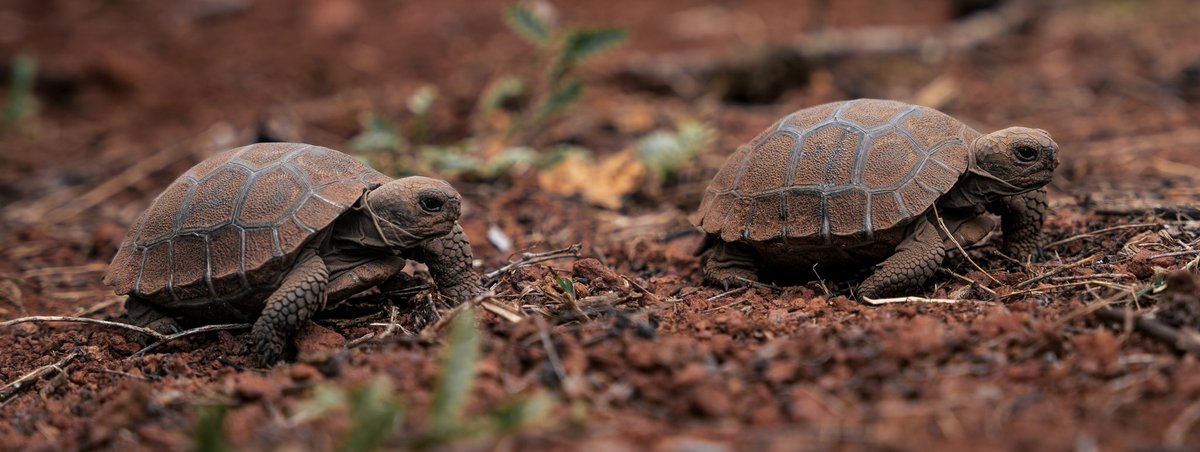
The Floreana Ecological Restoration Project in the Galapagos aims to recover biodiversity by removing invasive species, restoring habitats, and reintroducing native wildlife. Led by a multi-institutional team, including CDF, the initiative combines scientific research and community involvement to ensure long-term ecological recovery and sustainability for both wildlife and the local community.
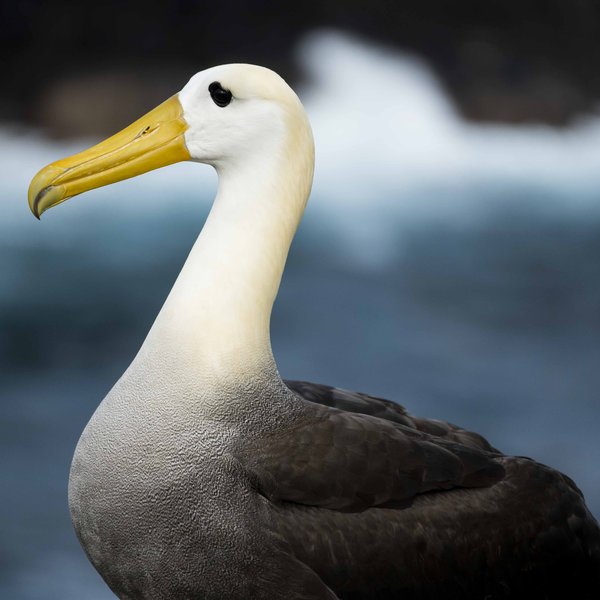

Meet the charming Galapagos penguin—the only wild penguin north of the equator and one of the most endangered. Discover how science, conservation, and your support through symbolic adoption can help protect this unique species. Click to learn how you can make a real difference for penguins and the planet.
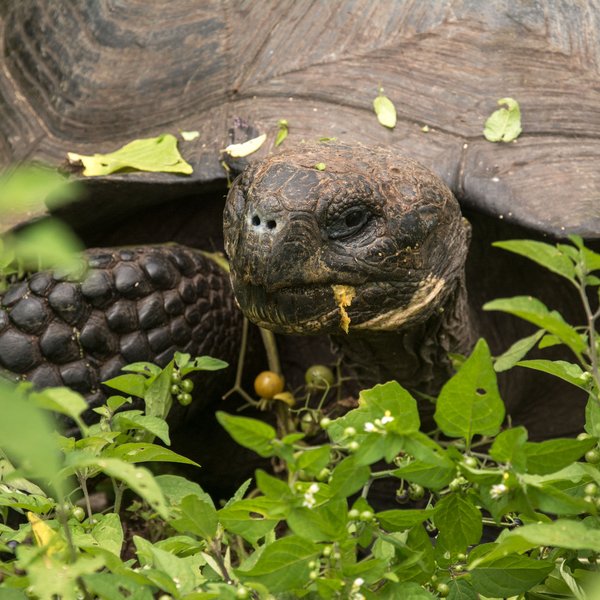
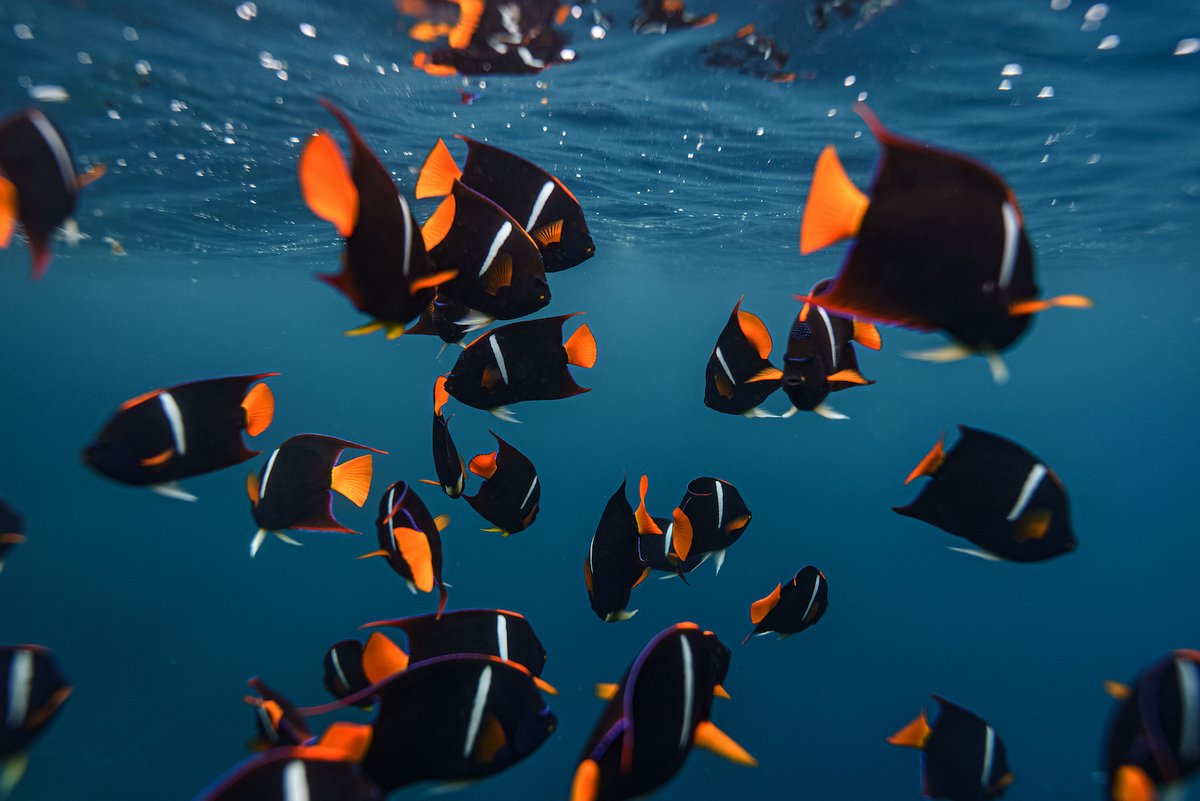
You can support our research and conservation projects by adopting one of the Galapagos species.
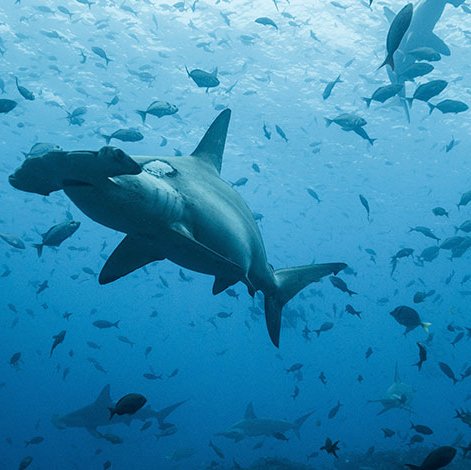
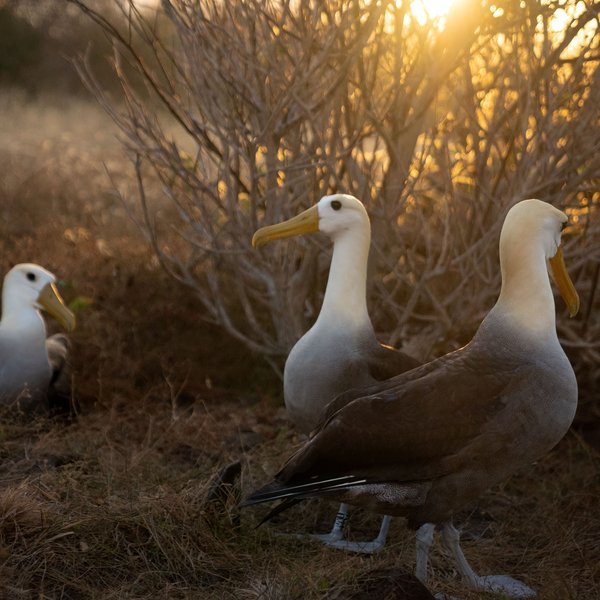
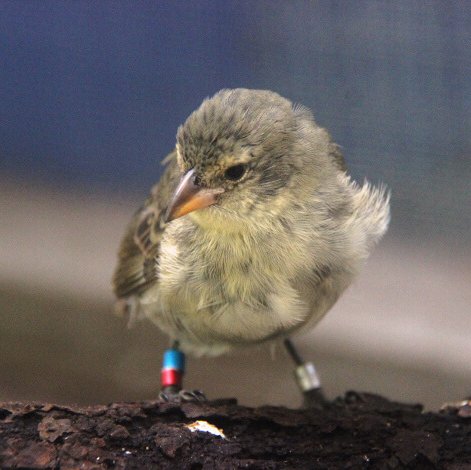
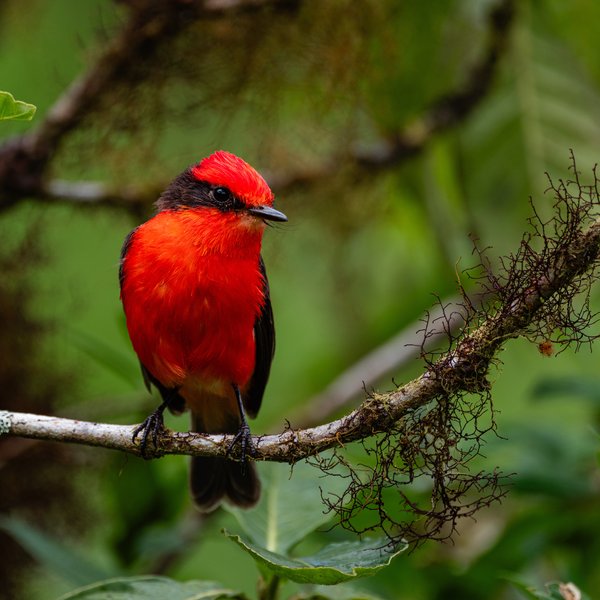
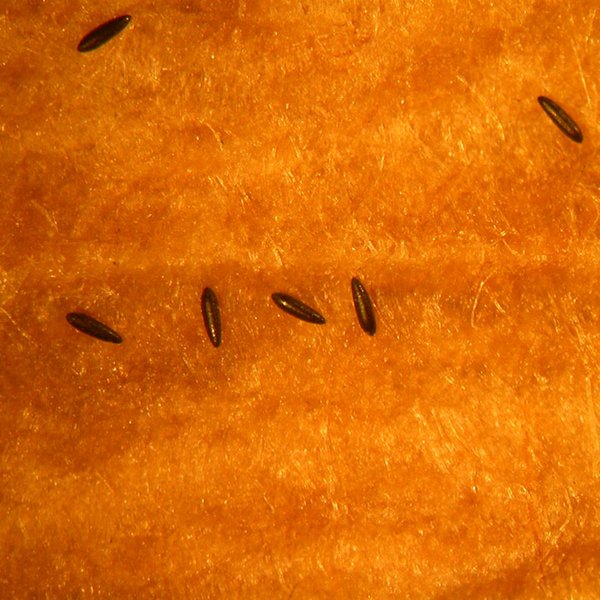
The Galápagos landbird breeding season (January–April) is critical for conservation. Monitoring and adaptive management, including innovative control of Philornis downsi, are improving nesting success. Early results show population recovery in key species, supported by habitat restoration. Ongoing data collection will determine long-term effectiveness and guide future conservation strategies.
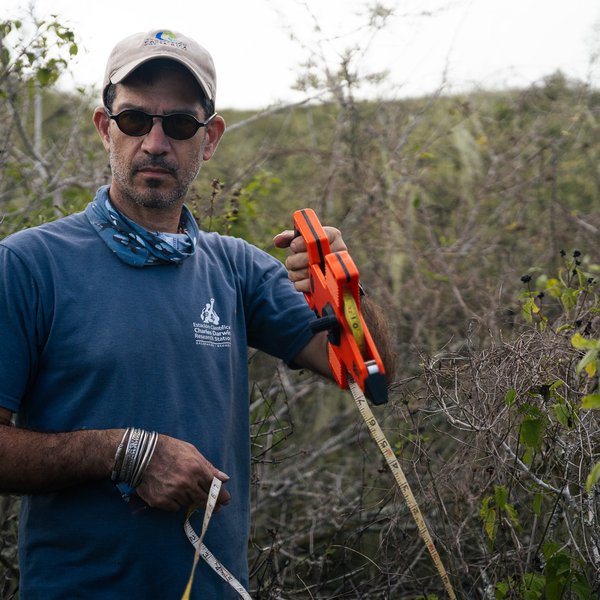
The Charles Darwin Foundation (CDF) has joined the Floreana Ecological Restoration Project as a co-executor, alongside other key organizations. This project aims to restore Floreana Island's ecosystem by eradicating invasive species and reintroducing native animals. CDF will lead habitat restoration efforts and support species reintroductions and monitoring. The initiative focuses on holistic restoration, serving as a model for future conservation projects across the Galapagos and beyond.