Results
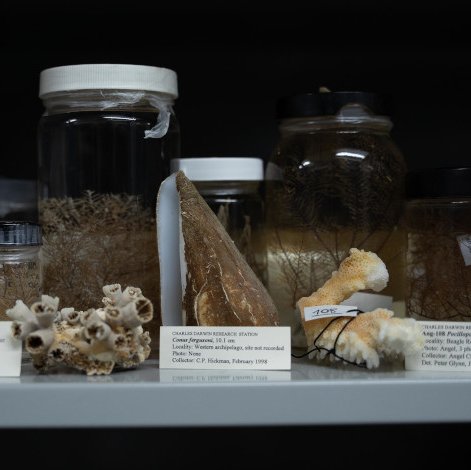
For more than 60 years, the research undertaken at the Charles Darwin Foundation has focused on furthering our understanding of the natural systems, their relationship with those living in the archipelago, and the intricate and relationship with those living in the archipelago, and the intricate and delicate balance between climate, mankind, and nature. Major research efforts have also focused on the prevention, control, and eradication of invasive species to maintain Galapagos as one of the best-conserved archipelagos in the world.
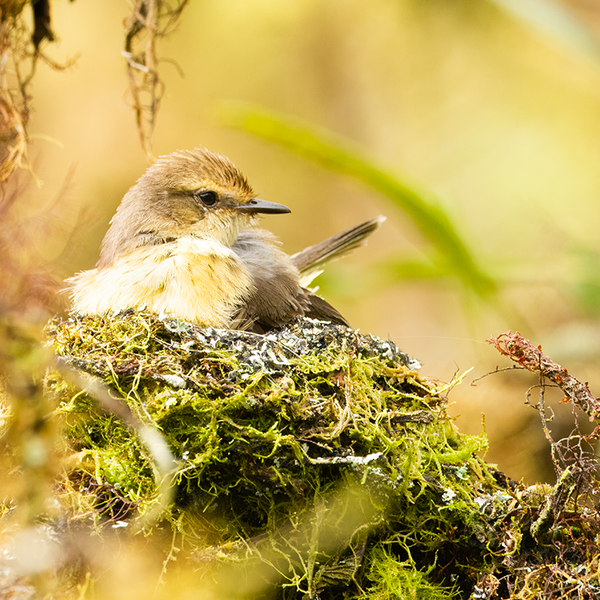
Record Year for Vermilion Flycatcher Season and Advances in the Recovery of the Mangrove Finch
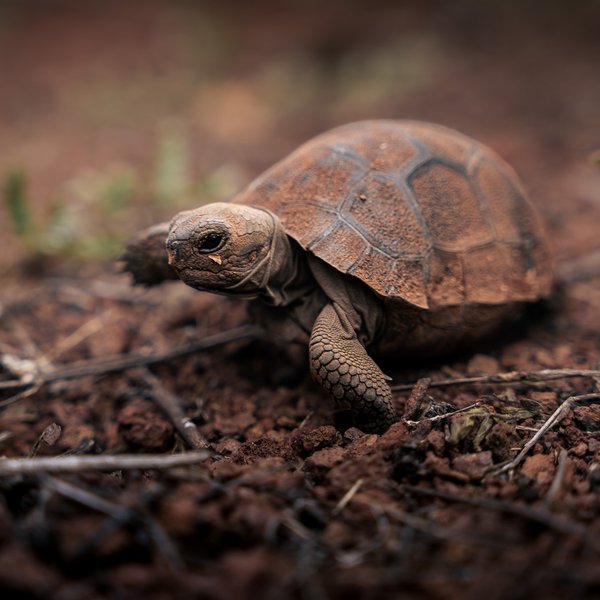
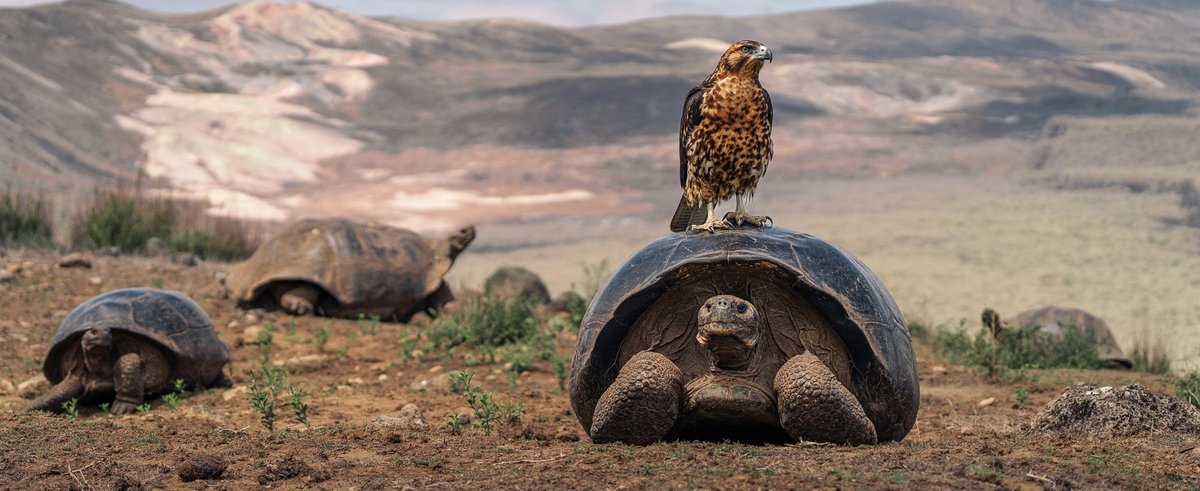
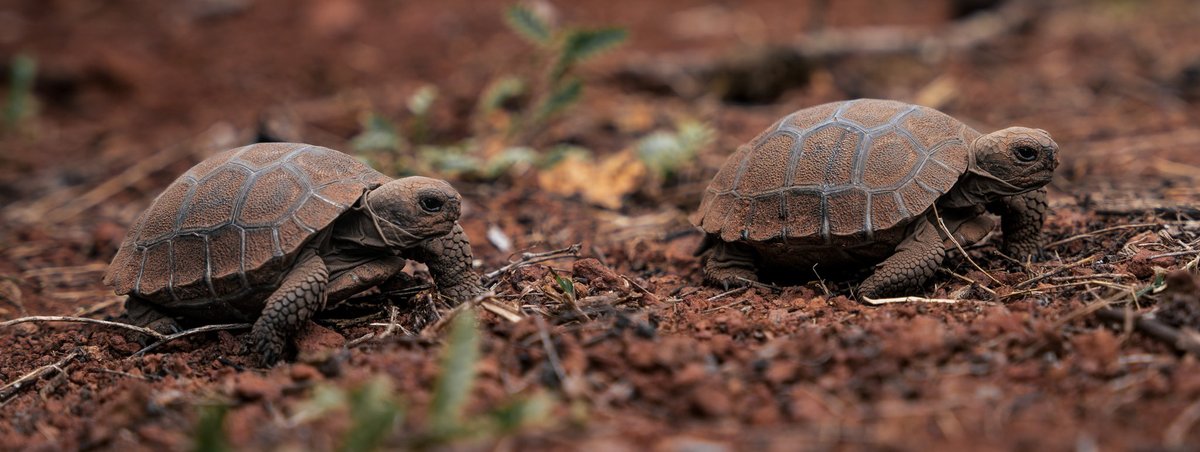
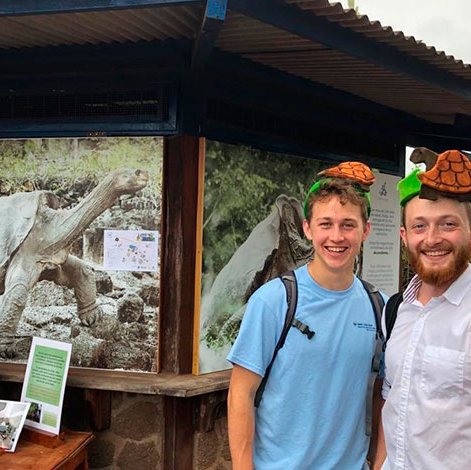
What can giant tortoises teach us about health, science, and hope?
Follow researcher Gislayne Mendoza from her roots in San Cristóbal to the rugged landscapes of Galapagos. Her story unveils surprising virus discoveries, the power of local science, and why protecting these ancient creatures means protecting the delicate balance between wildlife, people, and planet.
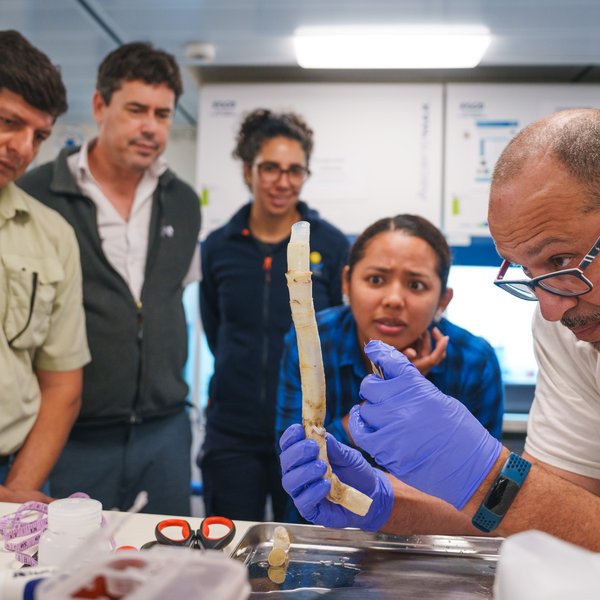
Whether you're a scientist seeking to collaborate , a student aspiring to complete your graduate degree under our guidance, or a university looking to establish a semester abroad program in the Galapagos, the Charles Darwin Foundation is here to provide support.
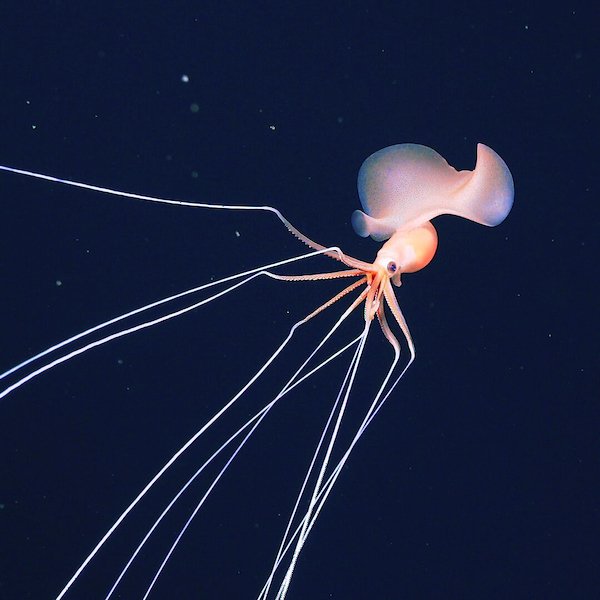
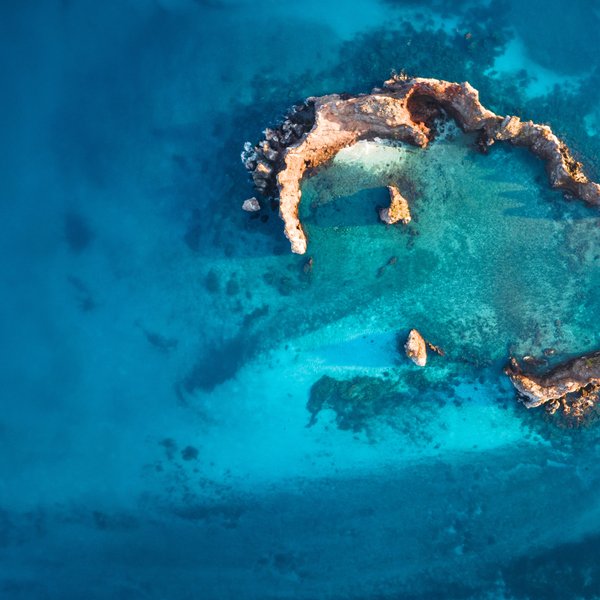
The Deep Ocean Alliance brings together institutions from Costa Rica, Panama, Colombia, and Ecuador to strengthen deep-ocean science and marine conservation in the Eastern Tropical Pacific. Through scientific expeditions, regional collaboration, and technological innovation, the Alliance is improving understanding of deep-sea biodiversity and supporting evidence-based protection of interconnected marine ecosystems.
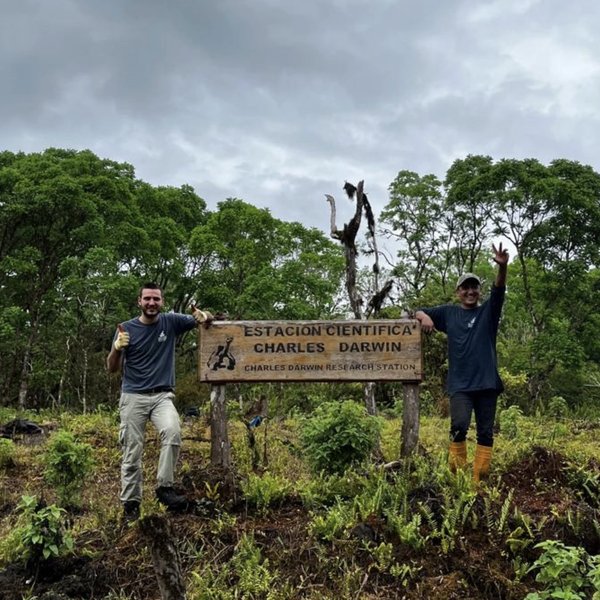
A volunteer’s journey helping restore the endangered Scalesia cordata forests of Isabela through science, fieldwork, and community collaboration.
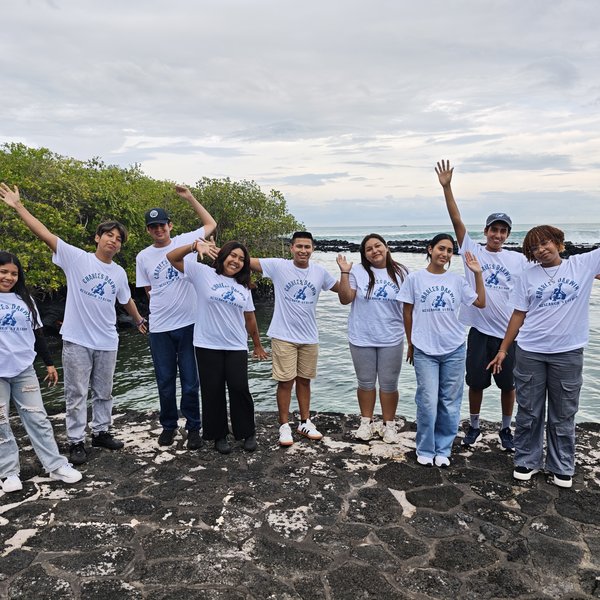
The Charles Darwin Foundation Leadership Club brought together young people from Santa Cruz and Isabela in a journey of learning, leadership, and conservation. Through workshops, community activities, and exchanges, participants strengthened their skills, promoted environmental education, and reinforced their commitment to a sustainable future for Galápagos.
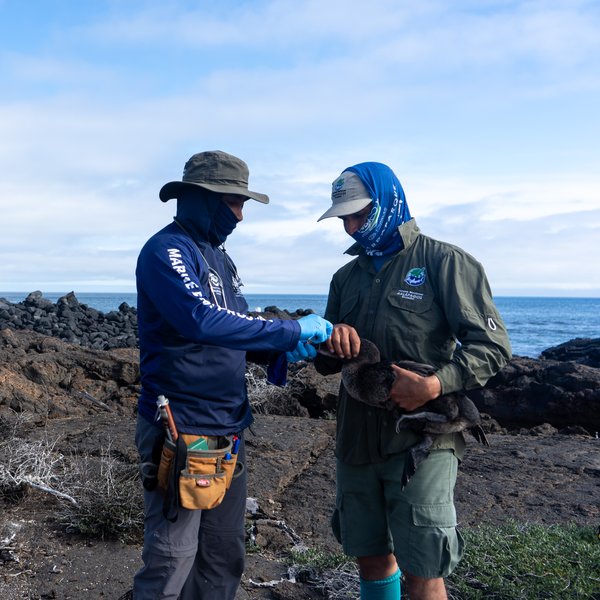
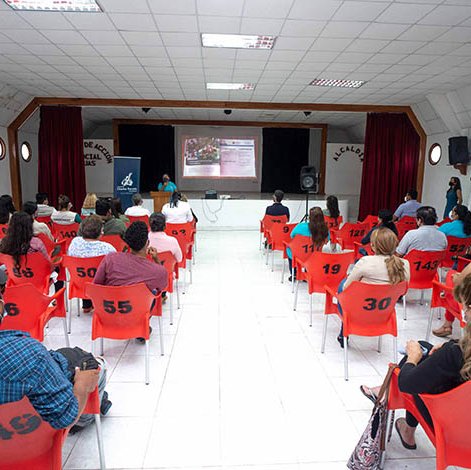
The Charles Darwin Foundation shared the main achievements of its 2025 work through a public accountability event. The initiative highlighted how scientific research supports Galapagos conservation, encouraged dialogue with the local community, and reaffirmed that transparency strengthens institutional trust, collaboration, and long-term commitment to protecting the archipelago.
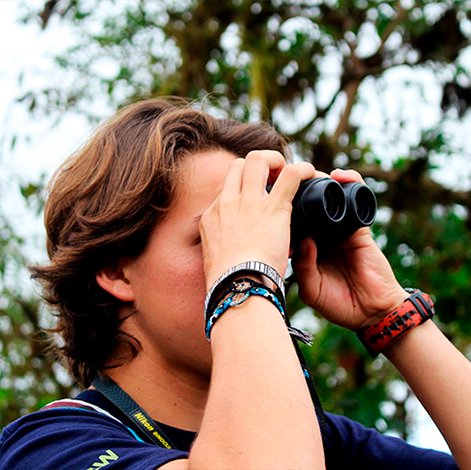
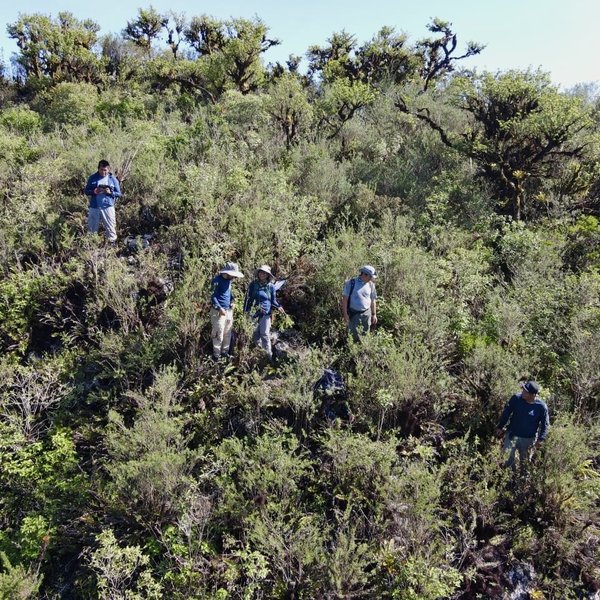
More than half of the endemic plant species in Galapagos are currently classified as threatened. The potential loss of these imperiled species not only disrupts ecosystem integrity, but also jeopardizes the survival of iconic native fauna that depend on it. We are updating the IUCN Red List of endangered plant species of Galapagos in order to enable targeted species conservation actions.
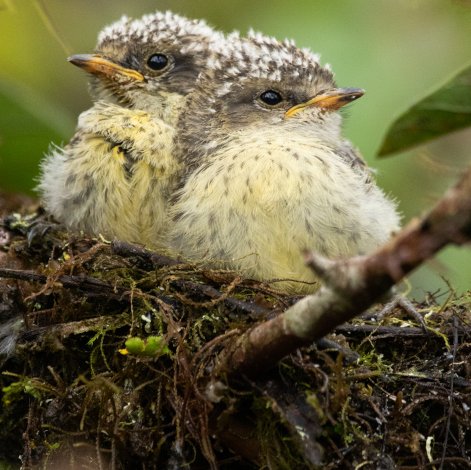
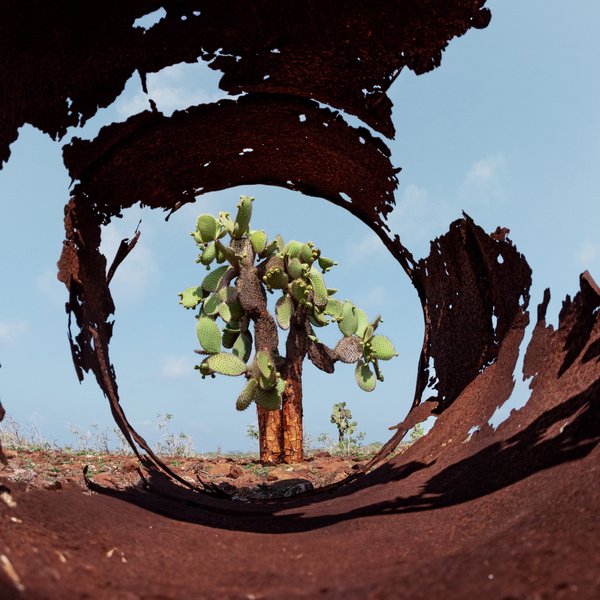
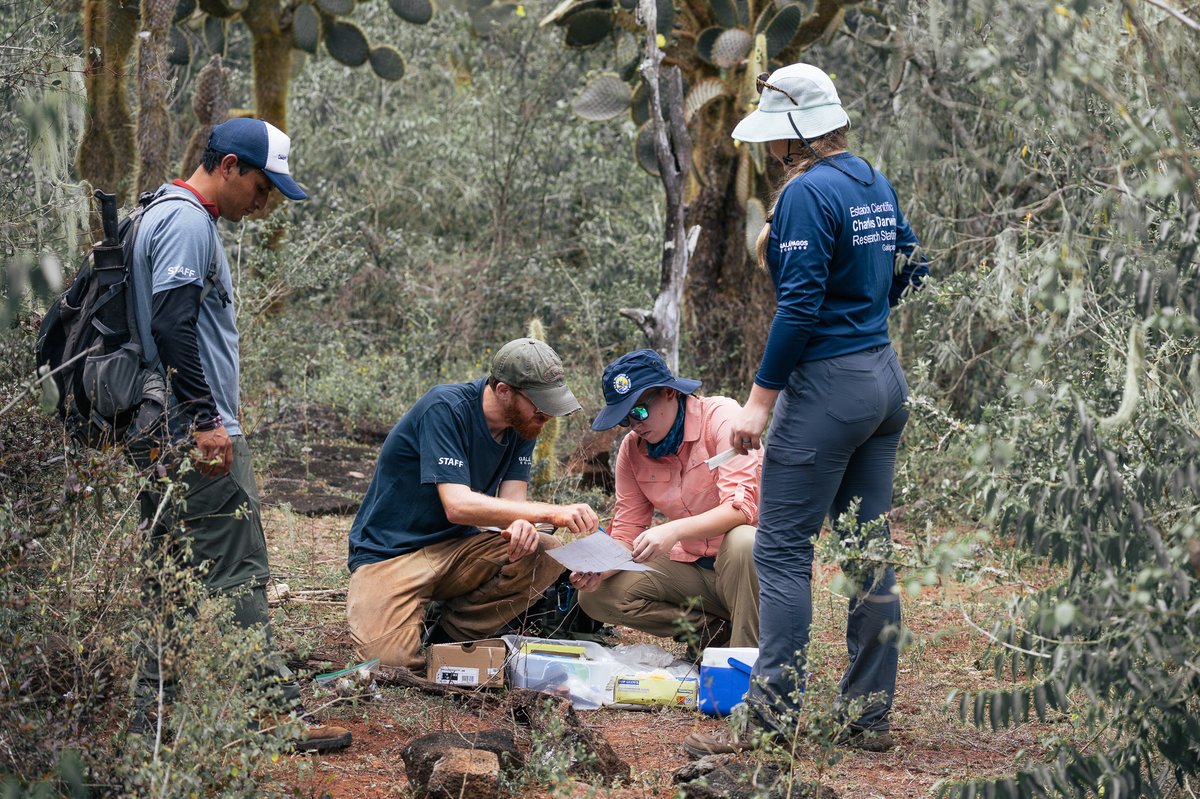
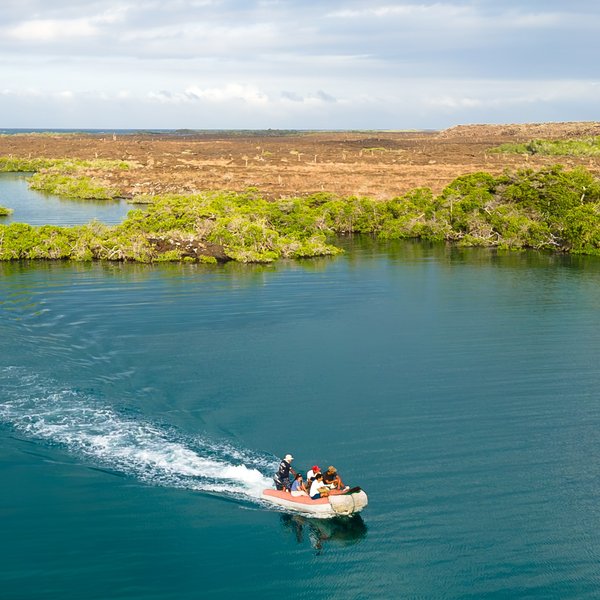
In Galapagos, 83% of the landmass falls within the arid zone. Restoring plant communities in this zone is challenging and slow, and natural regeneration in severely degraded areas is very limiting. Our scientists work to restore the arid habitat across various islands in the archipelago, notably Baltra Island, which has undergone significant human alteration, and special use sites such as garbage dumps and quarries on inhabited islands.
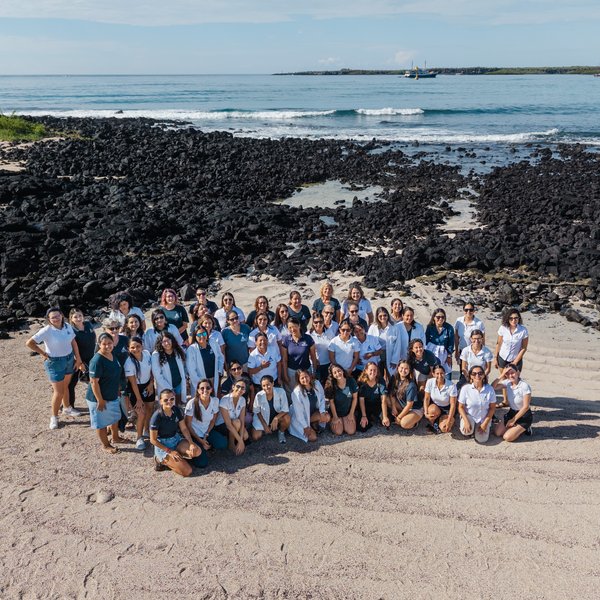
This International Women’s Day, discover how an equity lens is shaping conservation in the Galápagos. From the legacy of pioneering women in science to new research on gender roles in fisheries, the Charles Darwin Foundation highlights why inclusive leadership and gender equity are essential for stronger communities and more effective conservation.