Results
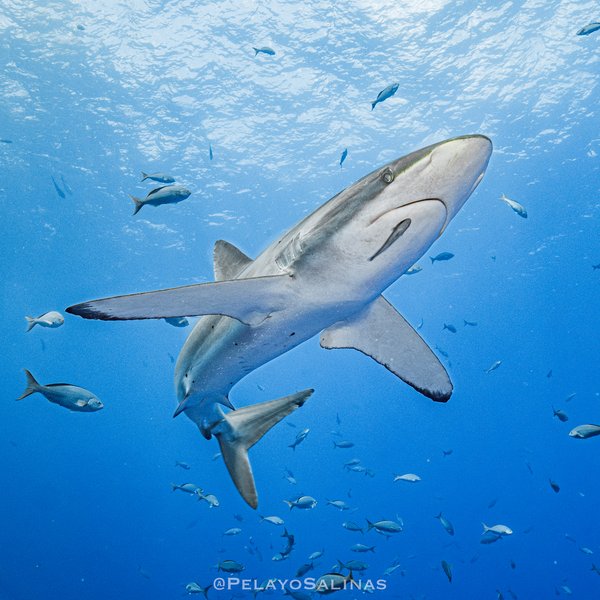
Satellite tagging reveals that silky sharks spend nearly half their time outside Eastern Tropical Pacific marine reserves, exposing them to intense industrial fishing. Tracking 40 sharks from Galápagos, researchers uncover critical gaps in MPA networks and call for expanded protections to better safeguard this vulnerable, wide-ranging species in the region.
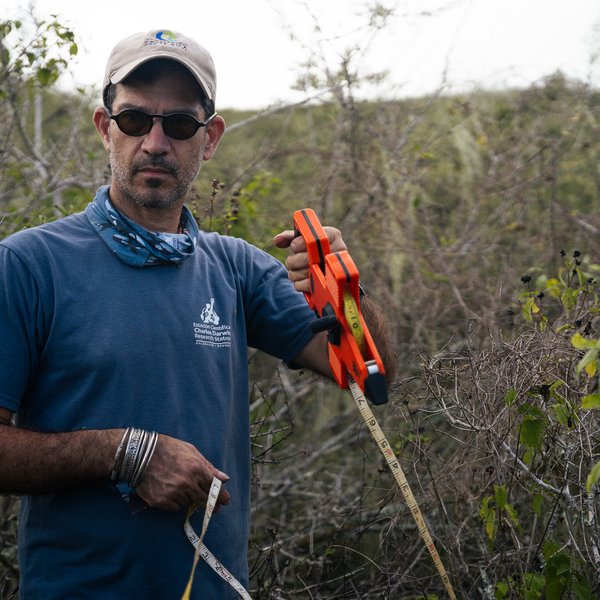
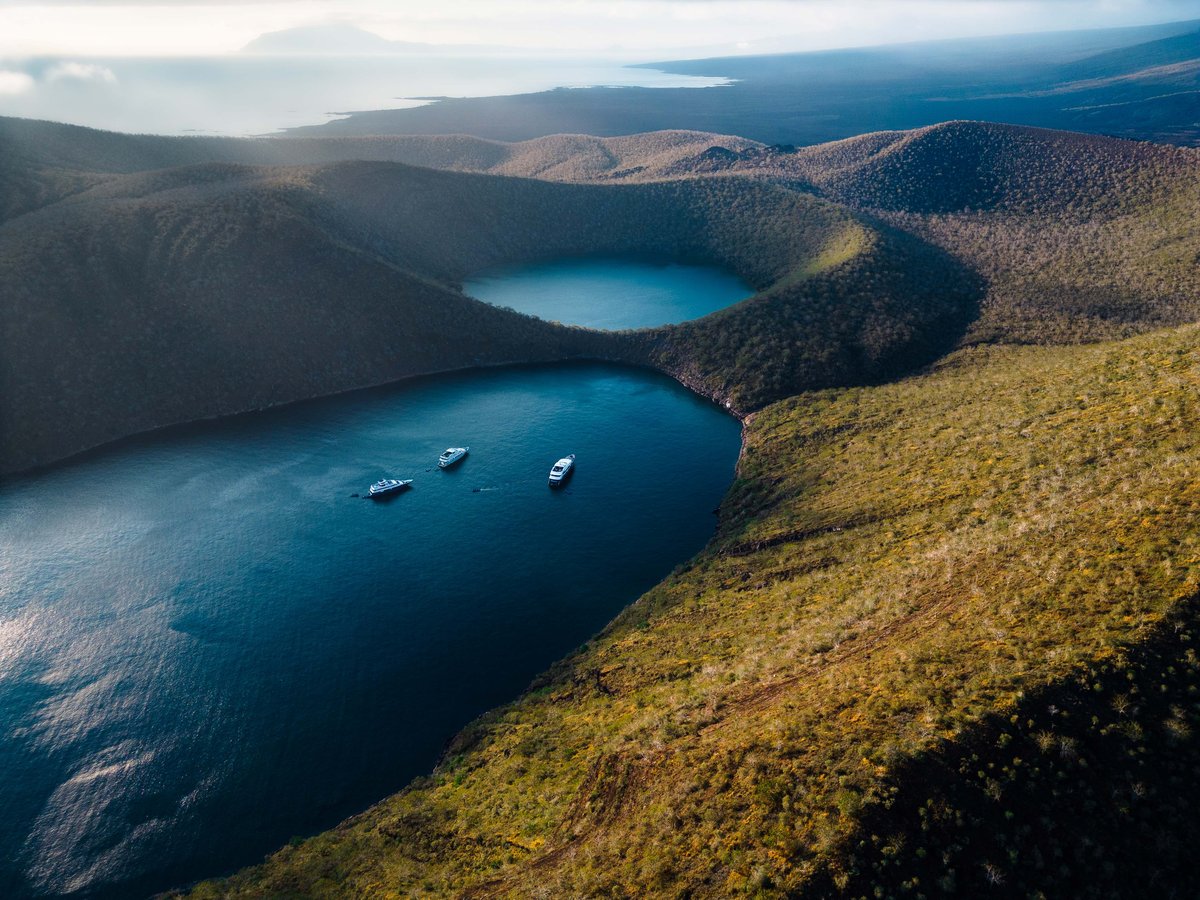
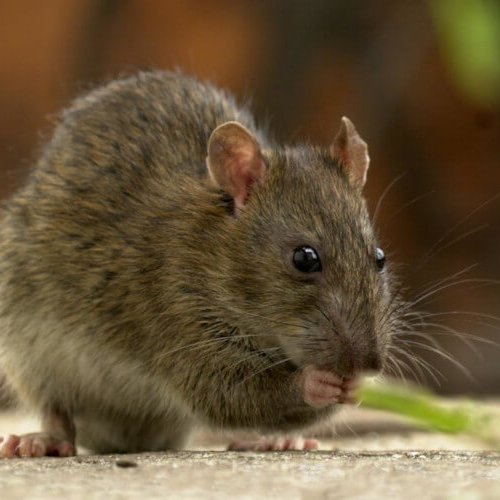
The Charles Darwin Foundation (CDF) has joined the Floreana Ecological Restoration Project as a co-executor, alongside other key organizations. This project aims to restore Floreana Island's ecosystem by eradicating invasive species and reintroducing native animals. CDF will lead habitat restoration efforts and support species reintroductions and monitoring. The initiative focuses on holistic restoration, serving as a model for future conservation projects across the Galapagos and beyond.
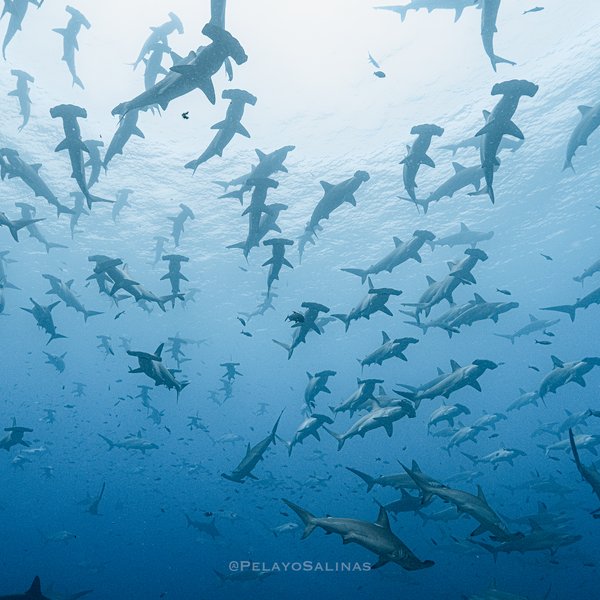
A groundbreaking study across seven marine protected areas in the Eastern Tropical Pacific reveals thriving shark and predator populations in remote island MPAs like Galapagos and Malpelo, while coastal reserves are severely depleted. Discover what this means for ocean protection, why it matters, and the urgent actions scientists recommend.
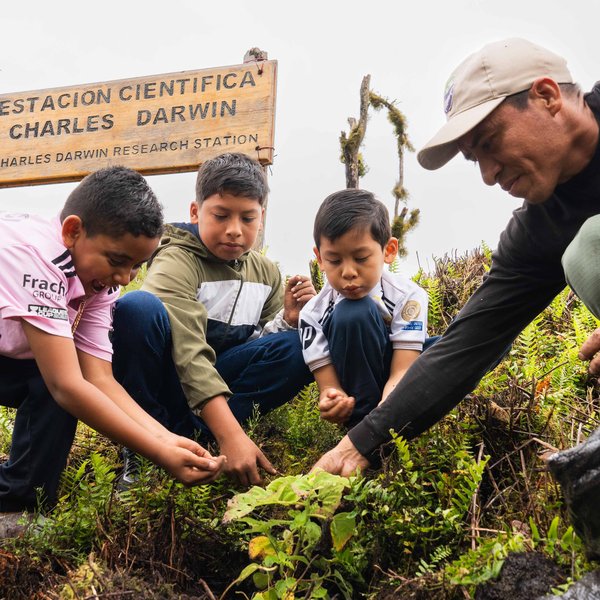
Discover the revival of Isabela Island’s historic Children’s Forest, a once-forgotten sanctuary of the endangered Scalesia cordata. From its origins with Don Jacinto to today’s community-led restoration, this story reconnects generations through conservation, memory, and hope. Click to explore how a beloved forest is coming back to life.
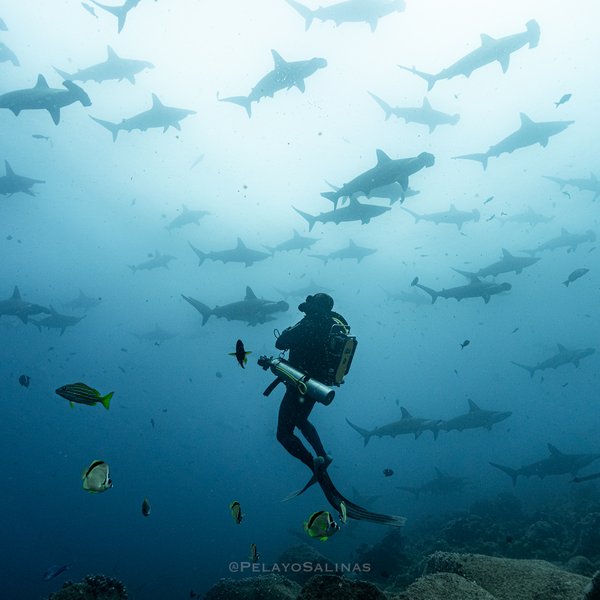
Scientists from the Charles Darwin Foundation’s shark ecology and conservation program and collaborators, have published what is likely the first-ever scientifically recorded birthing migration for the critically endangered scalloped hammerhead shark (Sphyrna lewini).

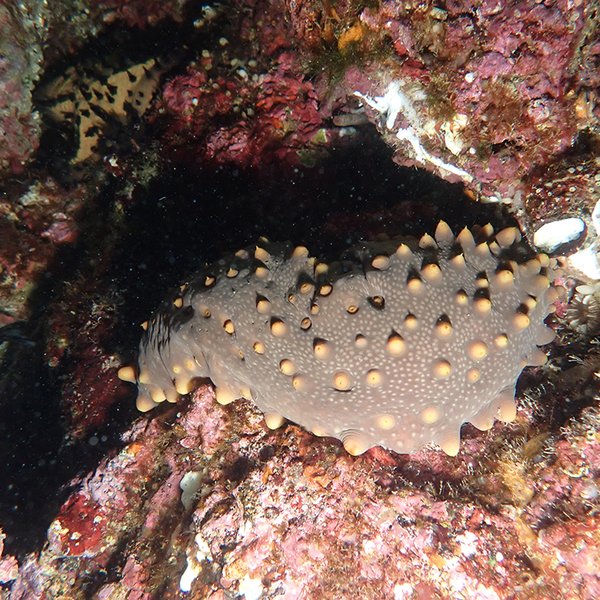
Local expertise meets global science: the first complete genome of endangered sea cucumber advances marine conservation in Galápagos
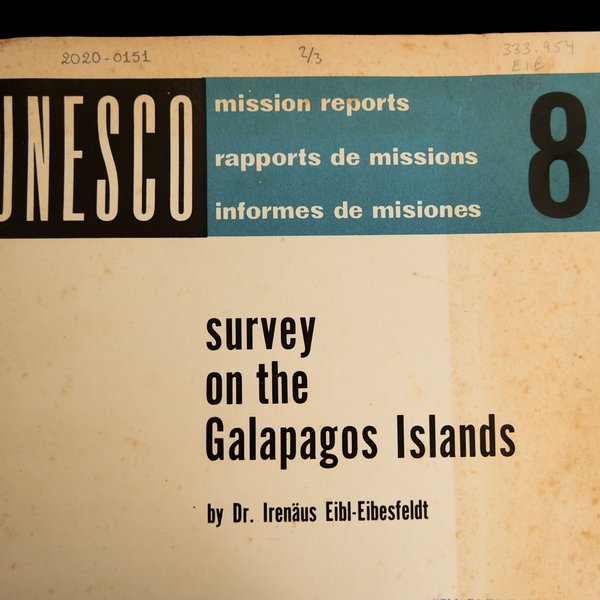
The conservation of Galápagos began in the 1950s, when scientists first raised concerns about threats to the islands’ unique biodiversity. This period led to the creation of the Charles Darwin Foundation and the Galápagos National Park in 1959.
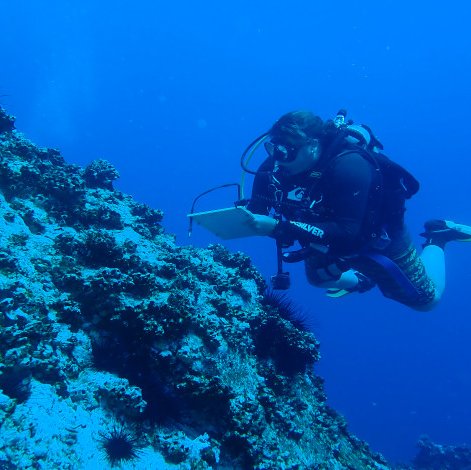
The CDF joins the Island-Ocean Connection Challenge to Implement Community-Based Monitoring and Safeguard Island Ecosystems
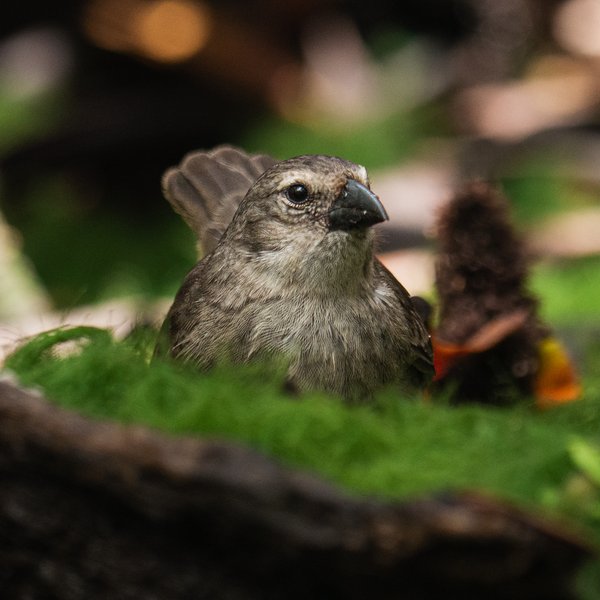
Scientists in Galápagos have recorded the most successful breeding season ever for the critically endangered Mangrove Finch, one of the world’s rarest birds. Discover how years of conservation work, innovative nest-protection strategies, and collaboration are offering new hope for this species’ survival in the remote mangrove forests of Isabela Island.
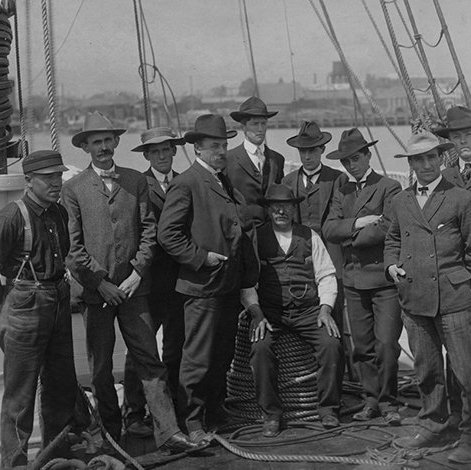
The 1905–1906 expedition of the California Academy of Sciences, led by Rollo Howard Beck, introduced a systematic approach to studying the Galápagos. By documenting specimen origins, it revealed variation among islands, established the archipelago as a natural laboratory of evolution, and laid foundations for ongoing research and conservation.
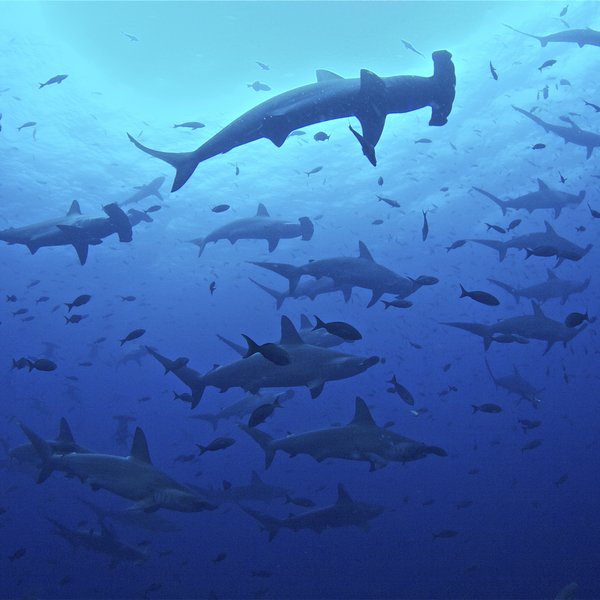
The Charles Darwin Foundation and WWF launch project "Habla Tiburón" to promote the conservation of sharks and rays and empower fishing communities in mainland and insular Ecuador
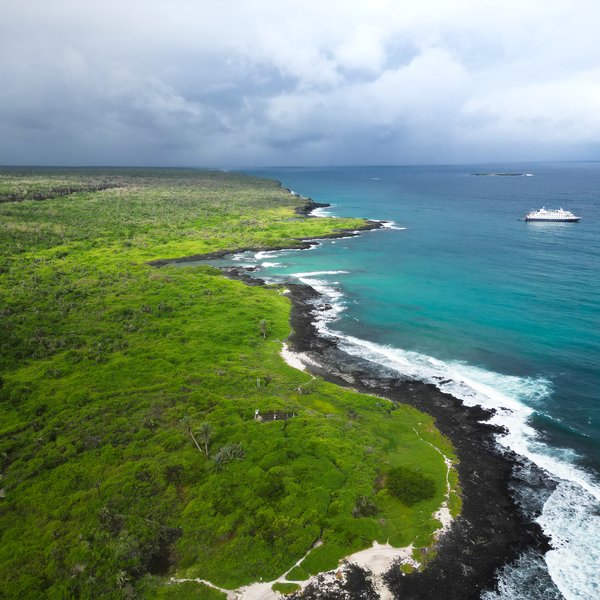
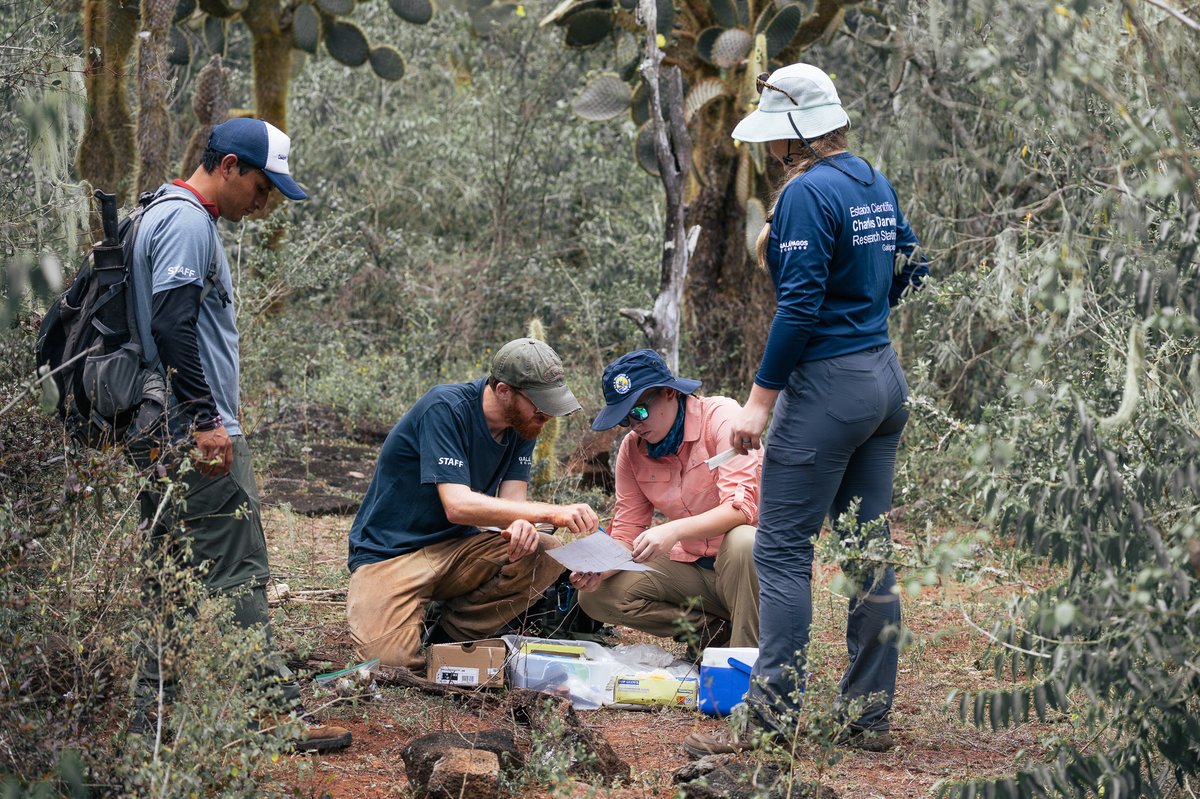
The Charles Darwin Foundation (CDF) is pleased to announce that 16 individuals of the rare plant Scalesia retroflexa were found growing on the steep, rocky coastal slopes of the southeastern point of Santa Cruz Island. Scientists from CDF’s Galapagos Verde 2050 ecological restoration team, in collaboration with rangers from the Galapagos National Park Directorate (GNPD), made this discovery during a recent expedition, renewing hope for the survival of this endemic species.
The Charles Darwin Foundation (CDF) is pleased to announce that 16 individuals of the rare plant Scalesia retroflexa were found growing on the steep, rocky coastal slopes of the southeastern point of Santa Cruz Island. Scientists from CDF’s Galapagos Verde 2050 ecological restoration team, in collaboration with rangers from the Galapagos National Park Directorate (GNPD), made this discovery during a recent expedition, renewing hope for the survival of this endemic species.
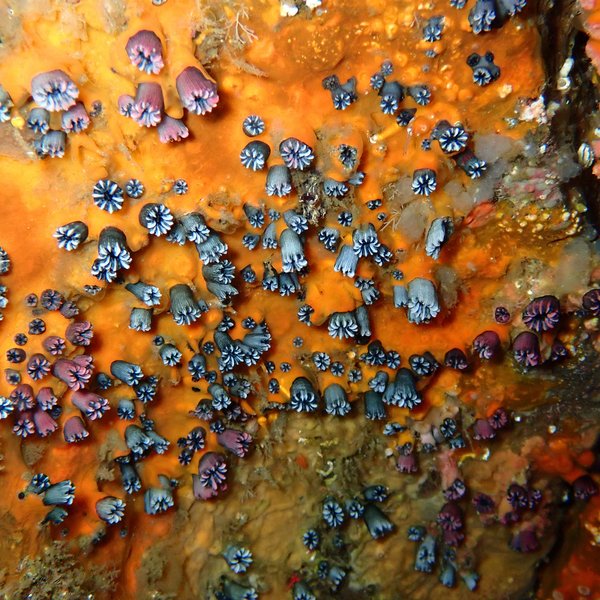
A scientific team led by the Charles Darwin Foundation (CDF) and the California Academy of Sciences (CAS), in collaboration with the Galapagos National Park Directorate (GNPD) has confirmed that Rhizopsammia wellingtoni—a solitary coral thought to be lost for a generation— is alive and clinging to Galapagos’ underwater cliffs.
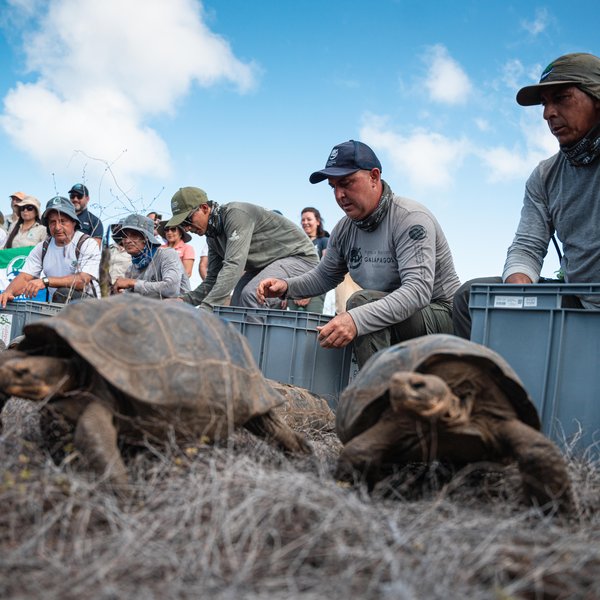
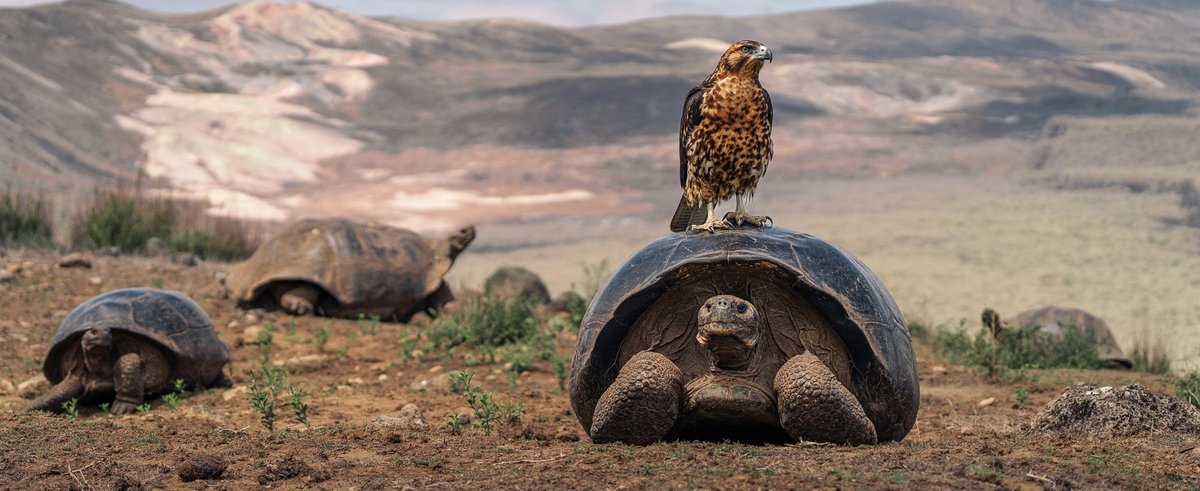
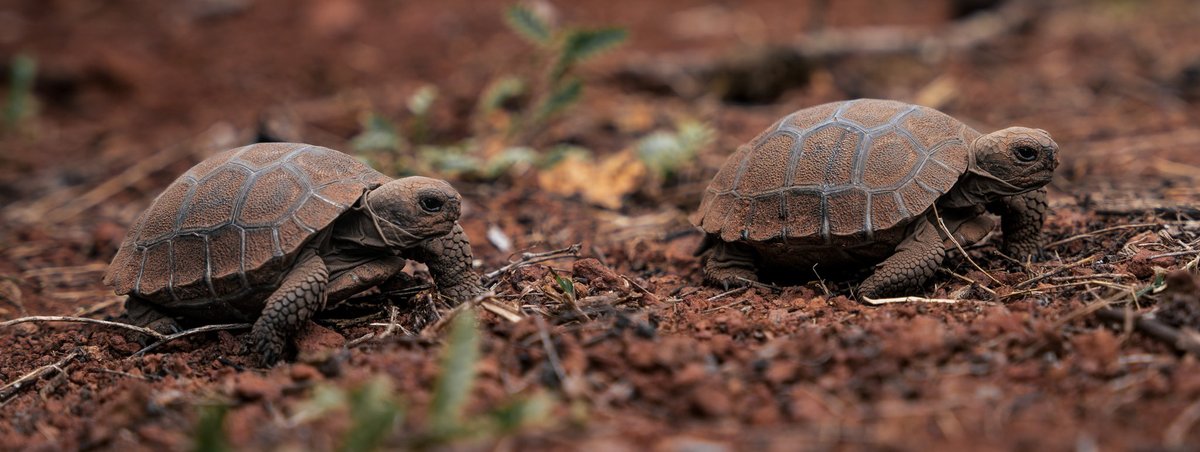
After more than 180 years, 158 endangered giant tortoises have returned to Floreana Island, marking a historic milestone in the Galápagos’ largest restoration effort. Discover how science, community leadership, and global collaboration are bringing back a lost lineage—and rebuilding an entire ecosystem from the ground up.
Silky shark's record-breaking migration of more than 27,000 km on the Tropical Eastern Pacific sheds light on urgent conservation need
Silky shark's record-breaking migration of more than 27,000 km on the Tropical Eastern Pacific sheds light on urgent conservation need