Results
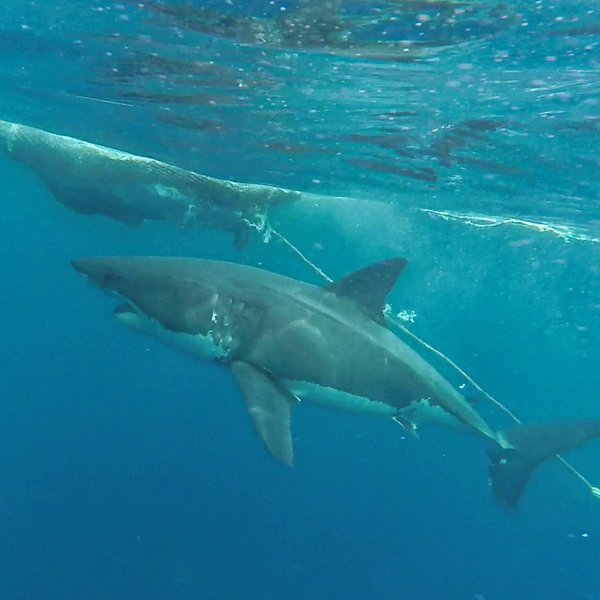
Researchers from the Charles Darwin Foundation and the Galapagos National Park have published the first confirmed record of a white shark in Ecuadorian waters. The encounter, roughly ninety kilometers west of Wolf Island and outside the Galapagos Marine Reserve (GMR), marks an unusual sighting of this species in the Eastern Tropical Pacific, where sightings south of Mexico's coastline are exceptionally rare.

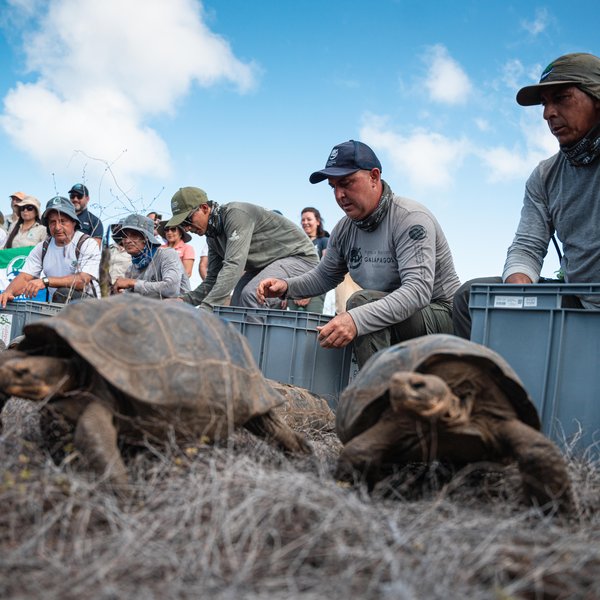
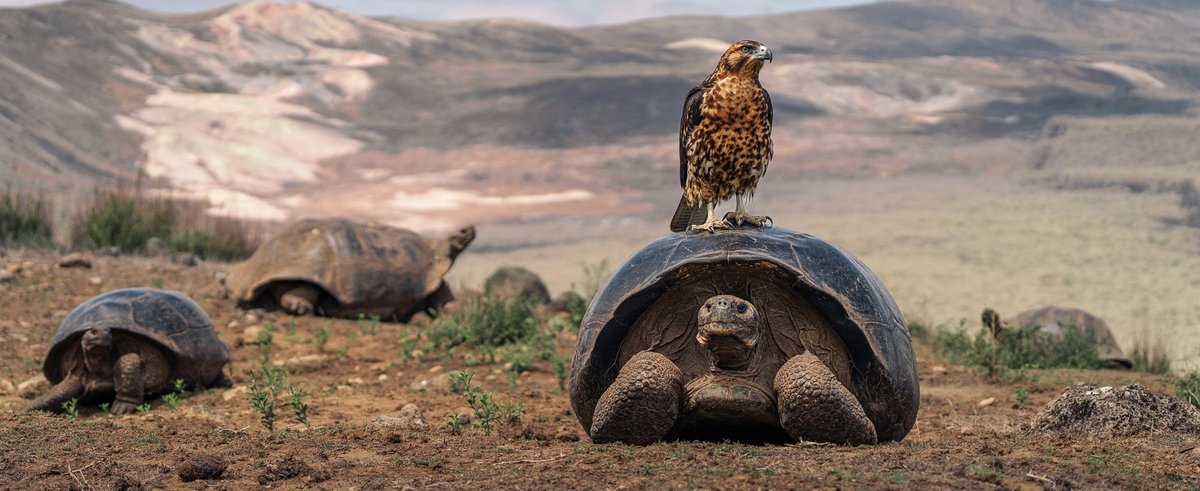
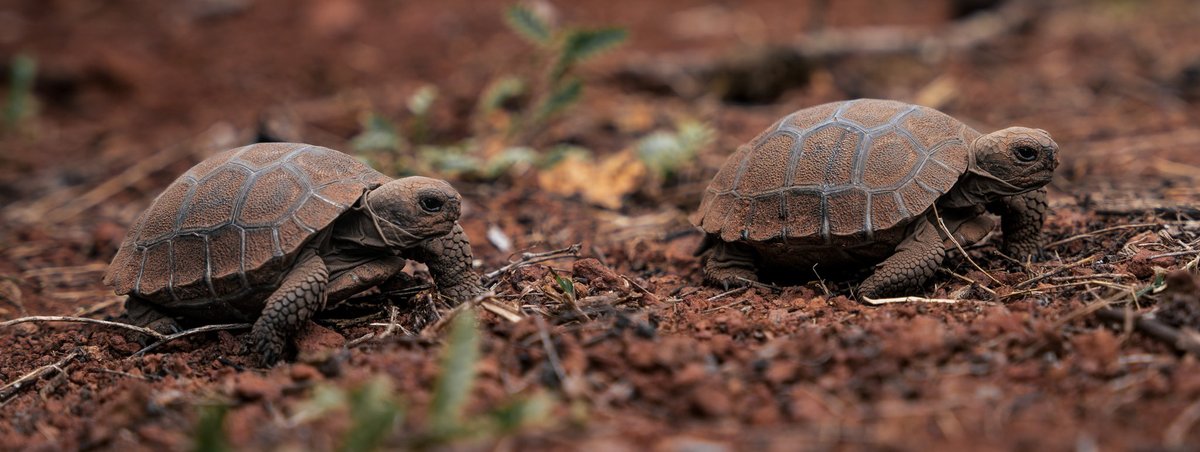
After more than 180 years, 158 endangered giant tortoises have returned to Floreana Island, marking a historic milestone in the Galápagos’ largest restoration effort. Discover how science, community leadership, and global collaboration are bringing back a lost lineage—and rebuilding an entire ecosystem from the ground up.
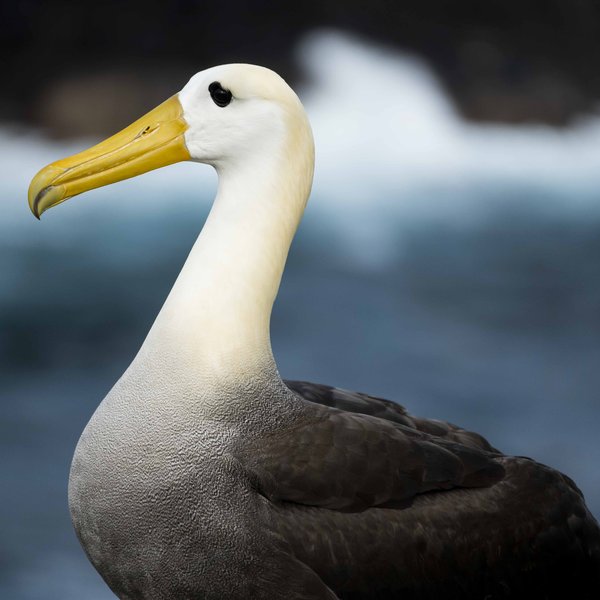
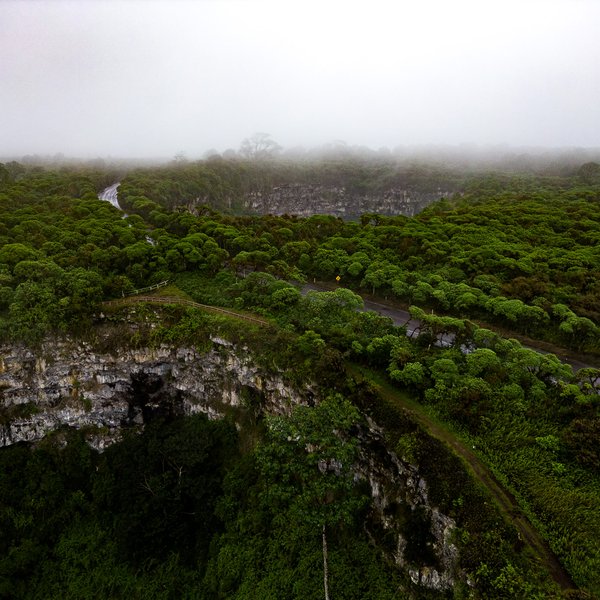
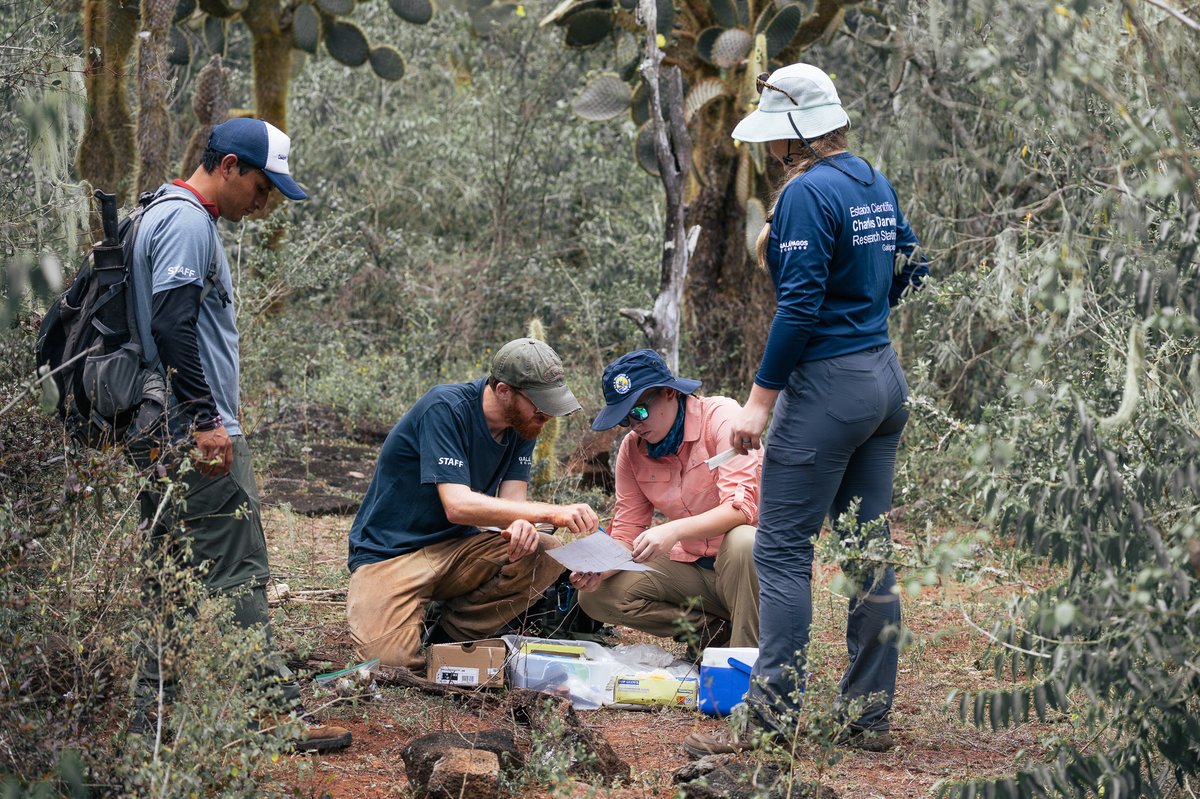
A new international research initiative is investigating how climate change could reshape the Galápagos cloud forests by altering the iconic garúa fog. Discover how scientists will study water, biodiversity, and invasive species to generate the knowledge needed to protect the archipelago’s unique ecosystems and freshwater resources for future generations.
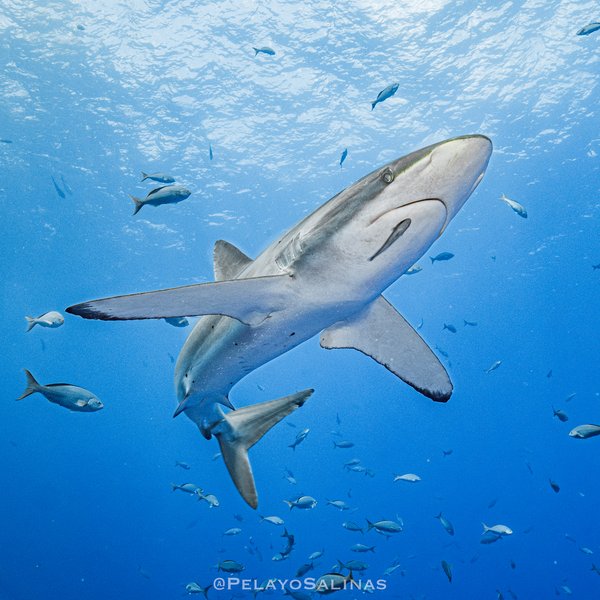
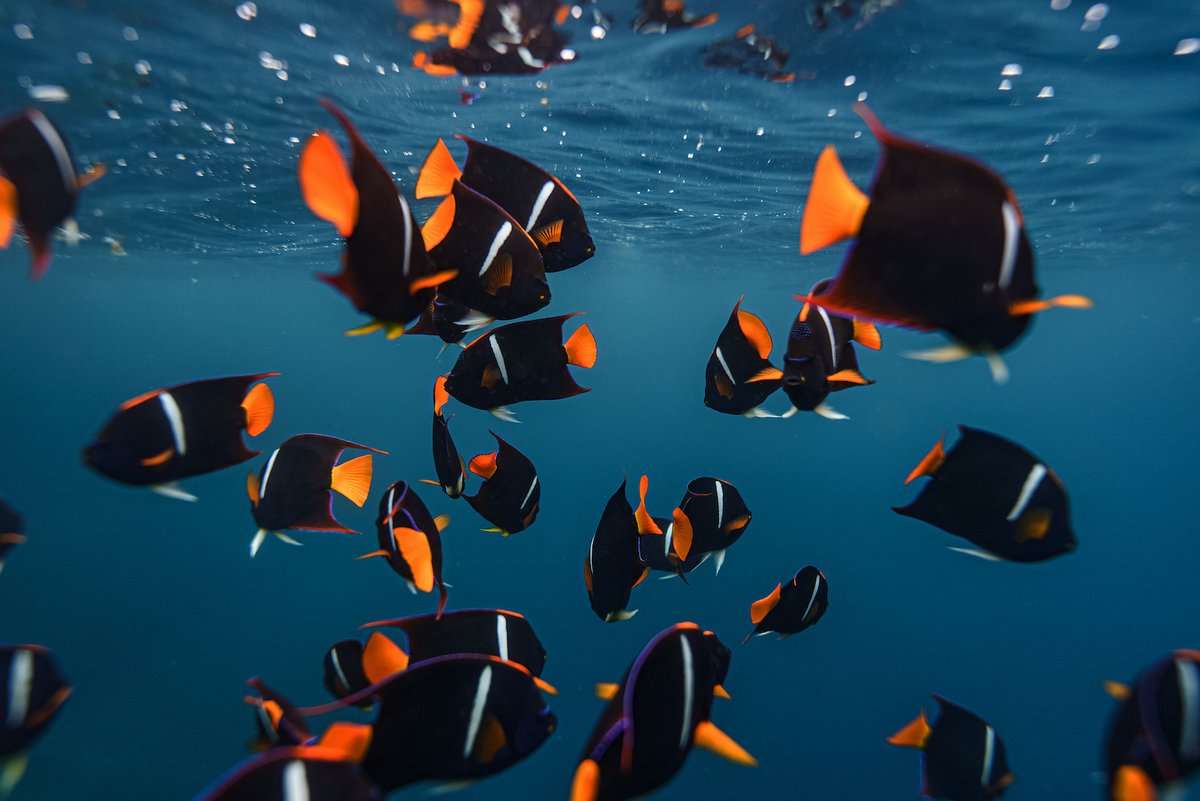
Satellite tagging reveals that silky sharks spend nearly half their time outside Eastern Tropical Pacific marine reserves, exposing them to intense industrial fishing. Tracking 40 sharks from Galápagos, researchers uncover critical gaps in MPA networks and call for expanded protections to better safeguard this vulnerable, wide-ranging species in the region.
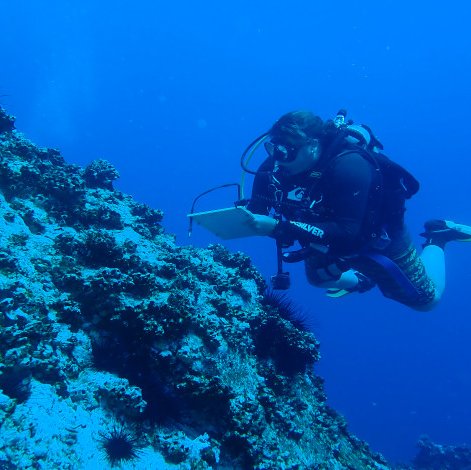
The CDF joins the Island-Ocean Connection Challenge to Implement Community-Based Monitoring and Safeguard Island Ecosystems
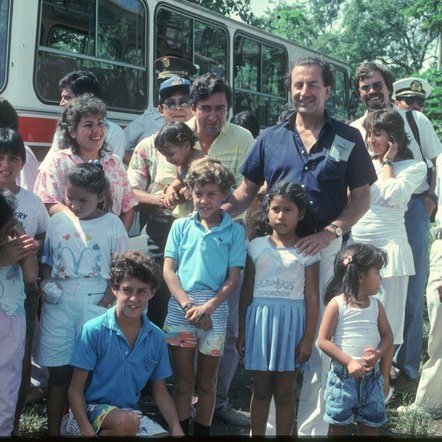
Former Ecuadorian President Rodrigo Borja played a pivotal role in strengthening the institutional foundations of conservation in Galápagos. As an Honorary Member of the CDF, he supported science-based stewardship through key agreements, governance frameworks, and lasting commitments that continue to shape conservation efforts today.

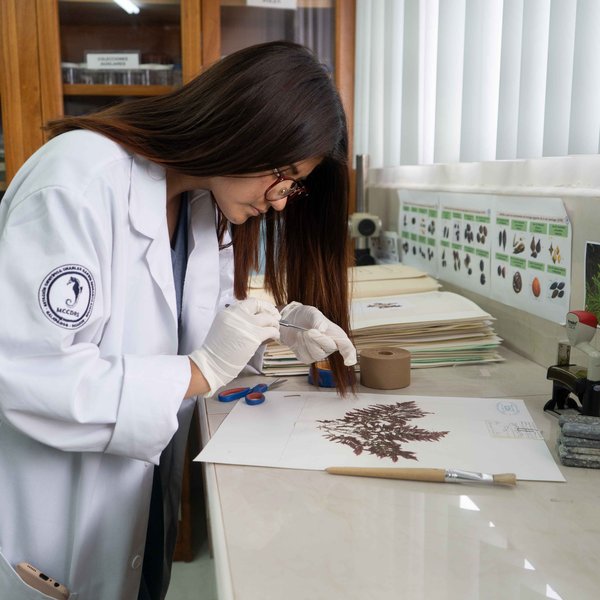
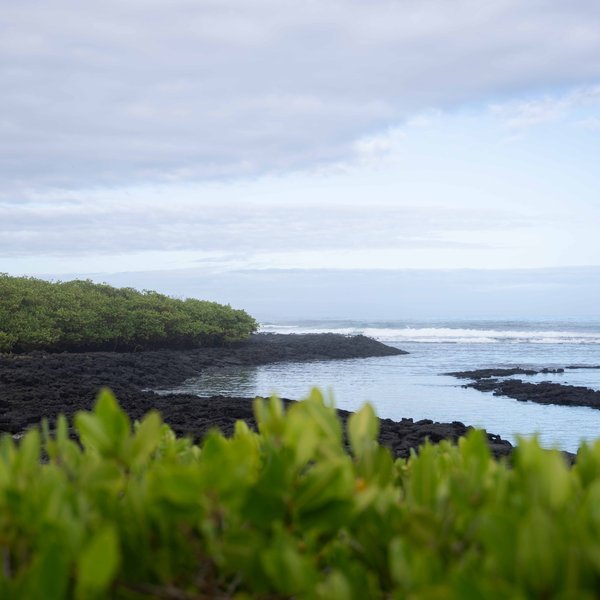
Scientists from the Charles Darwin Foundation (CDF) have, for the first time, assessed the conservation status of mangrove ecosystems in the Galápagos Islands using the Red List of Ecosystems methodology developed by the International Union for Conservation of Nature (IUCN). The study concludes that this ecosystem is classified as Vulnerable, underscoring the urgency of its conservation. The full report is available in the EcoEvoRxiv repository.
Scientists from the Charles Darwin Foundation (CDF) have, for the first time, assessed the conservation status of mangrove ecosystems in the Galápagos Islands using the Red List of Ecosystems methodology developed by the International Union for Conservation of Nature (IUCN). The study concludes that this ecosystem is classified as Vulnerable, underscoring the urgency of its conservation. The full report is available in the EcoEvoRxiv repository.
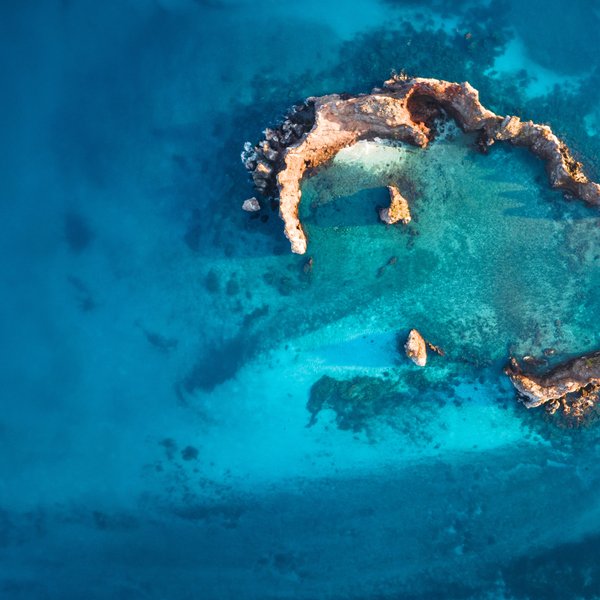
The Charles Darwin Foundation will attend the third UN Ocean Conference and the One Ocean Science Congress in Nice, co-hosting and speaking at events across the Blue and Green Zones. Join us as we highlight marine science, regional collaboration, and urgent action for ocean conservation.
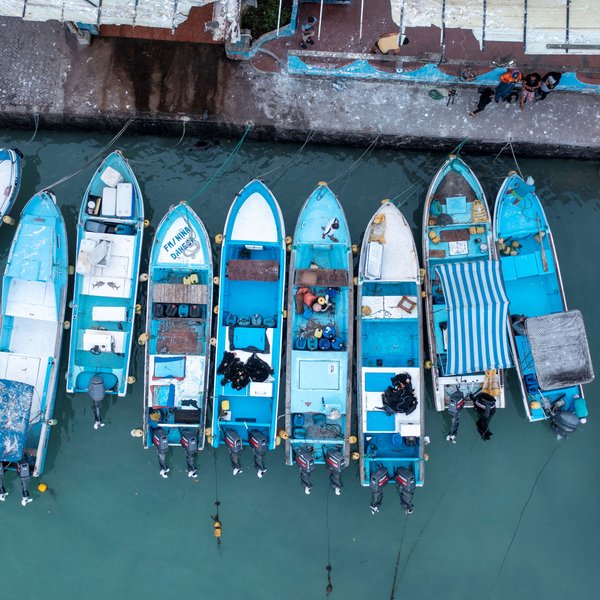
The artisanal fishing sector is vital to the Galapagos Islands, but it is facing increasing challenges such as climate change, unfair value chains, and over-exploitation. Our program seeks to create a more prosperous, autonomous, and fair seafood system that is respectful of the natural environment, and fosters resilience against environmental, socio-economic, and climate change.
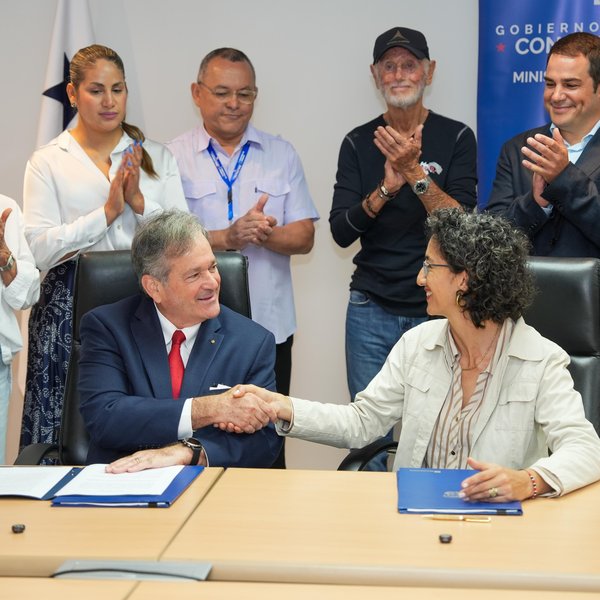
The Ministry of Environment of Panama and the Charles Darwin Foundation signed a Memorandum of Understanding to strengthen the transboundary protection of the migratory scalloped hammerhead shark and advance the recovery of their populations within the Eastern Tropical Pacific.