Results
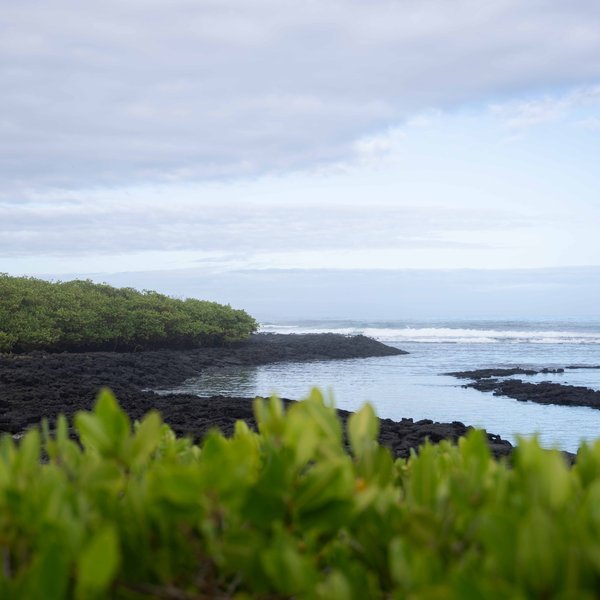
Scientists from the Charles Darwin Foundation (CDF) have, for the first time, assessed the conservation status of mangrove ecosystems in the Galápagos Islands using the Red List of Ecosystems methodology developed by the International Union for Conservation of Nature (IUCN). The study concludes that this ecosystem is classified as Vulnerable, underscoring the urgency of its conservation. The full report is available in the EcoEvoRxiv repository.
Scientists from the Charles Darwin Foundation (CDF) have, for the first time, assessed the conservation status of mangrove ecosystems in the Galápagos Islands using the Red List of Ecosystems methodology developed by the International Union for Conservation of Nature (IUCN). The study concludes that this ecosystem is classified as Vulnerable, underscoring the urgency of its conservation. The full report is available in the EcoEvoRxiv repository.
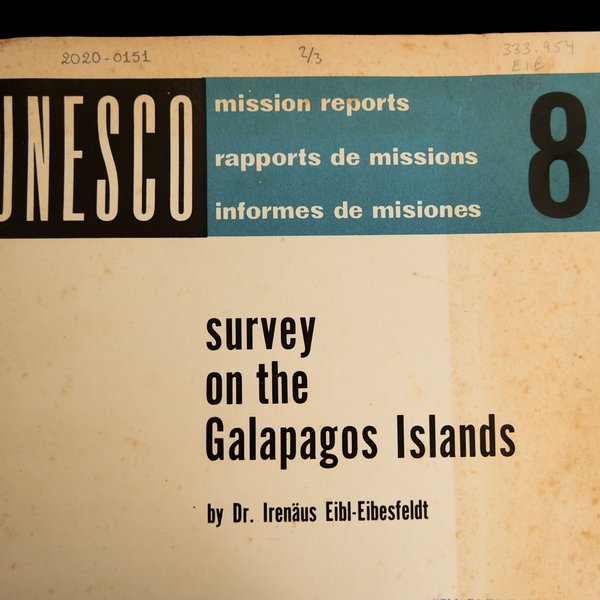
The conservation of Galápagos began in the 1950s, when scientists first raised concerns about threats to the islands’ unique biodiversity. This period led to the creation of the Charles Darwin Foundation and the Galápagos National Park in 1959.