Results
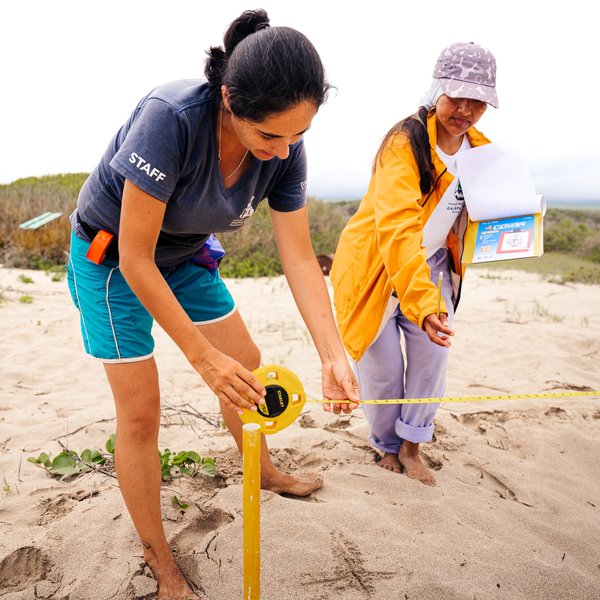
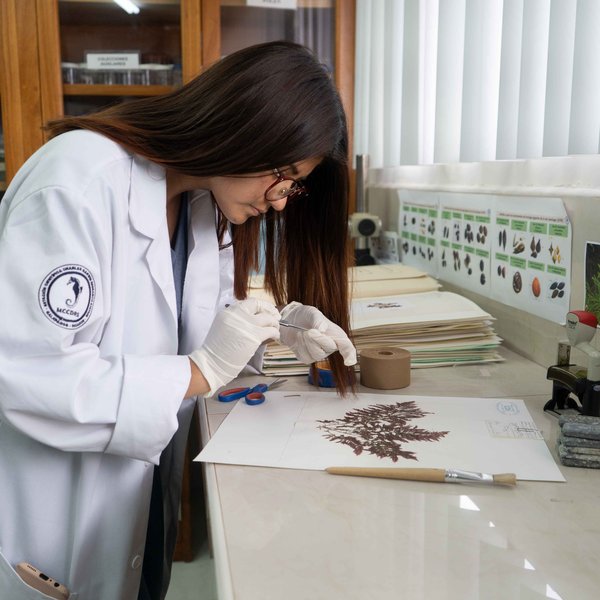
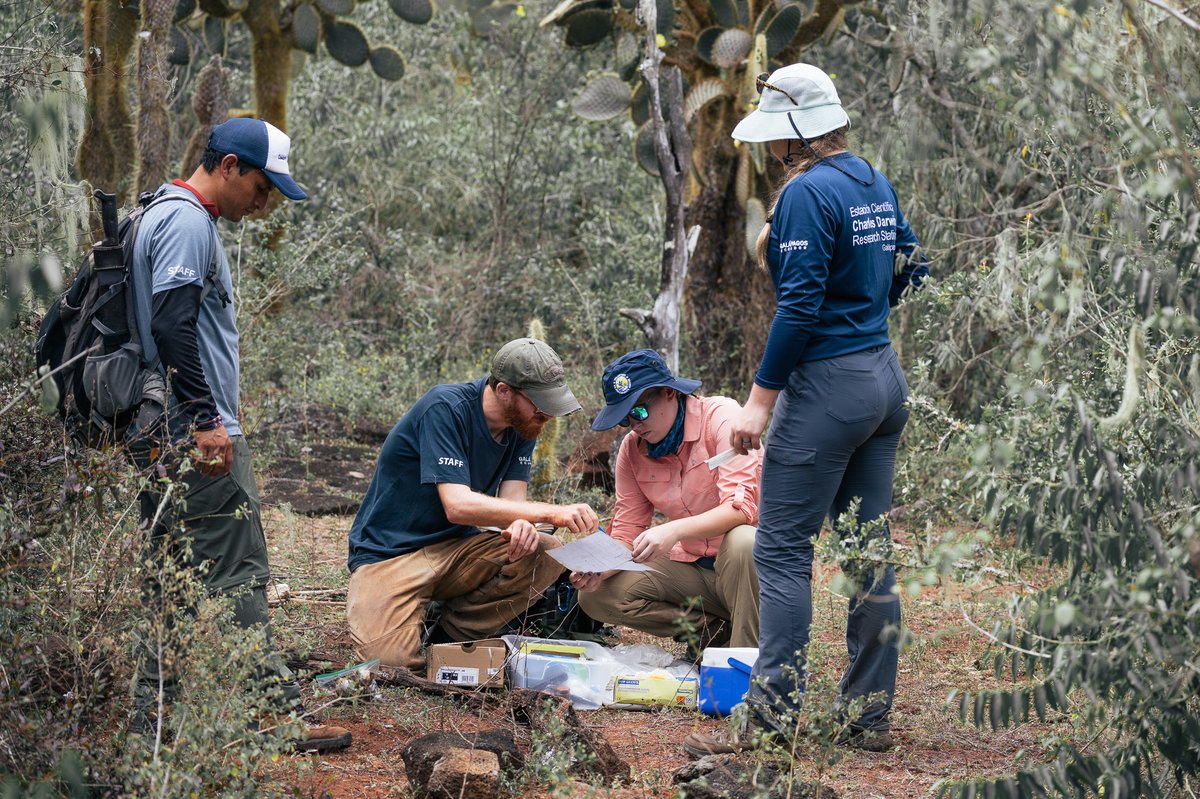
On February 11, we celebrate the International Day of Women and Girls in Science, a day to recognize the importance of strengthening female participation in science, especially in places like the Galapagos Islands. This archipelago, iconic for global conservation, has become a living laboratory where women and men work together to protect this unique ecosystem. The women of Galapagos, with their talent and dedication, demonstrate that conservation is stronger when everyone joins forces.
On February 11, we celebrate the International Day of Women and Girls in Science, a day to recognize the importance of strengthening female participation in science, especially in places like the Galapagos Islands. This archipelago, iconic for global conservation, has become a living laboratory where women and men work together to protect this unique ecosystem. The women of Galapagos, with their talent and dedication, demonstrate that conservation is stronger when everyone joins forces.
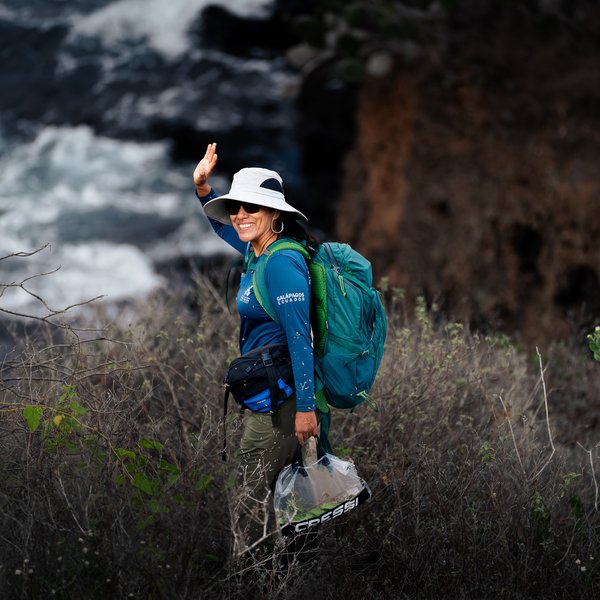
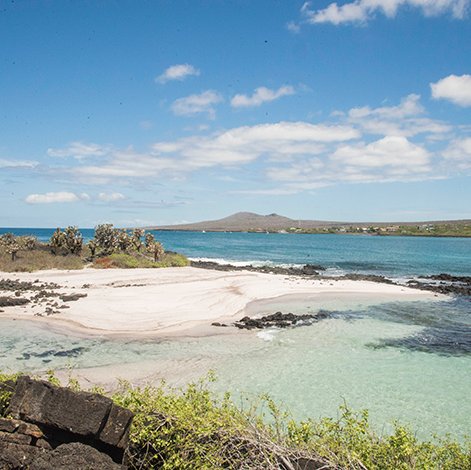
Floreana, the first inhabited island in Galapagos, faces significant environmental challenges due to both direct and indirect human impacts. However, thanks to the coordinated efforts of its community, research groups, local and international conservation organizations, authorities, protected area managers, and donors, it has become a symbol of collective action and hope for the restoration of the archipelago’s biodiversity.
Floreana, the first inhabited island in Galapagos, faces significant environmental challenges due to both direct and indirect human impacts. However, thanks to the coordinated efforts of its community, research groups, local and international conservation organizations, authorities, protected area managers, and donors, it has become a symbol of collective action and hope for the restoration of the archipelago’s biodiversity.
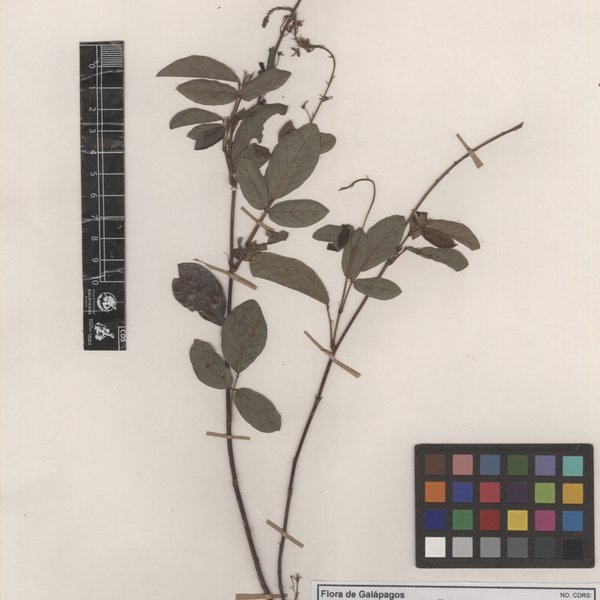
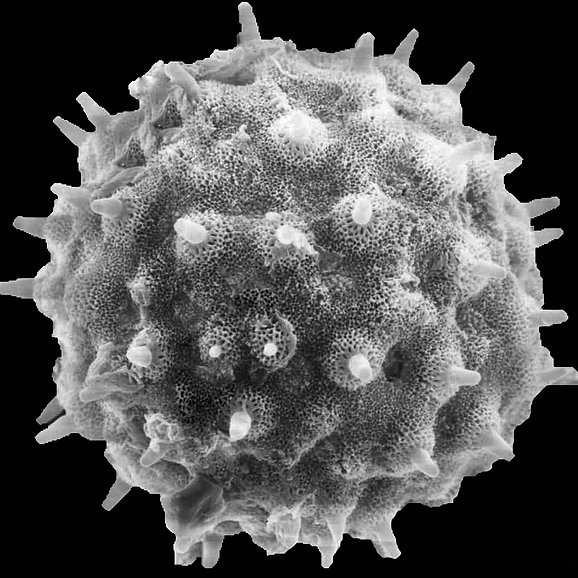
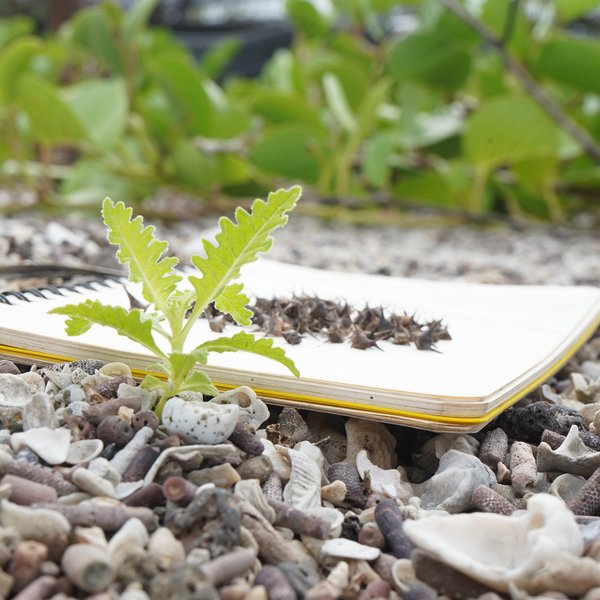
After nearly two decades of research, Lecocarpus lecocarpoides, a threatened Galápagos plant, is showing signs of recovery at Punta Manzanillo. The discovery of 54 seedlings shows that reintroduced plants produced viable seeds capable of naturally regenerating the population.