Results
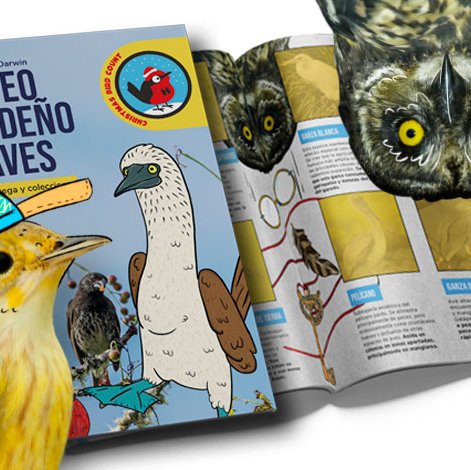
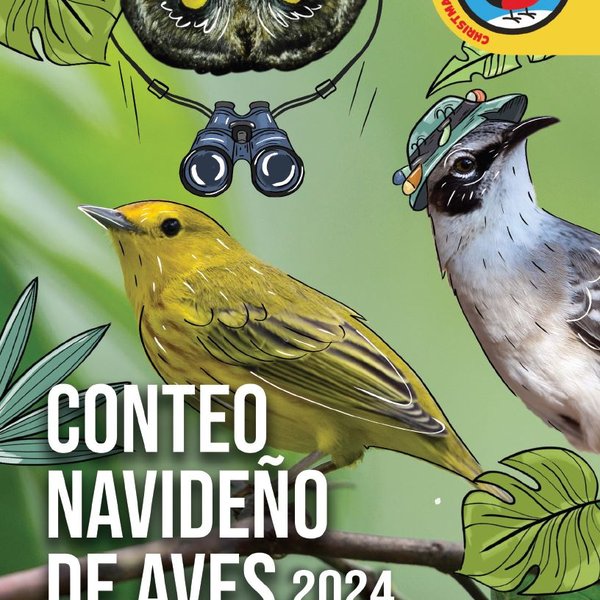
Discover the Galapagos Christmas Bird Count Sticker Collector's Book, created by the Charles Darwin Foundation to engage youth in bird conservation. Learn about native bird species and download this educational resource today
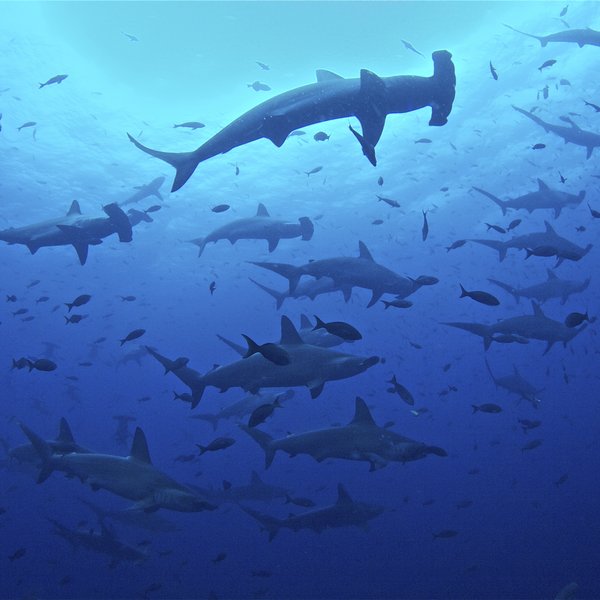
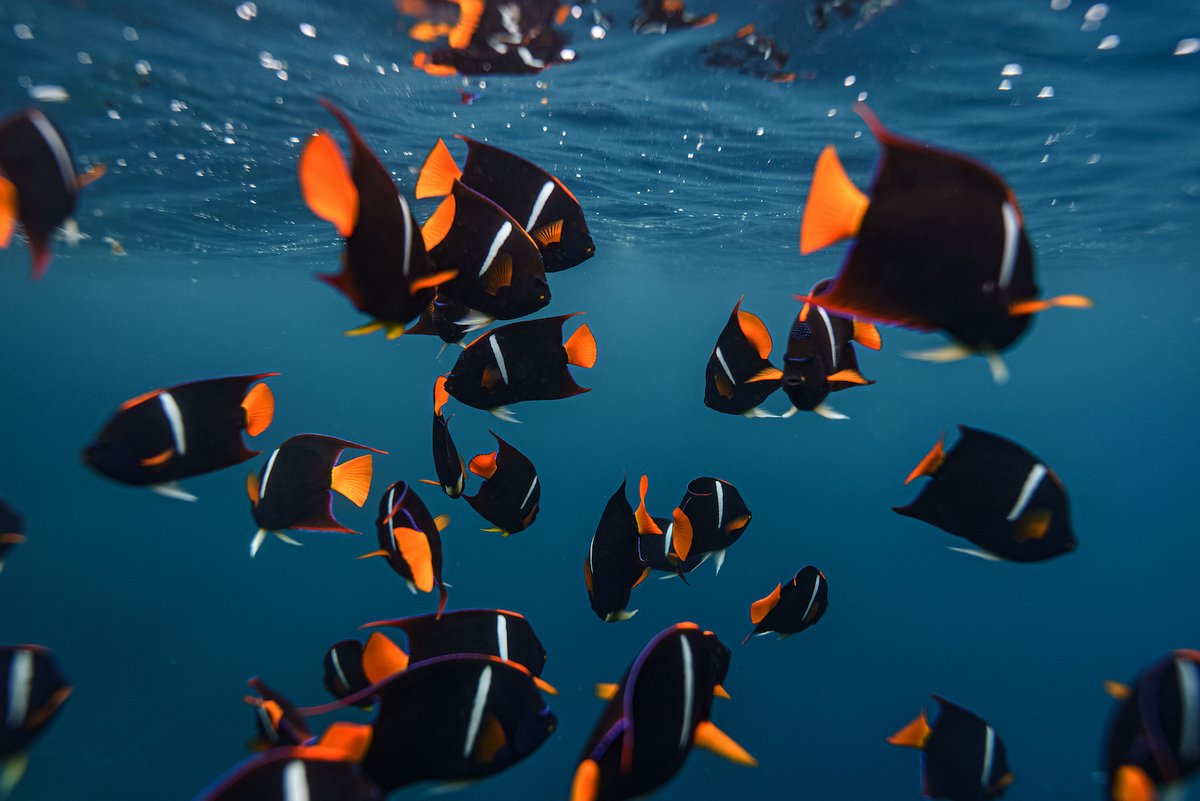
From the heart of the Galapagos, discover how science, community, and conservation unite to protect sharks, turtles, seabirds, and more. Explore the threats, the efforts, and how you can help safeguard our shared blue planet.
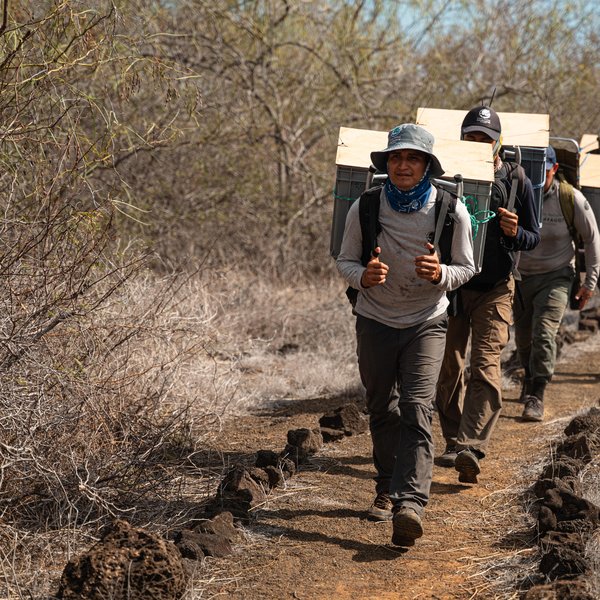
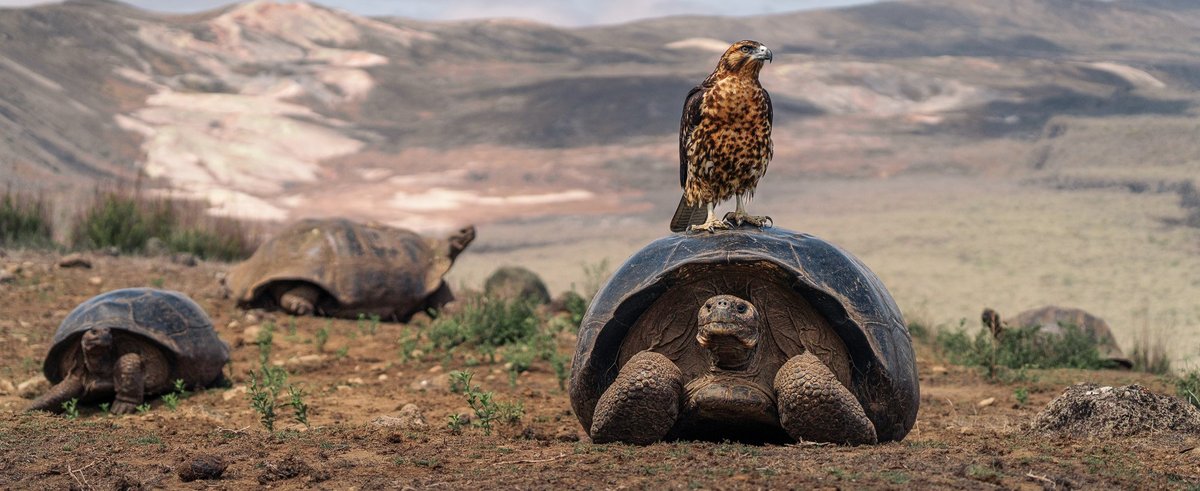
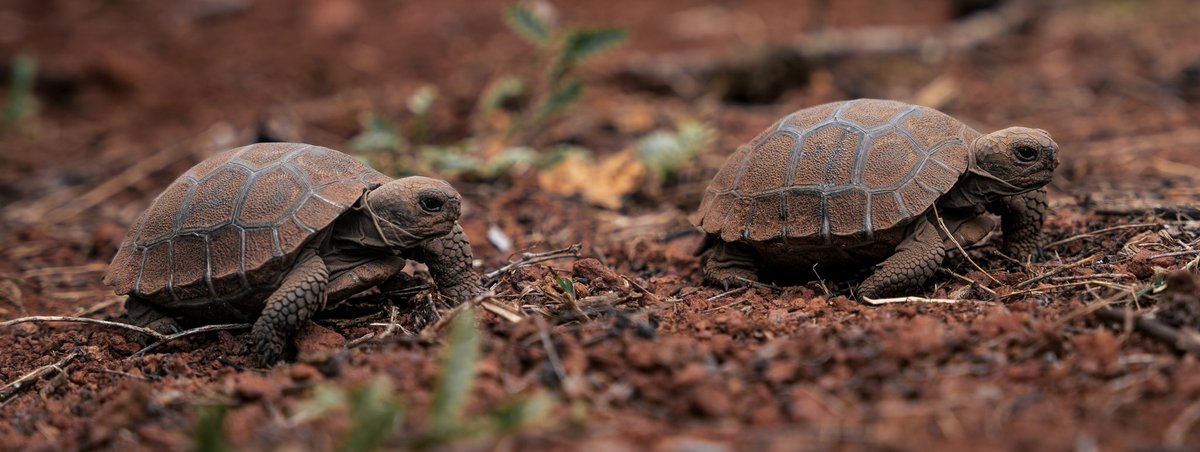
After more than 180 years, giant tortoises have returned to Floreana Island—reviving a lineage once thought extinct. Discover how hybrid tortoises were identified, bred, and carefully reintroduced, and why their comeback marks a turning point for island restoration, ecosystem recovery, and one of Galápagos’ most ambitious conservation efforts.
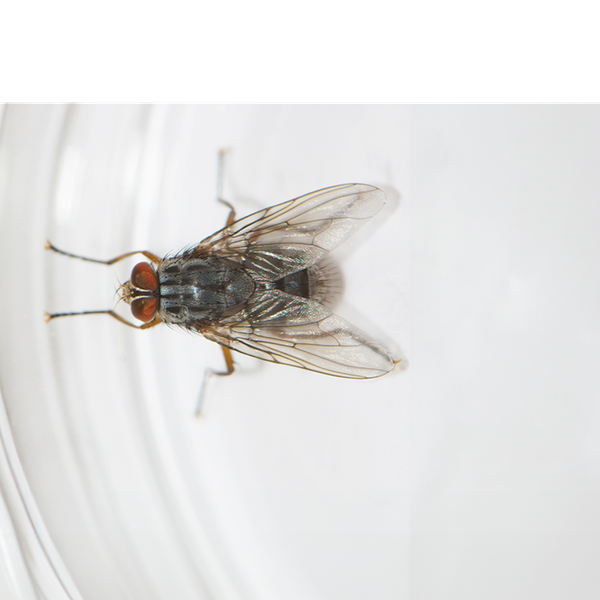
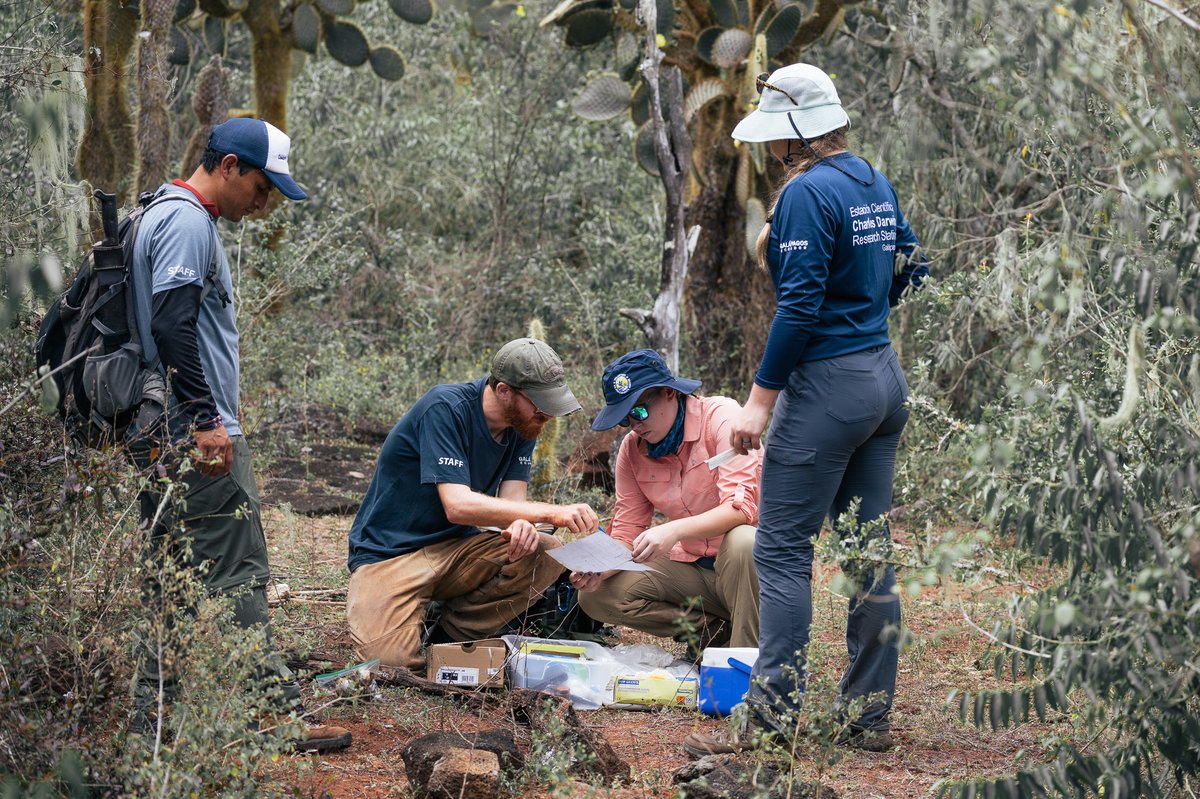
In a race against time, our scientists are working hard to find ways to control the avian vampire fly (Philornis downsi), an invasive parasitic fly that is affecting the survival of the unique small landbirds of the Galapagos Islands, including the iconic Darwin’s finches.

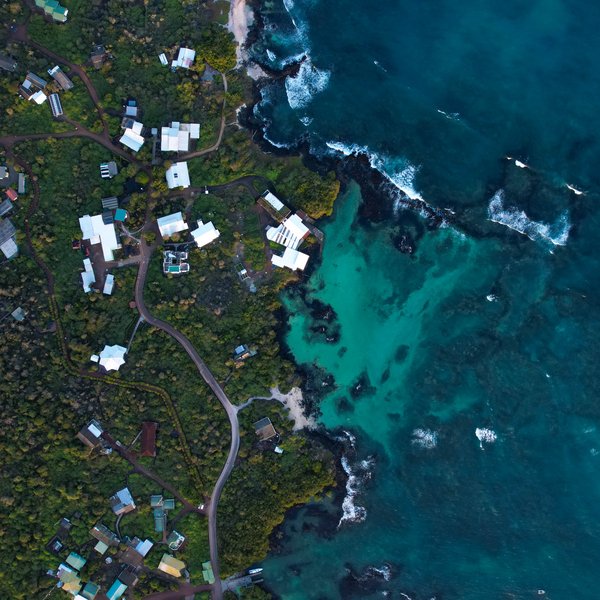
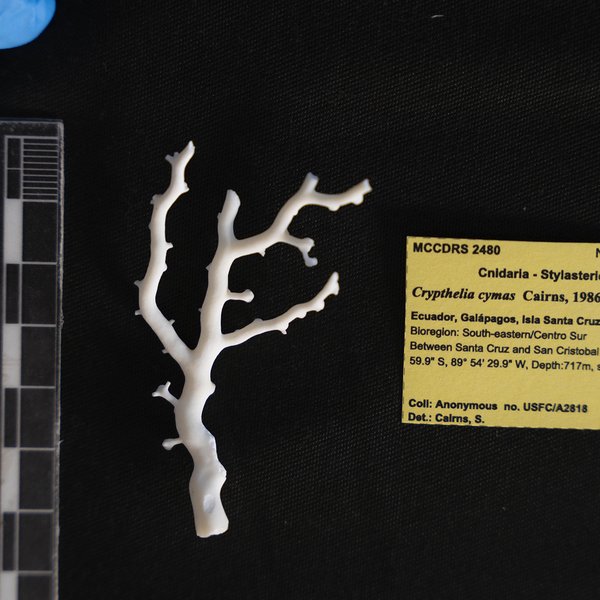
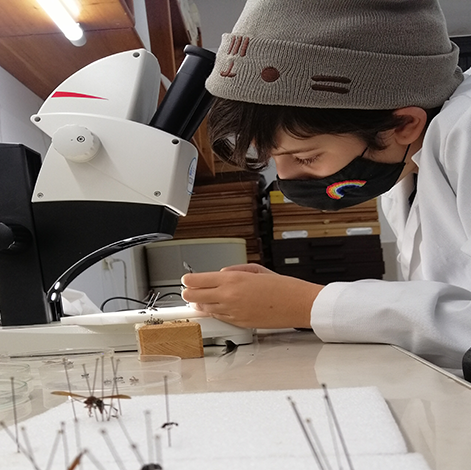
Collected more than 130 years ago, some of the oldest marine specimens from Galápagos are preserved at the Marine Organisms Collection of the Charles Darwin Research Station. These historic corals, gathered during the 1888 Albatross expedition, continue to provide valuable insights into the past and present of Galápagos marine biodiversity, highlighting the importance of scientific collections for research and conservation.
Explore delicious recipes from sustainable agriculture in Galapagos.
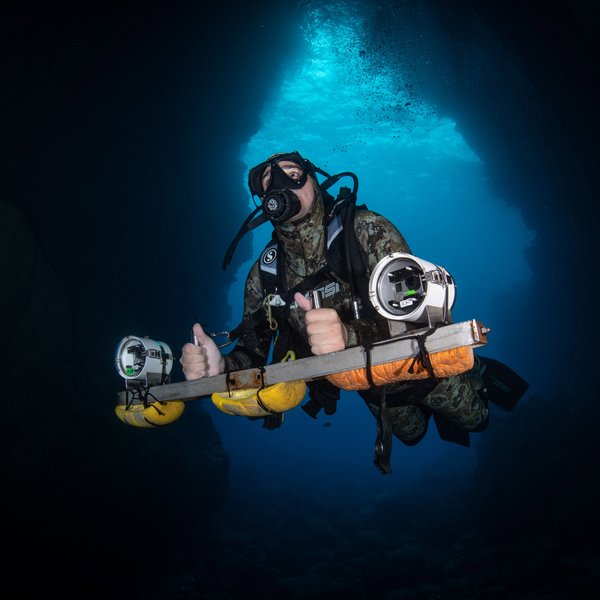
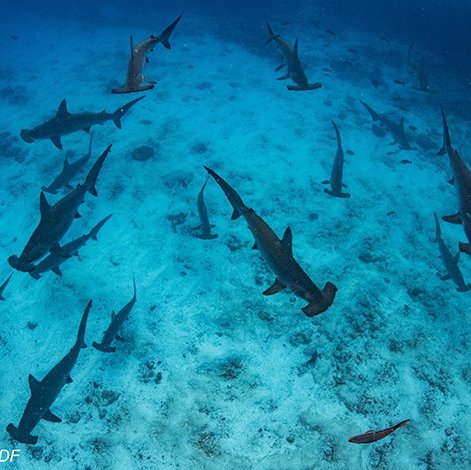
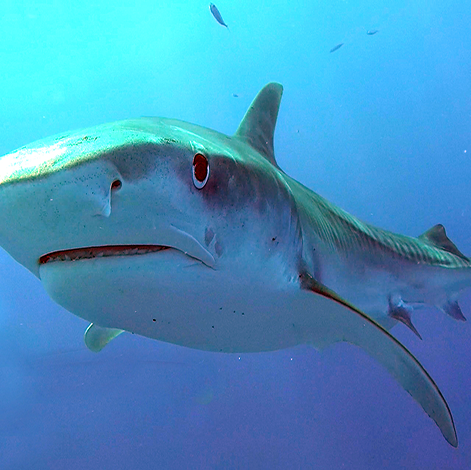
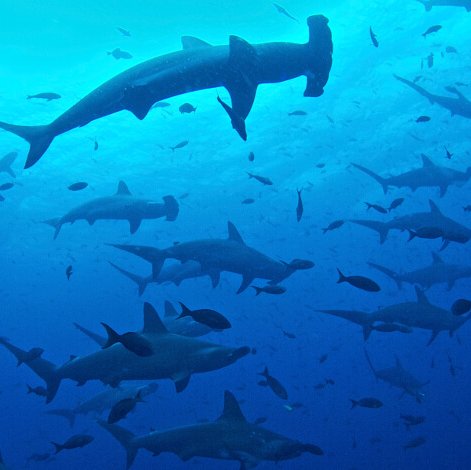
Sharks have thrived on our planet for over 400 million years. Yet overfishing has drastically reduced global shark populations, with many shark species now threatened with extinction. Our scientific work seeks to inform conservation measures, so sharks are better protected in Galapagos and the Eastern Tropical Pacific.