Results

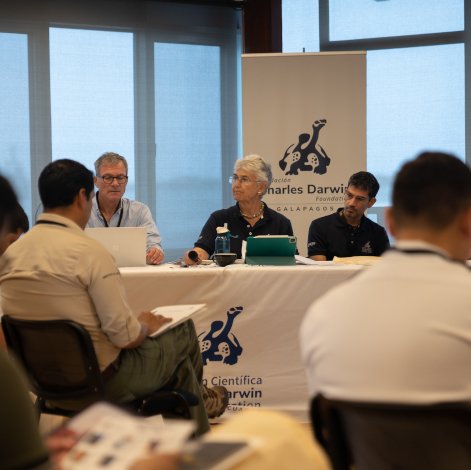
The Charles Darwin Foundation reveals its new mission and launches its 2022 Impact Report during its 52nd General Assembly
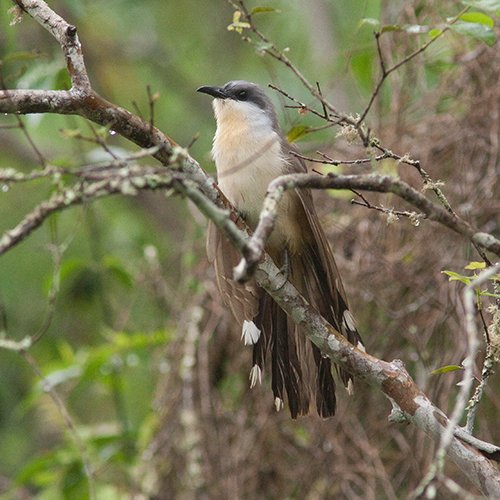
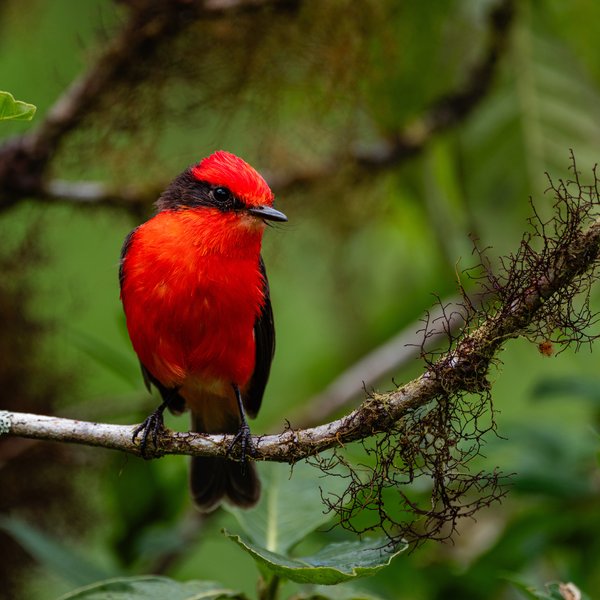
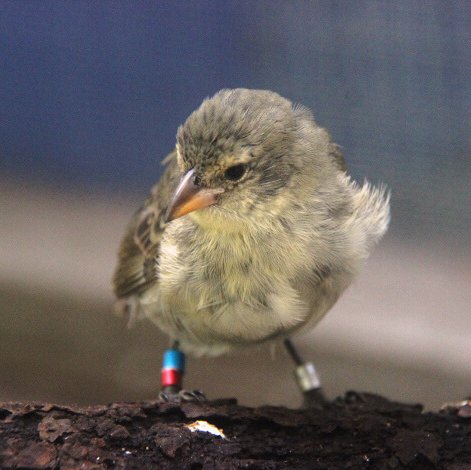
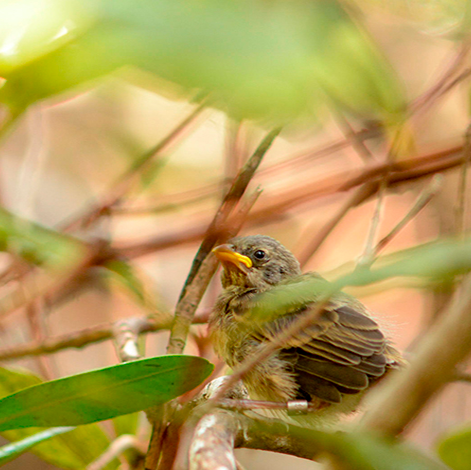
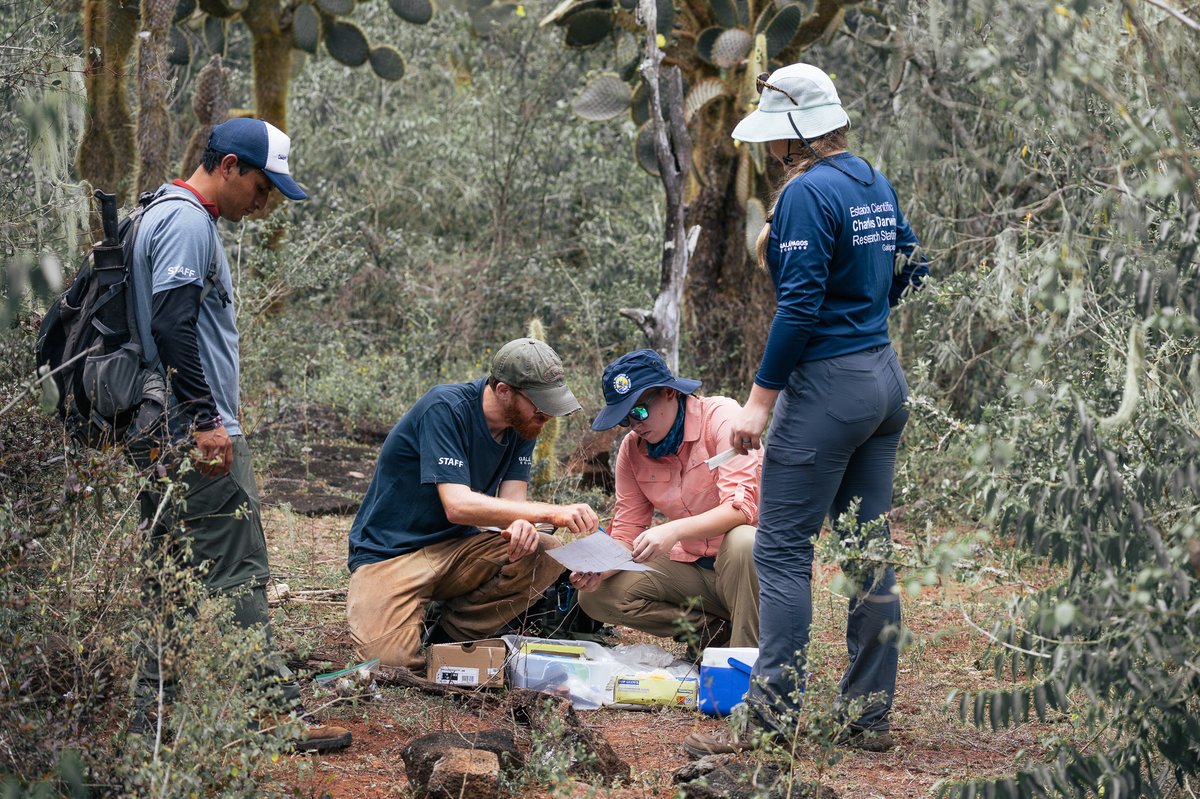
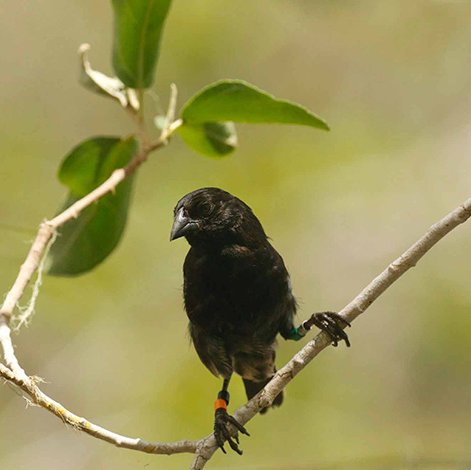
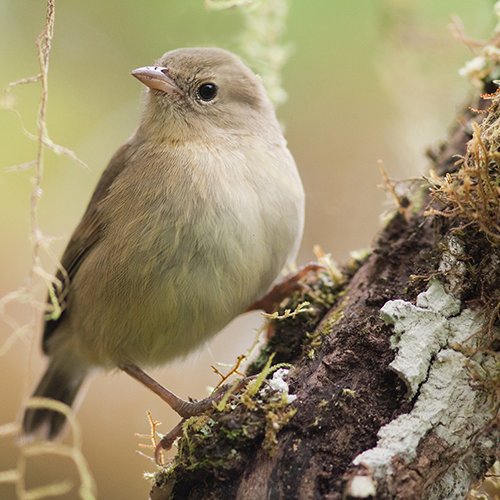
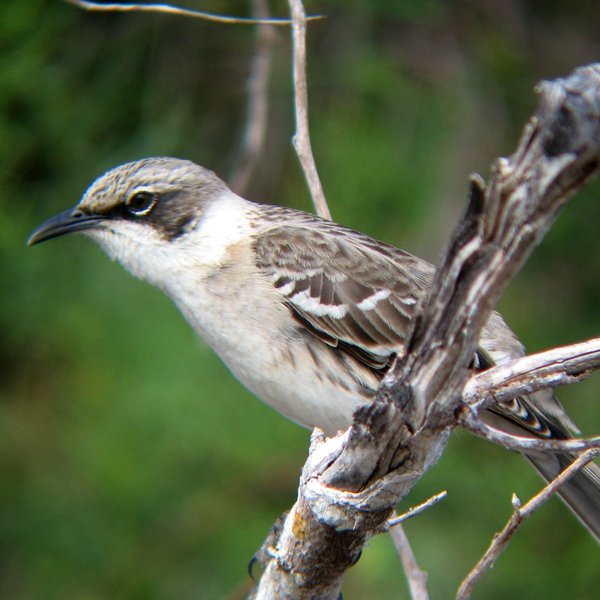
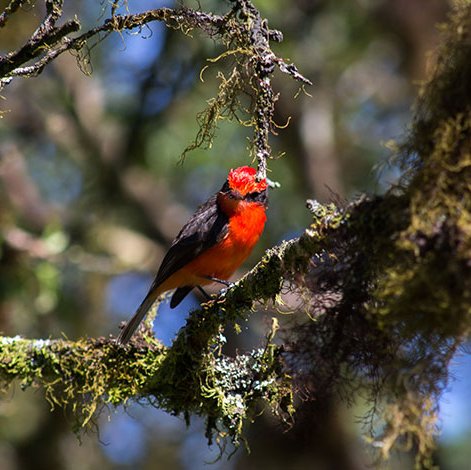
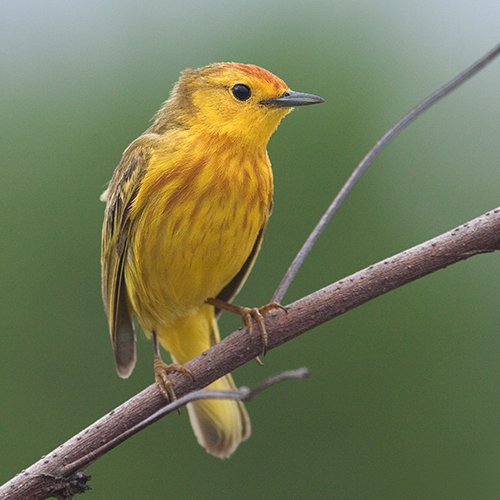
The Galápagos landbird breeding season (January–April) is critical for conservation. Monitoring and adaptive management, including innovative control of Philornis downsi, are improving nesting success. Early results show population recovery in key species, supported by habitat restoration. Ongoing data collection will determine long-term effectiveness and guide future conservation strategies.
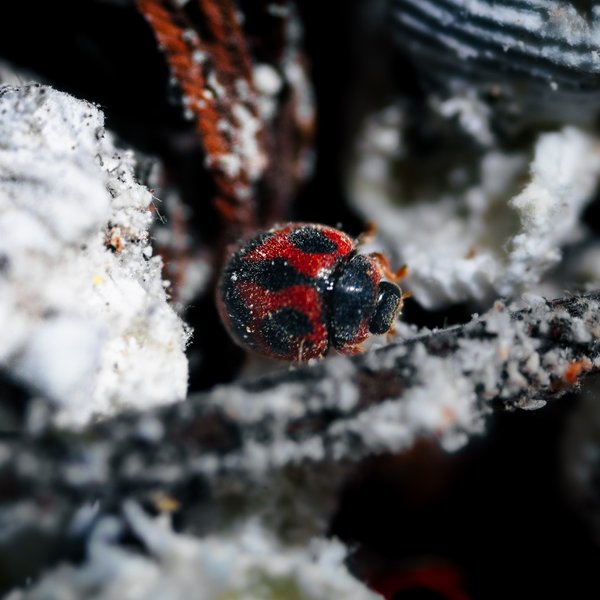
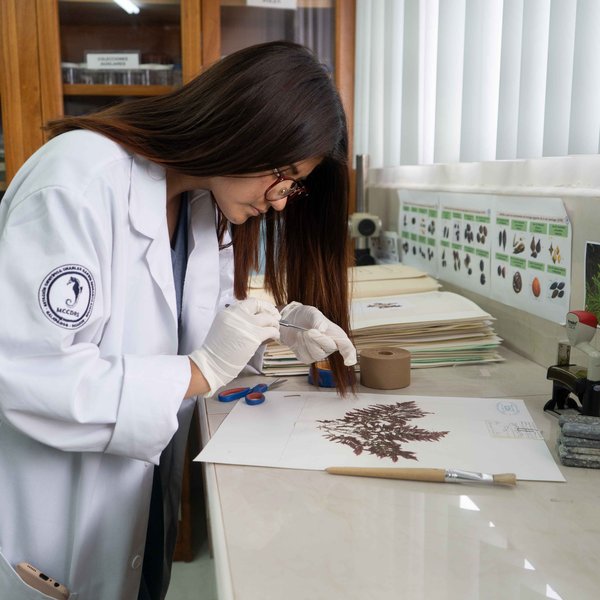
In the heart of the Galapagos Islands, a tiny, unexpected hero emerged in 2002 that would change the course of conservation. The Australian ladybug (Novius cardinalis), small in size but immensely effective, became a crucial ally in the fight against an invasive insect that threatened to devastate the endemic flora of these islands. This is the story of how science, innovation, and nature itself came together to help preserve one of the most valuable biological treasures on the planet.
In the heart of the Galapagos Islands, a tiny, unexpected hero emerged in 2002 that would change the course of conservation. The Australian ladybug (Novius cardinalis), small in size but immensely effective, became a crucial ally in the fight against an invasive insect that threatened to devastate the endemic flora of these islands. This is the story of how science, innovation, and nature itself came together to help preserve one of the most valuable biological treasures on the planet.
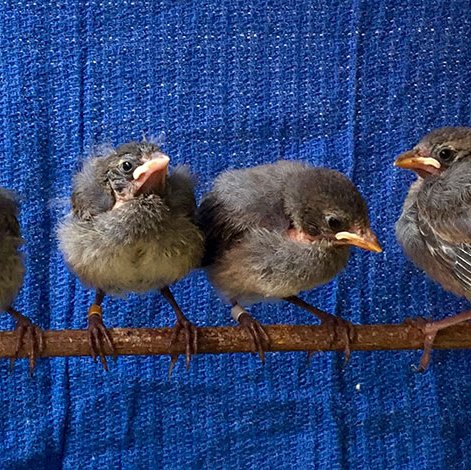
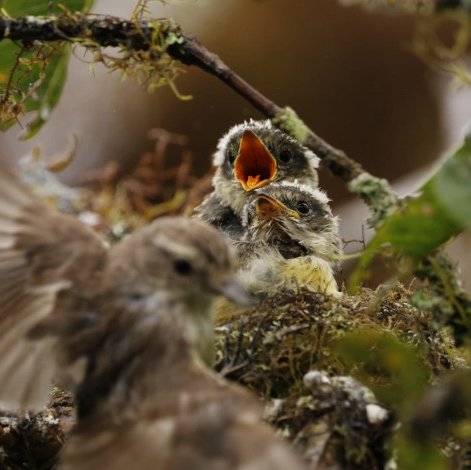
12 Little Vermilion Flycatcher chicks fledge the nest, in most successful nesting season yet in Santa Cruz Island