Results

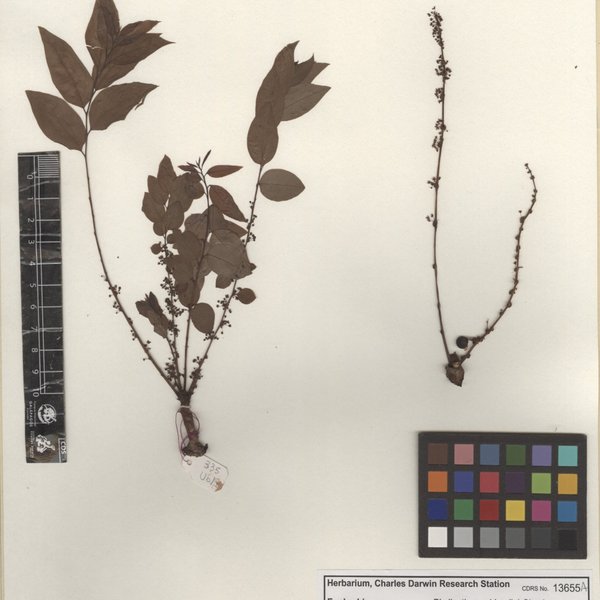
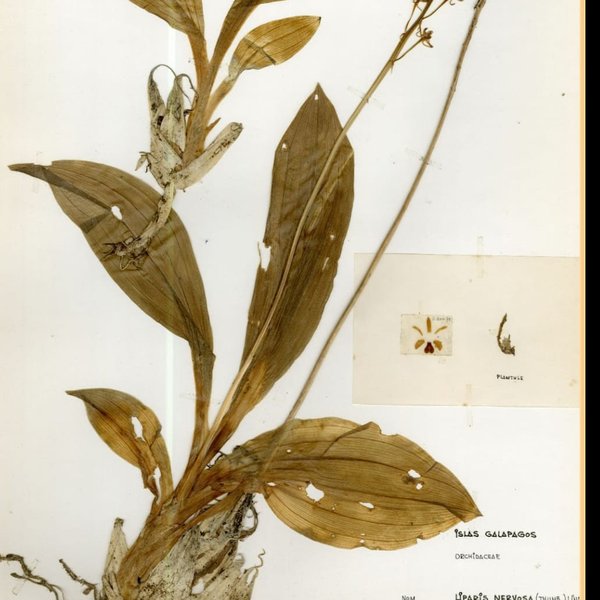
Orchids, art, and perseverance intertwine in this remarkable story of Daniel Weber, a Swiss architect whose passion for botany left a hidden legacy in Galápagos. Decades later, a near-lost orchid collection is rescued against the odds—revealing a powerful journey of science, memory, and the people determined to bring it back.
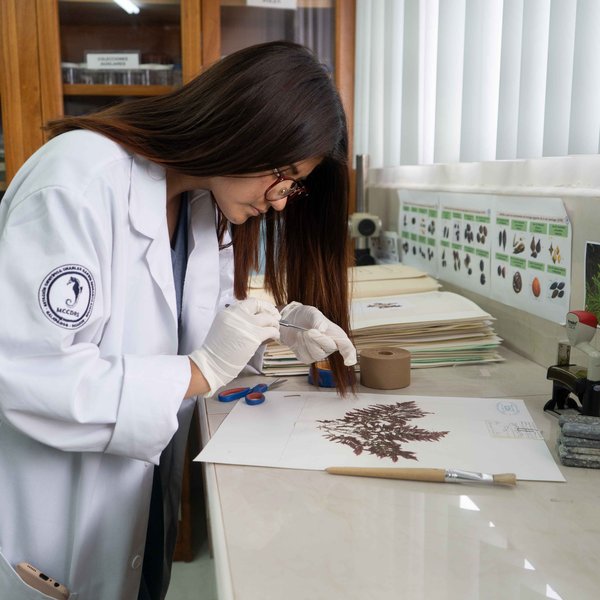

The G.T. Corley Smith Library at the Charles Darwin Foundation holds the world’s most comprehensive collection of publications on the Galápagos Islands. Its “Galápagos Collection” includes both scientific and grey literature, making it an invaluable resource for research and conservation. A digitization effort is underway to expand global access to this knowledge.
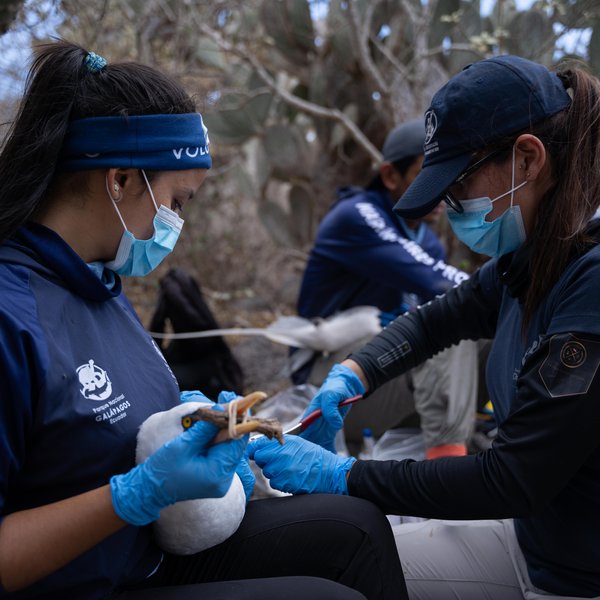
Andrea Daniela Coloma is a marine bird researcher and devoted mother of two, proving that science and motherhood can thrive side by side. Discover how her passion for conservation, rooted in the Galapagos, intersects with family life—and how the Charles Darwin Foundation supports this meaningful balance. Read her story.
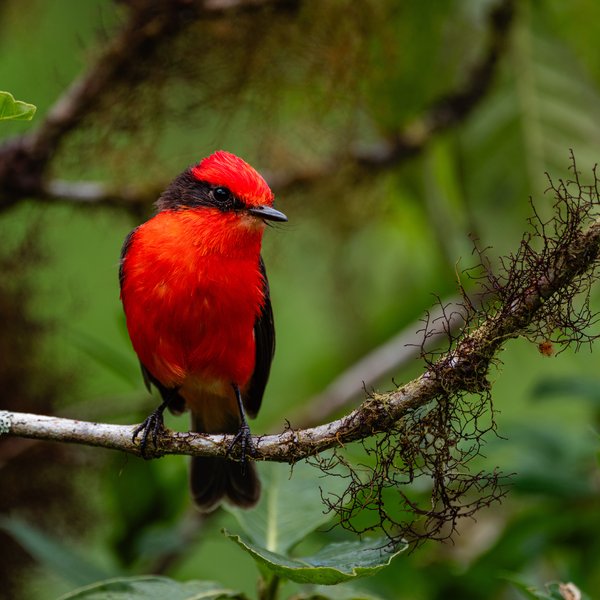
New DNA research reveals that Galápagos Vermilion Flycatchers are not one species, but a mosaic of long-isolated island lineages. By uncovering hidden genetic diversity, scientists are reshaping conservation priorities and taxonomic understanding—find out how evolution, extinction, and restoration efforts intersect across the archipelago.
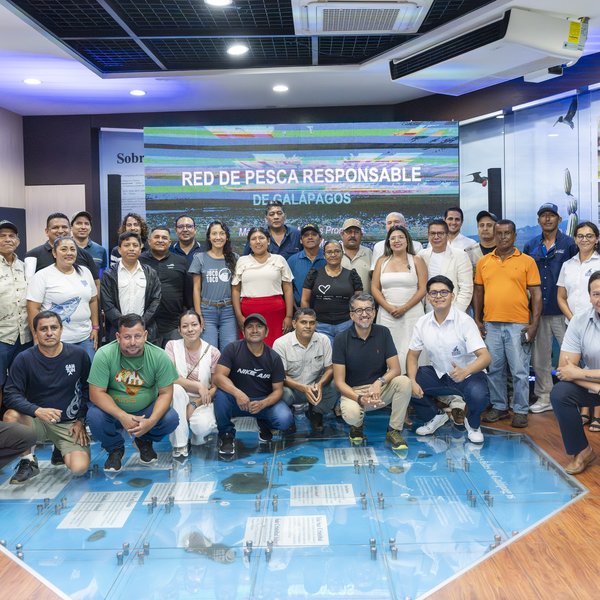
The Galápagos Responsible Fishing Network brings together artisanal fishers, conservation organizations, scientists, and private-sector partners to promote sustainable fishing practices, traceability, and responsible markets. Through technology, collaboration, and transparency, the initiative strengthens local capacities while supporting marine conservation, sustainable fisheries, and community well-being.
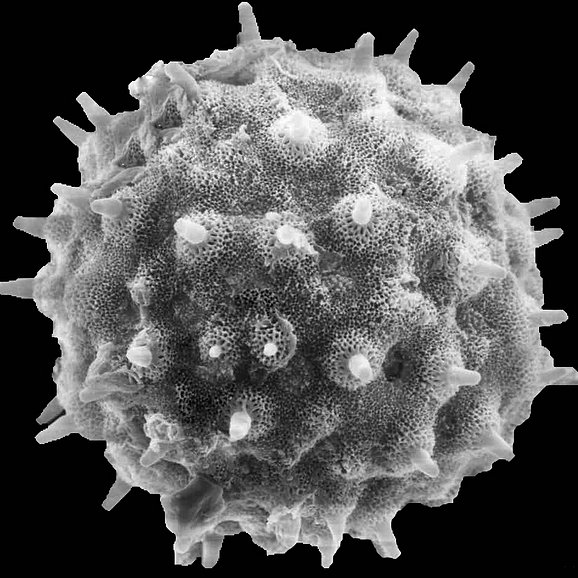
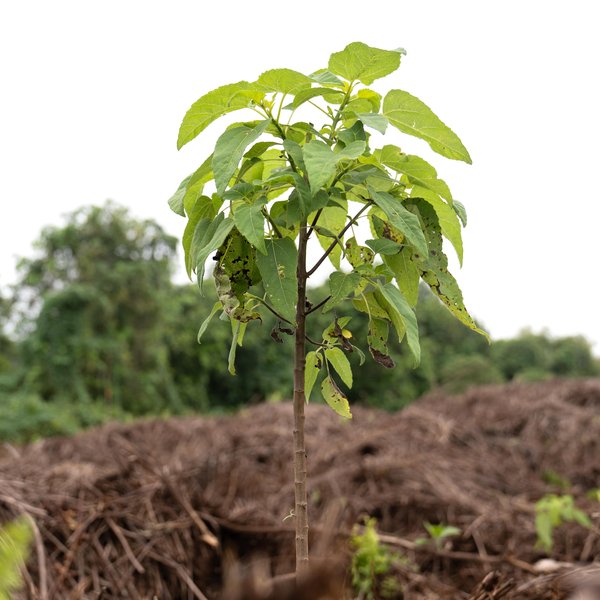
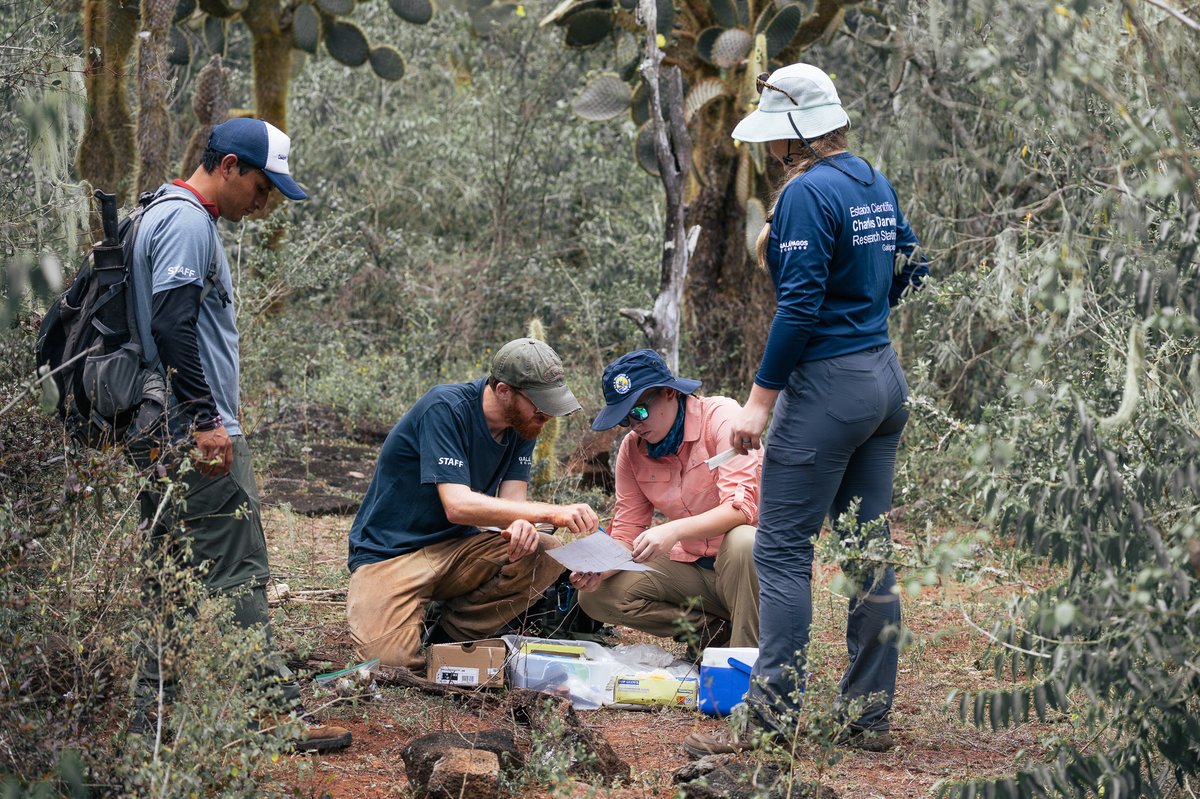
Park rangers from the Galapagos National Park Directorate (GNPD), in collaboration with scientists from the Charles Darwin Foundation (CDF), have discovered two new areas of Scalesia cordata on Sierra Negra volcano, located in southern Isabela Island. This discovery marks a significant milestone in the ongoing efforts to preserve this critically endangered species, which has seen its natural habitat severely reduced.
Park rangers from the Galapagos National Park Directorate (GNPD), in collaboration with scientists from the Charles Darwin Foundation (CDF), have discovered two new areas of Scalesia cordata on Sierra Negra volcano, located in southern Isabela Island. This discovery marks a significant milestone in the ongoing efforts to preserve this critically endangered species, which has seen its natural habitat severely reduced.

The woodpecker finch of San Cristobal has been identified as a potential new species (Camarhynchus striatipecta), according to groundbreaking research just published in the Zoological Journal of the Linnean Society. Previously considered one of three subspecies of the woodpecker finch (Camarhynchus pallidus), this population is now identified as a genetically distinct lineage. These findings mark a significant revision to the taxonomy of Darwin’s tree finches and scientists propose C. striatipecta as a newly recognized species.