Results
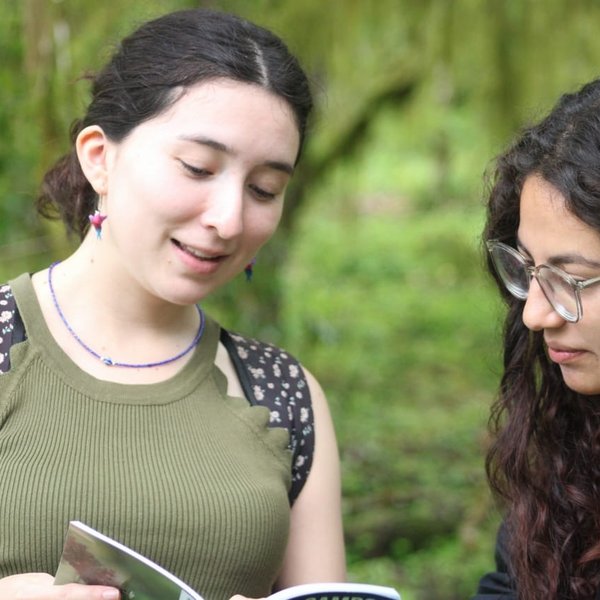
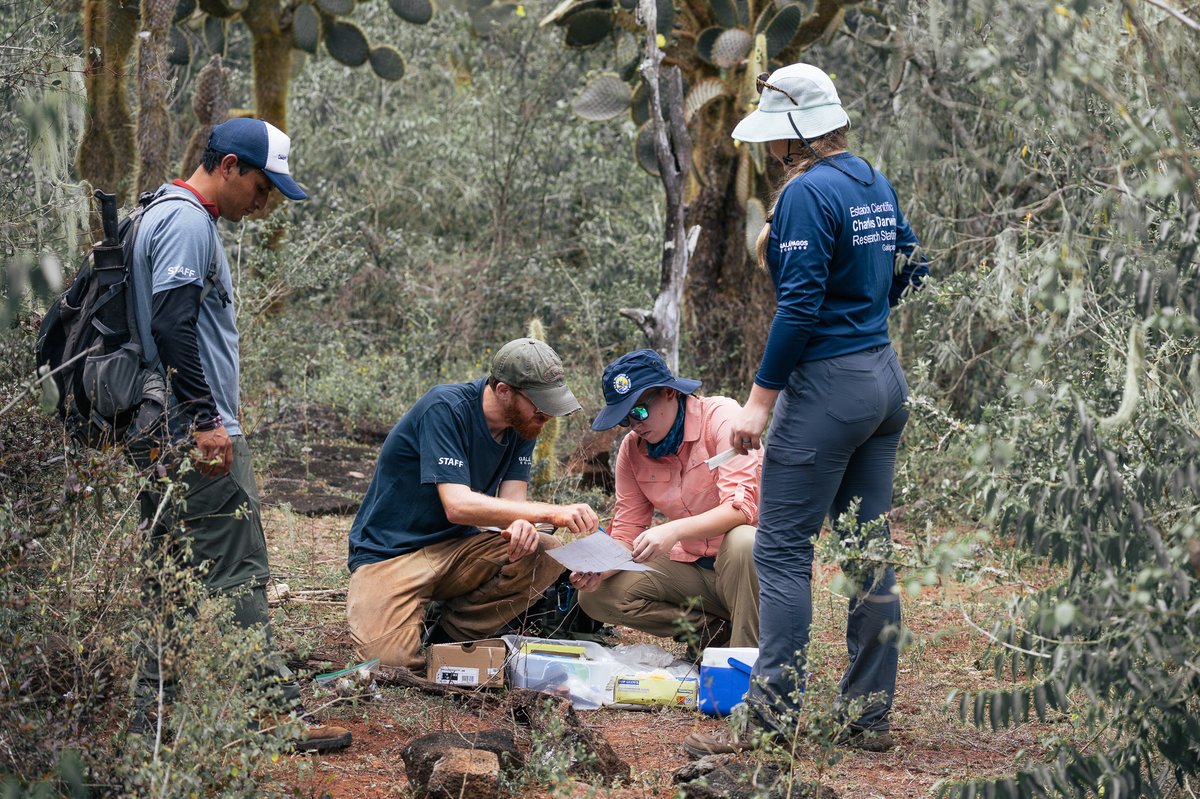
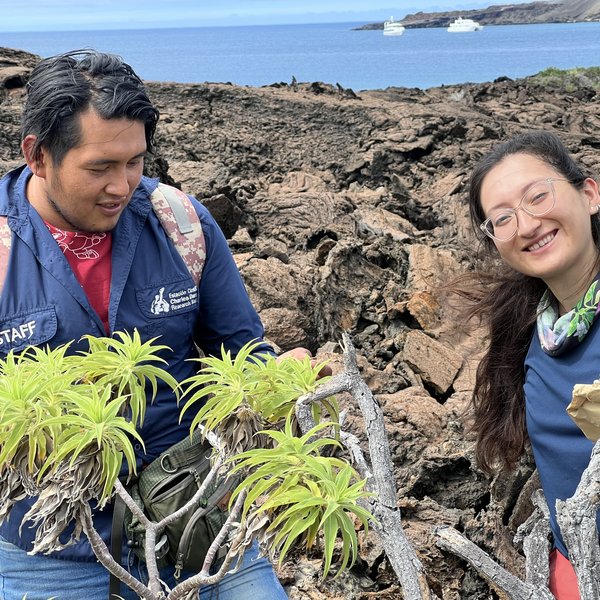
Today, I find myself here, by the sea, writing about my experience living on an island. It all started when I was searching for an opportunity, and I found a living dream instead: volunteering in the Galápagos. I applied to the Landbird Conservation Program of the Charles Darwin Foundation and had the privilege of becoming part of their team.Today, I find myself here, by the sea, writing about my experience living on an island. It all started when I was searching for an opportunity, and I found a living dream instead: volunteering in the Galápagos. I applied to the Landbird Conservation Program of the Charles Darwin Foundation and had the privilege of becoming part of their team.

The woodpecker finch of San Cristobal has been identified as a potential new species (Camarhynchus striatipecta), according to groundbreaking research just published in the Zoological Journal of the Linnean Society. Previously considered one of three subspecies of the woodpecker finch (Camarhynchus pallidus), this population is now identified as a genetically distinct lineage. These findings mark a significant revision to the taxonomy of Darwin’s tree finches and scientists propose C. striatipecta as a newly recognized species.
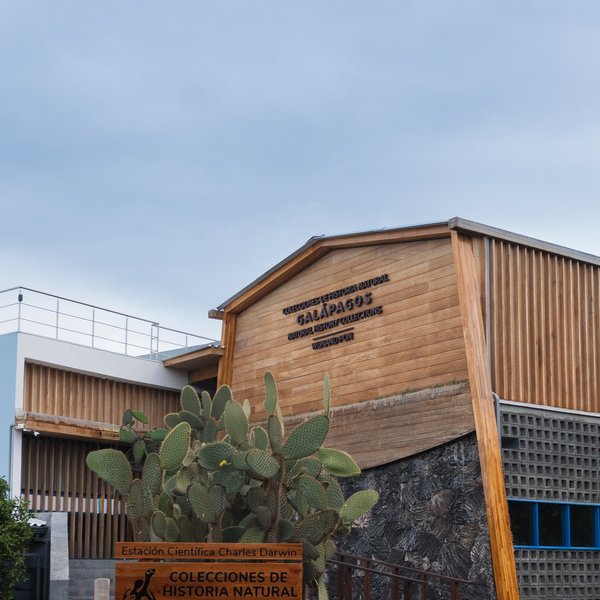
For the first time, the Charles Darwin Foundation opens Galápagos’ largest scientific collections to the public. Housing over 137,000 specimens, this new facility offers a rare glimpse into the science shaping conservation decisions and safeguarding one of the planet’s most extraordinary ecosystems.
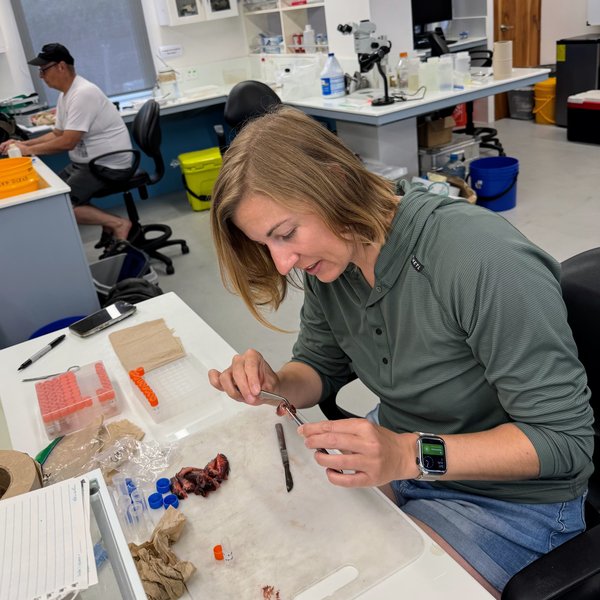
Savanna Barry, a collaborating scientist joined the Charles Darwin Foundation to study invasive frogs, restore endangered Scalesia forests, and dive into coral reef research. From field transects to fish dissections, these field notes reveal the science, mentorship, and conservation challenges shaping the future of the Galápagos.
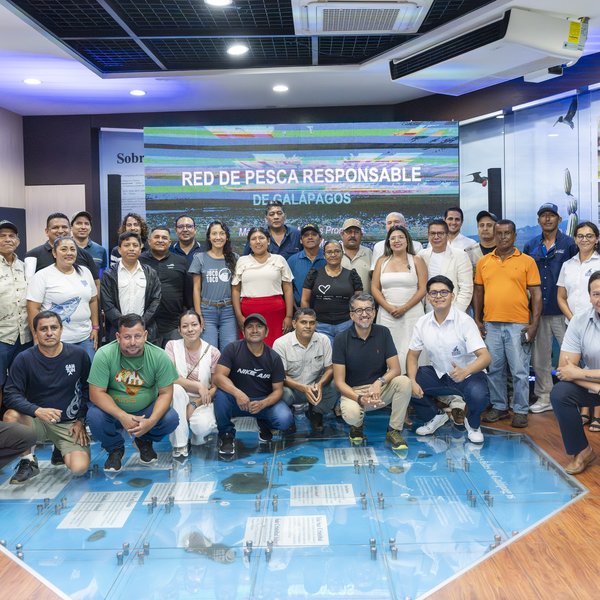
The Galápagos Responsible Fishing Network brings together artisanal fishers, conservation organizations, scientists, and private-sector partners to promote sustainable fishing practices, traceability, and responsible markets. Through technology, collaboration, and transparency, the initiative strengthens local capacities while supporting marine conservation, sustainable fisheries, and community well-being.
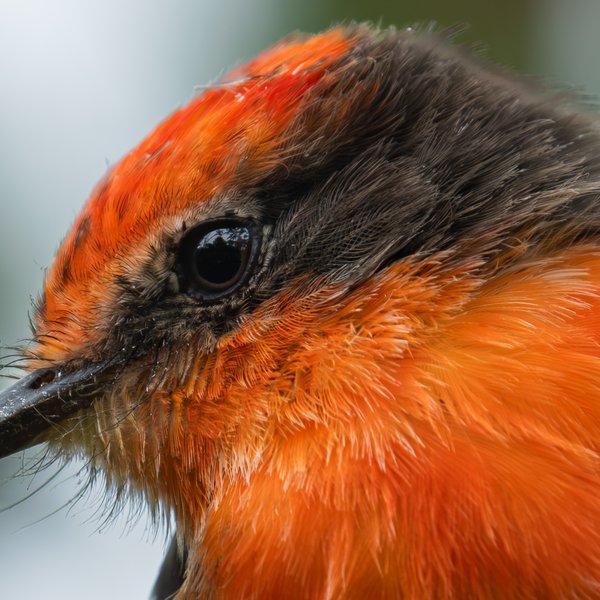
After more than a decade of conservation work, researchers have documented 56 fledglings so far in 2026 — with more nests still active
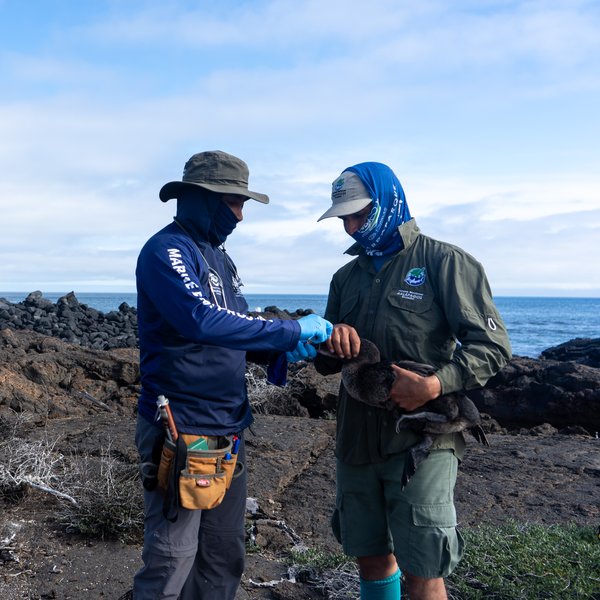
The Charles Darwin Foundation shared the main achievements of its 2025 work through a public accountability event. The initiative highlighted how scientific research supports Galapagos conservation, encouraged dialogue with the local community, and reaffirmed that transparency strengthens institutional trust, collaboration, and long-term commitment to protecting the archipelago.
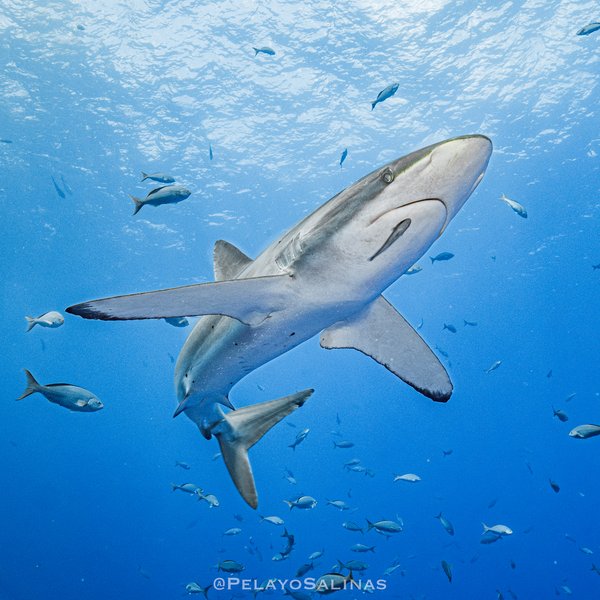
Silky shark's record-breaking migration of more than 27,000 km on the Tropical Eastern Pacific sheds light on urgent conservation need
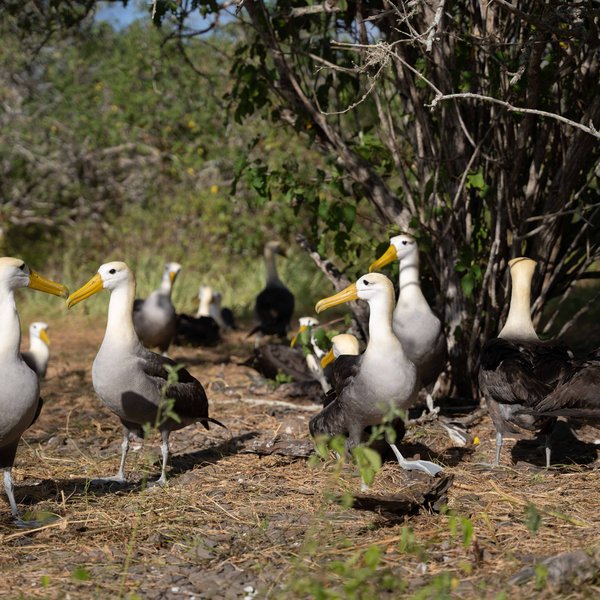
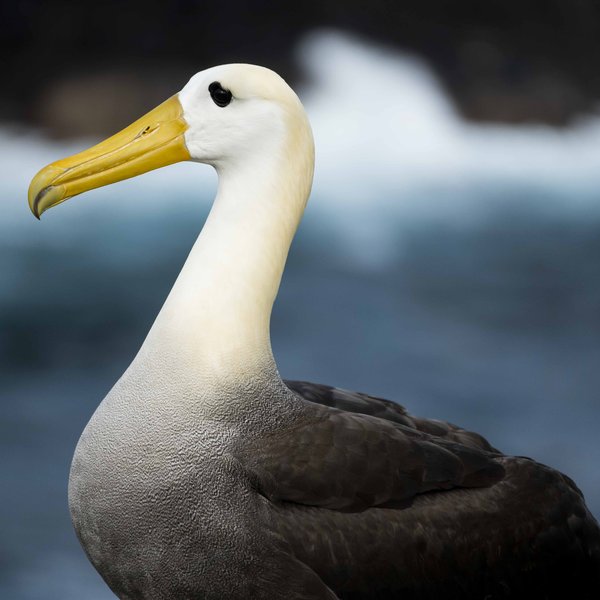
Lessons from the Field: A Five-Day Expedition with Galapagos Waved Albatross on Española Island
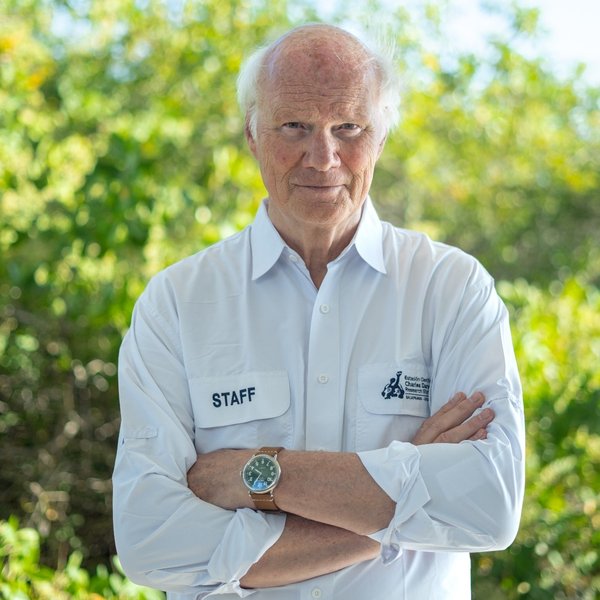
Phil van Haarlem was truly a force of nature. In celebration of his life, and to honour his time with us over the last 10 years, we have asked colleagues and friends to tell us their unique experience with Phil, whom we miss dearly.
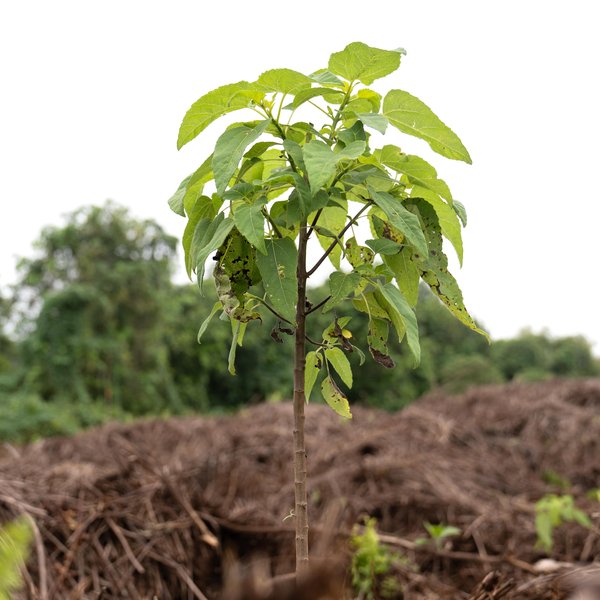
Park rangers from the Galapagos National Park Directorate (GNPD), in collaboration with scientists from the Charles Darwin Foundation (CDF), have discovered two new areas of Scalesia cordata on Sierra Negra volcano, located in southern Isabela Island. This discovery marks a significant milestone in the ongoing efforts to preserve this critically endangered species, which has seen its natural habitat severely reduced.
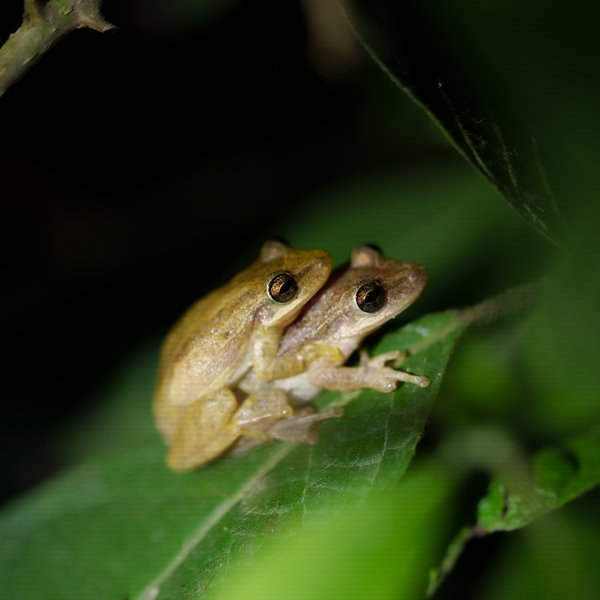
The Charles Darwin Foundation (CDF) is pleased to unveil the Galapagos Introduced Species Dashboard, the first open-access digital repository of information about species introduced to the Galapagos Islands.
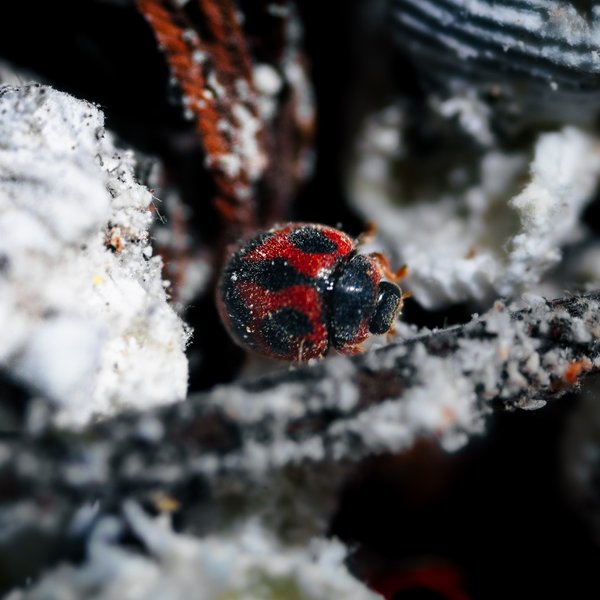
In the heart of the Galapagos Islands, a tiny, unexpected hero emerged in 2002 that would change the course of conservation. The Australian ladybug (Novius cardinalis), small in size but immensely effective, became a crucial ally in the fight against an invasive insect that threatened to devastate the endemic flora of these islands. This is the story of how science, innovation, and nature itself came together to help preserve one of the most valuable biological treasures on the planet.