Results
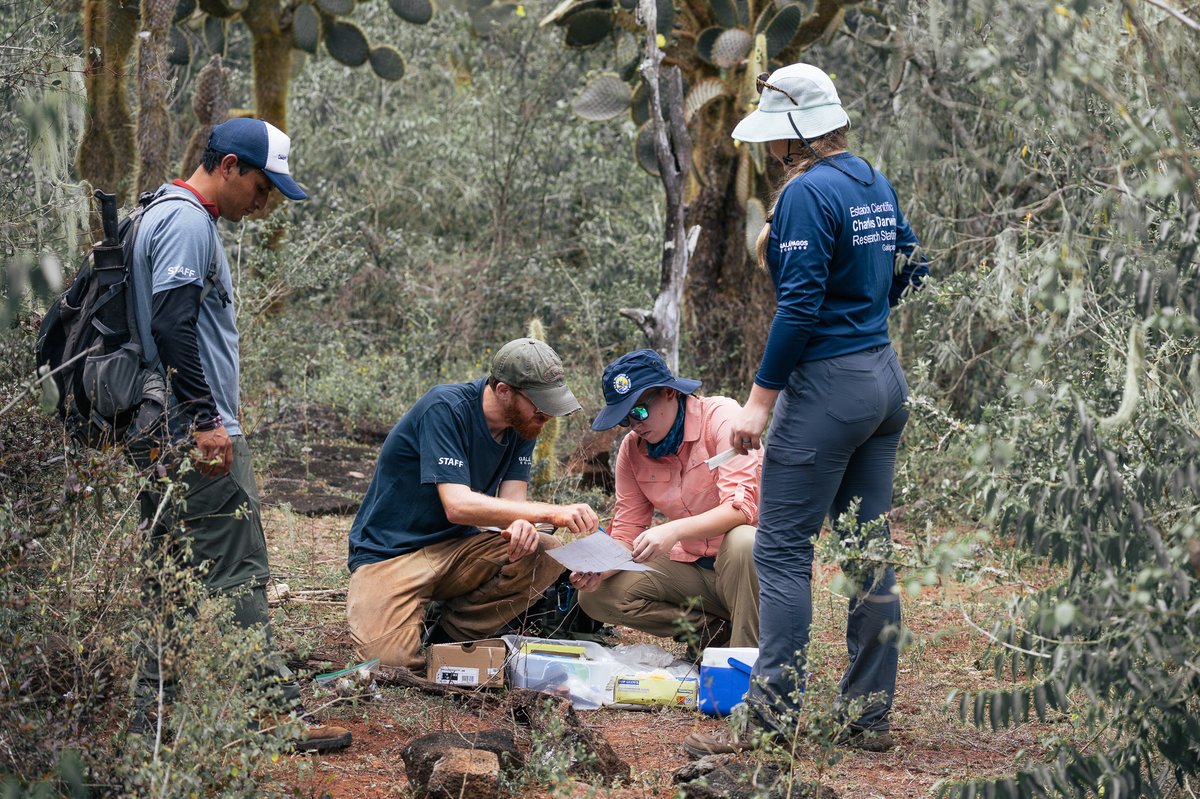
The population of the Galapagos pricky pear cactus declined during the 1960s and 1970s due to the impact of invasive species and human activities. By adopting a Galapagos prickly pear cactus you will support the Charles Darwin Foundation’s Galapagos Verde 2050 program, which works to restore the populations and enhance the conservation process of the Galapagos ecosystems by using ecological restoration tools.
The Charles Darwin Research Station is open Monday-Sunday, from 08:00 to 18:00 (including public holidays). Come visit us in the heart of Galapagos!
Not just your average library, the CDF Library, Archive and Museum at our campus features three unique spaces dedicated to the management of knowledge and memory: written and audiovisual documents, archival materials, and archaeological and historical artifacts. There is something for everyone - from scientific to fictional, for the scientist or a student.
Explore the first Atlas of Native and Invasives Species of the Galapagos Islands.
- Date:
- 2018
- Language:
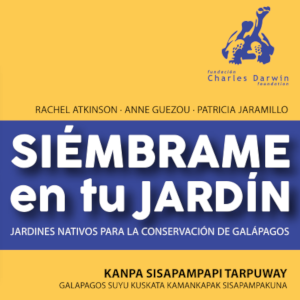
- Spanish
Important feeding and nesting sites for the endangered East Pacific green turtle in Galapagos are increasingly threatened by tourism, marine traffic and climate change. Our research is helping to identify the key areas where sea turtles are most vulnerable, and to develop solutions to protect them in the long term.