Results
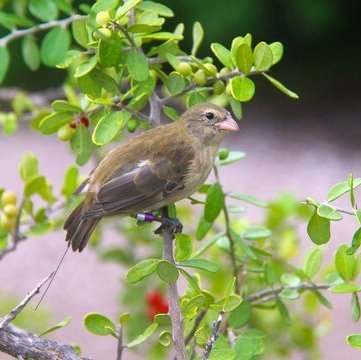
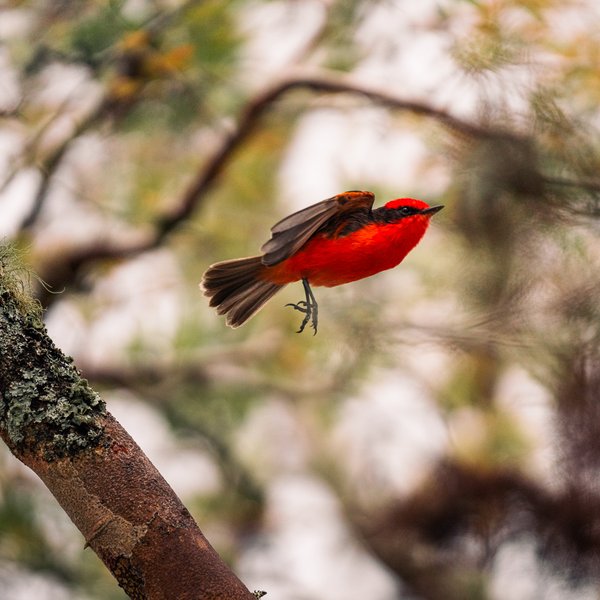
Record Year for Vermilion Flycatcher Season and Advances in the Recovery of the Mangrove Finch
A special year deserves a special celebration. The Charles Darwin Foundation (CDF) opens its doors in collaboration with the Galapagos National Park (GNP), our strategic partner with whom we have worked hand in hand for 65 years.
Whether you're a scientist seeking to collaborate , a student aspiring to complete your graduate degree under our guidance, or a university looking to establish a semester abroad program in the Galapagos, the Charles Darwin Foundation is here to provide support.
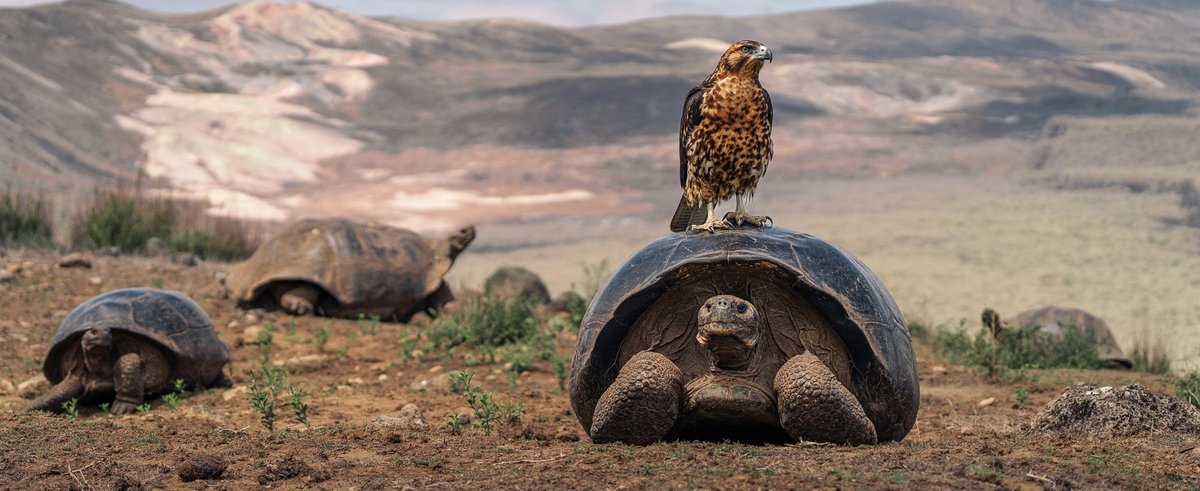
What can giant tortoises teach us about health, science, and hope?
Follow researcher Gislayne Mendoza from her roots in San Cristóbal to the rugged landscapes of Galapagos. Her story unveils surprising virus discoveries, the power of local science, and why protecting these ancient creatures means protecting the delicate balance between wildlife, people, and planet.
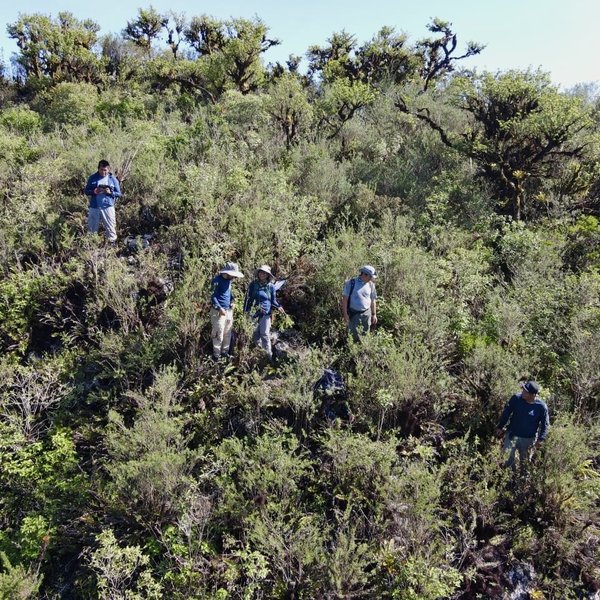
While a mere 3% of the Galapagos Islands are home to people, our presence in this small fraction of the archipelago has put the native vegetation at risk. Our restoration program in urban and rural areas engages the local community in conservation and restoration efforts to secure the long-term health of these unique ecosystems.
Baltra Island is coming back to life after more than a decade of restoration. Thanks to over 8,000 native plants introduced by the Charles Darwin Foundation and partners, ecosystems are regenerating naturally, offering new hope for Galápagos conservation.
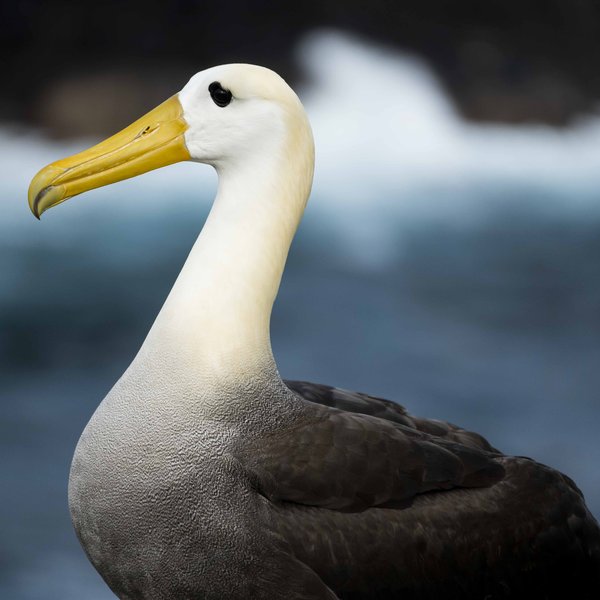
Possibly best known for its remoteness, giant tortoises and links with Charles Darwin, the Galápagos Islands—600 miles off the Ecuadorian coast—are also home with the magnificent Waved Albatross (Phoebastria irrorate), a huge bird that nests there and raises its young during nine months of the year. The largest bird in the Islands, it is the only albatross that lives in the tropics.
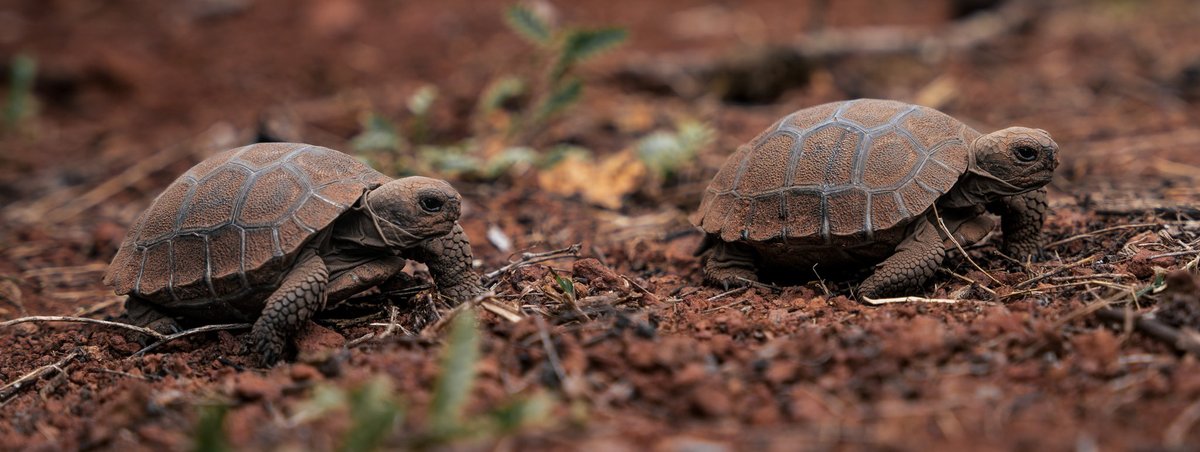
In 1969, during relentless rains on Santa Fe Island, scientist Tjitte de Vries discovered a small, well-preserved tortoise skull. Taken to the Charles Darwin Research Station, the find intrigued researchers, who believed it might belong to the island’s long-extinct giant tortoise.
After 20 years, Nancy Tapia Paredes returned to the Galapagos, volunteering at the Community Library on Santa Cruz Island. Through storytelling and environmental education inspired by the UN's Sustainable Development Goals, she rediscovered her passion for conservation and found healing. Discover her story of second chances, growth, and a renewed purpose in protecting this extraordinary place.
December marks the start of one of the most exciting activities of the year in Galápagos: the Christmas Bird Count. Now in its ninth consecutive year, this event, organized by the Charles Darwin Foundation (CDF) in collaboration with key partners, combines science, community, and fun to celebrate and protect the incredible diversity of birds on our islands.
Have you ever thought about what you could do to help nature and people live in harmony? Environmental education offers a simple yet powerful answer. It acts as a bridge that connects learning with action, inspiring us to care for our planet through small steps that, when combined, lead to significant change.