Results
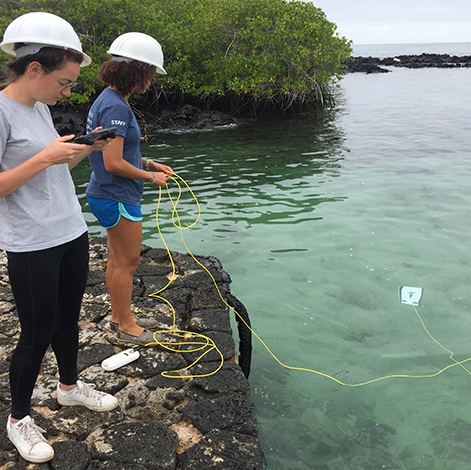
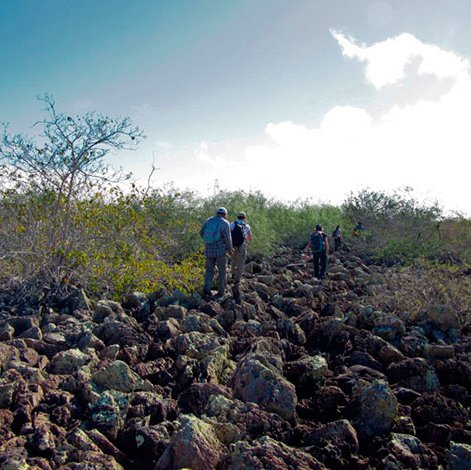
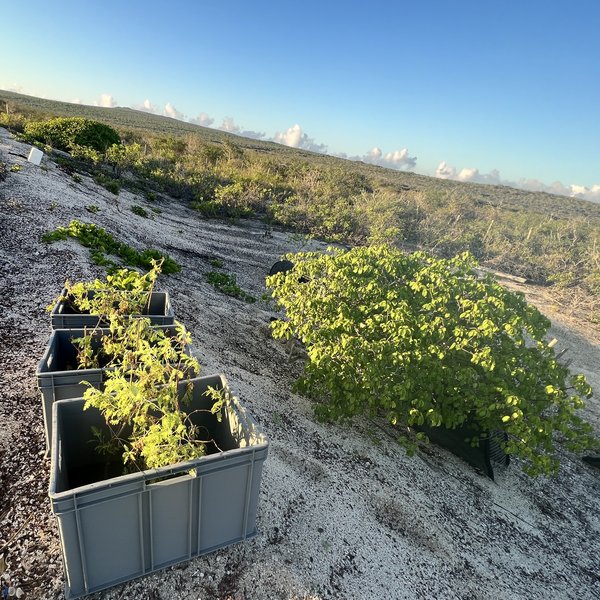
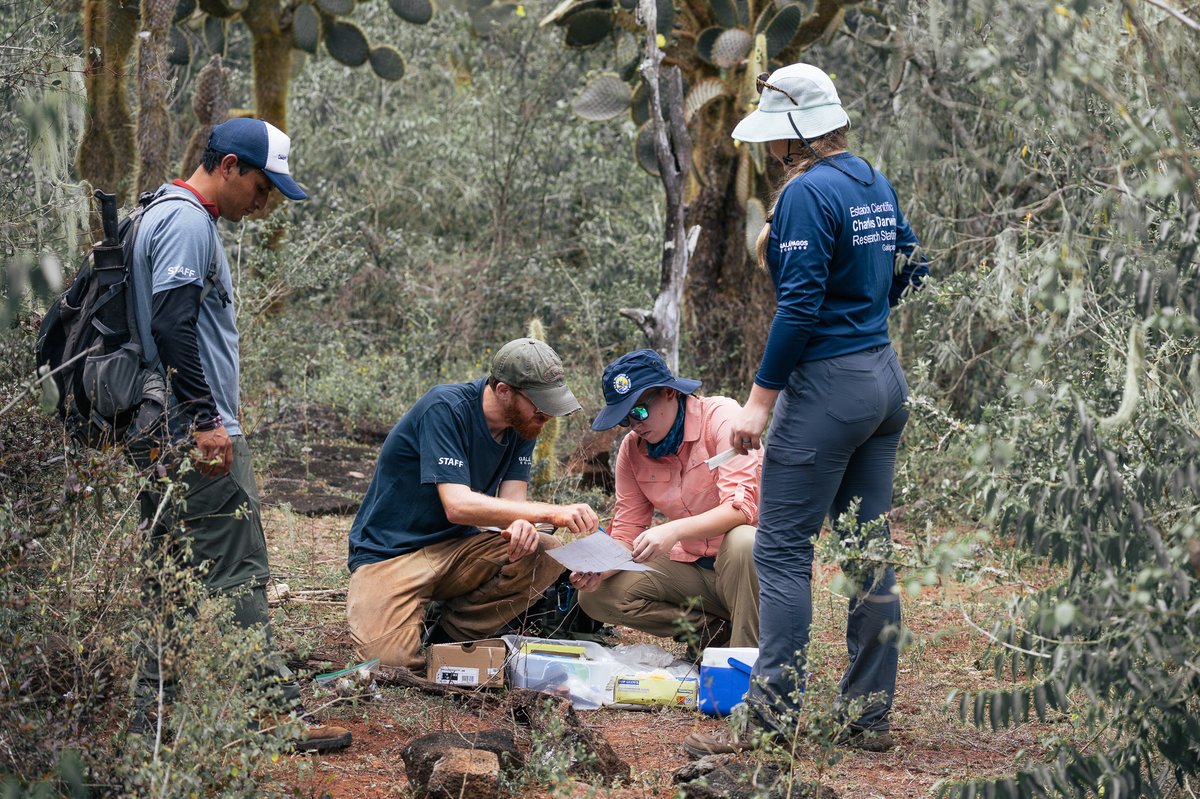
In November 2020, I joined the Galapagos Verde 2050 (GV2050) team during an exciting time. The team had just returned from an expedition to Punta Manzanillo on Española Island, where they had rediscovered a small population of Lecocarpus lecocarpoides, a species thought to be locally extinct. With 50 precious seeds collected, I was given a mission: to use these seeds to help recover the only population of this endangered species on the island.
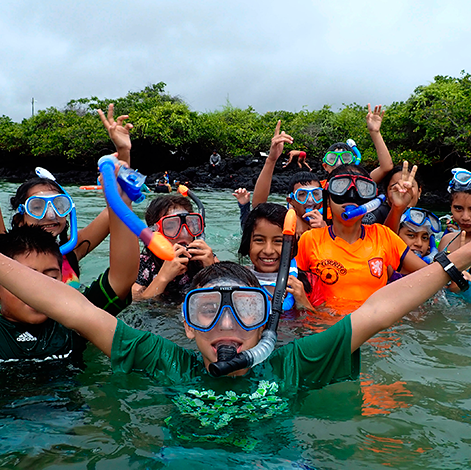

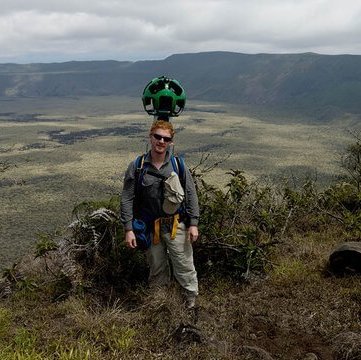
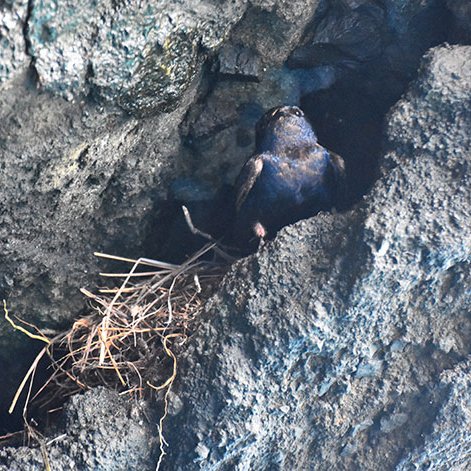
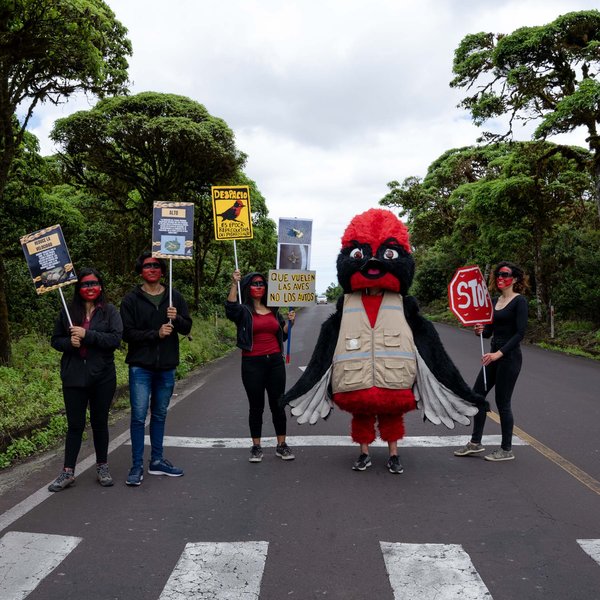
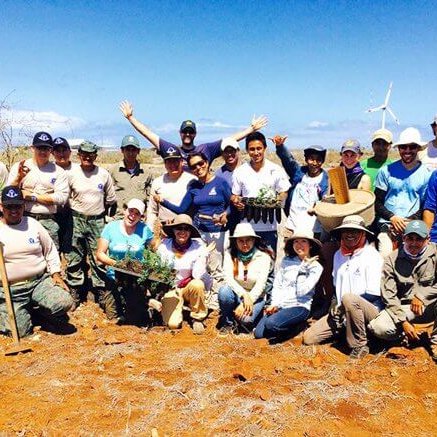
At the Charles Darwin Foundation, we believe that sustainable conservation depends on the involvement of the local community. Our goal is to inspire future generations of local conservation leaders, and embed conservation and sustainable development in the local culture.
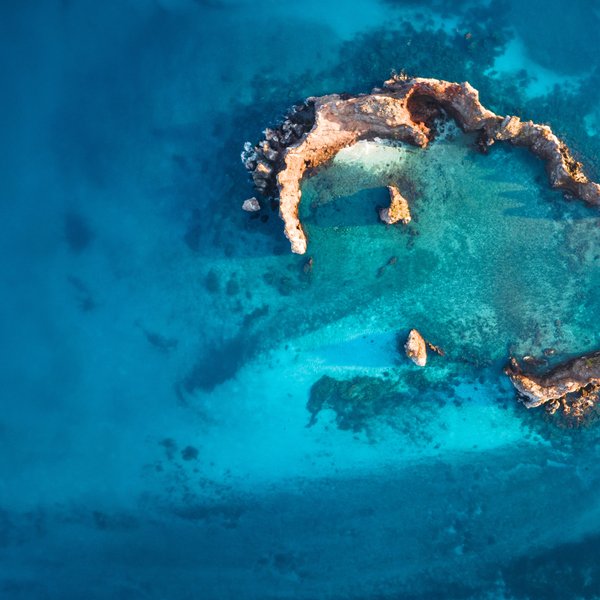
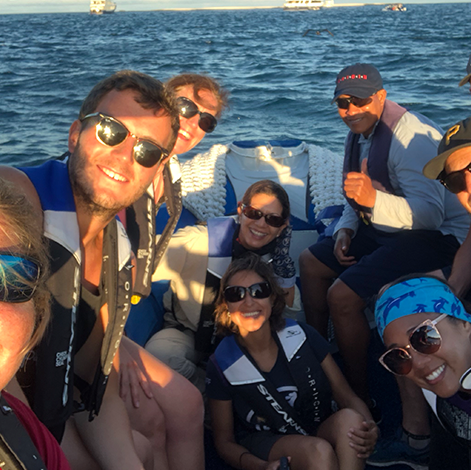
Our Ambassadors are passionate advocates that volunteer their time to enact lasting change for Galapagos and the world. Like us, they are united in their vision that if we can protect Galapagos, we can impact the world – inspiring others around the world to protect our planet’s fragile biodiversity, and ultimately protect our home. They do so by raising awareness and rallying support for our mission, while tailoring their involvement to their unique passions and skillsets.