Results
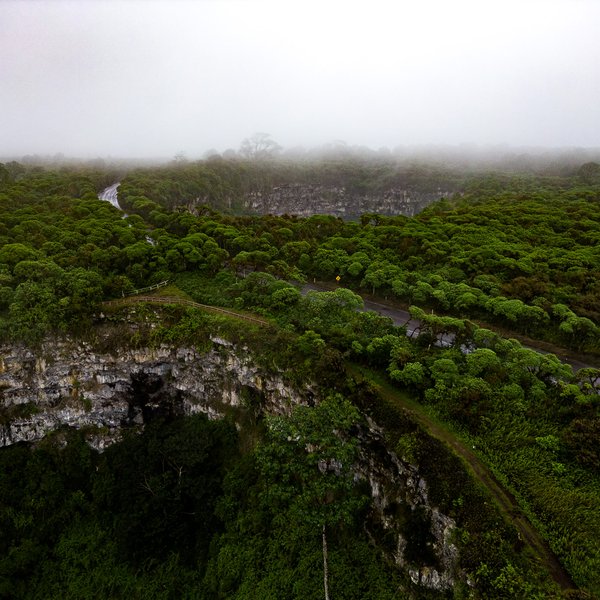
A new international research initiative is investigating how climate change could reshape the Galápagos cloud forests by altering the iconic garúa fog. Discover how scientists will study water, biodiversity, and invasive species to generate the knowledge needed to protect the archipelago’s unique ecosystems and freshwater resources for future generations.
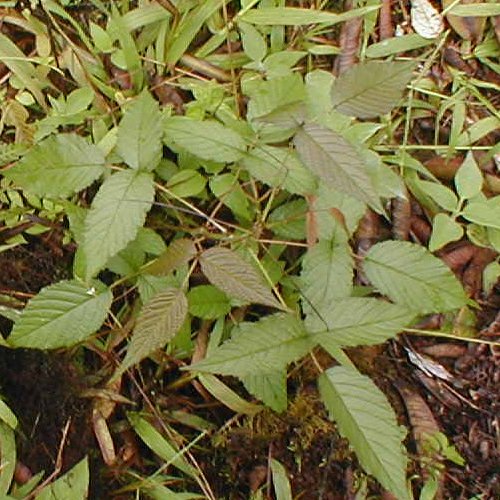
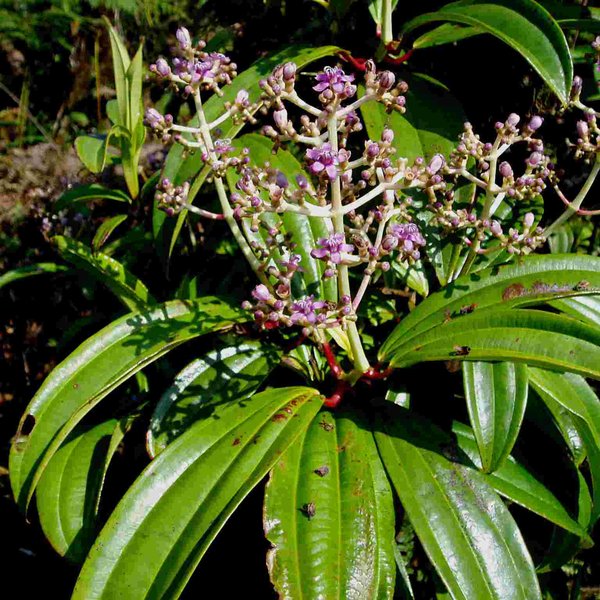
For 26 years, scientists have returned to the misty highlands of Santa Cruz to track the impacts of the invasive quinine and of the management actions. The continuous control of invasive plants resulted in the remarkable recovery of endemic plant species, especially that of the iconic Miconia robinsoniana. This is the story of endurance, restoration, and how a long-term commitment can strengthen conservation actions to protect the Galapagos ecosystems.
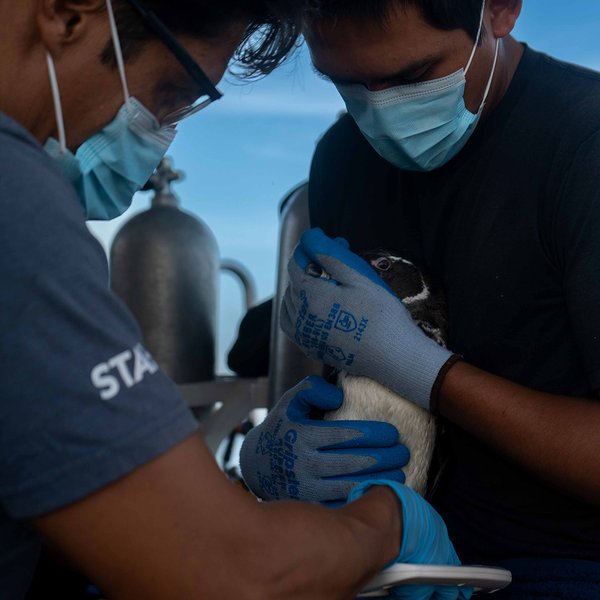
The Galapagos Islands are home to species so unique they exist nowhere else on Earth. Among these are the Galápagos penguin and the flightless cormorant, evolutionary wonders that have adapted to thrive in these remote habitats. But these incredible creatures face mounting challenges from climate change, diseases and invasive species. Protecting them is no easy feat—it takes dedication, resources, scientific knowledge, and action.
The Galapagos Islands are home to species so unique they exist nowhere else on Earth. Among these are the Galápagos penguin and the flightless cormorant, evolutionary wonders that have adapted to thrive in these remote habitats. But these incredible creatures face mounting challenges from climate change, diseases and invasive species. Protecting them is no easy feat—it takes dedication, resources, scientific knowledge, and action.
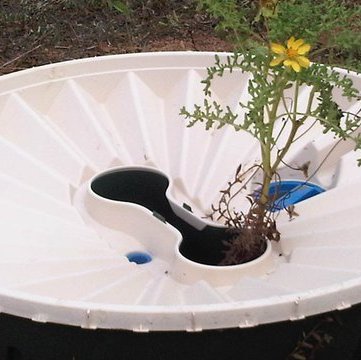
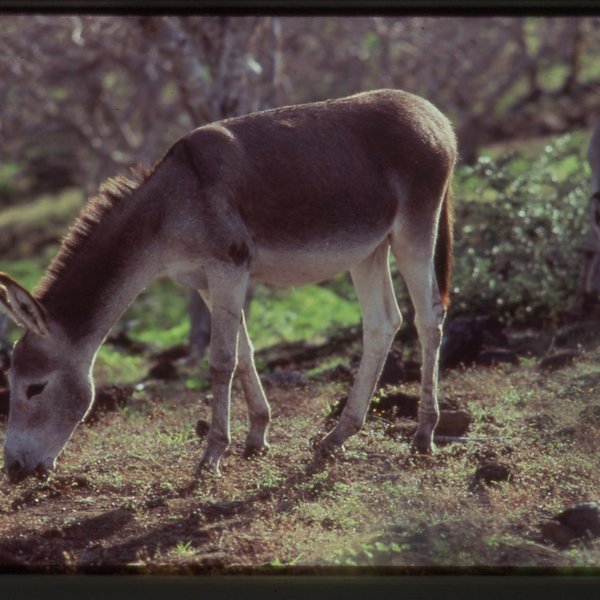
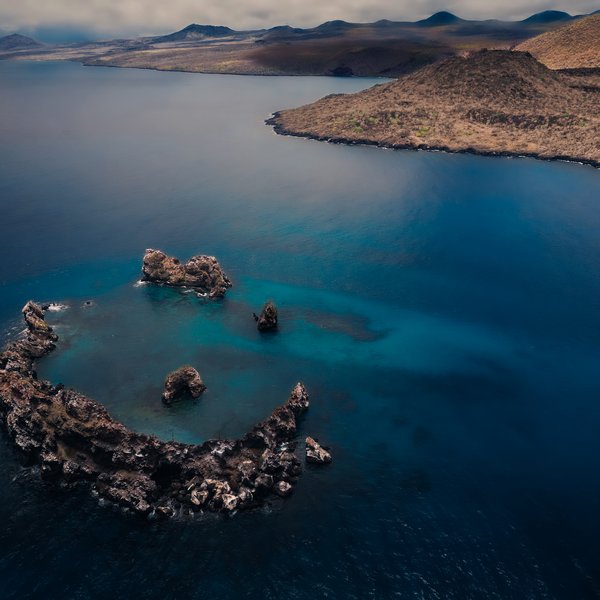
Restoring Floreana isn’t about small plots—it’s about healing an entire island. Discover how large-scale habitat restoration underpins species recovery, why forests like Scalesia matter, and how science, patience, and collaboration are reshaping one of Galápagos’ most ambitious conservation projects—with lessons that could inform island restoration worldwide.
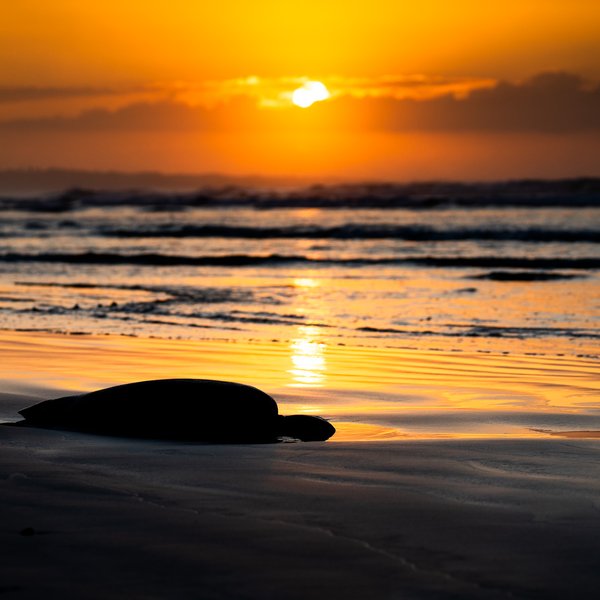
The Charles Darwin Foundation and Oceans Finance Company are delighted to announce a strategic partnership aimed at advancing crucial long-term conservation initiatives to enhance resilience to climate change in the archipelago and surrounding areas.
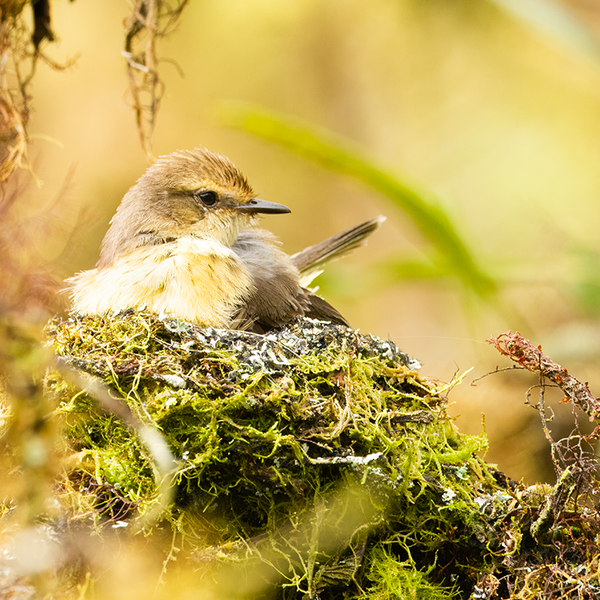
Record Year for Vermilion Flycatcher Season and Advances in the Recovery of the Mangrove Finch
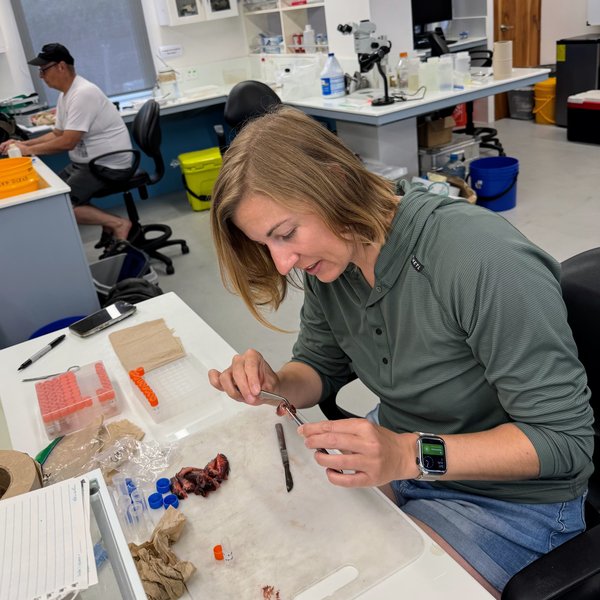
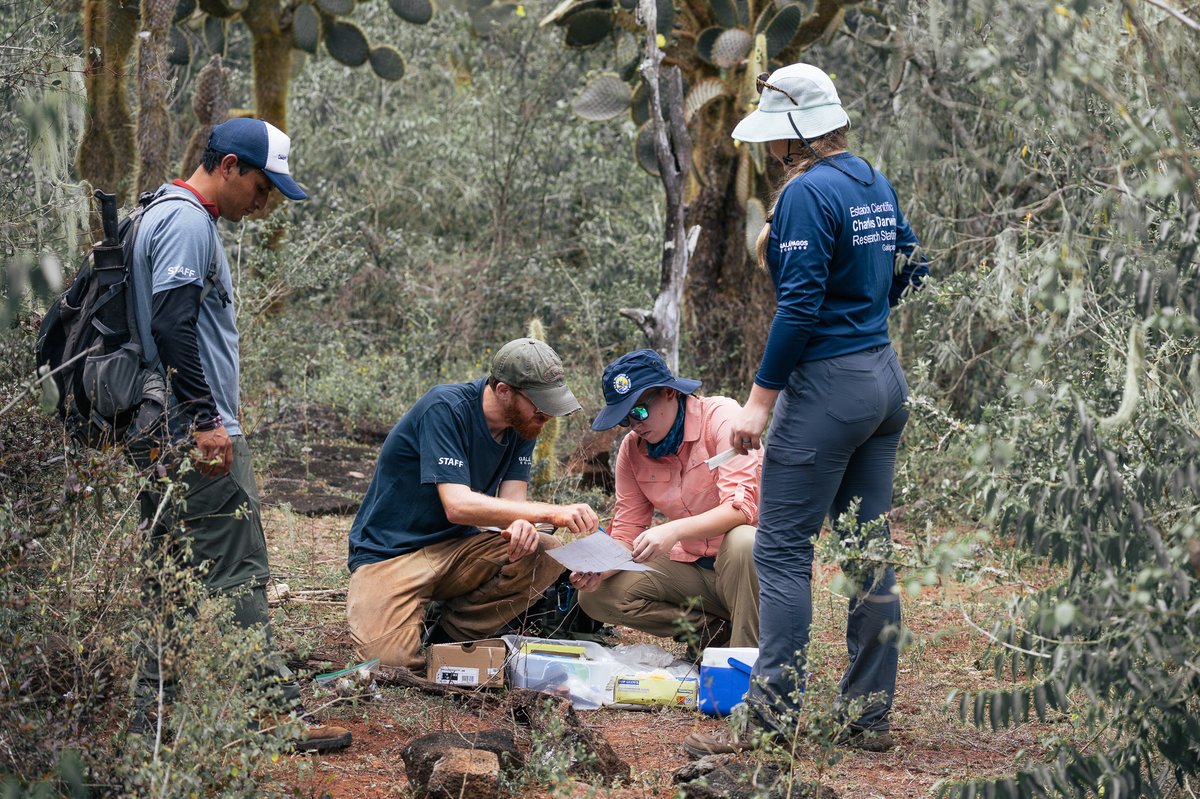
Savanna Barry, a collaborating scientist joined the Charles Darwin Foundation to study invasive frogs, restore endangered Scalesia forests, and dive into coral reef research. From field transects to fish dissections, these field notes reveal the science, mentorship, and conservation challenges shaping the future of the Galápagos.