

Results
Ecologically, the ocean is one interconnected system. Yet international law has divided it into arbitrary maritime zones based on geopolitical interests. Our research seeks to improve transnational ocean governance and conservation outcomes in the Eastern Tropical Pacific, through collaboration with scientists, academics, practitioners, and decision-makers.
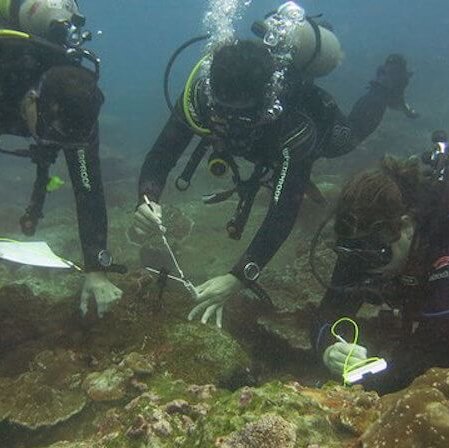

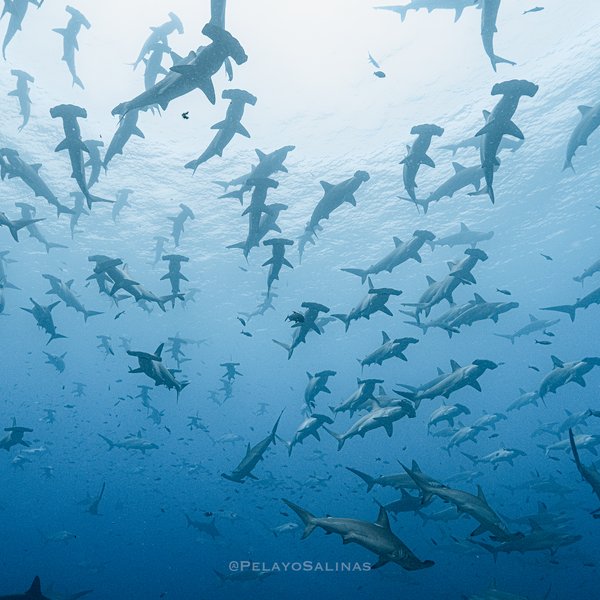
A groundbreaking study across seven marine protected areas in the Eastern Tropical Pacific reveals thriving shark and predator populations in remote island MPAs like Galapagos and Malpelo, while coastal reserves are severely depleted. Discover what this means for ocean protection, why it matters, and the urgent actions scientists recommend.
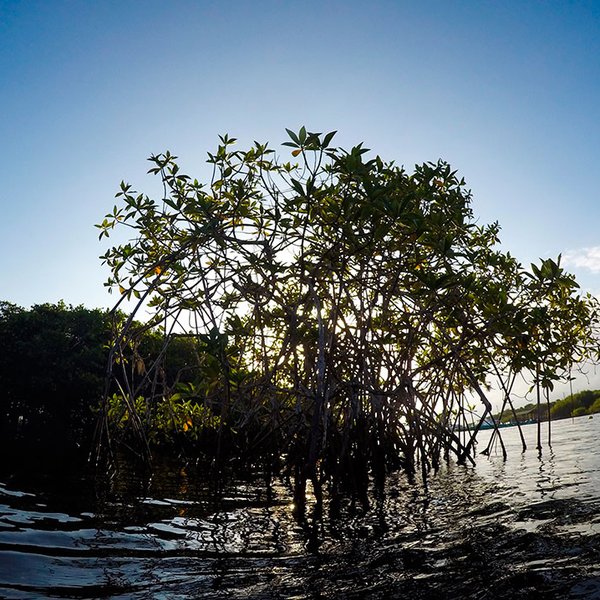
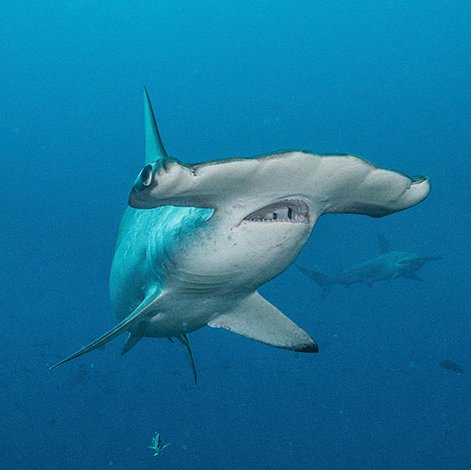
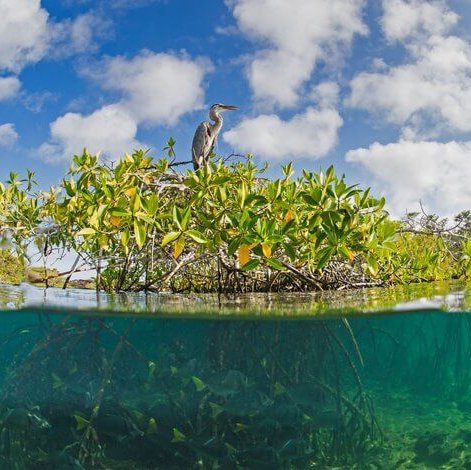

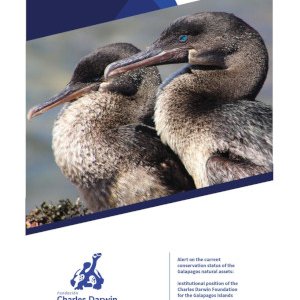
From the Galapagos, the Charles Darwin Foundation issues a science-driven manifesto to UNOC 3 delegates, pressing for robust global policies that conserve marine biodiversity, stop IUU fishing, enforce sustainable tourism, and spark regenerative blue economies that secure ocean health and human prosperity.
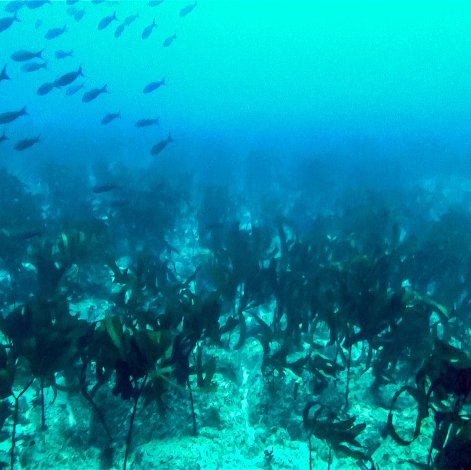

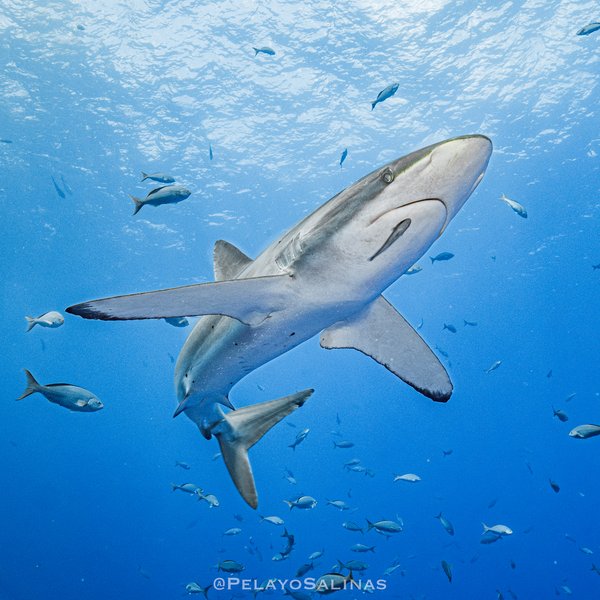
Silky shark's record-breaking migration of more than 27,000 km on the Tropical Eastern Pacific sheds light on urgent conservation need
Silky shark's record-breaking migration of more than 27,000 km on the Tropical Eastern Pacific sheds light on urgent conservation need
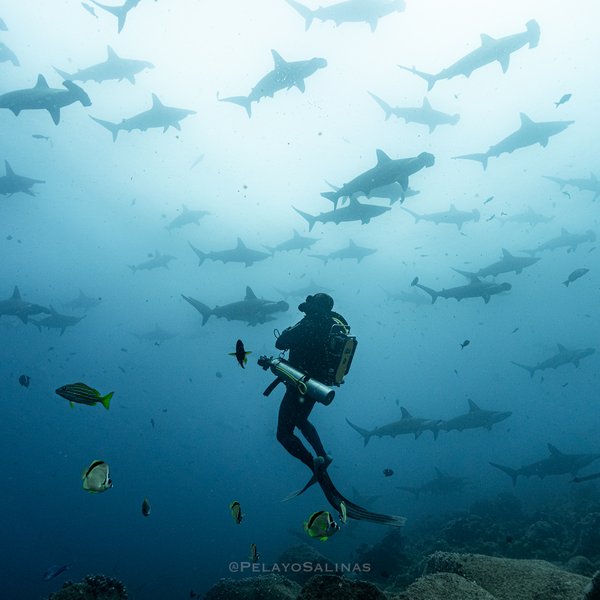
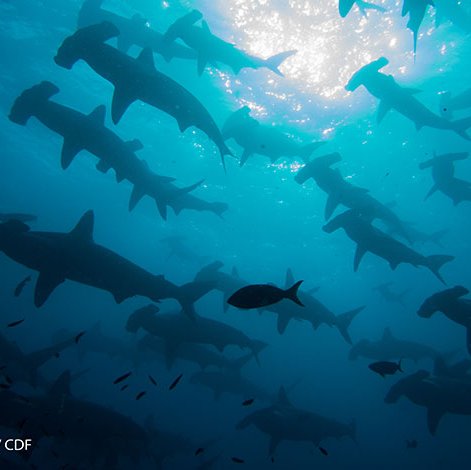
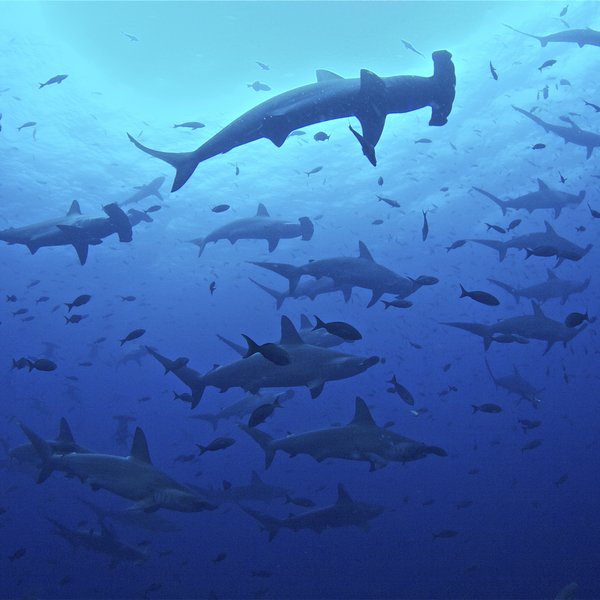
Scientists from the Charles Darwin Foundation’s shark ecology and conservation program and collaborators, have published what is likely the first-ever scientifically recorded birthing migration for the critically endangered scalloped hammerhead shark (Sphyrna lewini).
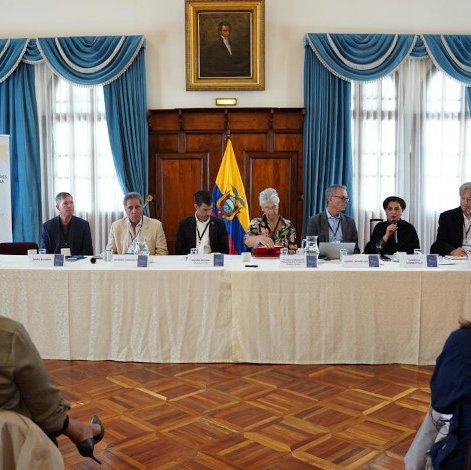
The Charles Darwin Foundation and WWF launch project "Habla Tiburón" to promote the conservation of sharks and rays and empower fishing communities in mainland and insular Ecuador