Results
While kayaking along El Garrapatero Beach, a chance sighting led to the re-encounter of Scalesia retroflexa, one of Galápagos’ rarest plants. What began as a weekend outing became a pivotal moment for conservation. Discover how this unexpected find could reshape the future of an endangered species.
Galapagos penguins, flightless cormorants, waved albatross, and flamingos are among the most iconic birds in Galapagos. Yet, these sentinel species are all classified as threatened on the International Union for Conservation of Nature’s Red List, and face continued risk of population decline.
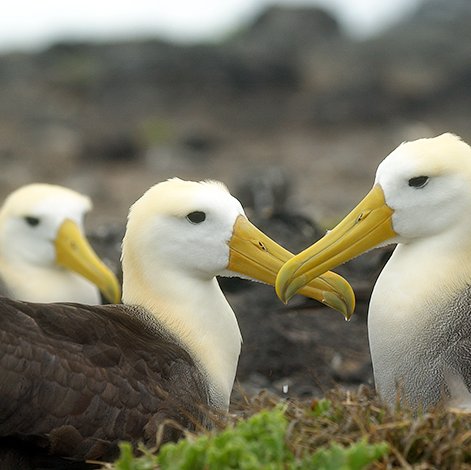
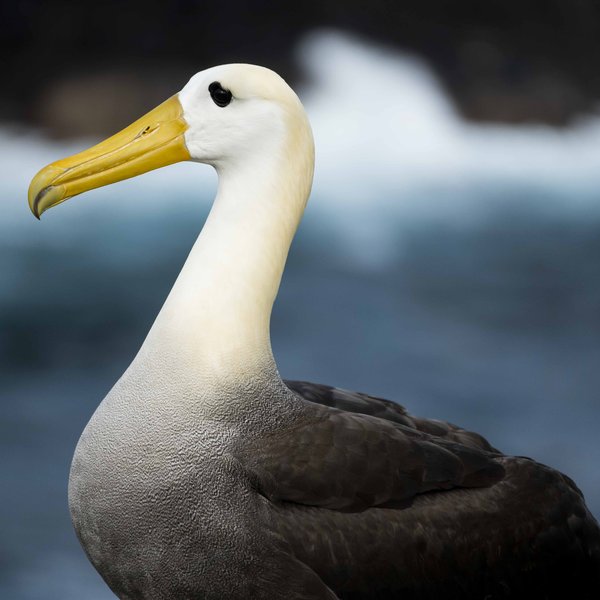
Possibly best known for its remoteness, giant tortoises and links with Charles Darwin, the Galápagos Islands—600 miles off the Ecuadorian coast—are also home with the magnificent Waved Albatross (Phoebastria irrorate), a huge bird that nests there and raises its young during nine months of the year. The largest bird in the Islands, it is the only albatross that lives in the tropics.
Ushering in a new chapter for ocean governance ratification of the BBNJ agreement.
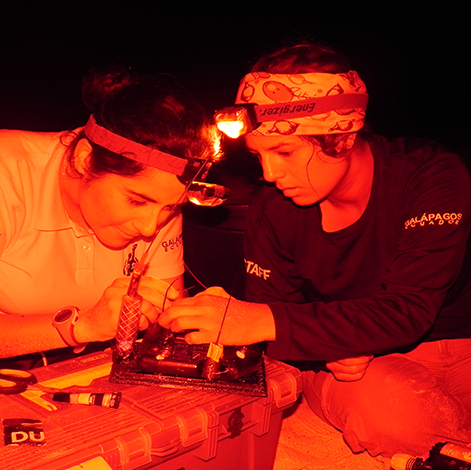
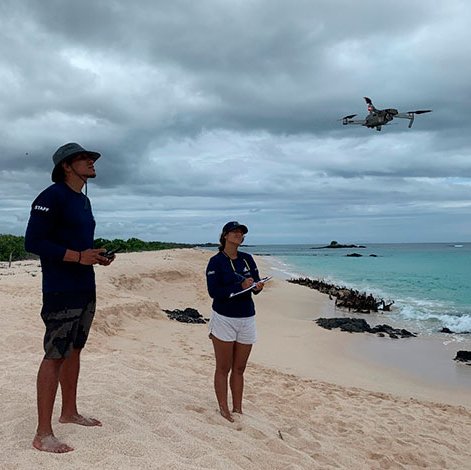
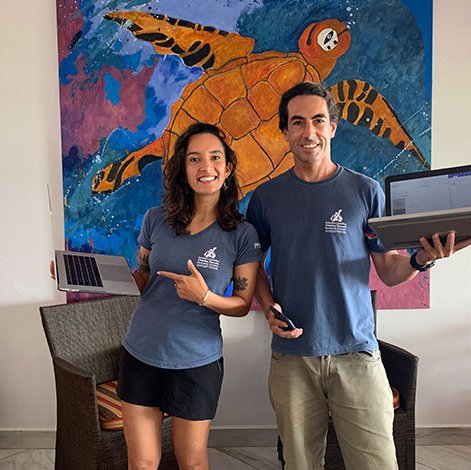
Important feeding and nesting sites for the endangered East Pacific green turtle in Galapagos are increasingly threatened by tourism, marine traffic and climate change. Our research is helping to identify the key areas where sea turtles are most vulnerable, and to develop solutions to protect them in the long term.
The Galápagos Islands face a growing threat from invasive species that endanger native biodiversity. Classical biological control, using natural enemies to regulate these species, offers a sustainable and safe way to restore ecological balance and protect this unique ecosystem.
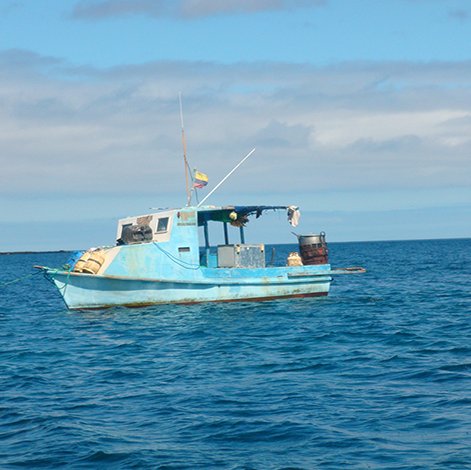
A scientific delegation from the Charles Darwin Foundation for the Galapagos Islands participated in the 12th annual meeting of the Commission of the South Pacific Regional Fisheries Management Organization (SPRFMO), which took place in Manta, Ecuador, between 29 January – 2 February 2024.