Results

Not just your average library, the CDF Library, Archive and Museum at our campus features three unique spaces dedicated to the management of knowledge and memory: written and audiovisual documents, archival materials, and archaeological and historical artifacts. There is something for everyone - from scientific to fictional, for the scientist or a student.
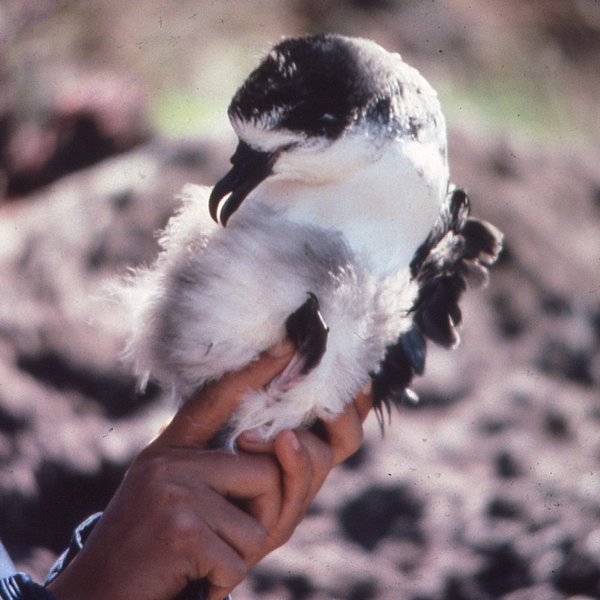
In 1982, a pioneering effort began at Cerro Pajas, Floreana, to protect the critically endangered Galápagos petrel. Scientists, park rangers, and conservation practitioners controlled introduced species, monitored nests, and tested new techniques. The results showed that science, sustained management, and collaboration could improve the breeding success of this threatened seabird population.
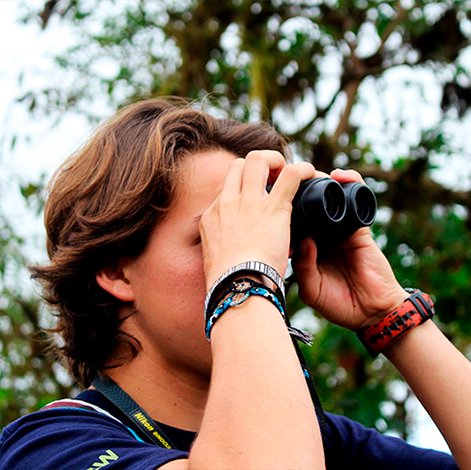
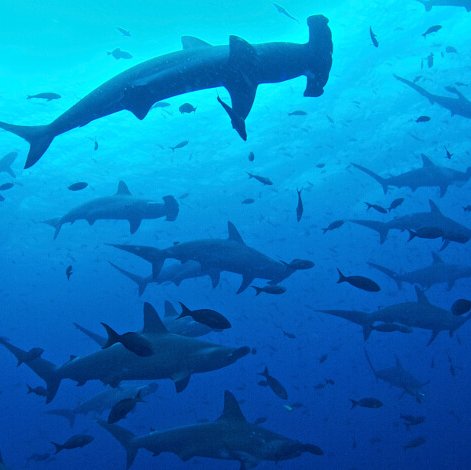

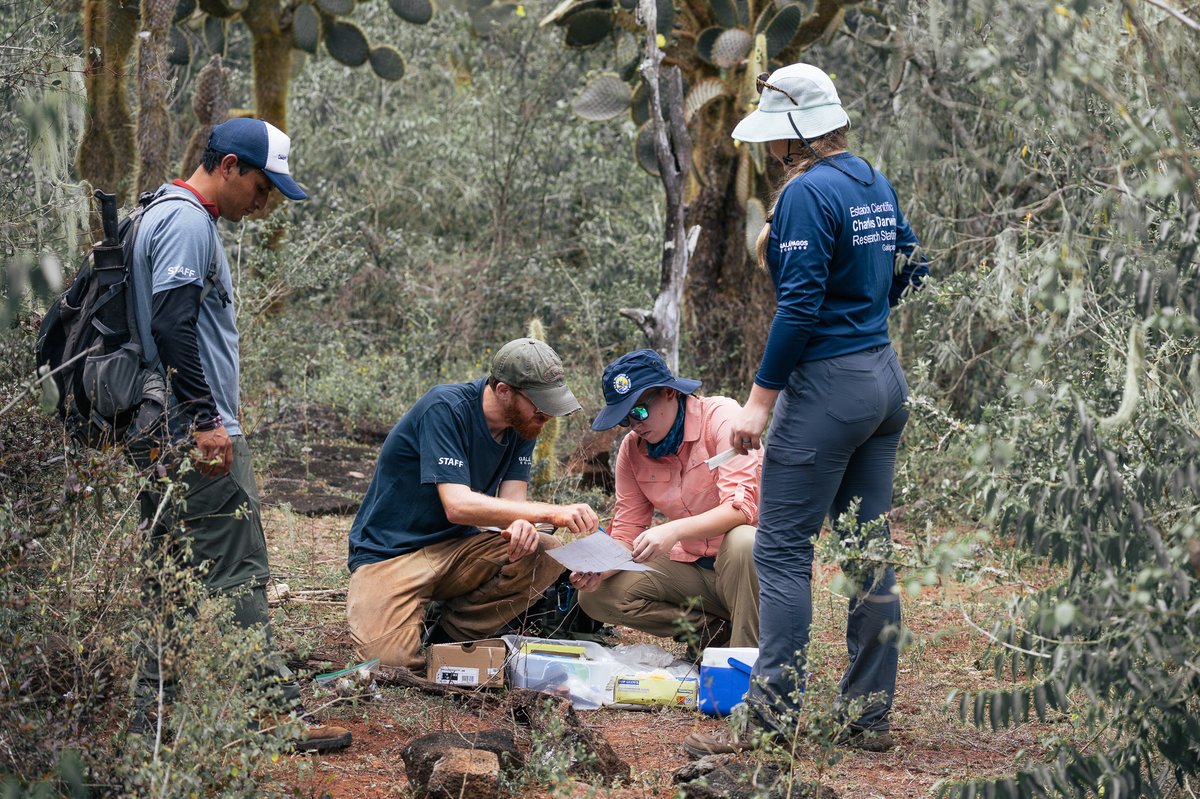
Being a volunteer at the Charles Darwin Foundation was one of the most enriching experiences of my life. For two months, I had the privilege of participating in various projects that allowed me to witness firsthand the incredible work being done to protect the natural environment of the Galápagos Islands. From guiding visitors in the Exhibition Hall, collaborating with the Communications and Marketing team, to joining scientists in the field, I experienced a full immersion in the CDF’s conservation efforts.
Being a volunteer at the Charles Darwin Foundation was one of the most enriching experiences of my life. For two months, I had the privilege of participating in various projects that allowed me to witness firsthand the incredible work being done to protect the natural environment of the Galápagos Islands. From guiding visitors in the Exhibition Hall, collaborating with the Communications and Marketing team, to joining scientists in the field, I experienced a full immersion in the CDF’s conservation efforts.
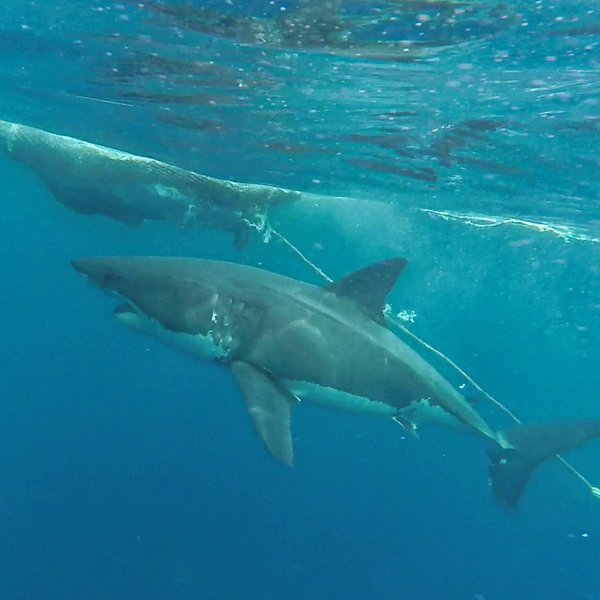
Researchers from the Charles Darwin Foundation and the Galapagos National Park have published the first confirmed record of a white shark in Ecuadorian waters. The encounter, roughly ninety kilometers west of Wolf Island and outside the Galapagos Marine Reserve (GMR), marks an unusual sighting of this species in the Eastern Tropical Pacific, where sightings south of Mexico's coastline are exceptionally rare.

The woodpecker finch of San Cristobal has been identified as a potential new species (Camarhynchus striatipecta), according to groundbreaking research just published in the Zoological Journal of the Linnean Society. Previously considered one of three subspecies of the woodpecker finch (Camarhynchus pallidus), this population is now identified as a genetically distinct lineage. These findings mark a significant revision to the taxonomy of Darwin’s tree finches and scientists propose C. striatipecta as a newly recognized species.

The Charles Darwin Foundation (CDF) is excited to launch its Ambassador Program, a platform for passionate advocates who share our vision of protecting the Galapagos Islands—one of our planet’s most extraordinary natural treasures—through science and conservation action.
The Charles Darwin Foundation (CDF) is excited to launch its Ambassador Program, a platform for passionate advocates who share our vision of protecting the Galapagos Islands—one of our planet’s most extraordinary natural treasures—through science and conservation action.
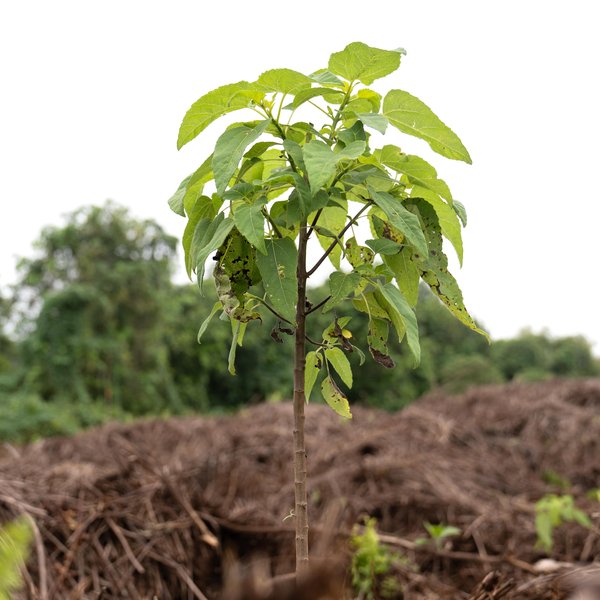
Park rangers from the Galapagos National Park Directorate (GNPD), in collaboration with scientists from the Charles Darwin Foundation (CDF), have discovered two new areas of Scalesia cordata on Sierra Negra volcano, located in southern Isabela Island. This discovery marks a significant milestone in the ongoing efforts to preserve this critically endangered species, which has seen its natural habitat severely reduced.
Park rangers from the Galapagos National Park Directorate (GNPD), in collaboration with scientists from the Charles Darwin Foundation (CDF), have discovered two new areas of Scalesia cordata on Sierra Negra volcano, located in southern Isabela Island. This discovery marks a significant milestone in the ongoing efforts to preserve this critically endangered species, which has seen its natural habitat severely reduced.
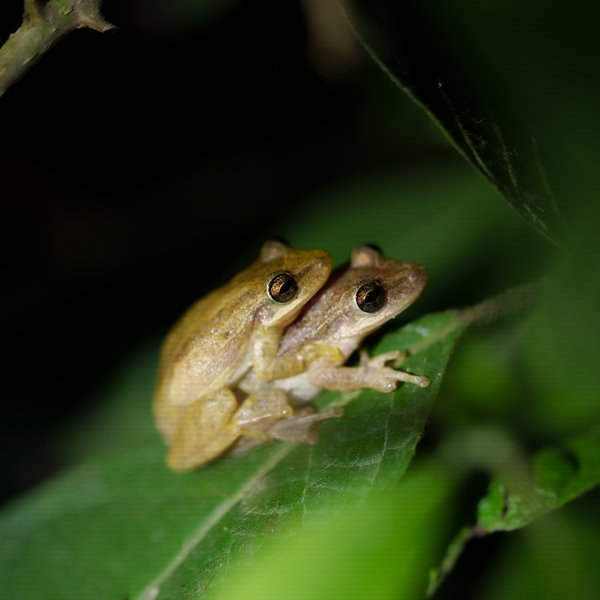
The Charles Darwin Foundation (CDF) is pleased to unveil the Galapagos Introduced Species Dashboard, the first open-access digital repository of information about species introduced to the Galapagos Islands.
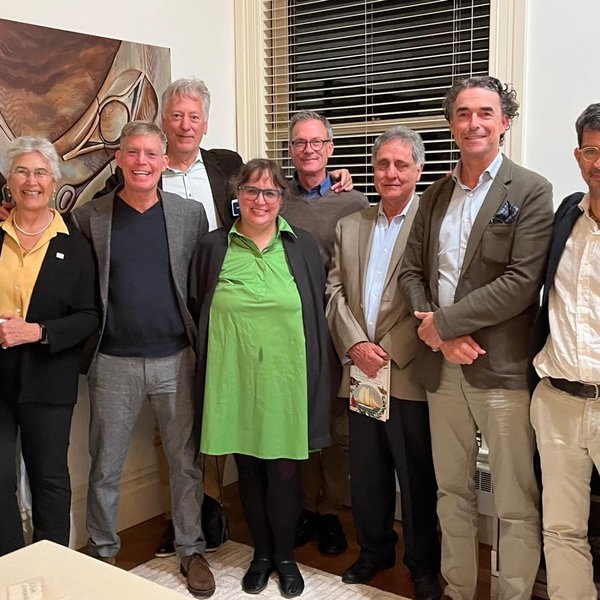
The Board of the Charles Darwin Foundation for the Galapagos Islands (“CDF”) is pleased to announce the appointment of Lúcia G. Lohmann, Andrew Balfour, and Mary C. Pearl to its Board of Directors, with immediate effect. Each new member brings unique expertise and a deep commitment to CDF’s mission of safeguarding the Galapagos Islands through science and conservation.
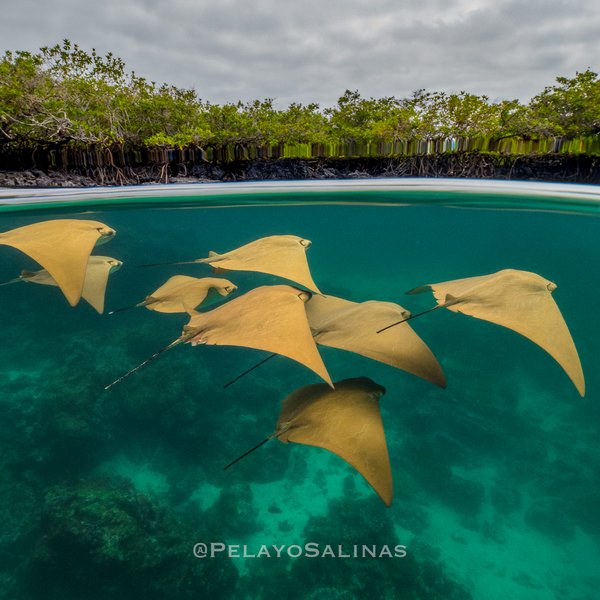
A recent study published in the prestigious scientific journal Global Change Biology reveals that nearly a quarter of chondrichthyan species (cartilaginous fish including sharks, rays, and chimeras) in the Eastern Tropical Pacific (ETP) are highly vulnerable to climate change.