Results
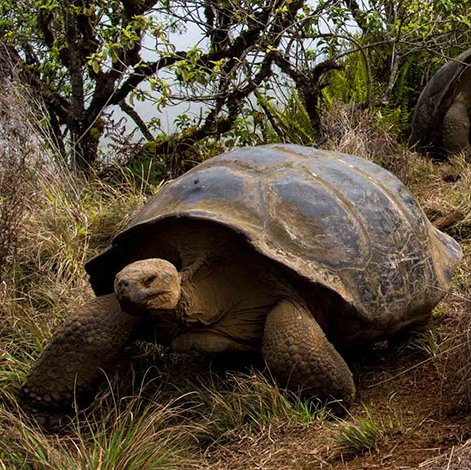
Floreana Island’s past is a gripping tale of utopian dreams undone by invasive species that devastated its wildlife and community. Today, its residents are leading one of the world’s most ambitious restoration efforts—reviving ecosystems, returning lost species, and reshaping their future. Discover the real drama behind Eden and Floreana’s remarkable comeback.
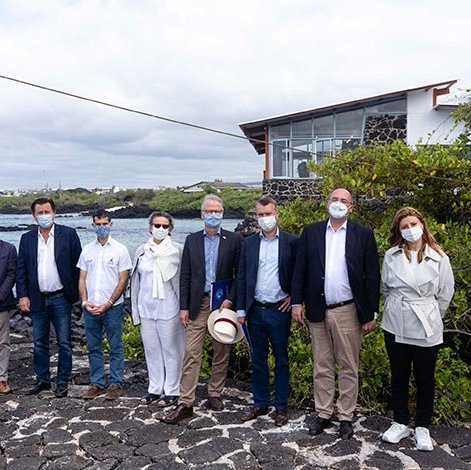
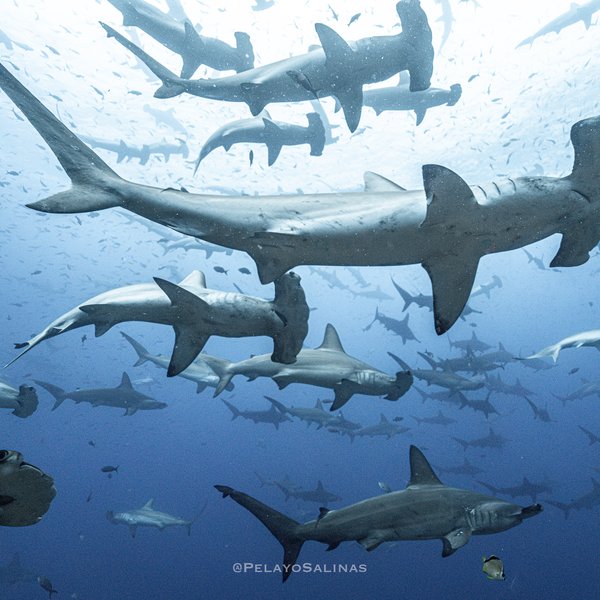
As threats to oceans intensify, bridging science and policy is key to protecting migratory species. This piece explores how UN conventions like CMS translate research into action, spotlighting efforts to uplist the Critically Endangered scalloped hammerhead shark and strengthen international conservation through collaboration, evidence, and policy innovation.
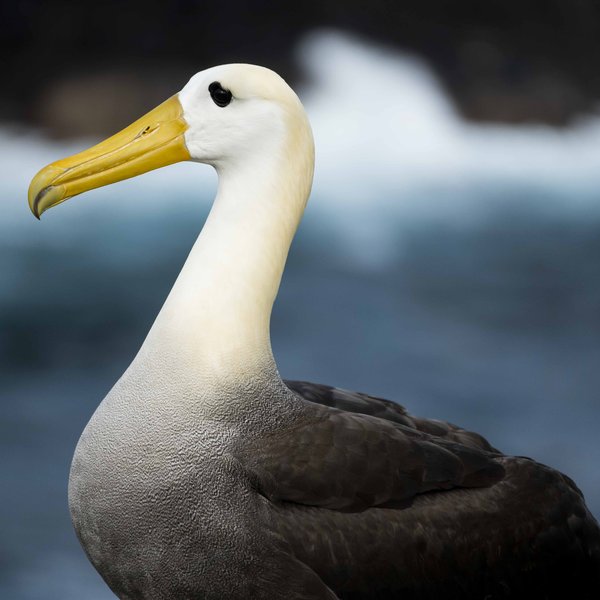
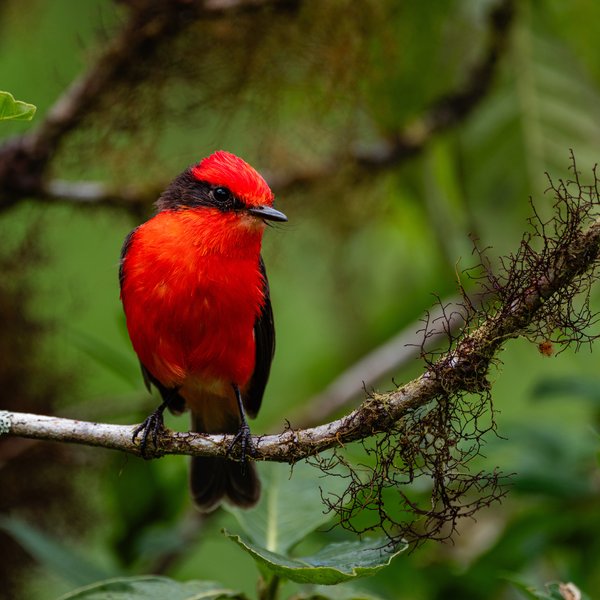
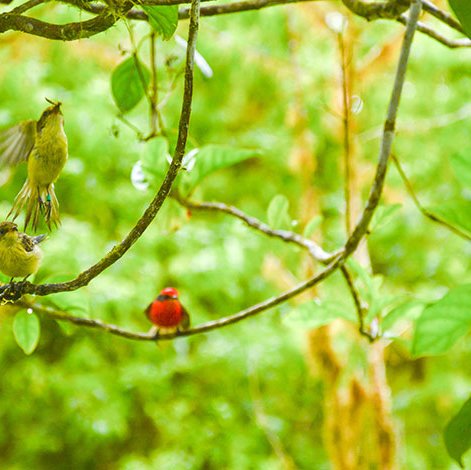
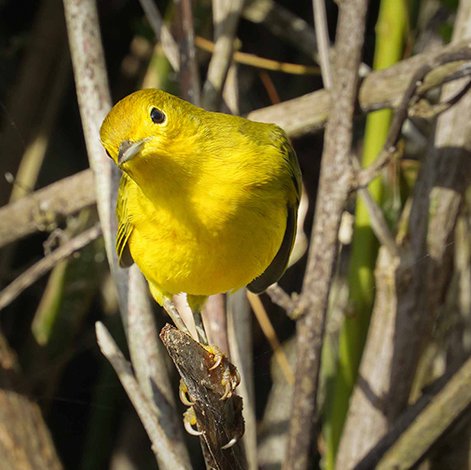
The Galápagos landbird breeding season (January–April) is critical for conservation. Monitoring and adaptive management, including innovative control of Philornis downsi, are improving nesting success. Early results show population recovery in key species, supported by habitat restoration. Ongoing data collection will determine long-term effectiveness and guide future conservation strategies.
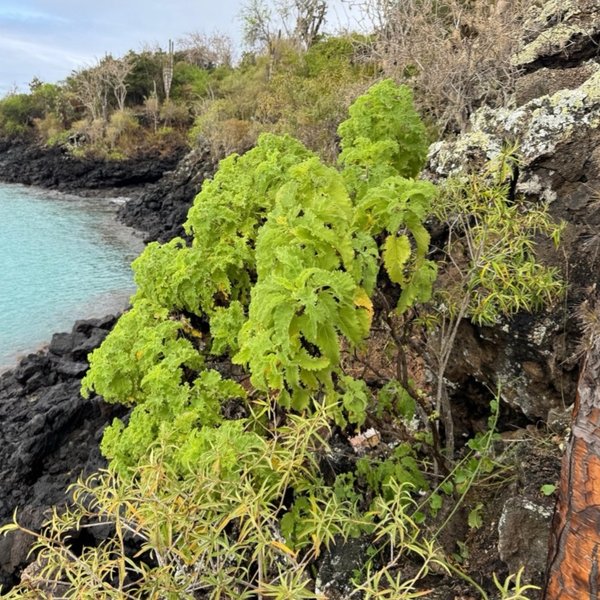
Scalesia plants in Galápagos illustrate adaptive radiation through variations in height, leaf size, and structure across environments. While these traits reflect their ability to adjust, rapid environmental changes may exceed their adaptive limits. Research identifies how these species respond, supporting monitoring and conservation efforts to protect vulnerable plant populations.
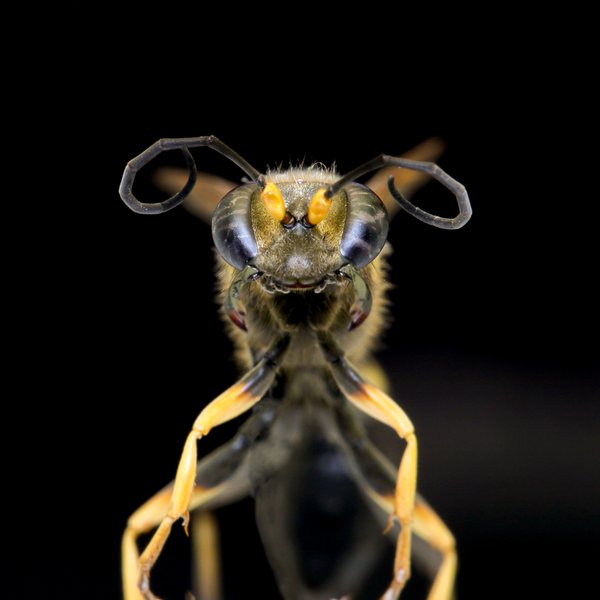
Research in the Scalesia forest on Santa Cruz Island revealed more than 200 taxa of parasitoid wasps, compared with only 30 species previously reported for Galapagos. These tiny insects play essential ecological roles and highlight how much remains unknown about the archipelago’s biodiversity and fragile ecosystems in the Pacific Ocean.