Results

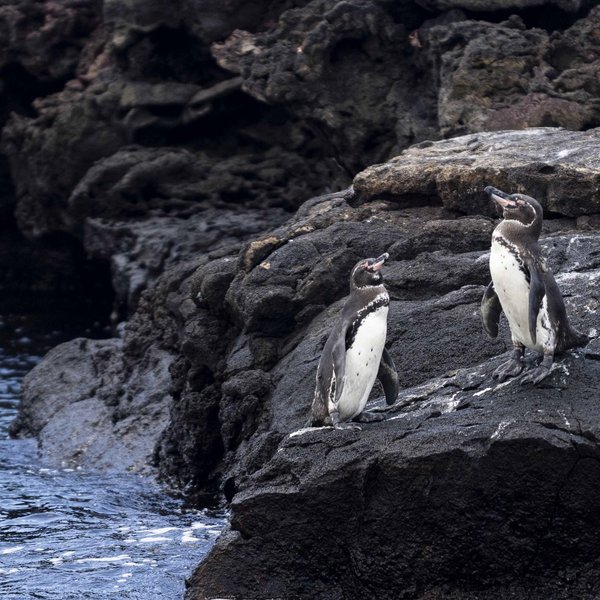
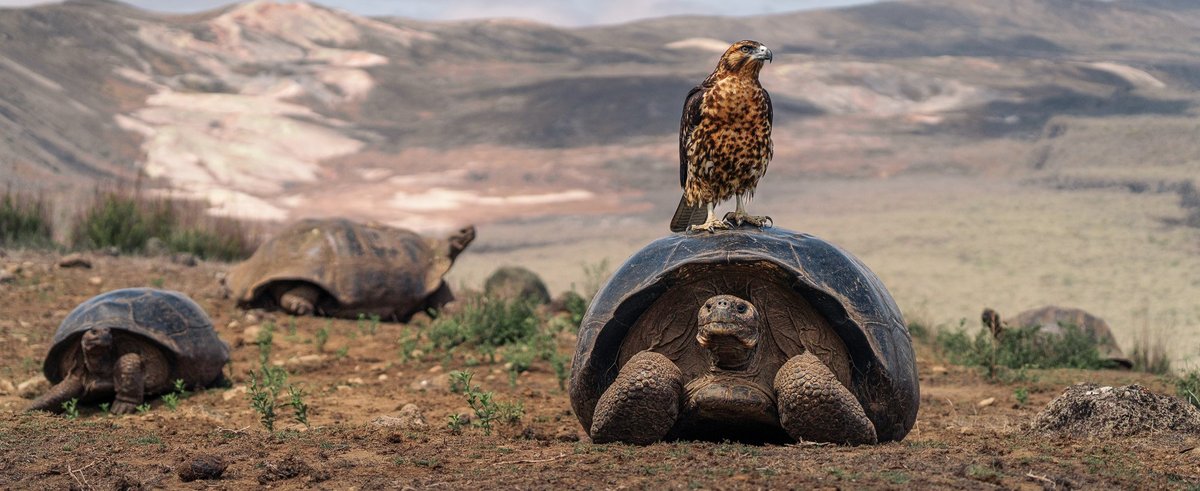
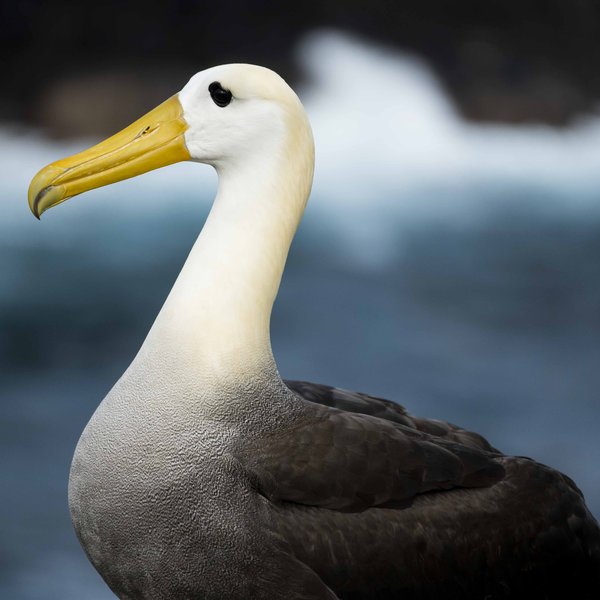
Galapagos penguins, flightless cormorants, waved albatross, and flamingos are among the most iconic birds in Galapagos. Yet, these sentinel species are all classified as threatened on the International Union for Conservation of Nature’s Red List, and face continued risk of population decline.
In 1984, six years after becoming a World Heritage Site, Galápagos was designated a UNESCO Biosphere Reserve. Peter Kramer's 1980 proposal and Köster and Villa's 1983 research built the scientific case, showing that reconciling conservation with sustainable development, economic growth, tourism, urbanization, and immigration required integrating ecological and social criteria.
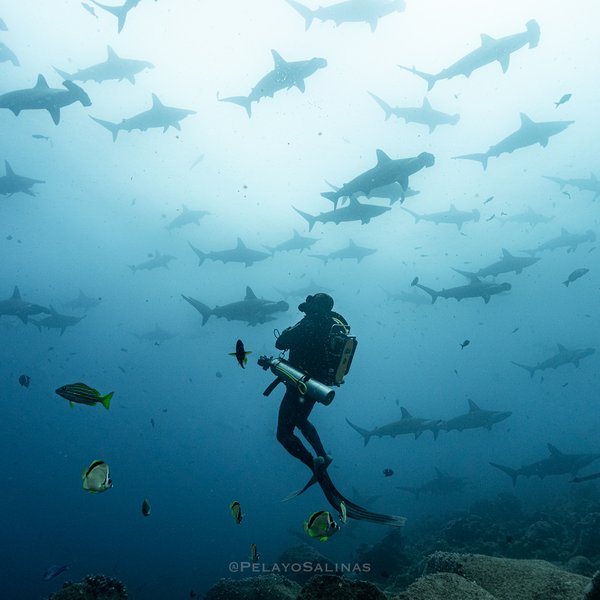
Scientists from the Charles Darwin Foundation’s shark ecology and conservation program and collaborators, have published what is likely the first-ever scientifically recorded birthing migration for the critically endangered scalloped hammerhead shark (Sphyrna lewini).

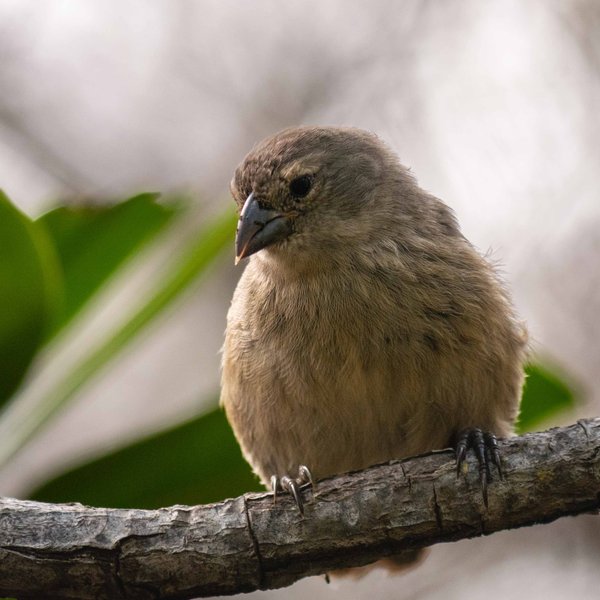
The Galápagos Islands face a growing threat from invasive species that endanger native biodiversity. Classical biological control, using natural enemies to regulate these species, offers a sustainable and safe way to restore ecological balance and protect this unique ecosystem.
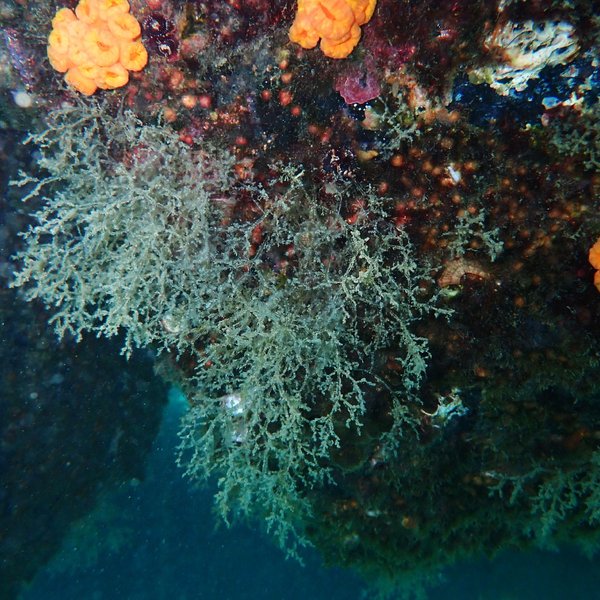
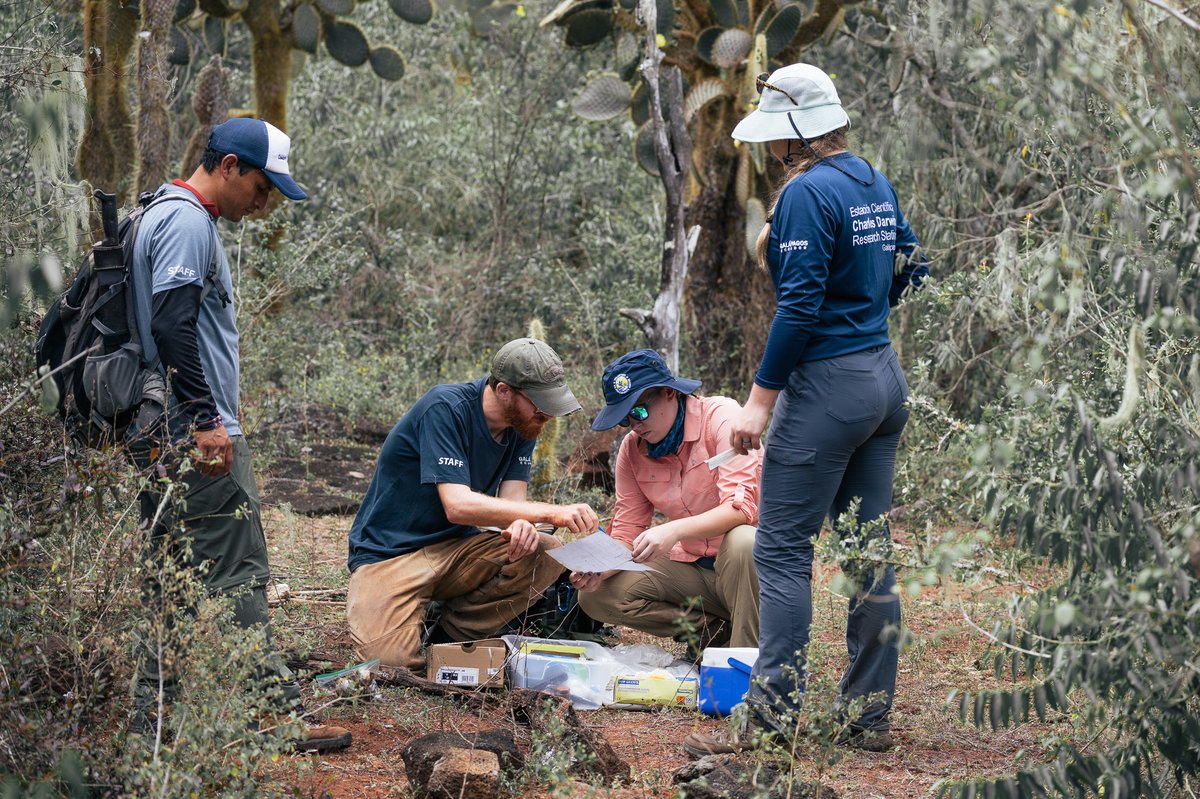
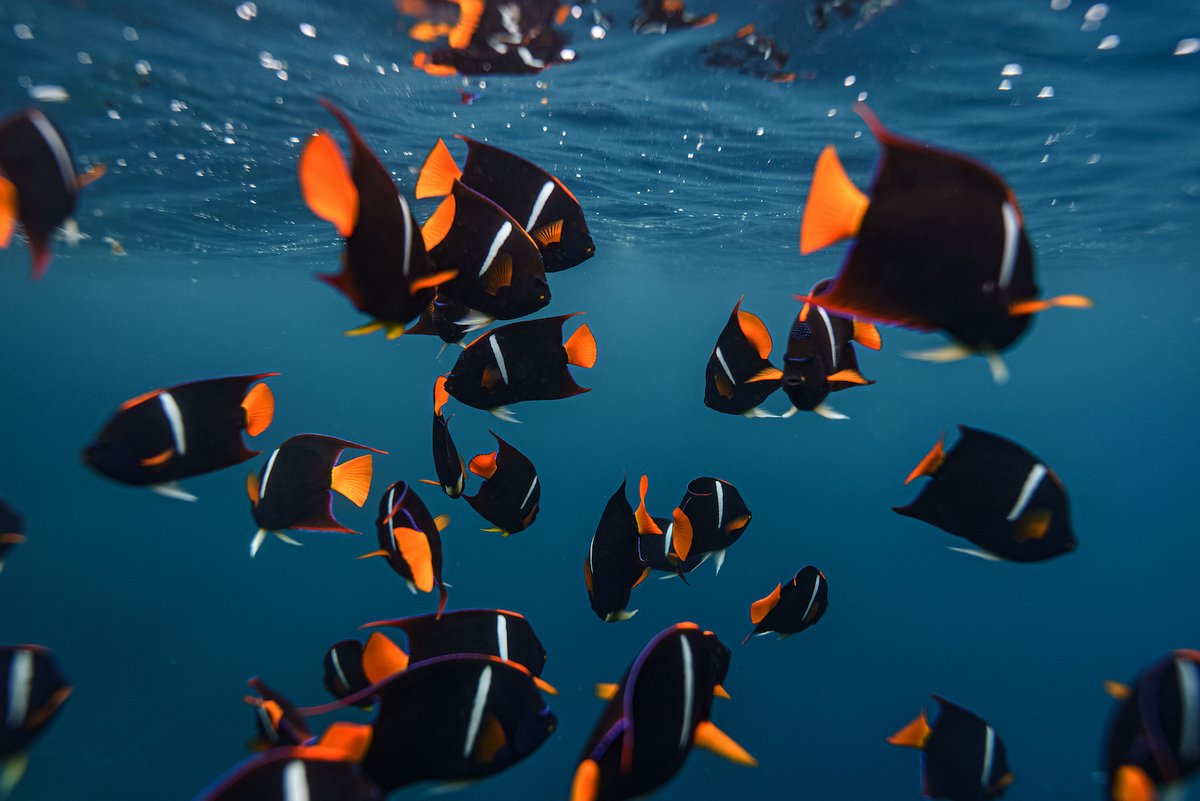
The introduction of alien species is arguably the most important driver of biodiversity loss for oceanic islands. Our work seeks to evaluate the effects of alien invasive species, climate change, and other anthropogenic pressures on the biodiversity of the Galapagos Marine Reserve and the Eastern Tropical Pacific in order to better sustain coastal communities and prevent marine species extinction.
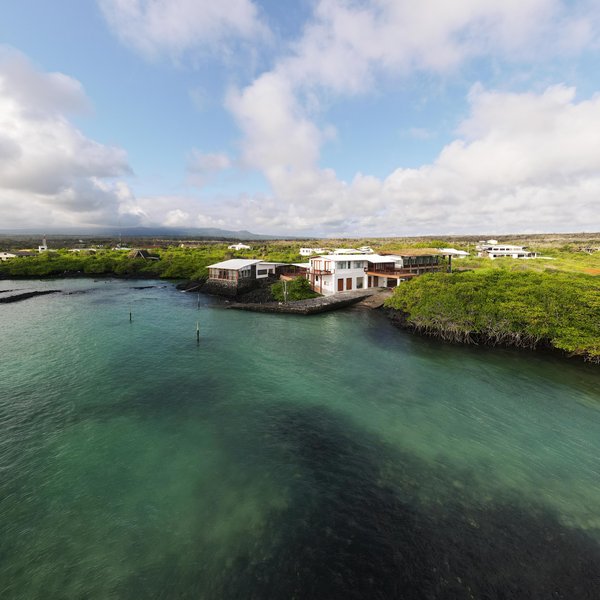
Your conference center at the edge of the Pacific. Don't miss the opportunity to make your next event truly memorable. Contact us today.