Results
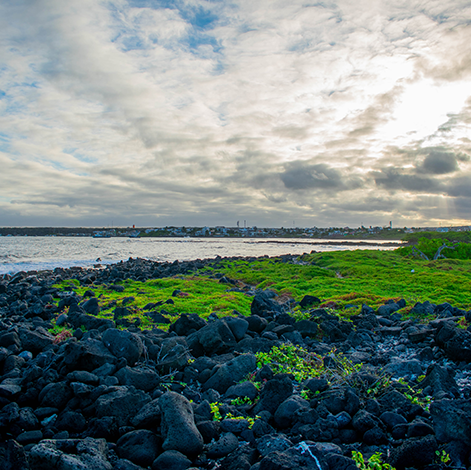
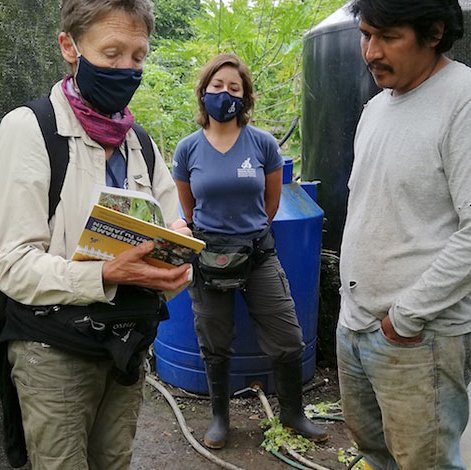
For more than 60 years, the research undertaken at the Charles Darwin Foundation has focused on furthering our understanding of the natural systems, their relationship with those living in the archipelago, and the intricate and relationship with those living in the archipelago, and the intricate and delicate balance between climate, mankind, and nature. Major research efforts have also focused on the prevention, control, and eradication of invasive species to maintain Galapagos as one of the best-conserved archipelagos in the world.
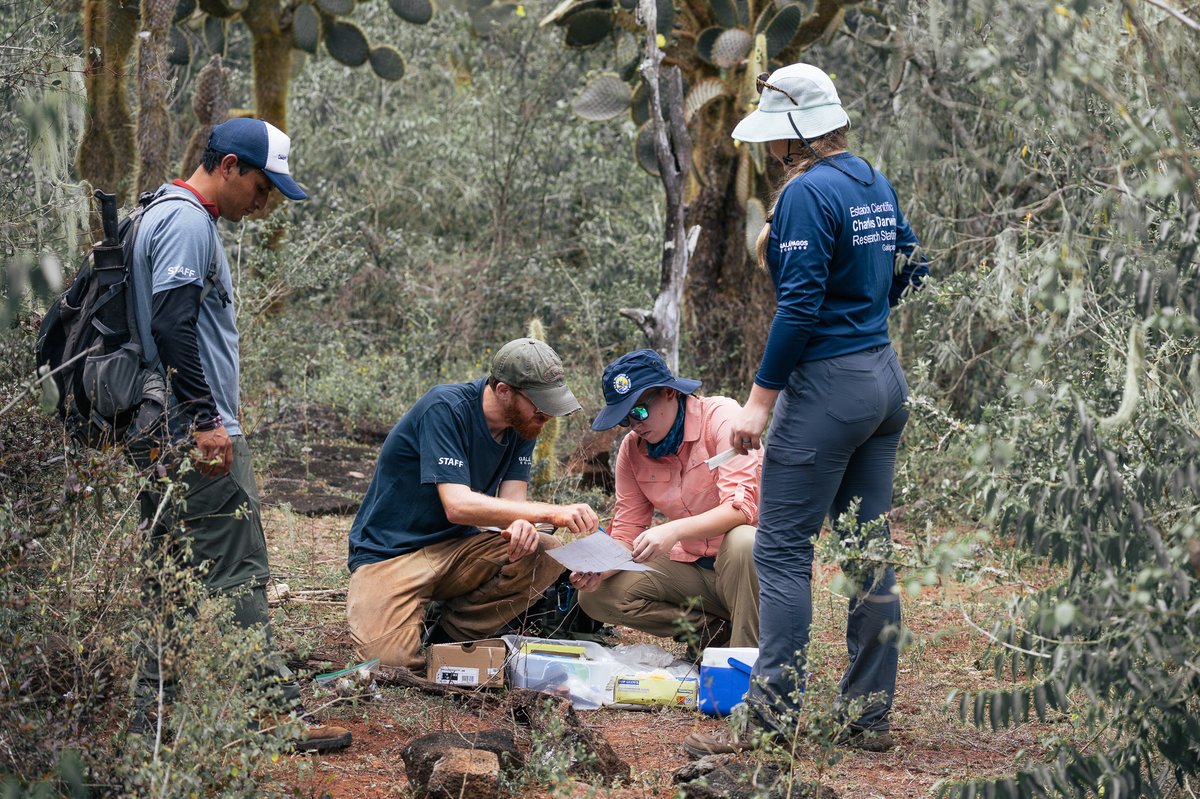
After nearly 70 years, the Opuntia echios cactus is naturally regenerating on Plaza Sur. This milestone marks a triumph for the Galápagos Verde 2050 program’s decade-long restoration efforts. Discover how science, teamwork, and innovation are helping revive a fragile island ecosystem—one cactus at a time. Read the full story.
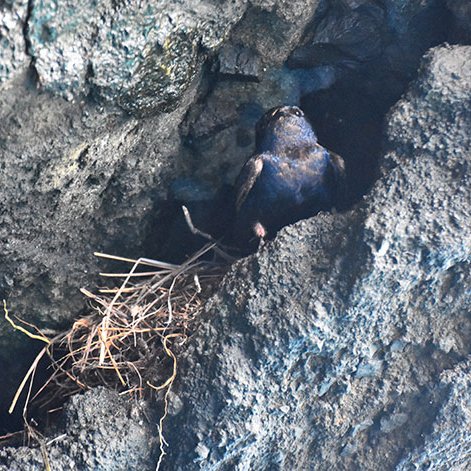
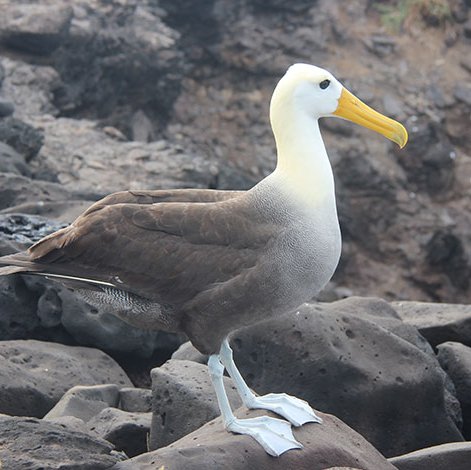
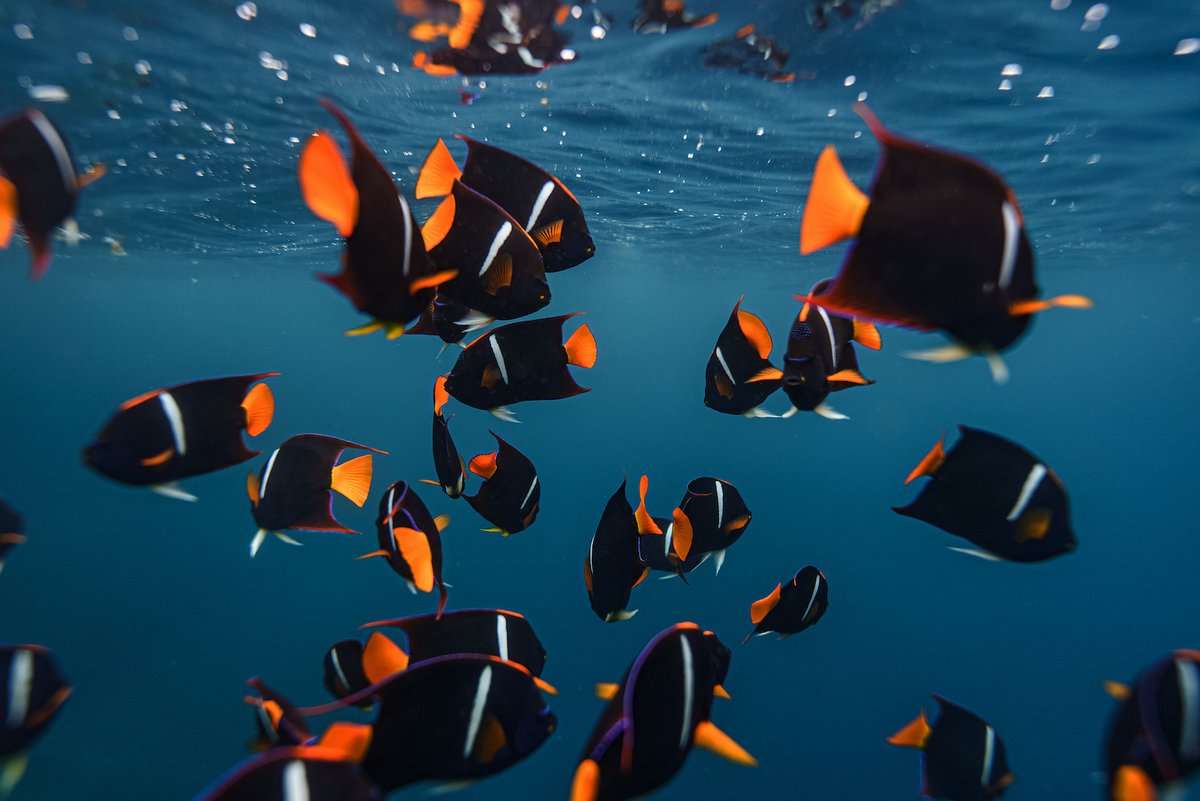
The Galapagos Islands are home to species so unique they exist nowhere else on Earth. Among these are the Galápagos penguin and the flightless cormorant, evolutionary wonders that have adapted to thrive in these remote habitats. But these incredible creatures face mounting challenges from climate change, diseases and invasive species. Protecting them is no easy feat—it takes dedication, resources, scientific knowledge, and action.
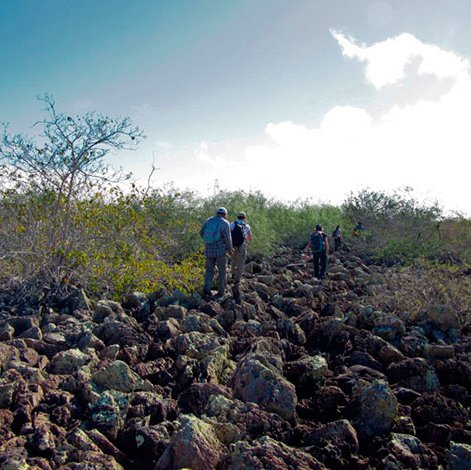
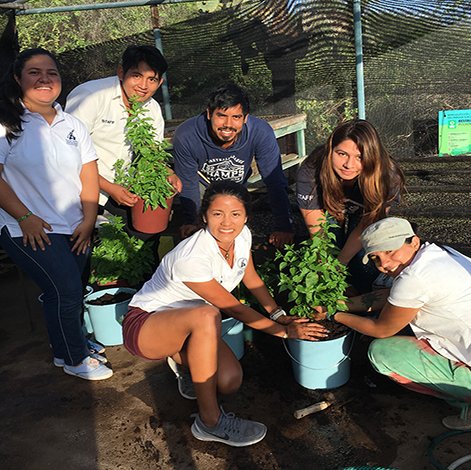
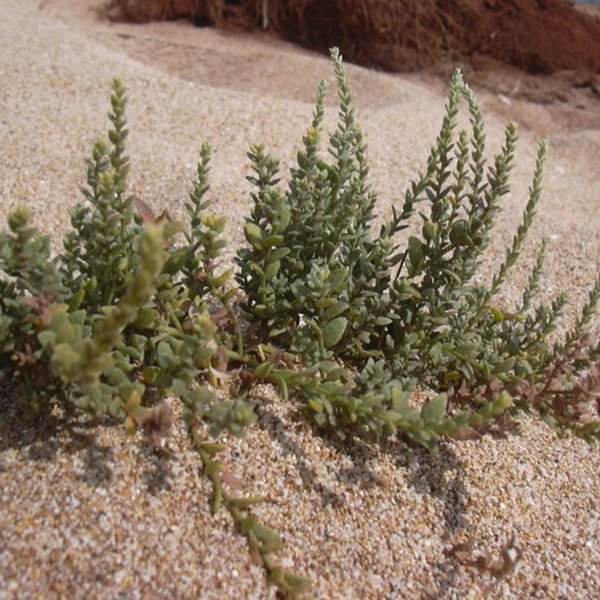
In November 2020, I joined the Galapagos Verde 2050 (GV2050) team during an exciting time. The team had just returned from an expedition to Punta Manzanillo on Española Island, where they had rediscovered a small population of Lecocarpus lecocarpoides, a species thought to be locally extinct. With 50 precious seeds collected, I was given a mission: to use these seeds to help recover the only population of this endangered species on the island.
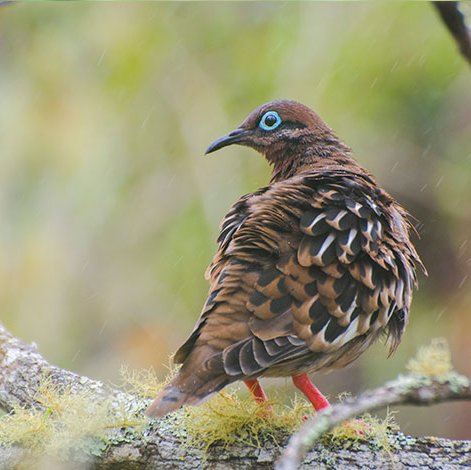
Discover the Galapagos Christmas Bird Count Sticker Collector's Book, created by the Charles Darwin Foundation to engage youth in bird conservation. Learn about native bird species and download this educational resource today
- Date:
- 2025
The Galapagos Islands are home to species so unique they exist nowhere else on Earth. Among these are the Galápagos penguin and the flightless cormorant, evolutionary wonders that have adapted to thrive in these remote habitats. But these incredible creatures face mounting challenges from climate change, diseases and invasive species. Protecting them is no easy feat—it takes dedication, resources, scientific knowledge, and action.