Results
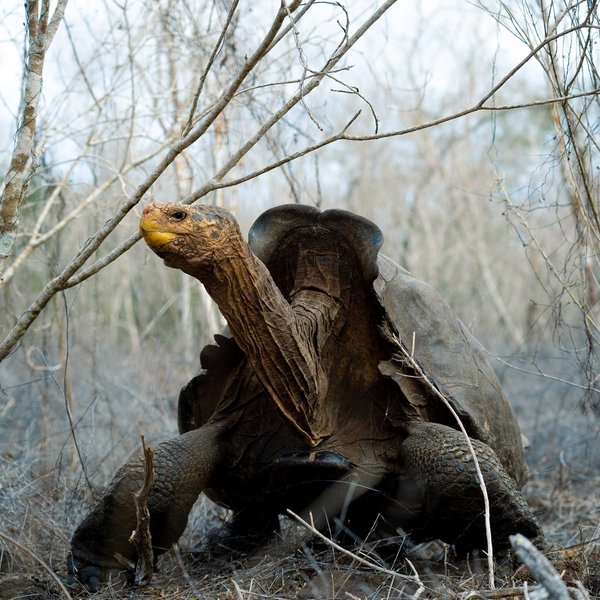
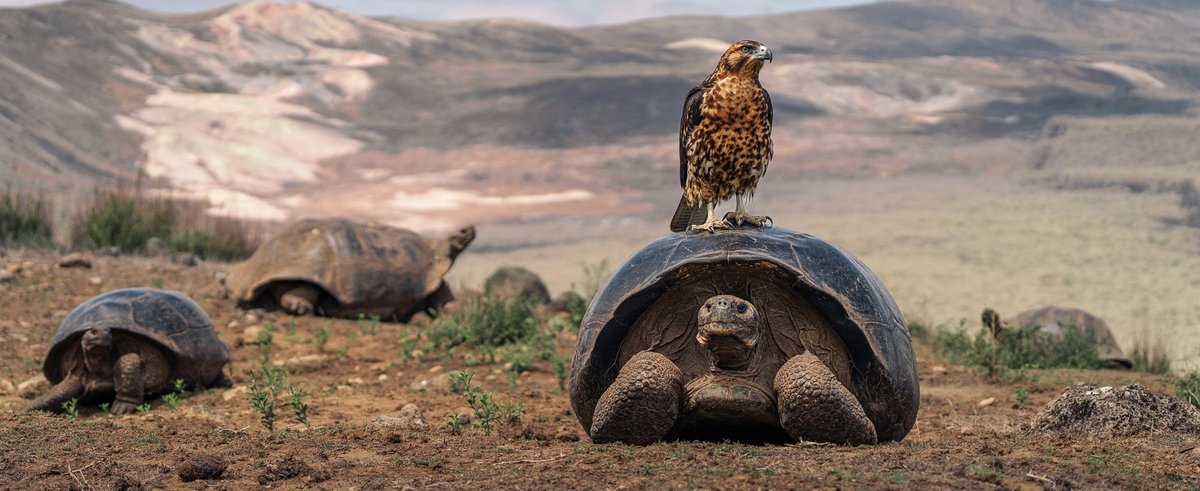
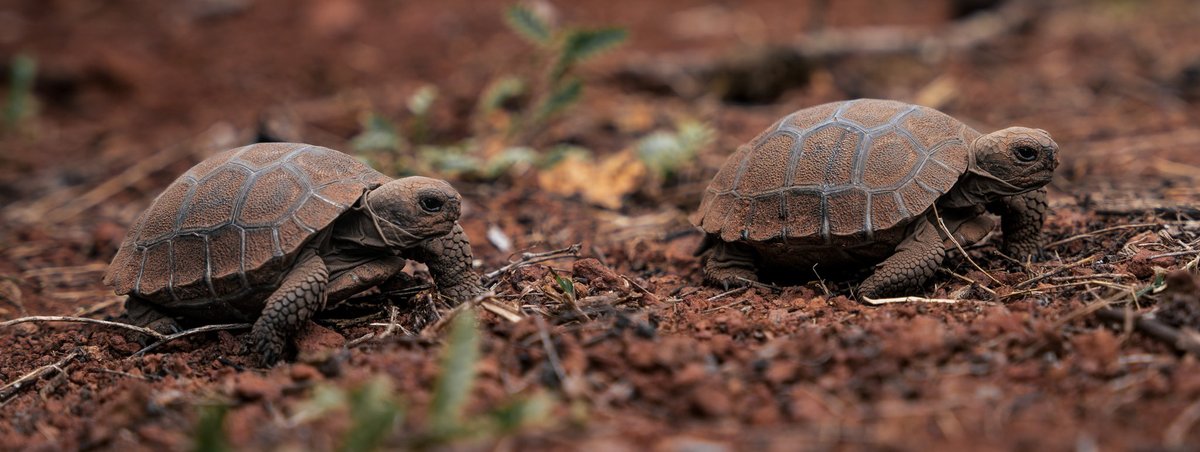
Giant tortoises are emblems of Galapagos. They are critical ecosystem engineers and they are also important for the local economy. Yet all 12 species of Galapagos Giant Tortoises are of conservation concern. Our work focuses on conserving these gentle giants through research and education.
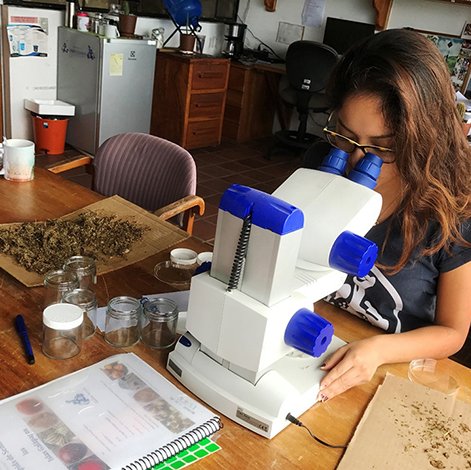
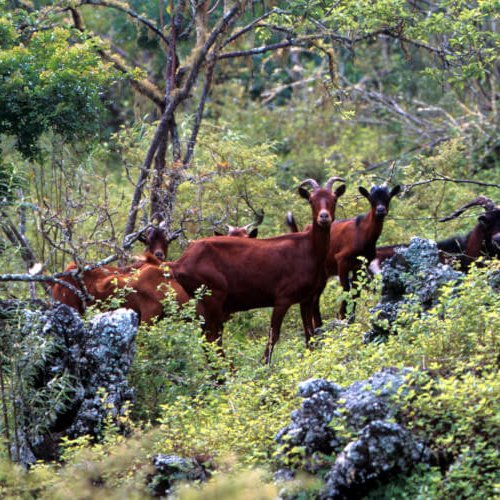
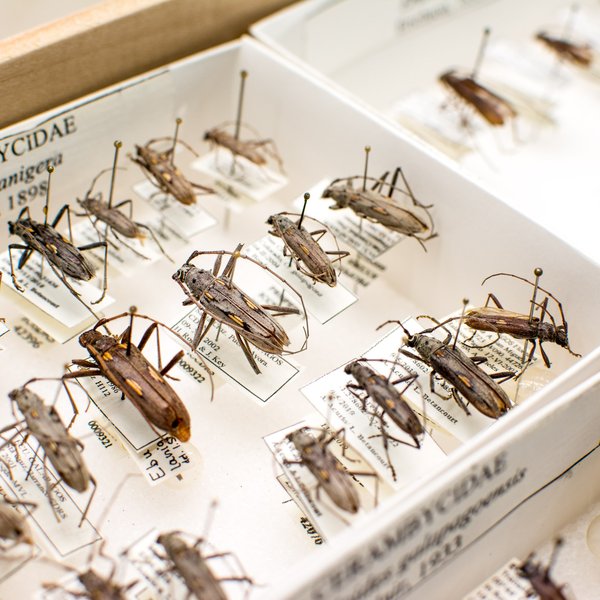
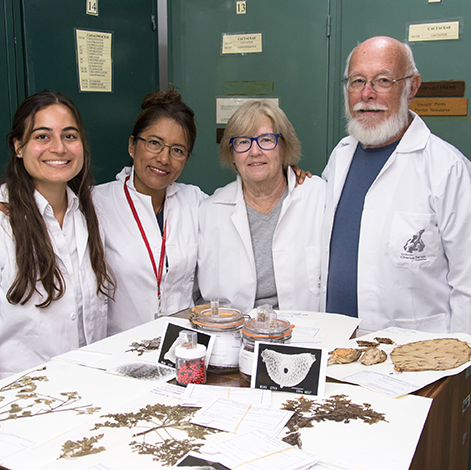
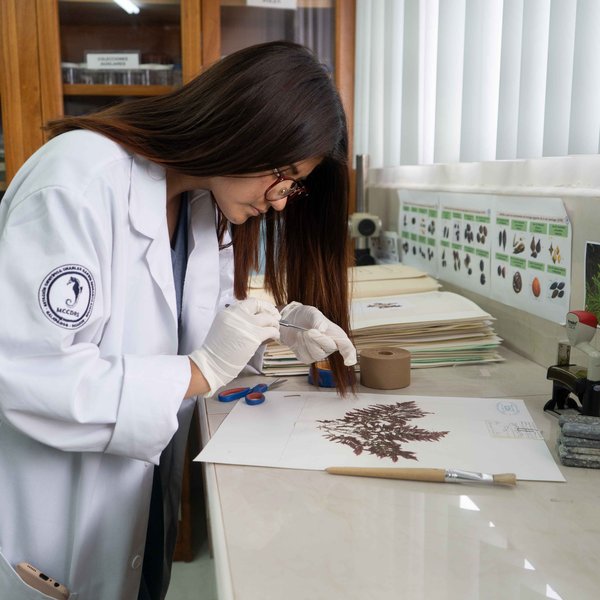
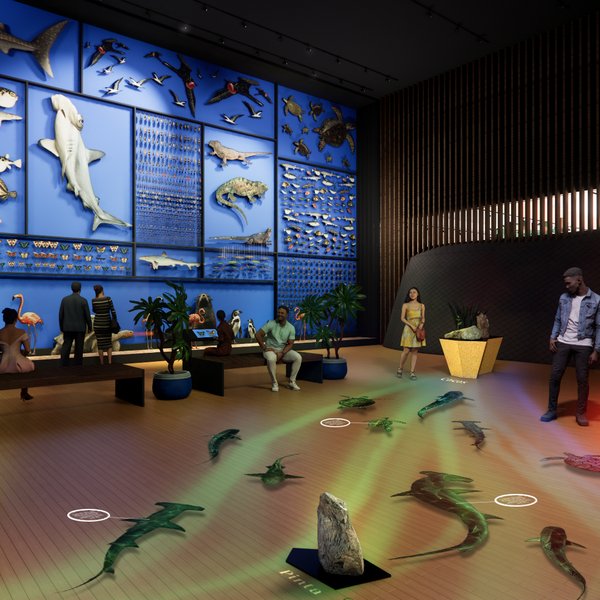
The Charles Darwin Research Station is home to the largest Natural History Collections of endemic, native and introduced species of the Galapagos Islands in Ecuador. It is also one of the largest in the world with over 135,000 specimens from more than 7,500 species.
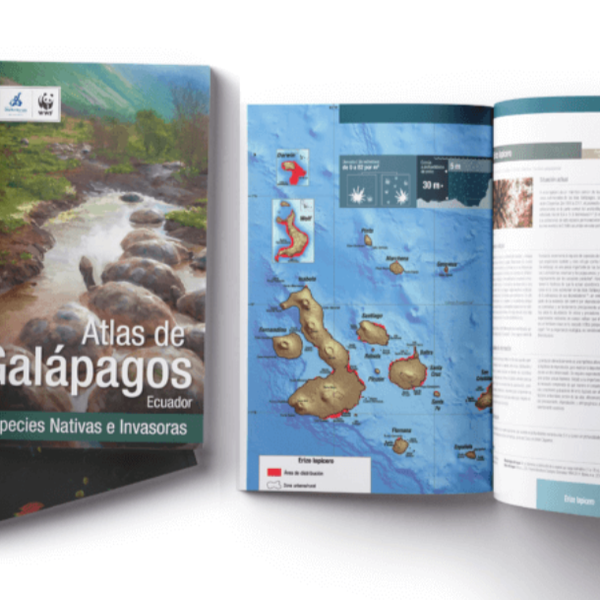
Explore the first Atlas of Native and Invasives Species of the Galapagos Islands.
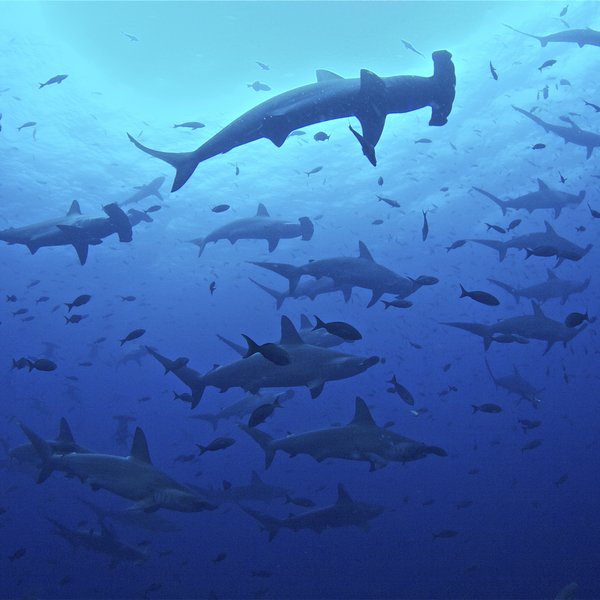
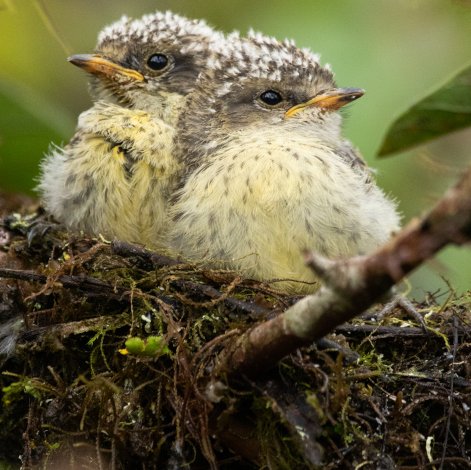
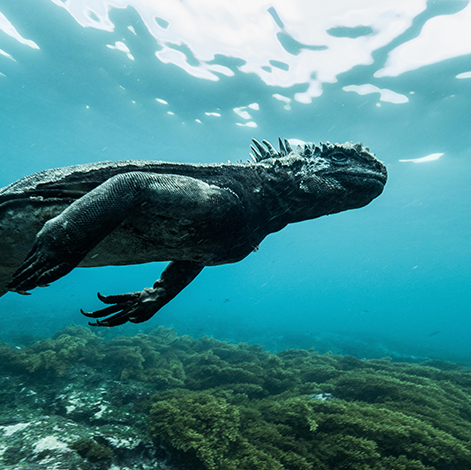
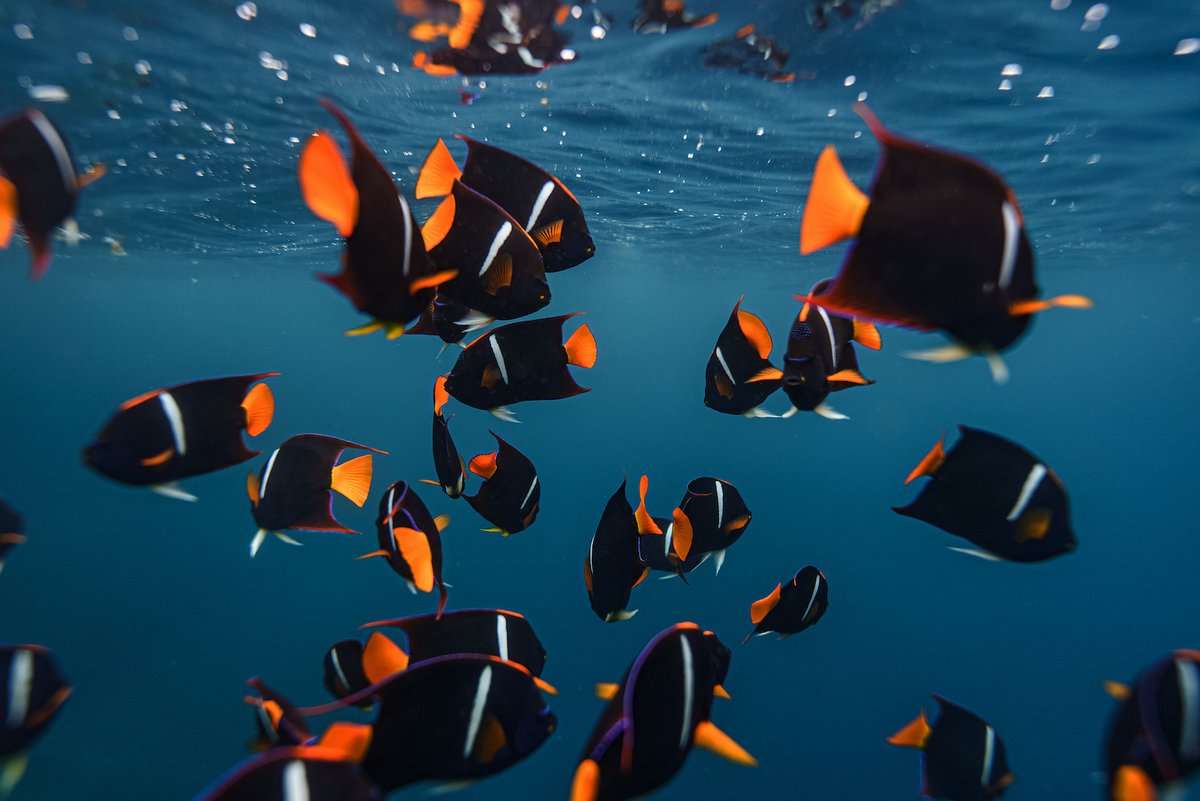
From the heart of the Galapagos, discover how science, community, and conservation unite to protect sharks, turtles, seabirds, and more. Explore the threats, the efforts, and how you can help safeguard our shared blue planet.
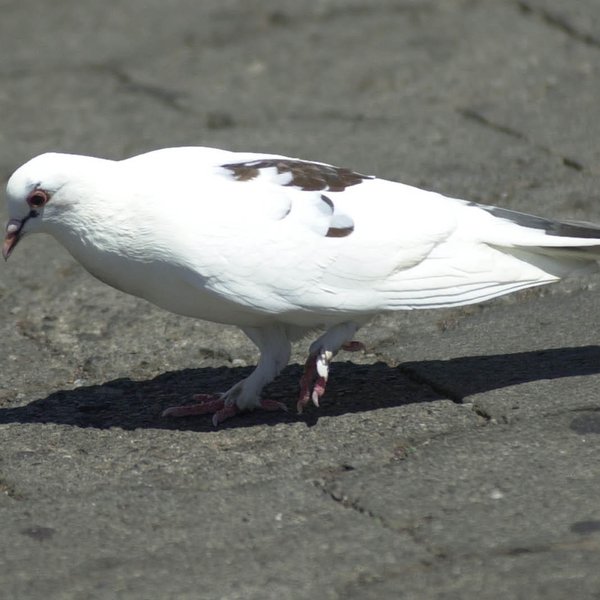

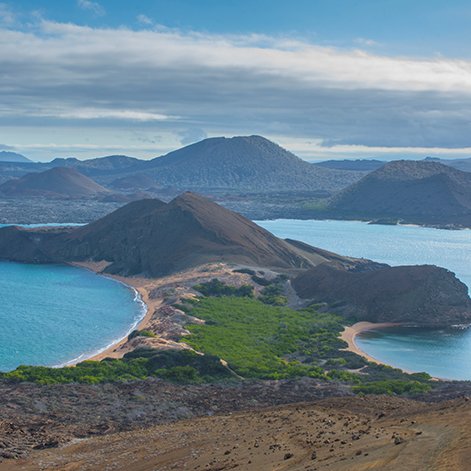
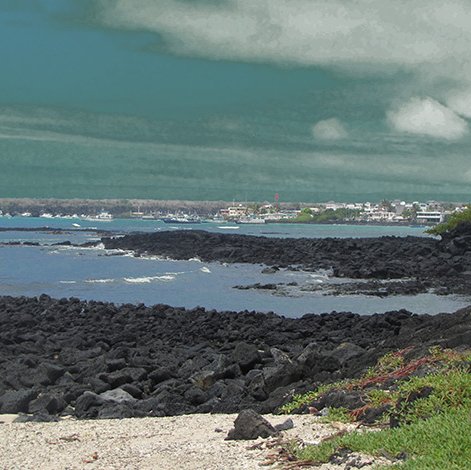
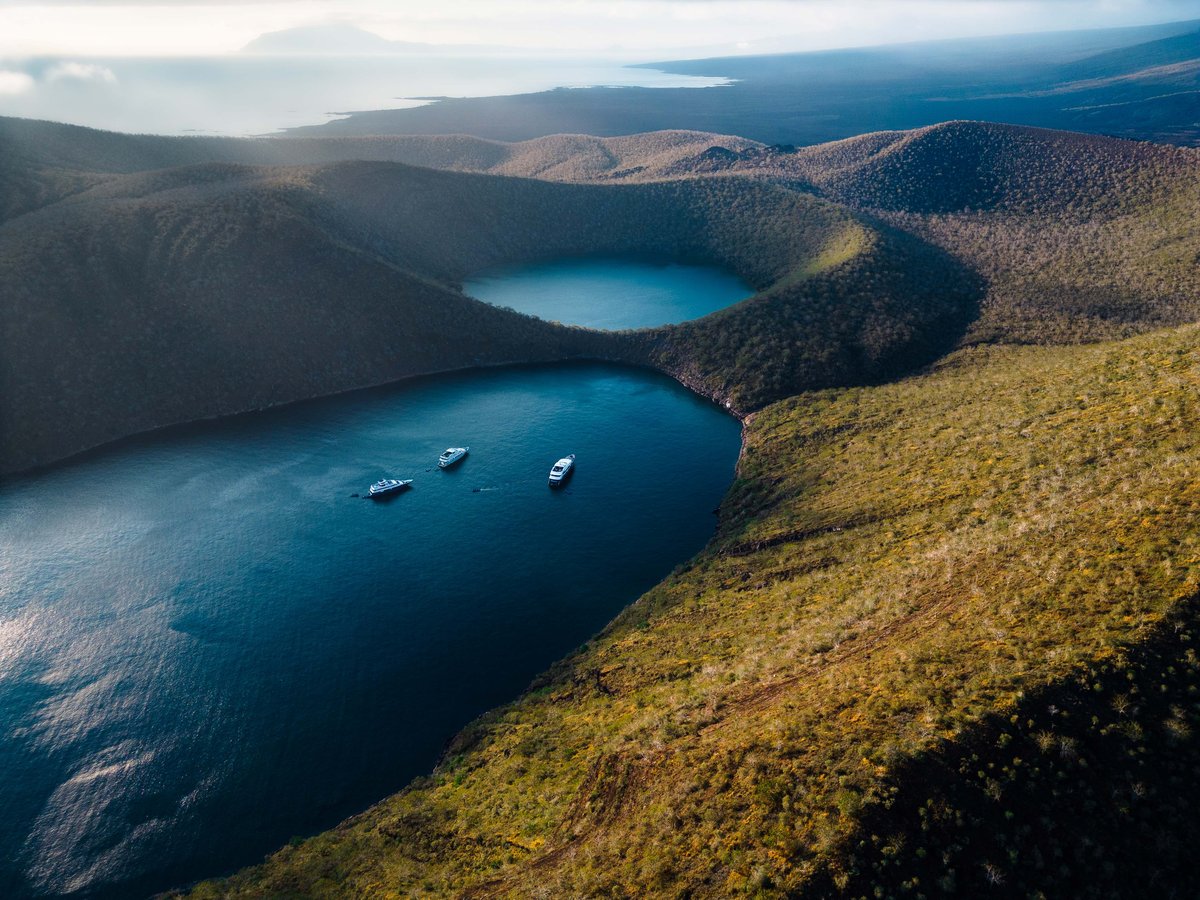
Floreana, the first inhabited island in Galapagos, faces significant environmental challenges due to both direct and indirect human impacts. However, thanks to the coordinated efforts of its community, research groups, local and international conservation organizations, authorities, protected area managers, and donors, it has become a symbol of collective action and hope for the restoration of the archipelago’s biodiversity.
Floreana, the first inhabited island in Galapagos, faces significant environmental challenges due to both direct and indirect human impacts. However, thanks to the coordinated efforts of its community, research groups, local and international conservation organizations, authorities, protected area managers, and donors, it has become a symbol of collective action and hope for the restoration of the archipelago’s biodiversity.
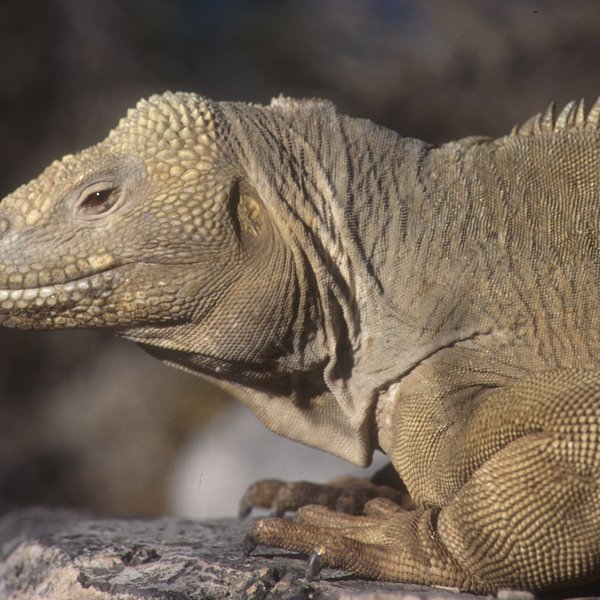
Discover how the Galápagos land iguana recovery program began. From the 1932 translocation to the leadership of Howard and Heidi Snell, this article shows how scientific research, captive breeding, and habitat restoration made possible one of the world's most successful conservation stories.
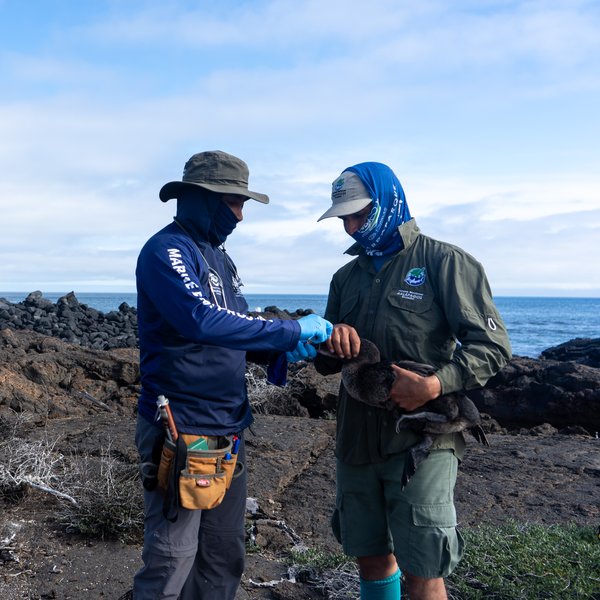
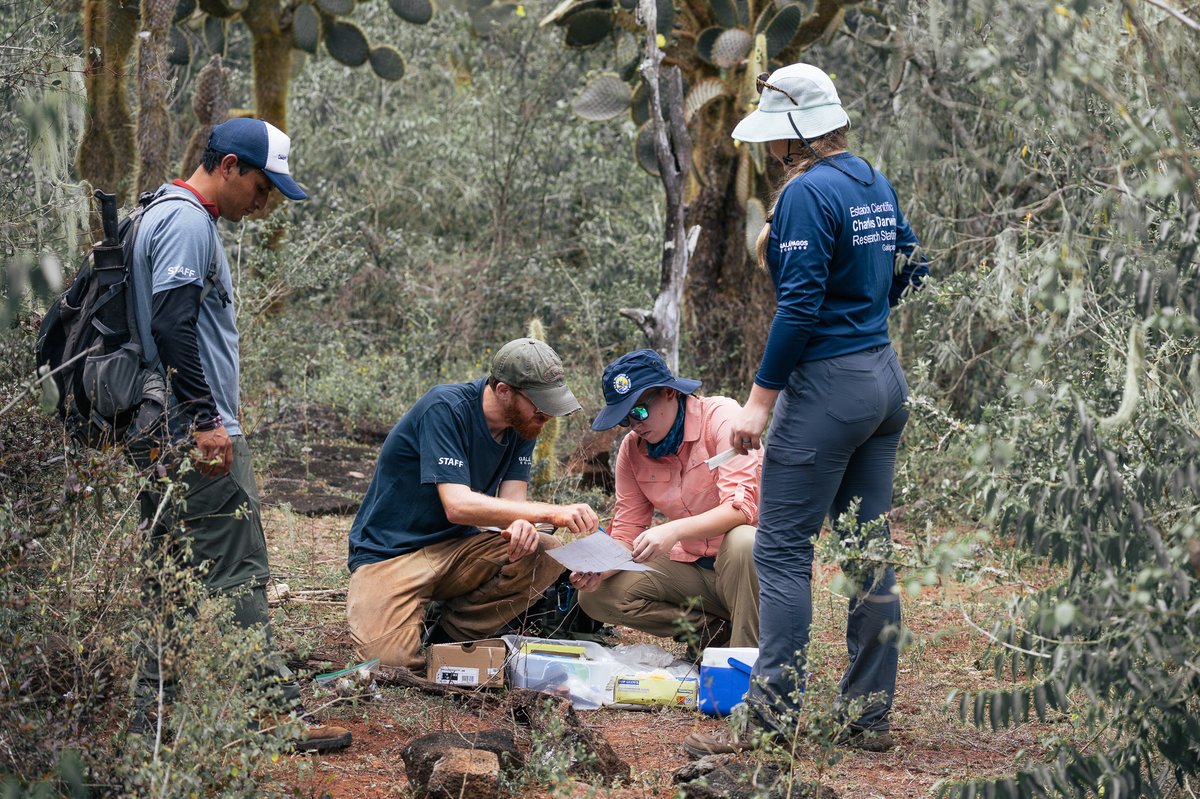
The Charles Darwin Foundation shared the main achievements of its 2025 work through a public accountability event. The initiative highlighted how scientific research supports Galapagos conservation, encouraged dialogue with the local community, and reaffirmed that transparency strengthens institutional trust, collaboration, and long-term commitment to protecting the archipelago.
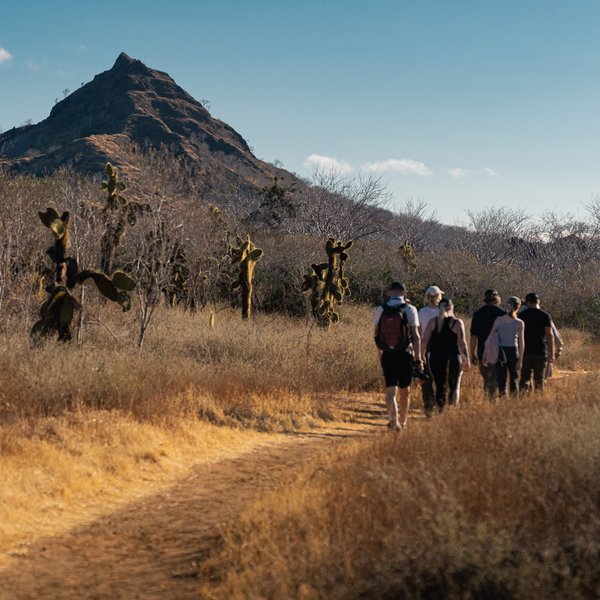
While the Galapagos Islands remain one of the best-conserved destinations in the world, they are faced with numerous challenges that are derived from growth in tourism and local population. The Charles Darwin Foundation is investigating how sustainable practices across multiple sectors such as urban planning and energy can mitigate these impacts while enhancing local community well-being through the health of the islands' socio-ecosystems.