Results

The Charles Darwin Foundation has appointed Dr. Harvey V. Fineberg to its Board of Directors, effective 1 January 2026. He brings extensive leadership experience in global health, academia, and philanthropy, including senior roles at the Gordon and Betty Moore Foundation, Harvard University, and the U.S. National Academy of Medicine.
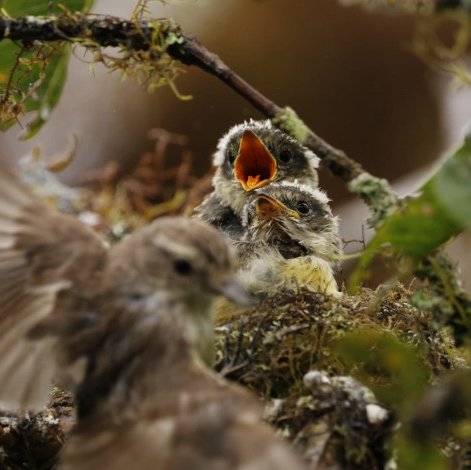
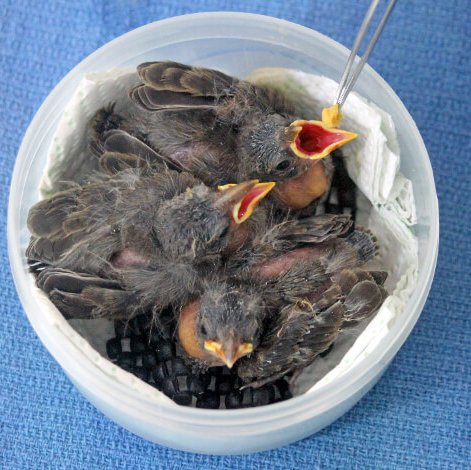
12 Little Vermilion Flycatcher chicks fledge the nest, in most successful nesting season yet in Santa Cruz Island
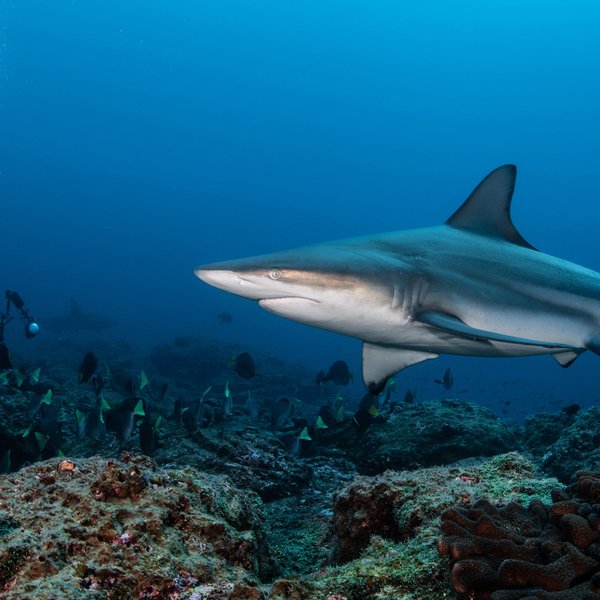
Explore how your company can make a meaningful difference in one of the world’s most iconic natural wonders – the Galapagos Archipelago
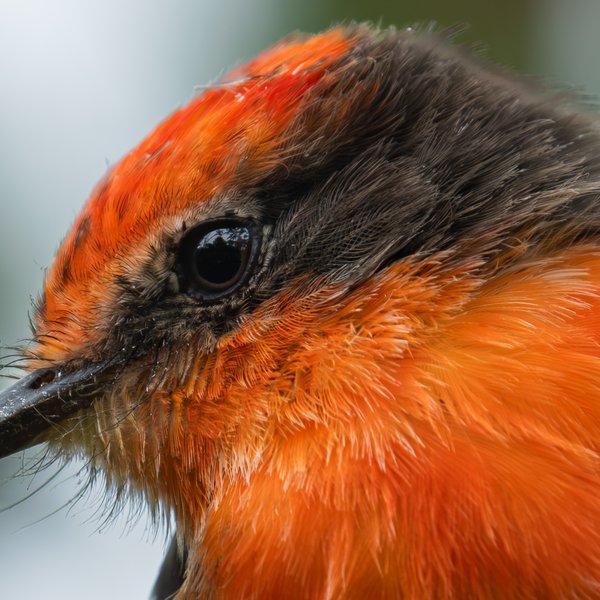
After more than a decade of conservation work, researchers have documented 56 fledglings so far in 2026 — with more nests still active
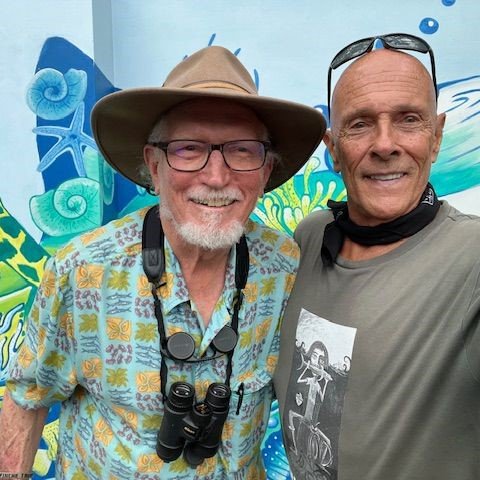
The world conservation movement and the Galapagos Islands lost a passionate supporter, pioneering conservationist, mentor and friend with the death of Dr. Craig George MacFarland in April 2025.
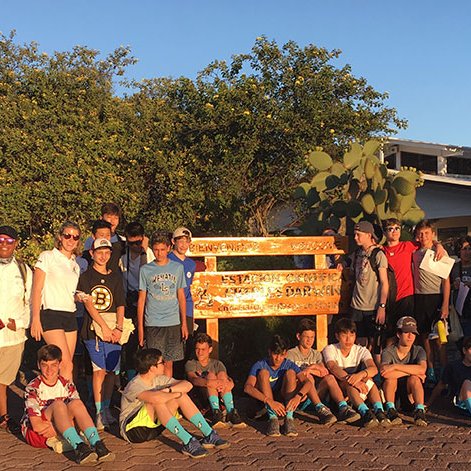
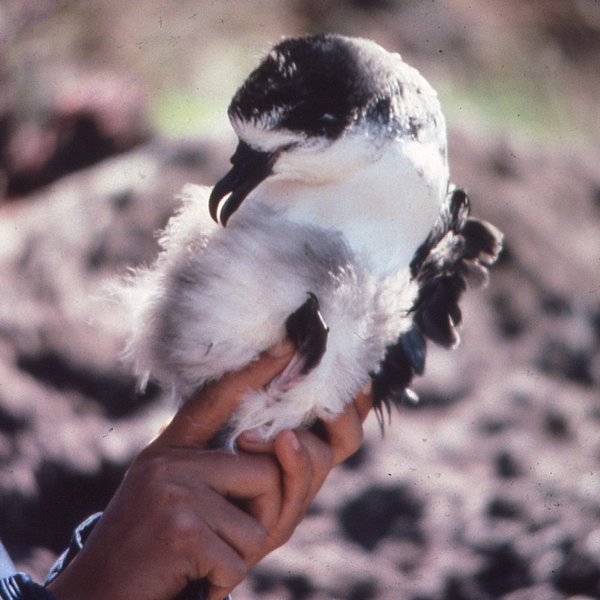
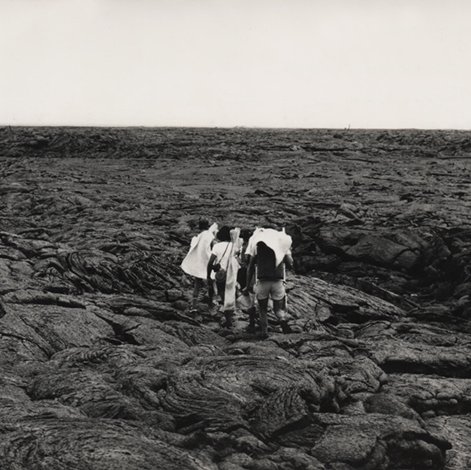
In 1982, a pioneering effort began at Cerro Pajas, Floreana, to protect the critically endangered Galápagos petrel. Scientists, park rangers, and conservation practitioners controlled introduced species, monitored nests, and tested new techniques. The results showed that science, sustained management, and collaboration could improve the breeding success of this threatened seabird population.
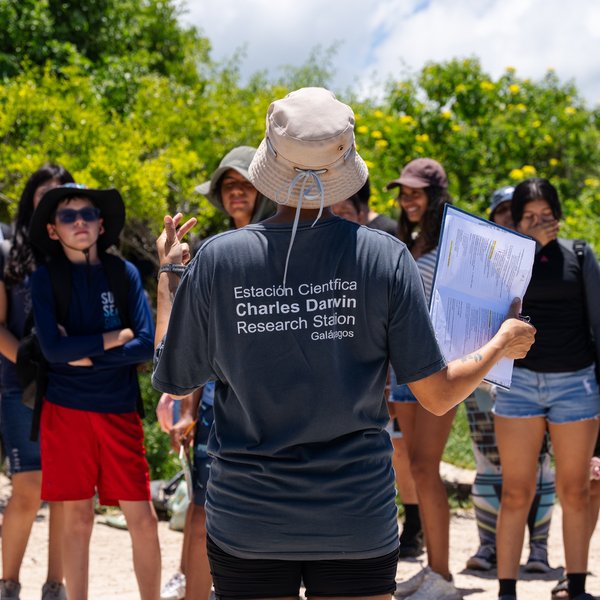
In 1966, a course at the Charles Darwin Research Station marked the beginning of environmental education in Galápagos. Teachers learned to use the natural environment as a teaching tool, linking conservation and community. This experience laid the foundation for context-based education that remains essential to protect the islands’ unique ecosystems.
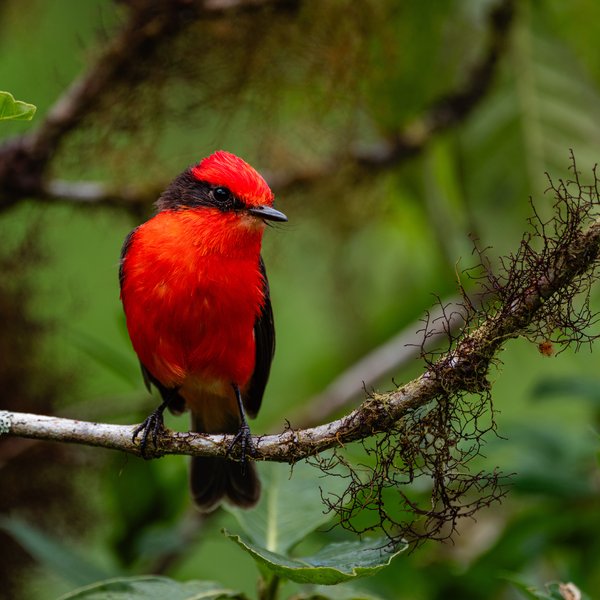
New DNA research reveals that Galápagos Vermilion Flycatchers are not one species, but a mosaic of long-isolated island lineages. By uncovering hidden genetic diversity, scientists are reshaping conservation priorities and taxonomic understanding—find out how evolution, extinction, and restoration efforts intersect across the archipelago.
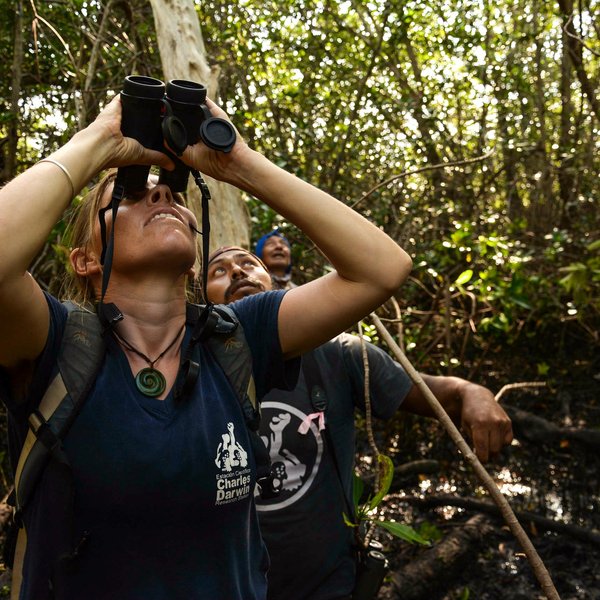
Since its inception in 1971, our Scholarship Program has enabled over 250 students from Galapagos to complete their education and pursue careers in conservation.
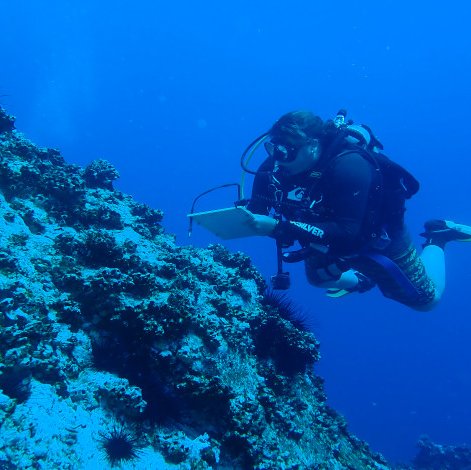
The CDF joins the Island-Ocean Connection Challenge to Implement Community-Based Monitoring and Safeguard Island Ecosystems
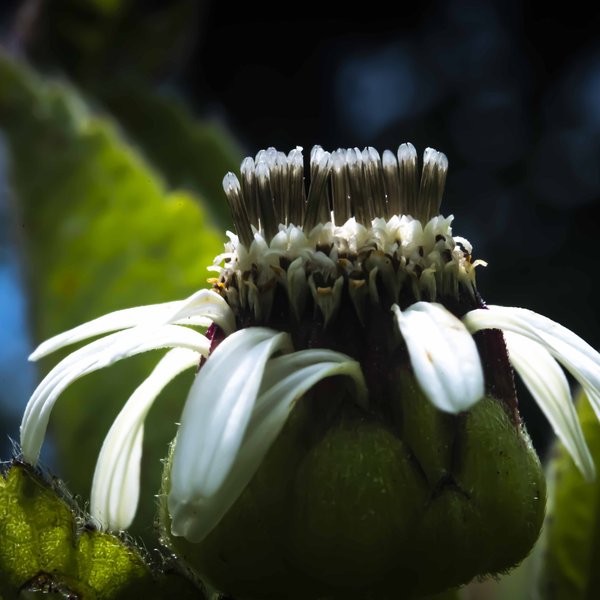
Dr. Syuzo Itow, a Japanese botanist and professor at Nagasaki University, was a key figure in the study of Galápagos. He researched the Scalesia forests, helped secure long-term support for botanical work at the Charles Darwin Foundation, and in 2005 founded the Japanese Association of Friends of Galápagos (JAGA), fostering scientific and cultural exchange between Japan, Galápagos, and the Ogasawara Islands.
