Results
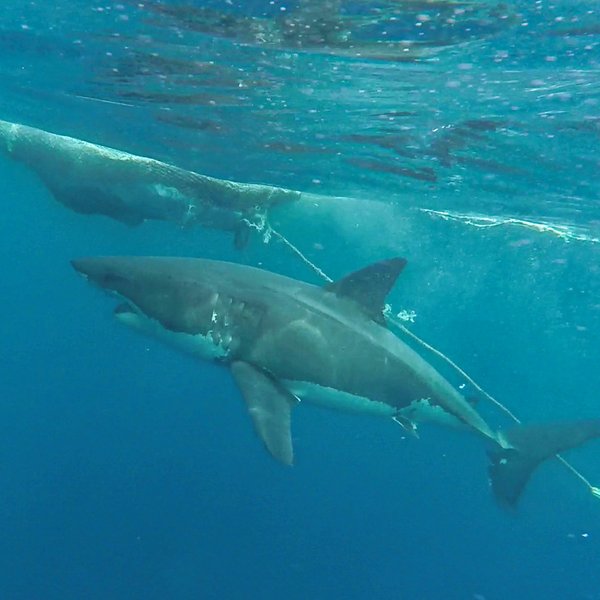
Researchers from the Charles Darwin Foundation and the Galapagos National Park have published the first confirmed record of a white shark in Ecuadorian waters. The encounter, roughly ninety kilometers west of Wolf Island and outside the Galapagos Marine Reserve (GMR), marks an unusual sighting of this species in the Eastern Tropical Pacific, where sightings south of Mexico's coastline are exceptionally rare.
Our Ambassadors are passionate advocates that volunteer their time to enact lasting change for Galapagos and the world. Like us, they are united in their vision that if we can protect Galapagos, we can impact the world – inspiring others around the world to protect our planet’s fragile biodiversity, and ultimately protect our home. They do so by raising awareness and rallying support for our mission, while tailoring their involvement to their unique passions and skillsets.
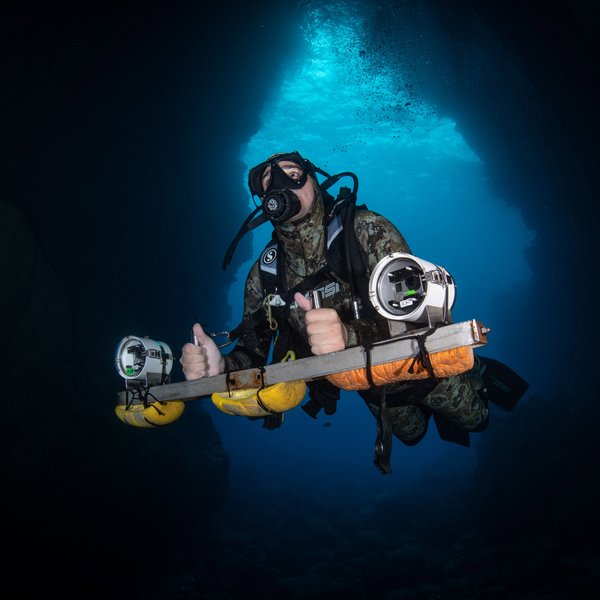
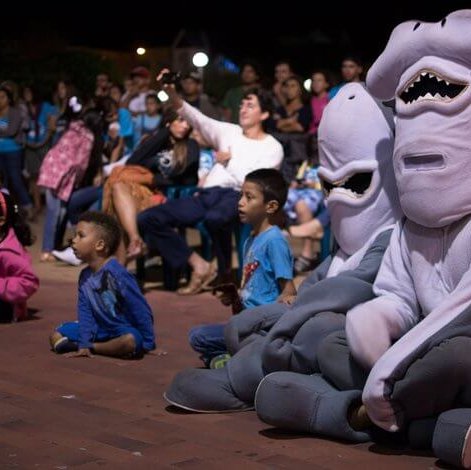
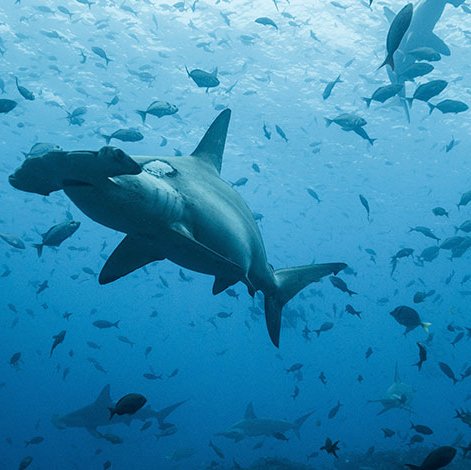
Sharks have thrived on our planet for over 400 million years. Yet overfishing has drastically reduced global shark populations, with many shark species now threatened with extinction. Our scientific work seeks to inform conservation measures, so sharks are better protected in Galapagos and the Eastern Tropical Pacific.
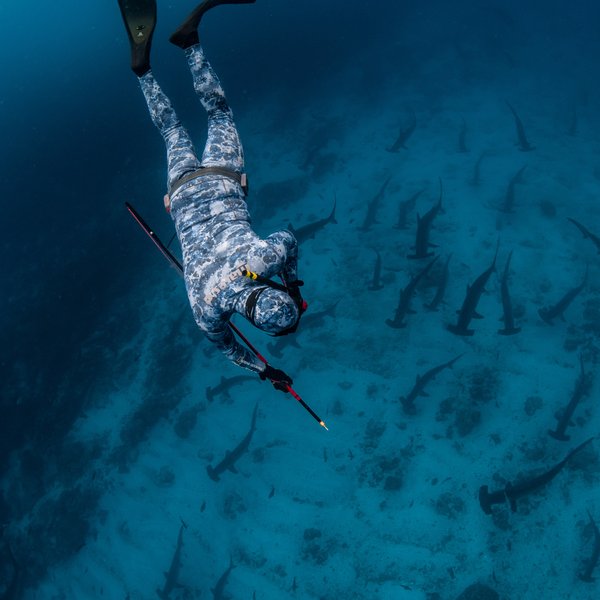
Celebrating seven years of the Galapagos Biodiversity and Education for Sustainability Fund
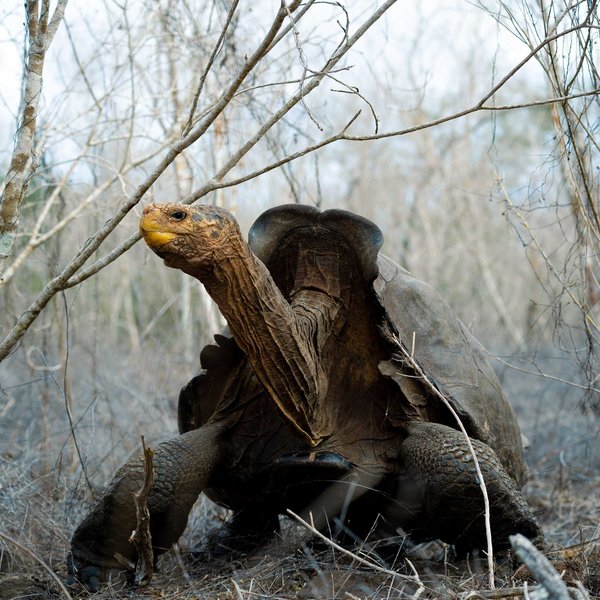
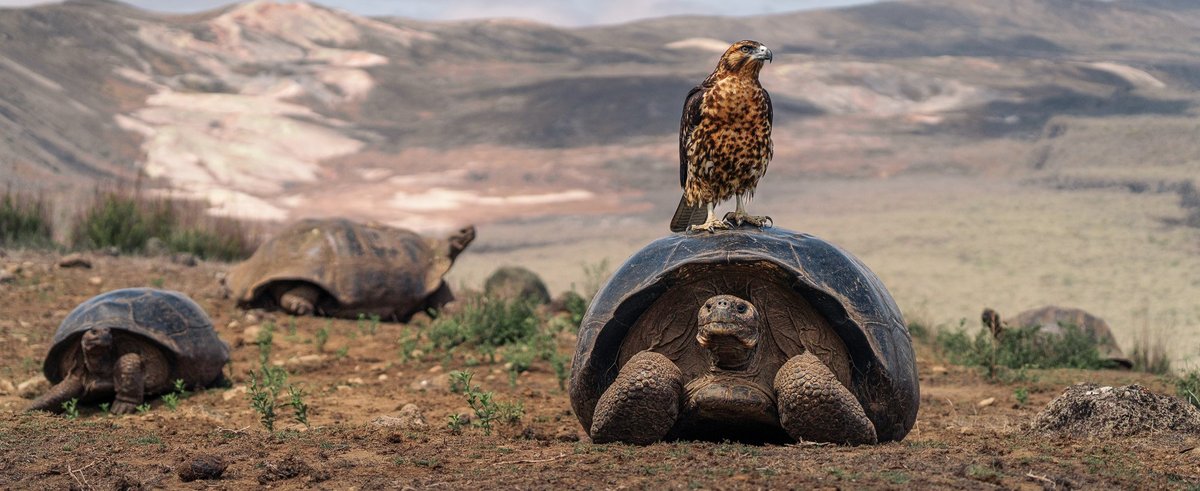
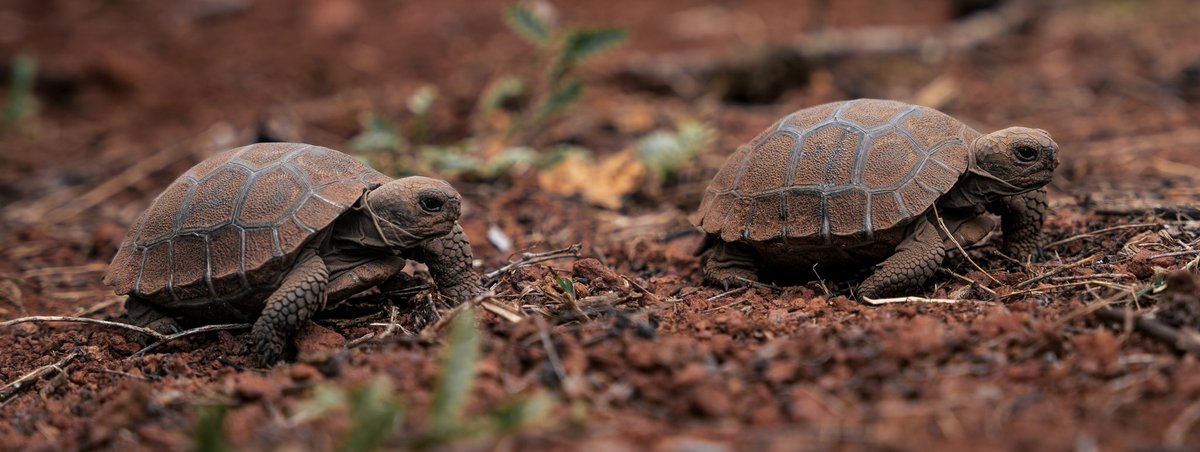
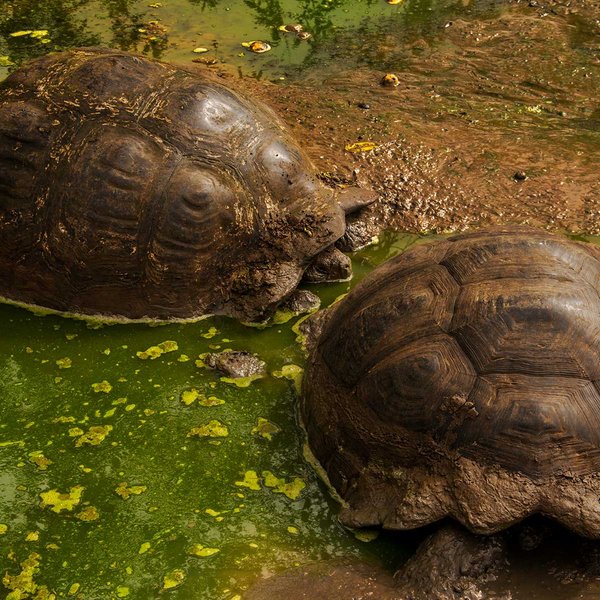
Giant tortoises are emblems of Galapagos. They are critical ecosystem engineers and they are also important for the local economy. Yet all 12 species of Galapagos Giant Tortoises are of conservation concern. Our work focuses on conserving these gentle giants through research and education.

Phil van Haarlem was truly a force of nature. In celebration of his life, and to honour his time with us over the last 10 years, we have asked colleagues and friends to tell us their unique experience with Phil, whom we miss dearly.
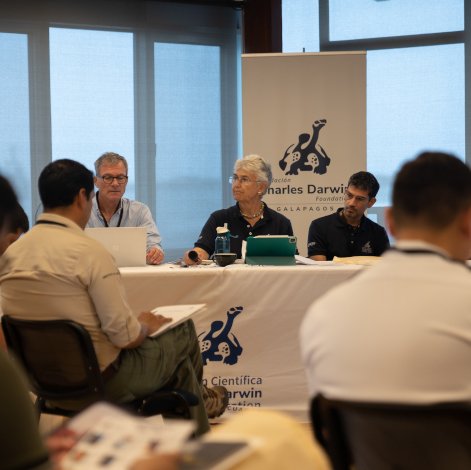
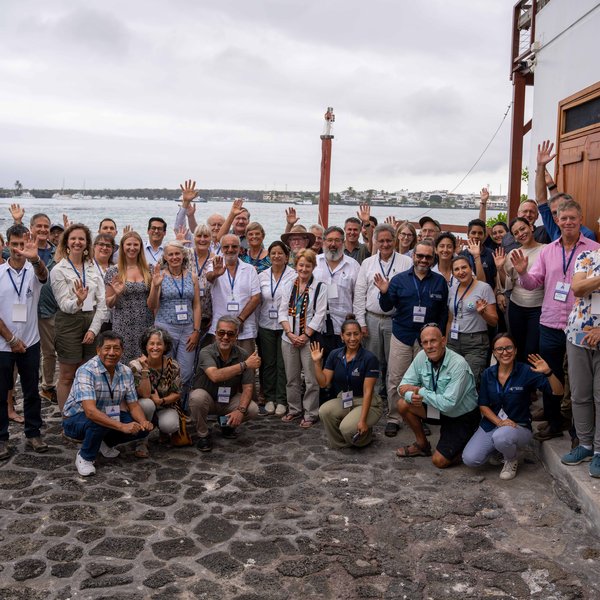
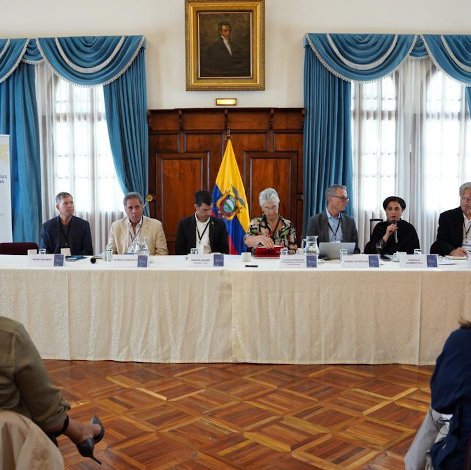
The Charles Darwin Foundation reveals its new mission and launches its 2022 Impact Report during its 52nd General Assembly
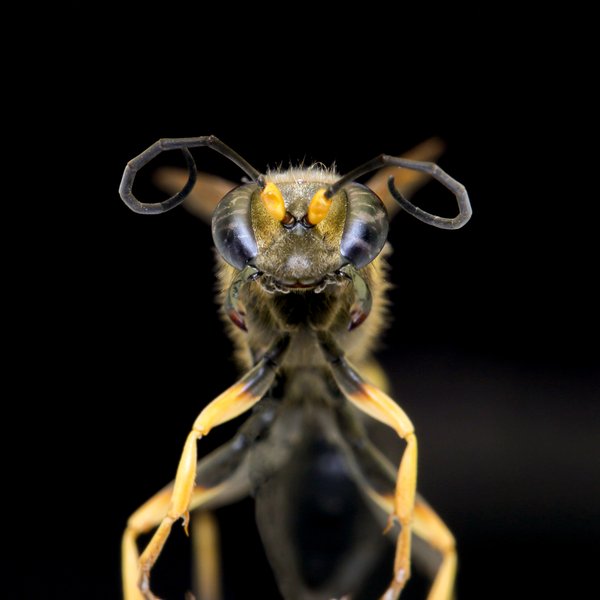
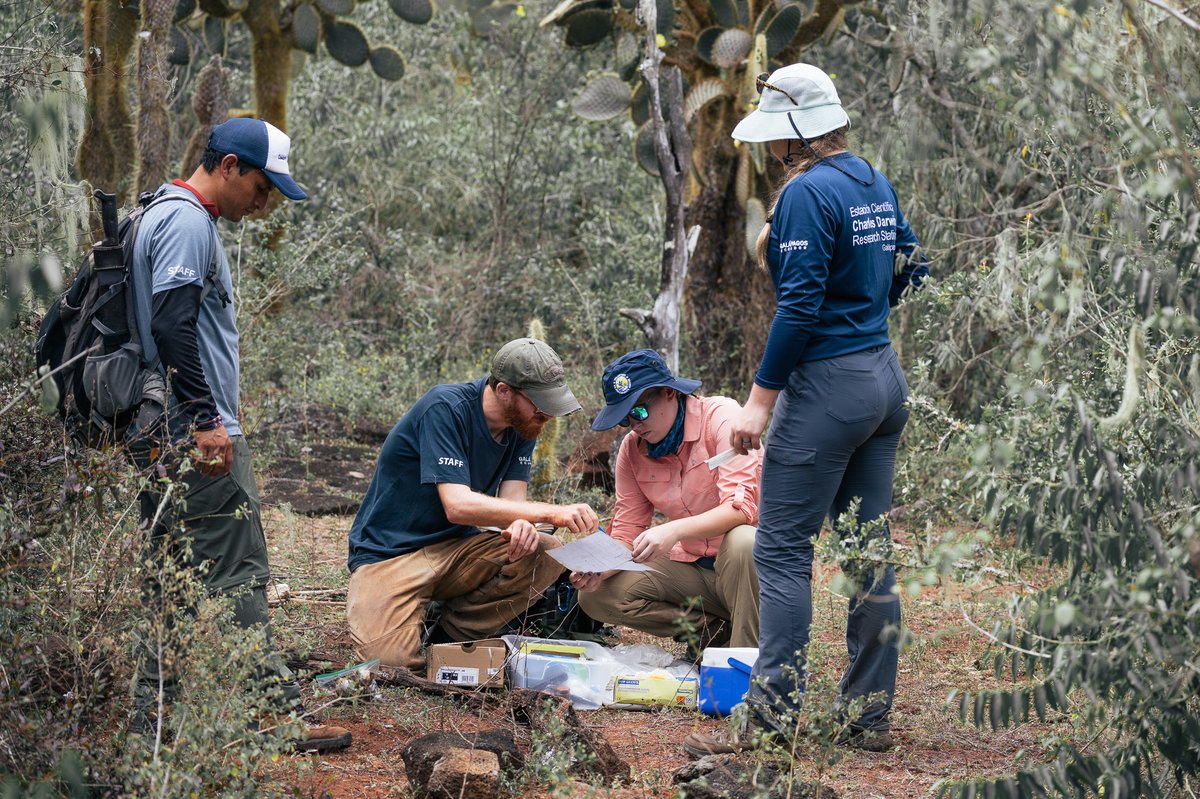
Research in the Scalesia forest on Santa Cruz Island revealed more than 200 taxa of parasitoid wasps, compared with only 30 species previously reported for Galapagos. These tiny insects play essential ecological roles and highlight how much remains unknown about the archipelago’s biodiversity and fragile ecosystems in the Pacific Ocean.
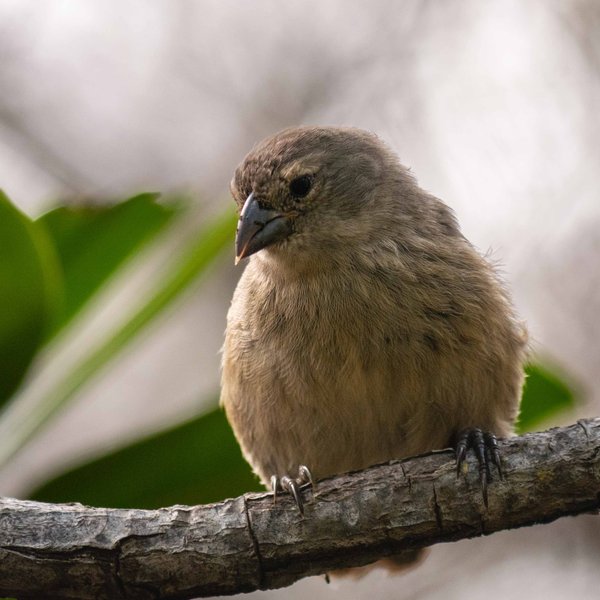
The Galápagos Islands face a growing threat from invasive species that endanger native biodiversity. Classical biological control, using natural enemies to regulate these species, offers a sustainable and safe way to restore ecological balance and protect this unique ecosystem.
Donate to the Charles Darwin Foundation today and help us protect the Galapagos Islands for generations to come. Your donation is essential in helping us protect this unique biodiversity hotspot and continue our critical work to preserve the natural wonders of the Galapagos.