Results
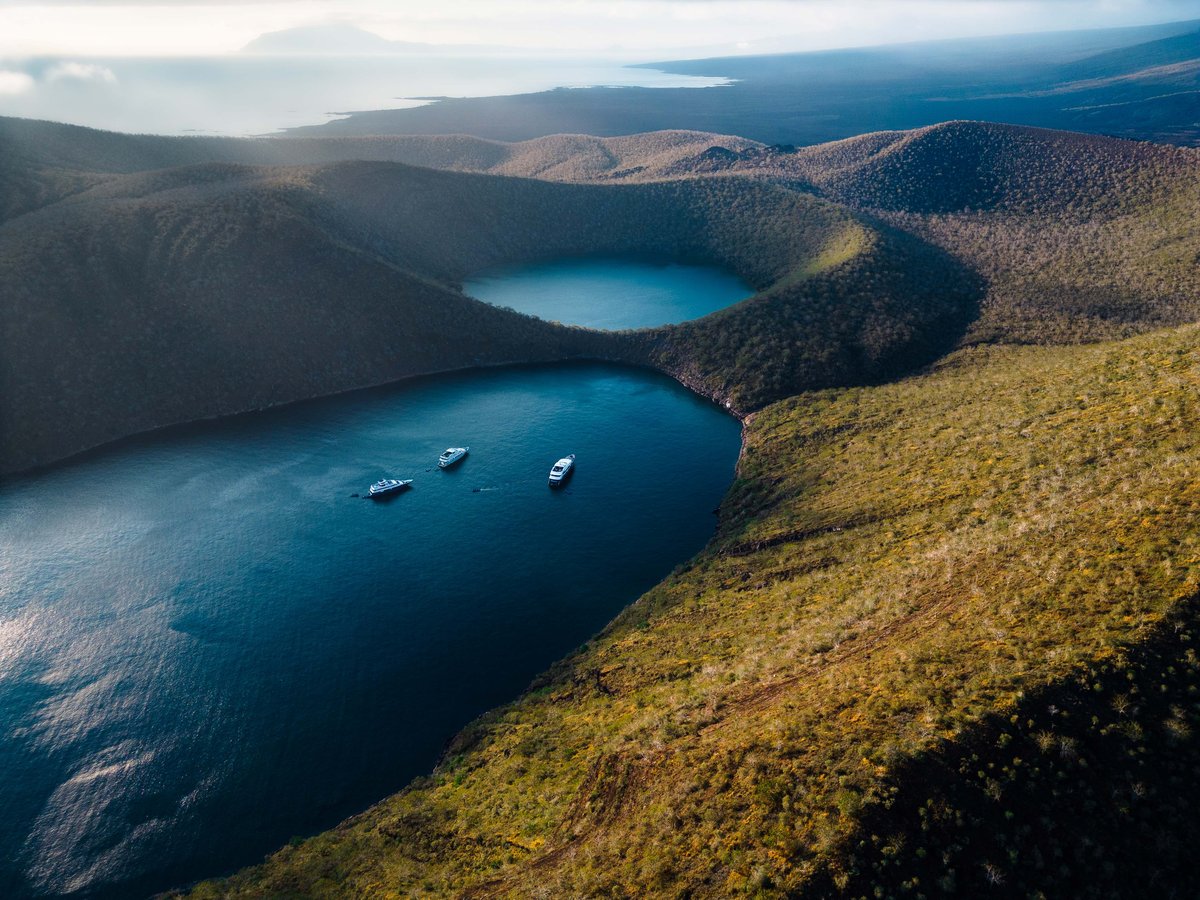
Explore how your company can make a meaningful difference in one of the world’s most iconic natural wonders – the Galapagos Archipelago
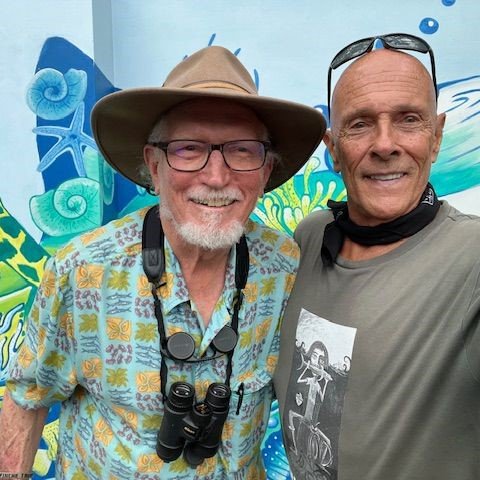
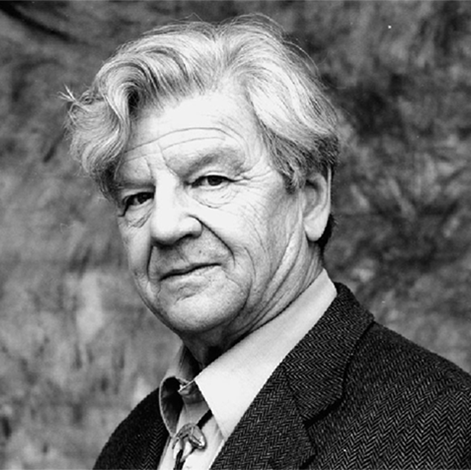
The world conservation movement and the Galapagos Islands lost a passionate supporter, pioneering conservationist, mentor and friend with the death of Dr. Craig George MacFarland in April 2025.
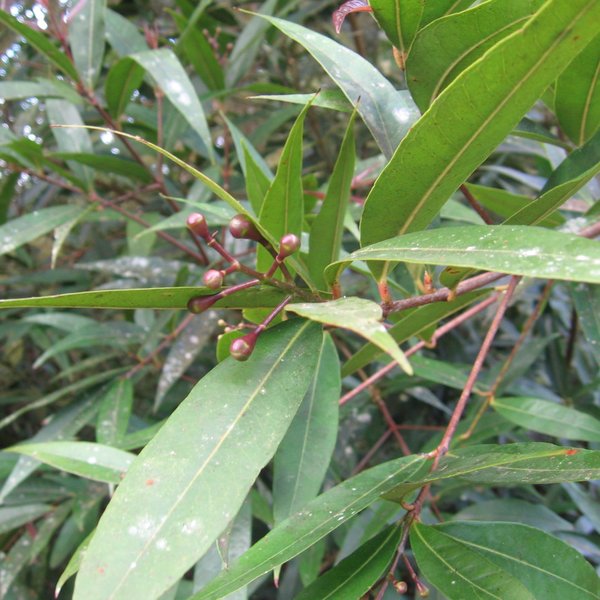
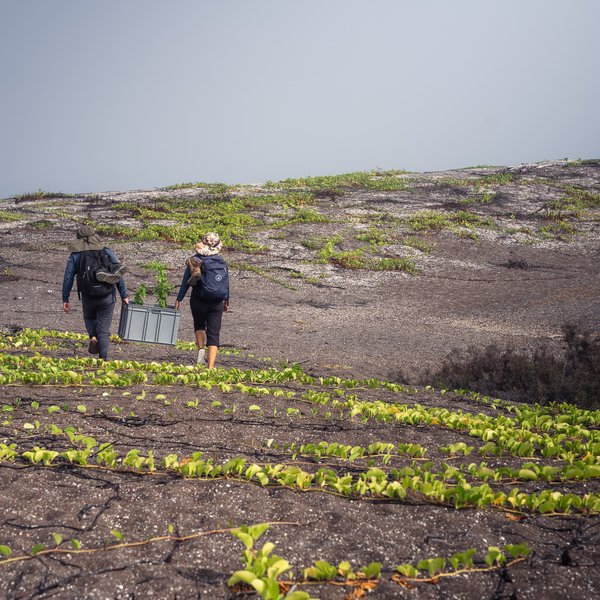
Once on the brink of extinction, the Galápagos snapdragon (Galvezia leucantha) is showing encouraging signs of recovery after 30 years of conservation. From just six surviving plants to 28 adults today, science, restoration and collaboration are helping bring this critically endangered species back to its historic habitat. Discover its remarkable journey.
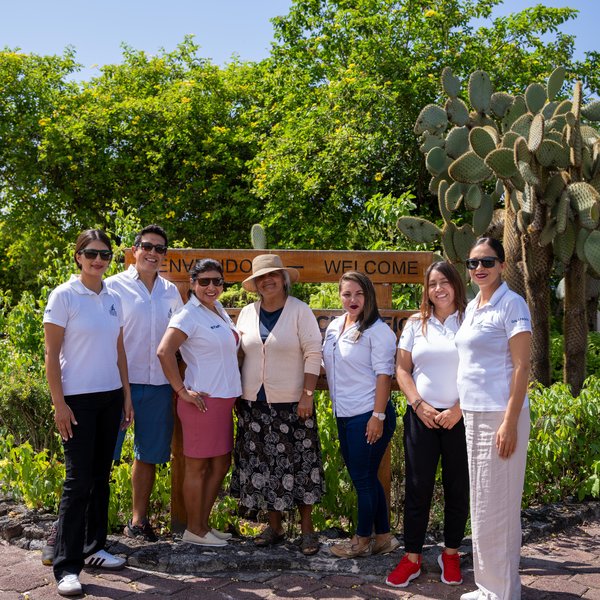
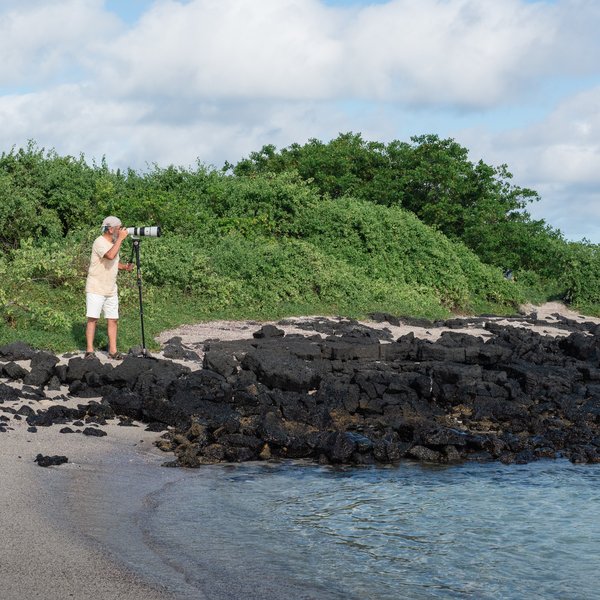
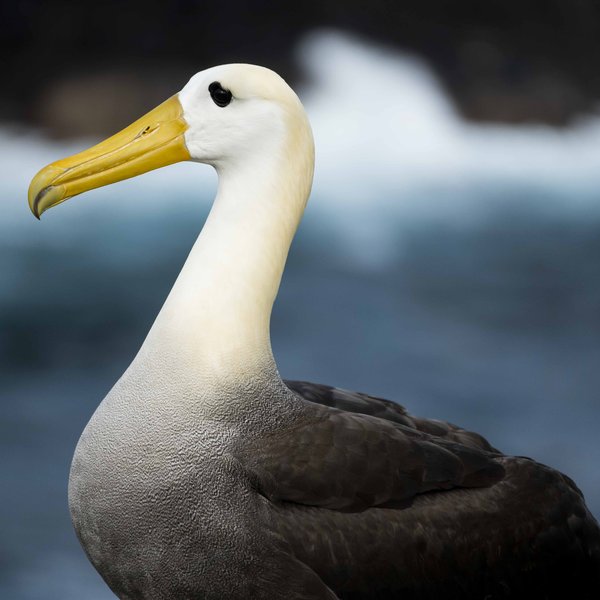
Ornithologist Juan Manuel Carrión shares his perspective on the Galápagos as the world's greatest living laboratory for understanding evolution. In this interview, he discusses endemic birds, the contributions of Peter and Rosemary Grant, the potential of birdwatching tourism, and the Charles Darwin Foundation's role in conservation and scientific capacity building.

Join our Wild Club today! By scheduling a recurring monthly gift, you will increase your impact on Galapagos conservation.
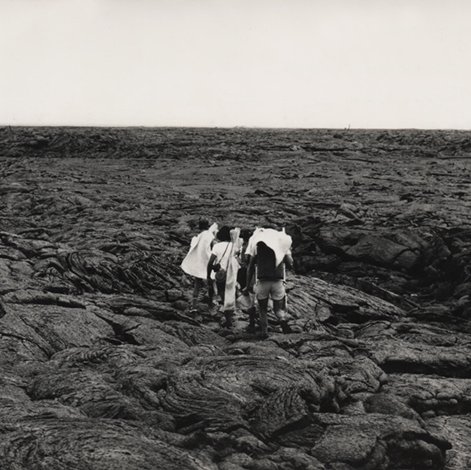
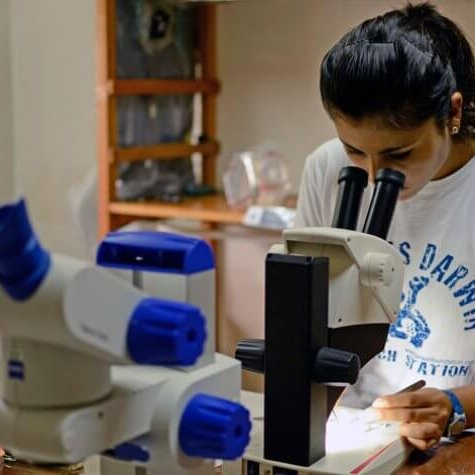

Travel to the Galapagos Islands and help protect these iconic places. Discover the Charles Darwin Foundation's essential travel tips for responsible tourism.
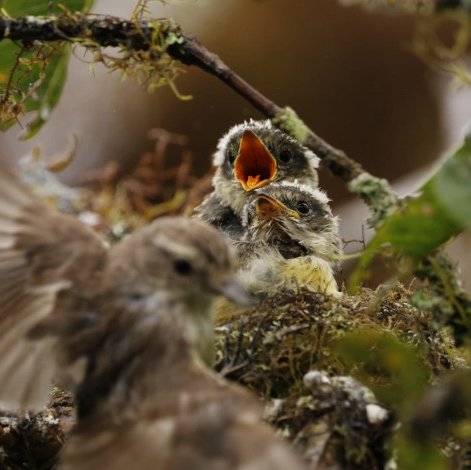
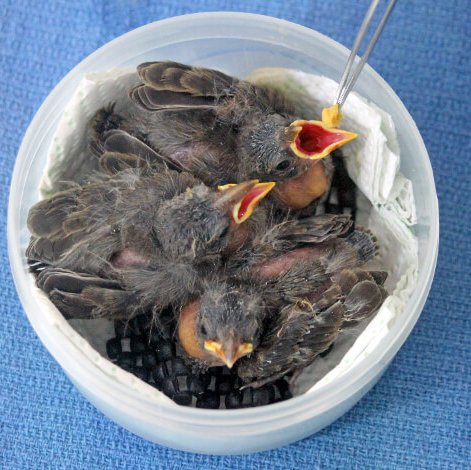
12 Little Vermilion Flycatcher chicks fledge the nest, in most successful nesting season yet in Santa Cruz Island