
Results
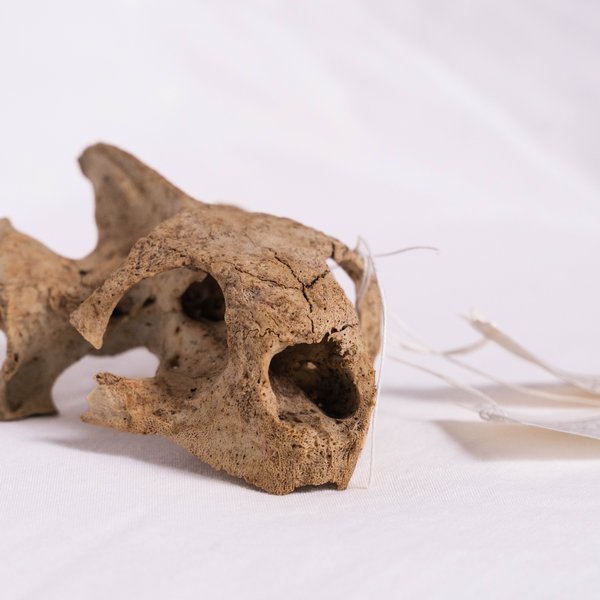
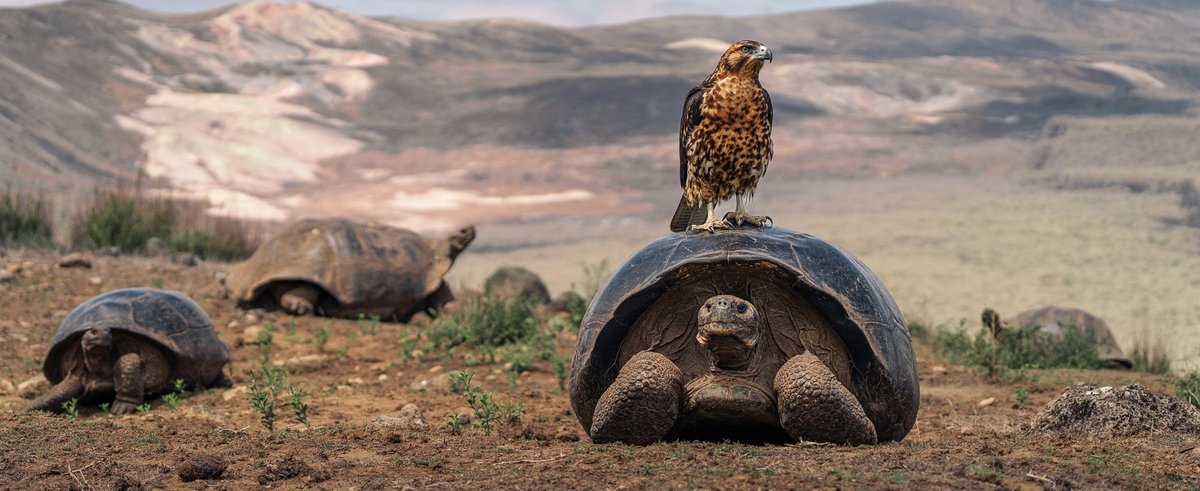
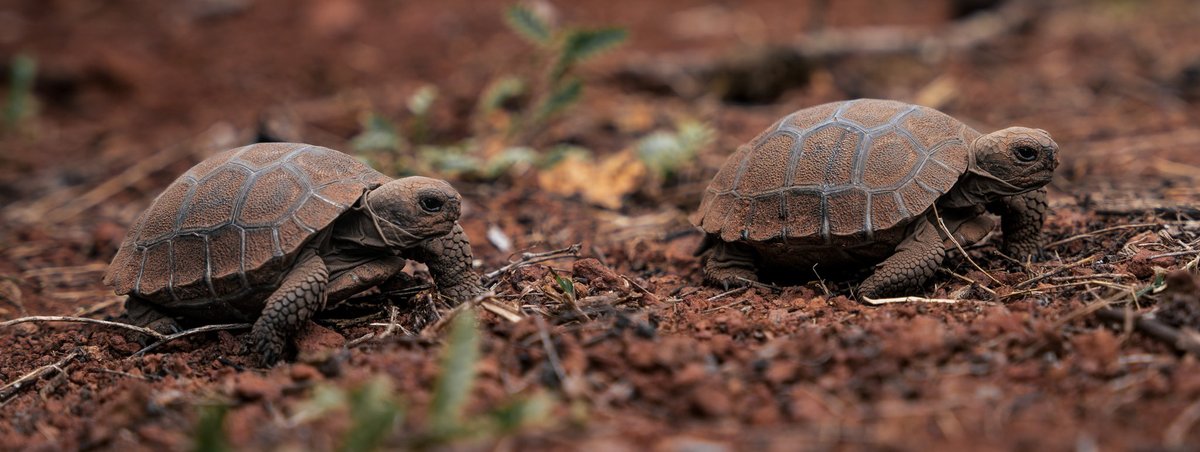
Giant tortoises are emblems of Galapagos. They are critical ecosystem engineers and they are also important for the local economy. Yet all 12 species of Galapagos Giant Tortoises are of conservation concern. Our work focuses on conserving these gentle giants through research and education.
From shy “Shark-Strangers” to a united “Shark-Family,” the Charles Darwin Foundation Leaders Club is transforming young lives in Galápagos. Through leadership workshops, mentoring, adventures on Isabela Island, and unforgettable bonds, these youth are learning to believe in themselves and to protect their home. Discover their inspiring journey here.
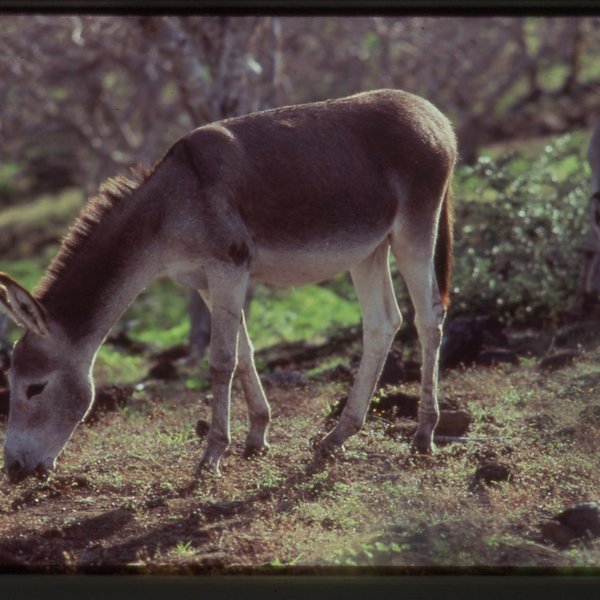
October 3, 2023, marks the beginning of the implementation phase of the Floreana Ecological Restoration Project, the largest and most ambitious restoration initiative currently underway in the Galapagos Islands.
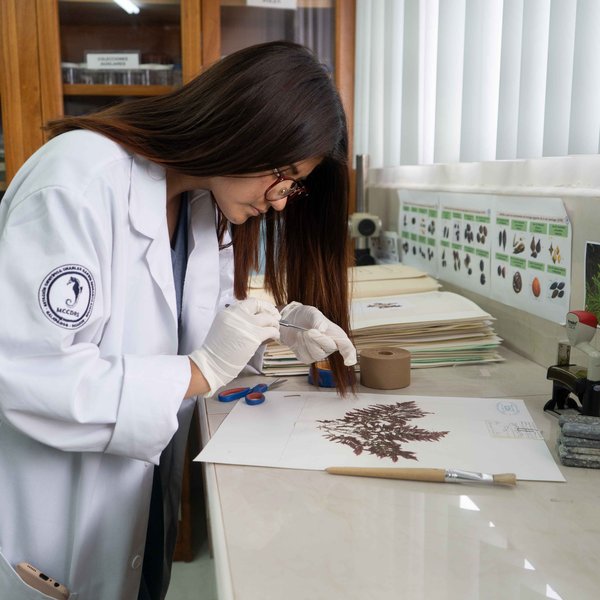
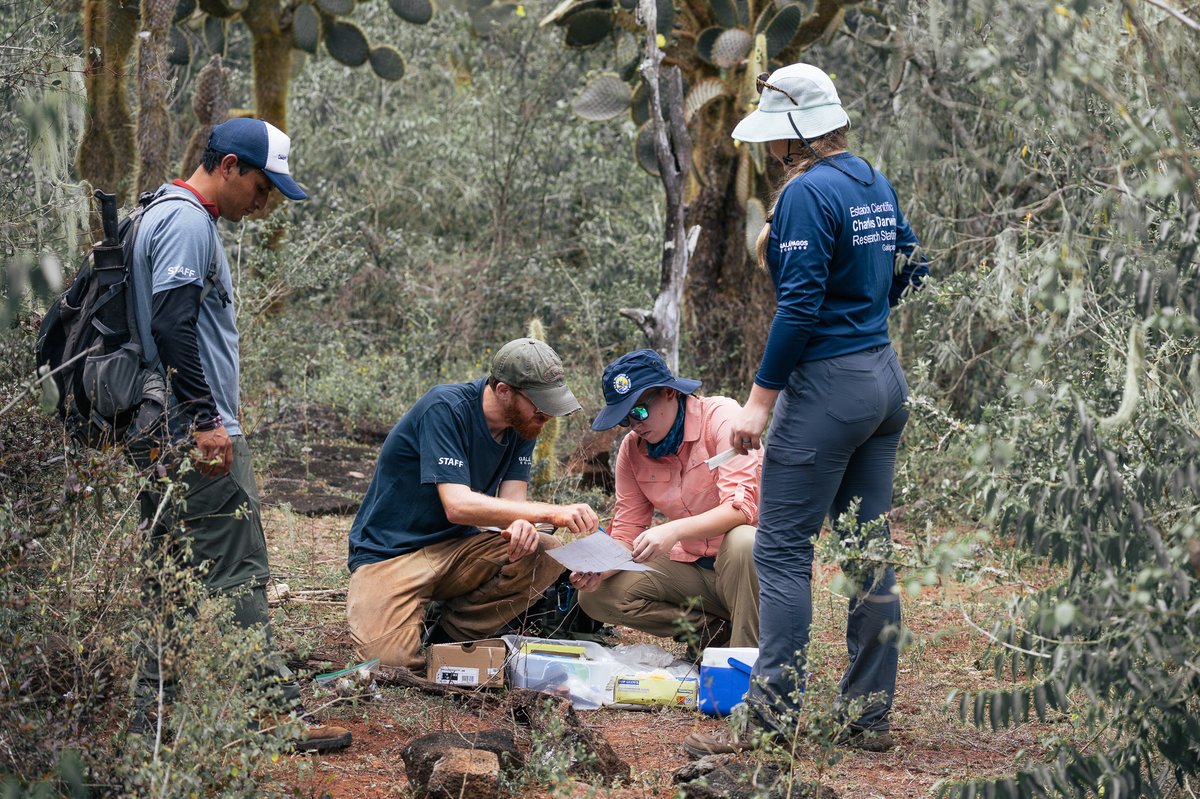
Ecological restoration requires a clear understanding of existing biodiversity. In 2022, the Charles Darwin Foundation (CDF) and the Galápagos National Park Directorate conducted the first baseline study of invertebrate communities on Floreana Island. Over 15,000 specimens were collected from both agricultural areas and National Park land.
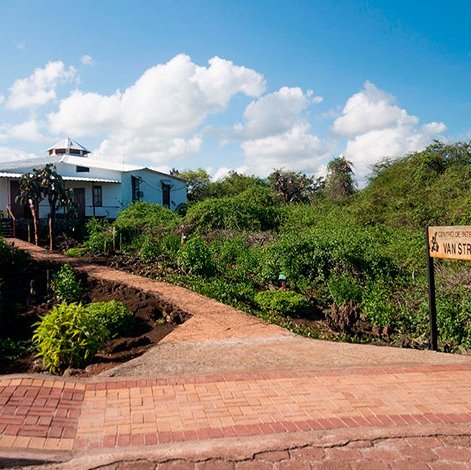
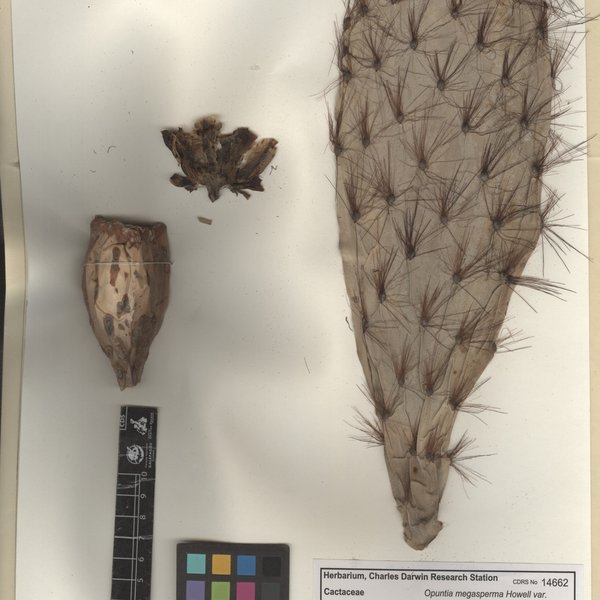
The dataZone is a collection of applications, accesible online or inside the Charles Darwin Research Station, providing access to all the scientific information stored in several databases, product of almost 60 years of research in the Galapagos Islands.
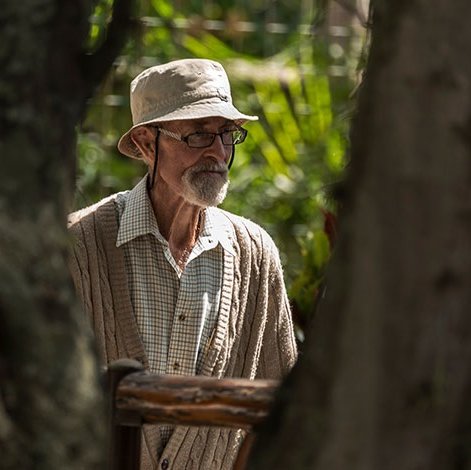
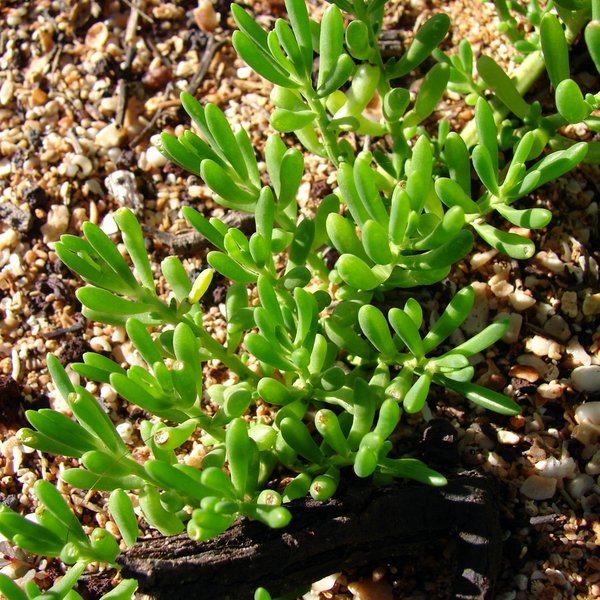
While a mere 3% of the Galapagos Islands are home to people, our presence in this small fraction of the archipelago has put the native vegetation at risk. Our restoration program in urban and rural areas engages the local community in conservation and restoration efforts to secure the long-term health of these unique ecosystems.
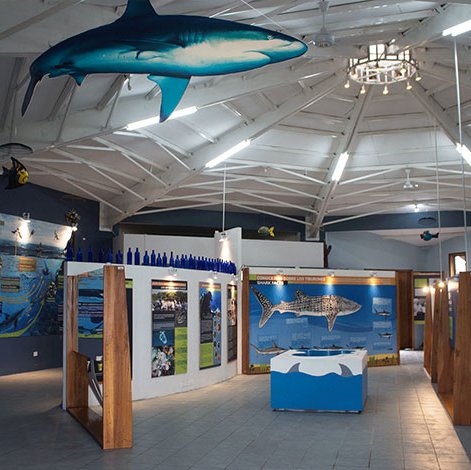
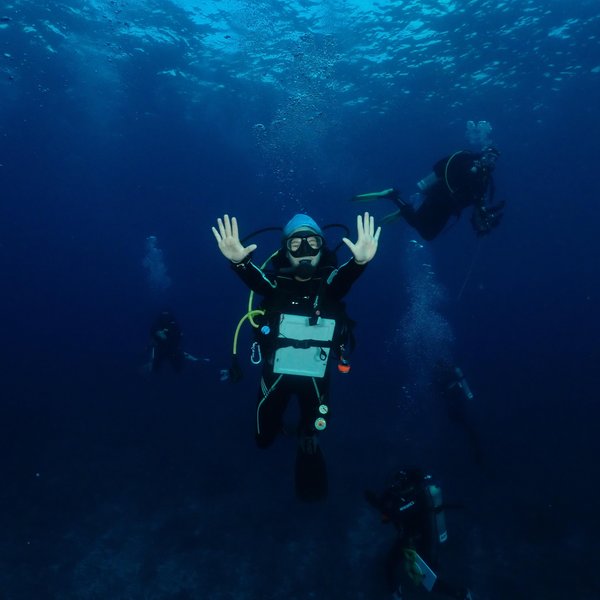
Sharks have thrived on our planet for over 400 million years. Yet overfishing has drastically reduced global shark populations, with many shark species now threatened with extinction. Our scientific work seeks to inform conservation measures, so sharks are better protected in Galapagos and the Eastern Tropical Pacific.