Results

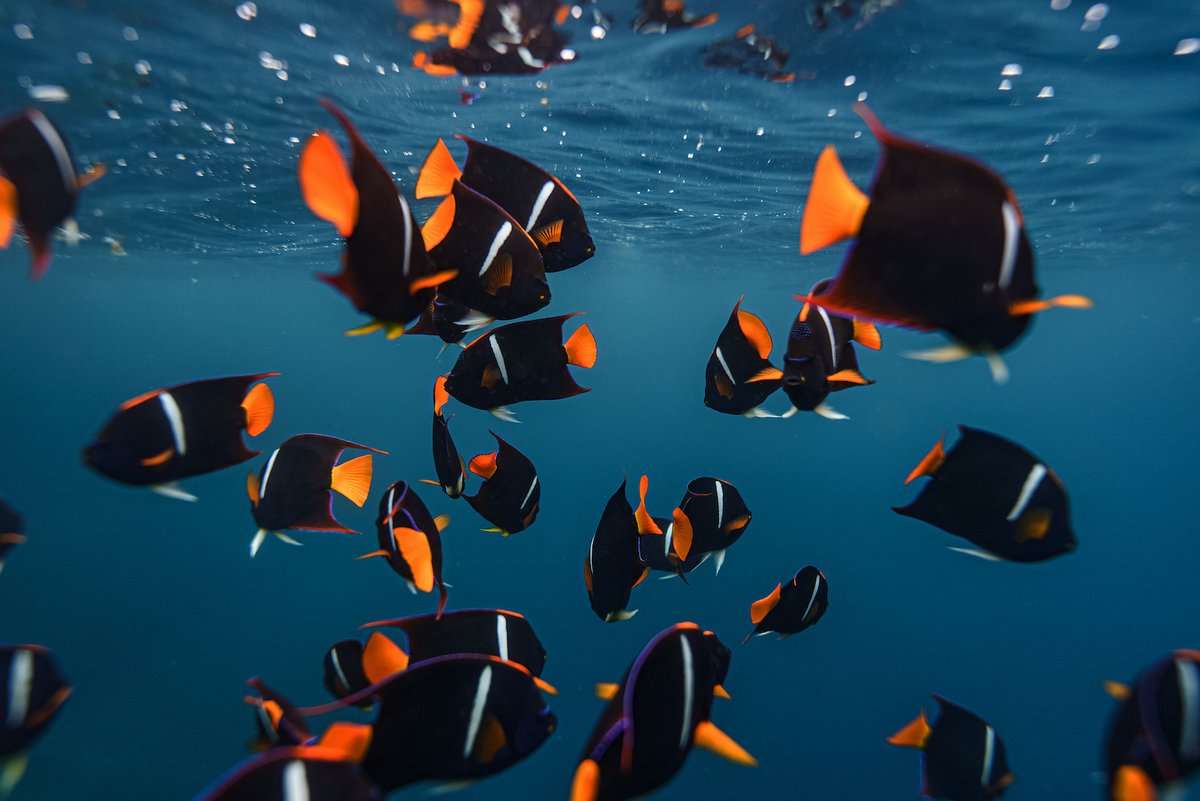
A new regional alliance is opening a window into the deep ocean of the Eastern Tropical Pacific, one of the least explored parts of our planet. By joining scientific expertise, conservation action, and international collaboration, this initiative aims to generate the knowledge needed to better protect vast marine ecosystems and inform ocean stewardship.
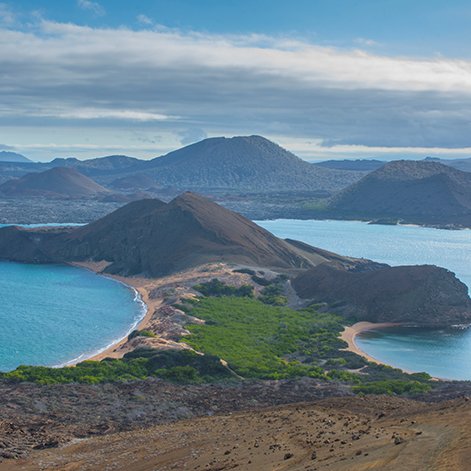
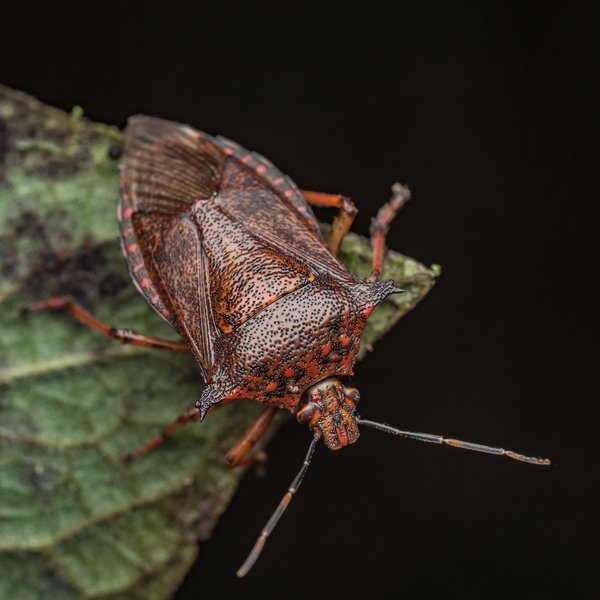
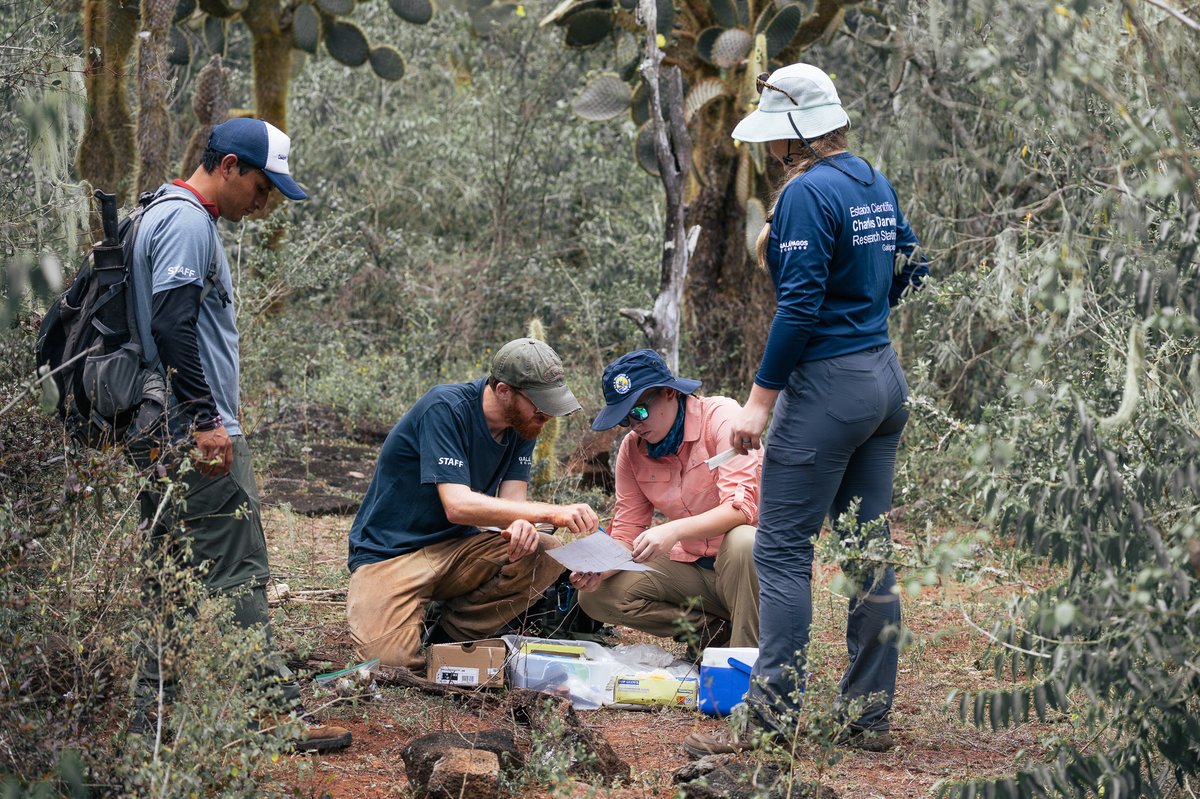
Ecological restoration requires a clear understanding of existing biodiversity. In 2022, the Charles Darwin Foundation (CDF) and the Galápagos National Park Directorate conducted the first baseline study of invertebrate communities on Floreana Island. Over 15,000 specimens were collected from both agricultural areas and National Park land.
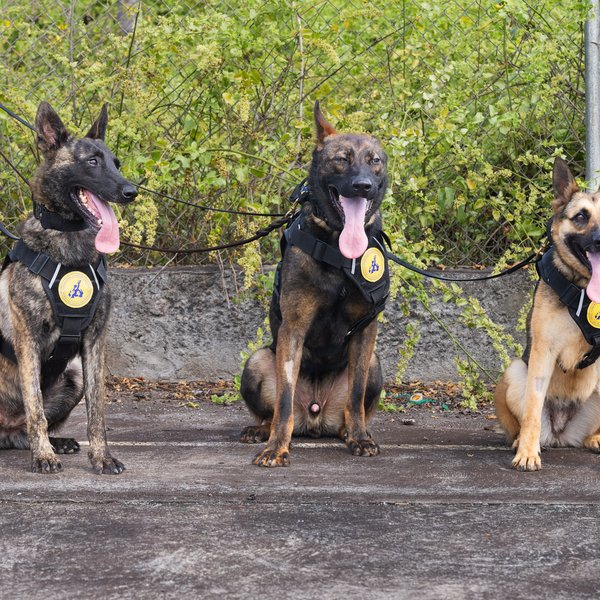
Wolf, Kup, and Pinta are three detection dogs donated by the Charles Darwin Foundation to Ecuador’s National Police to strengthen efforts against illegal trafficking of protected species in Galápagos. Trained to detect biological material, these dogs represent an innovative conservation and control tool for safeguarding the archipelago’s biodiversity.
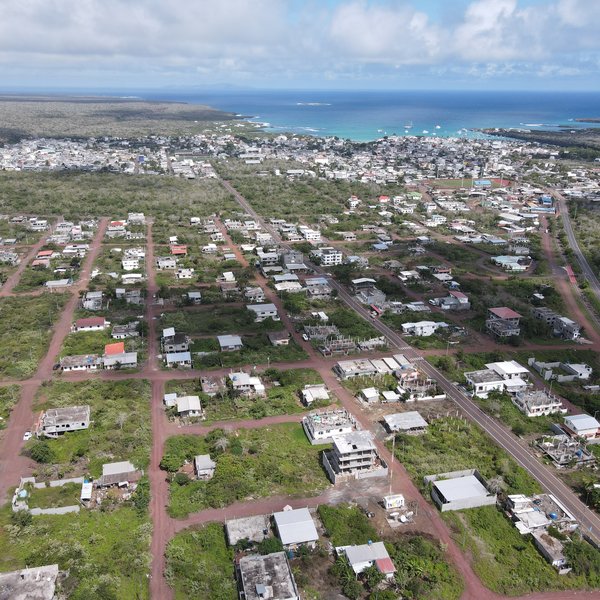
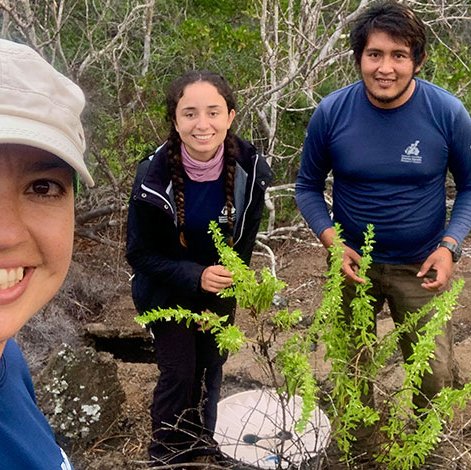
While a mere 3% of the Galapagos Islands are home to people, our presence in this small fraction of the archipelago has put the native vegetation at risk. Our restoration program in urban and rural areas engages the local community in conservation and restoration efforts to secure the long-term health of these unique ecosystems.
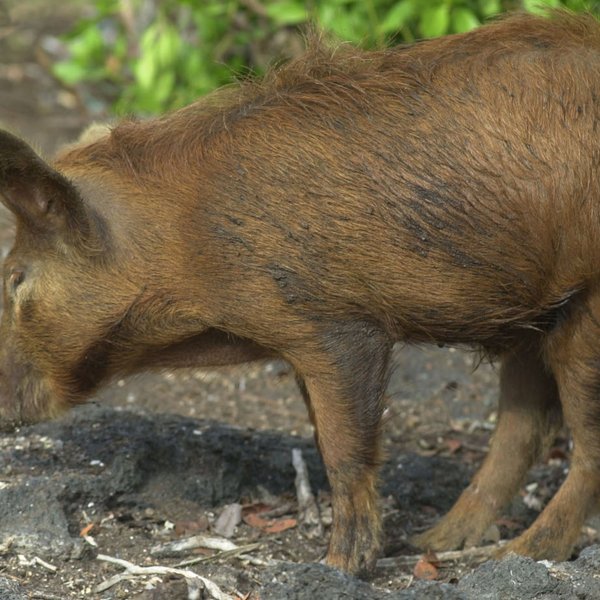

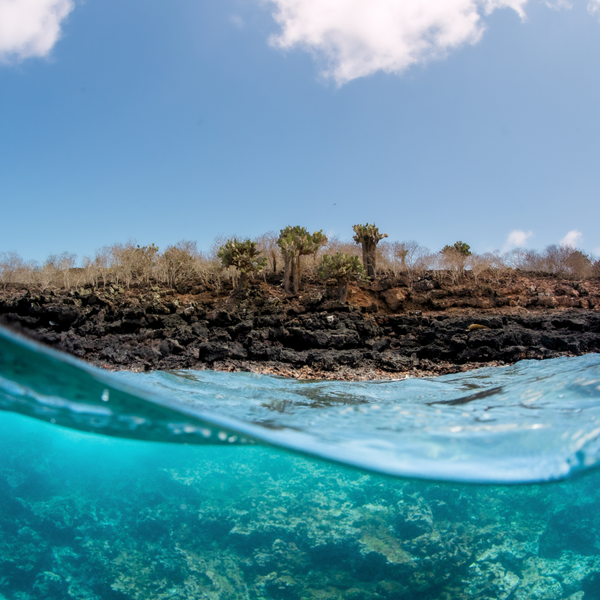
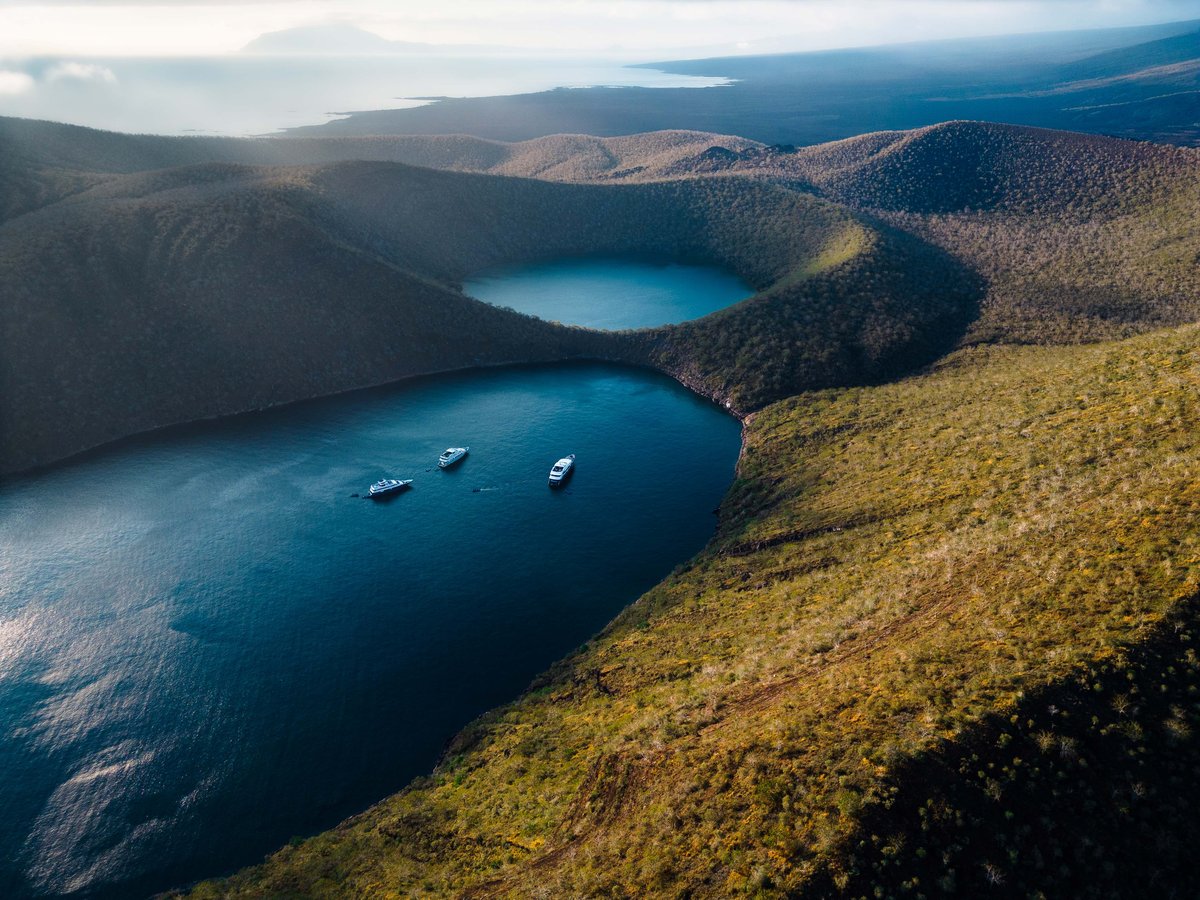
Explore the Galapagos Islands' volcanic beginnings, unique biodiversity, and the global conservation efforts led by the Charles Darwin Foundation to protect them.