Home

Results

Maria Igual
Using Nature to Bring Back Nature

The Galápagos Islands face a growing threat from invasive species that endanger native biodiversity. Classical biological control, using natural enemies to regulate these species, offers a sustainable and safe way to restore ecological balance and protect this unique ecosystem.

Carlos Espinosa
Holistic Ecological Restoration of Floreana

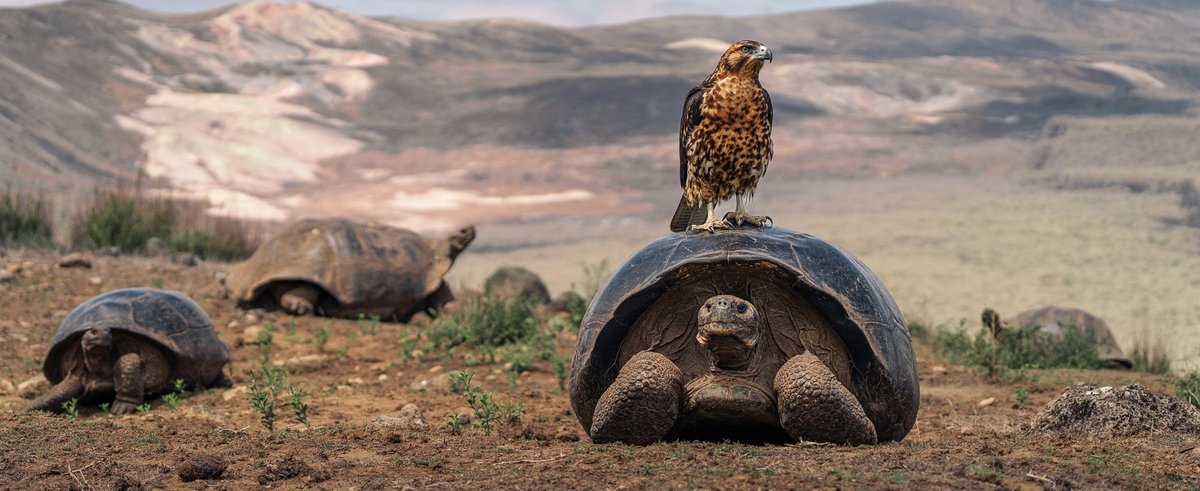
Floreana Island, heavily impacted by introduced species and biodiversity loss, now hosts one of Galápagos’ most ambitious restoration efforts. With a small community and 54 species still threatened, the Floreana Ecological Restoration Project aims to recover the island’s ecological balance through the removal of invasive species and the return of native wildlife.

Carlos Espinosa-CDF
Eden vs. Reality: The True Story of Floreana’s Ecological Drama

Floreana Island’s past is a gripping tale of utopian dreams undone by invasive species that devastated its wildlife and community. Today, its residents are leading one of the world’s most ambitious restoration efforts—reviving ecosystems, returning lost species, and reshaping their future. Discover the real drama behind Eden and Floreana’s remarkable comeback.

Billy Bensted-Smith/CDF
Regulating the international shark trade on the Silk Road

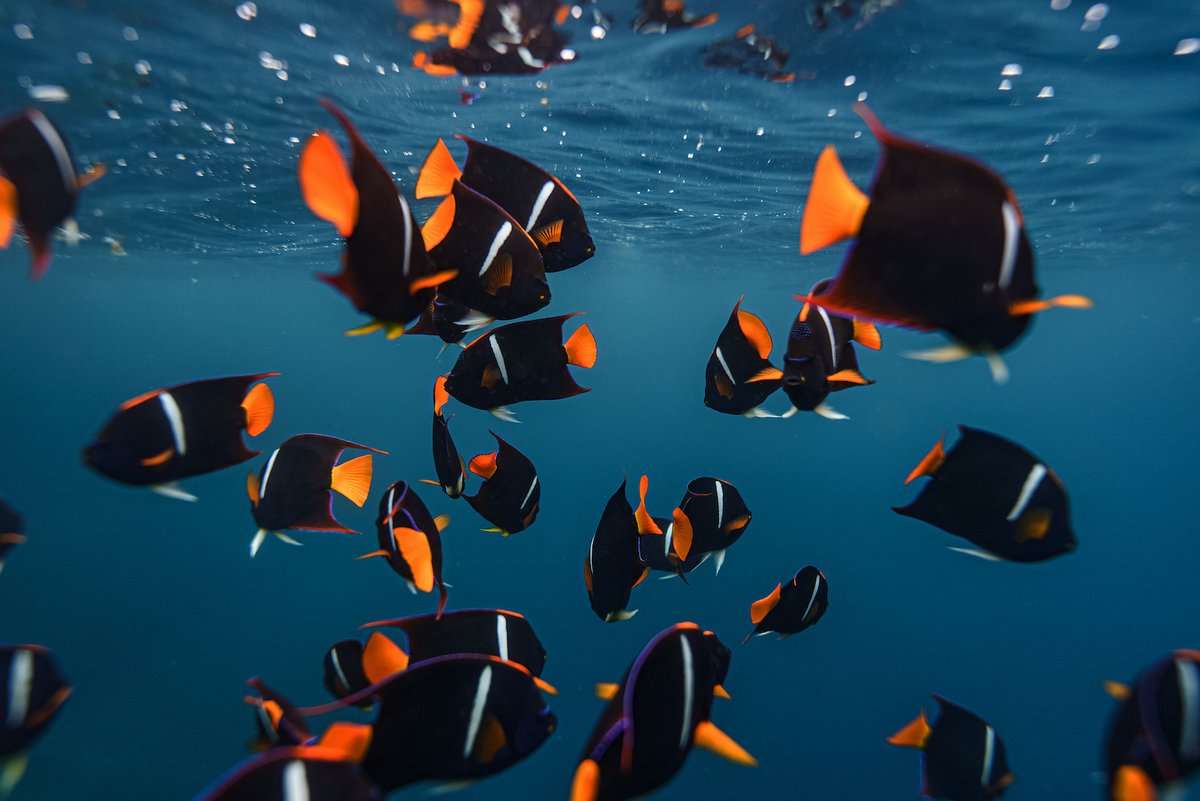
For the first time, international trade of a commercially important shark was banned, and protections expanded to 70+ shark & ray species.

Carlos Espinosa/CDF
Pelayo Salinas de León/CDF
Bridging the Science - Policy Interface: How UN Conventions such as CMS can strengthen Scalloped Hammerhead Shark Conservation.

As threats to oceans intensify, bridging science and policy is key to protecting migratory species. This piece explores how UN conventions like CMS translate research into action, spotlighting efforts to uplist the Critically Endangered scalloped hammerhead shark and strengthen international conservation through collaboration, evidence, and policy innovation.

Mara Speece CDF
A key season for Landbirds in Galápagos

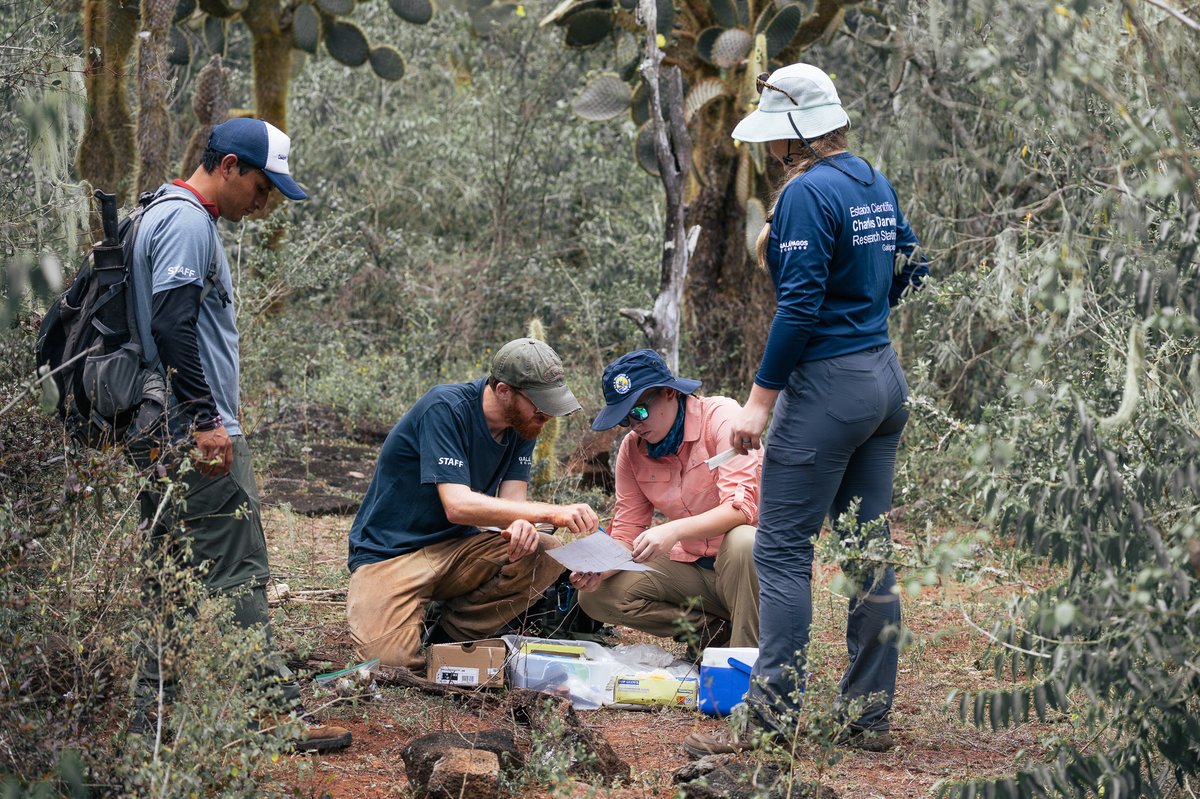
The Galápagos landbird breeding season (January–April) is critical for conservation. Monitoring and adaptive management, including innovative control of Philornis downsi, are improving nesting success. Early results show population recovery in key species, supported by habitat restoration. Ongoing data collection will determine long-term effectiveness and guide future conservation strategies.

Carlos Espinosa/CDF
Carlos Espinosa CDF
Born to Return

Galápagos green sea turtles play a vital role in maintaining healthy marine ecosystems. At Quinta Playa, scientists monitor their nesting activity to better understand the impacts of climate change. This research provides critical information to protect one of the most important green turtle nesting populations in the Eastern Pacific.

Carlos Espinosa/CDF
Carlos Espinosa/CDF
Carlos Espinosa/CDF
Andrés Cruz-CDF
CDF participates in the 12th annual meeting of the SPRFMO Commission in Manta

A scientific delegation from the Charles Darwin Foundation for the Galapagos Islands participated in the 12th annual meeting of the Commission of the South Pacific Regional Fisheries Management Organization (SPRFMO), which took place in Manta, Ecuador, between 29 January – 2 February 2024.

Carlos Espinosa/CDF
Carlos Espinosa/CDF
Carlos Espinosa/CDF