Results
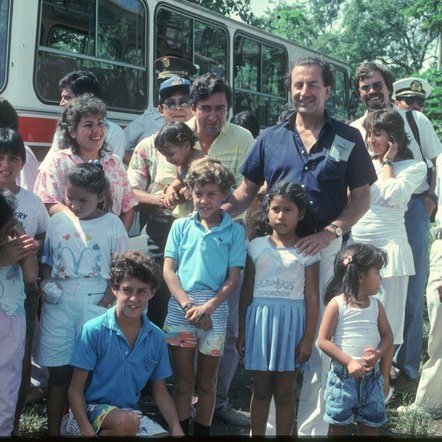
Former Ecuadorian President Rodrigo Borja played a pivotal role in strengthening the institutional foundations of conservation in Galápagos. As an Honorary Member of the CDF, he supported science-based stewardship through key agreements, governance frameworks, and lasting commitments that continue to shape conservation efforts today.
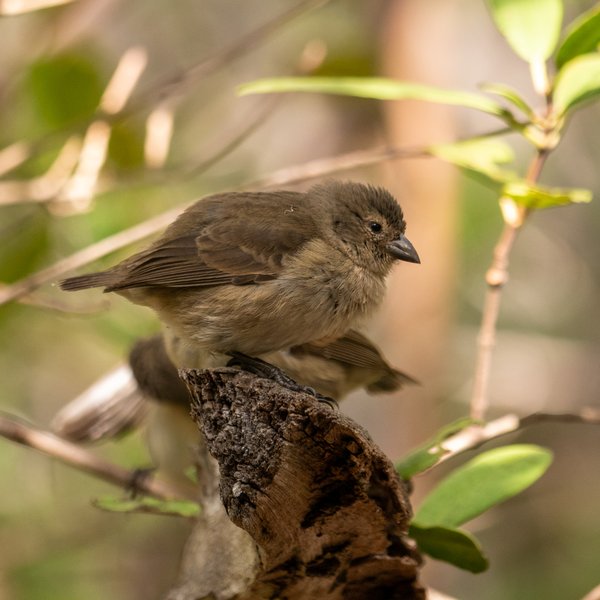
Galápagos landbirds soar to new heights.
This year’s breeding season brought record success for the Little Vermilion Flycatcher and cautious hope for the Critically Endangered Mangrove Finch. Discover how science, habitat restoration, and innovation are reshaping the future of Galápagos birds—and why this season marks a breakthrough in conservation.
This year’s breeding season brought record success for the Little Vermilion Flycatcher with 39 fledglings, while the Critically Endangered Mangrove Finch continues to be a conservation priority. Discover how science, habitat restoration, and innovation are reshaping the future of Galápagos birds—and why this season marks a breakthrough in conservation.
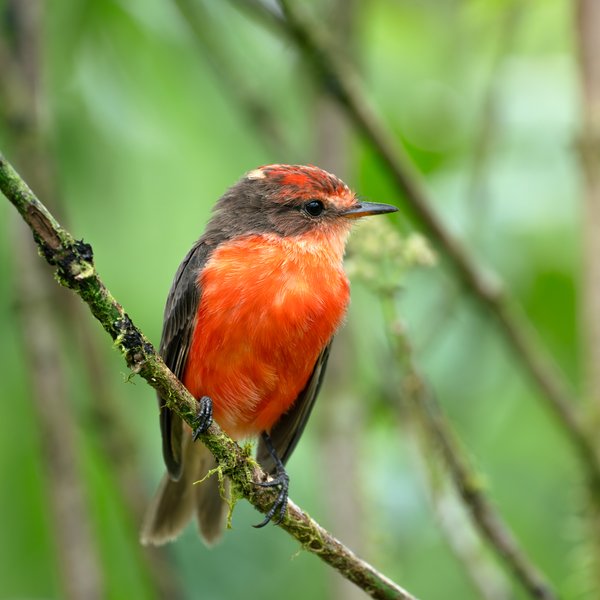
In Santa Cruz highlands, restoring Scalesia forests at Granillo Rojo supports biodiversity recovery, bringing back native plants and birds like the Little Vermilion Flycatcher through sustained, hands-on conservation efforts.
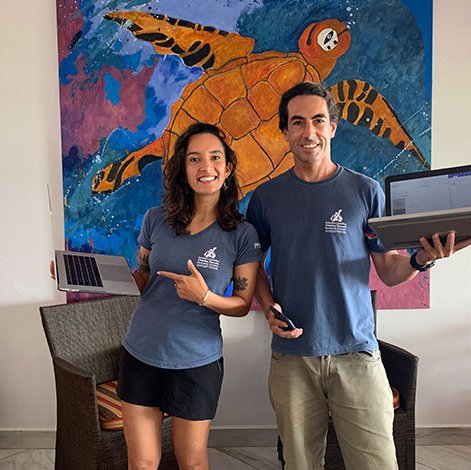
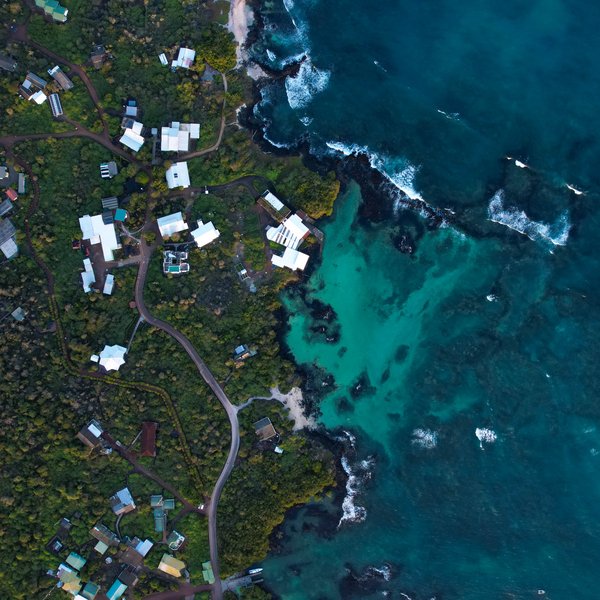
Discover the mission, vision, and impact of the Charles Darwin Foundation. Dedicated to preserving the Galapagos Islands through groundbreaking scientific research and conservation initiatives since 1964.
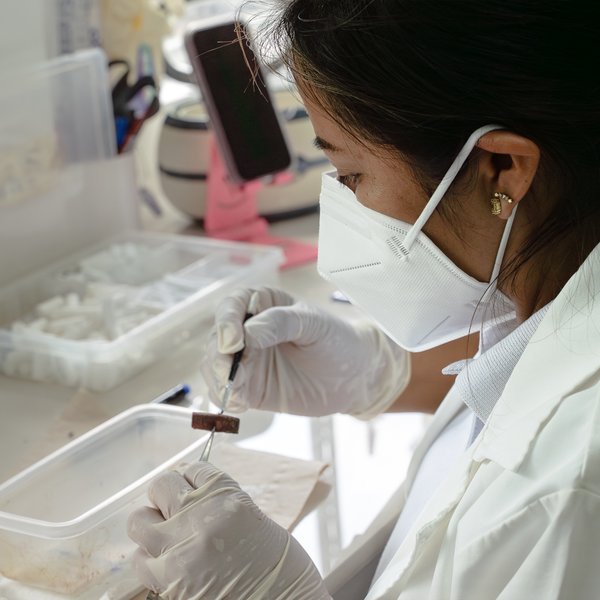
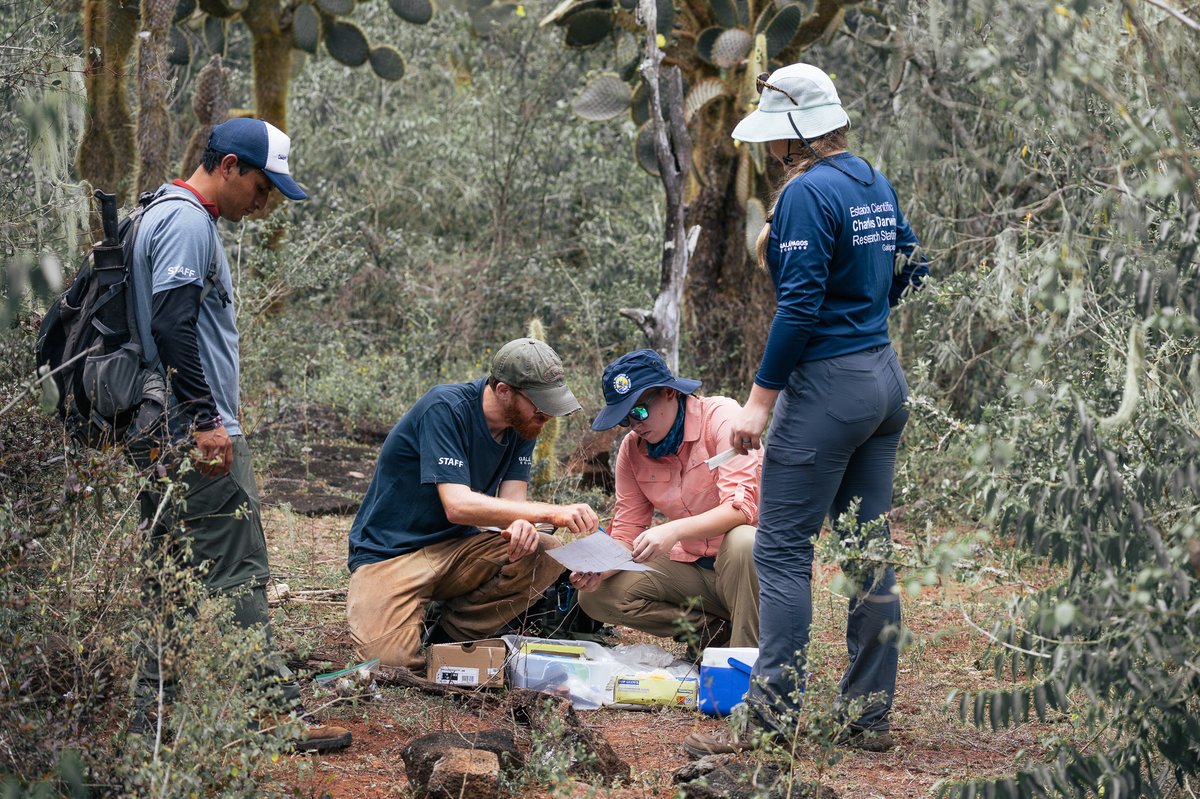
Researchers at the Charles Darwin Research Station study the invasive fly Philornis downsi to protect Galápagos birds. Through controlled rearing, data recording, and experiments on reproduction and behavior, they develop biological control methods. Despite challenges like low mating success, steady laboratory work supports conservation efforts and the survival of endemic species.