Results
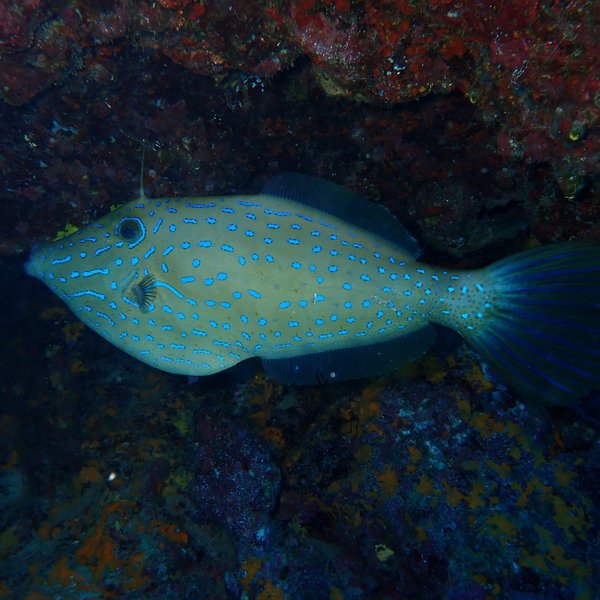
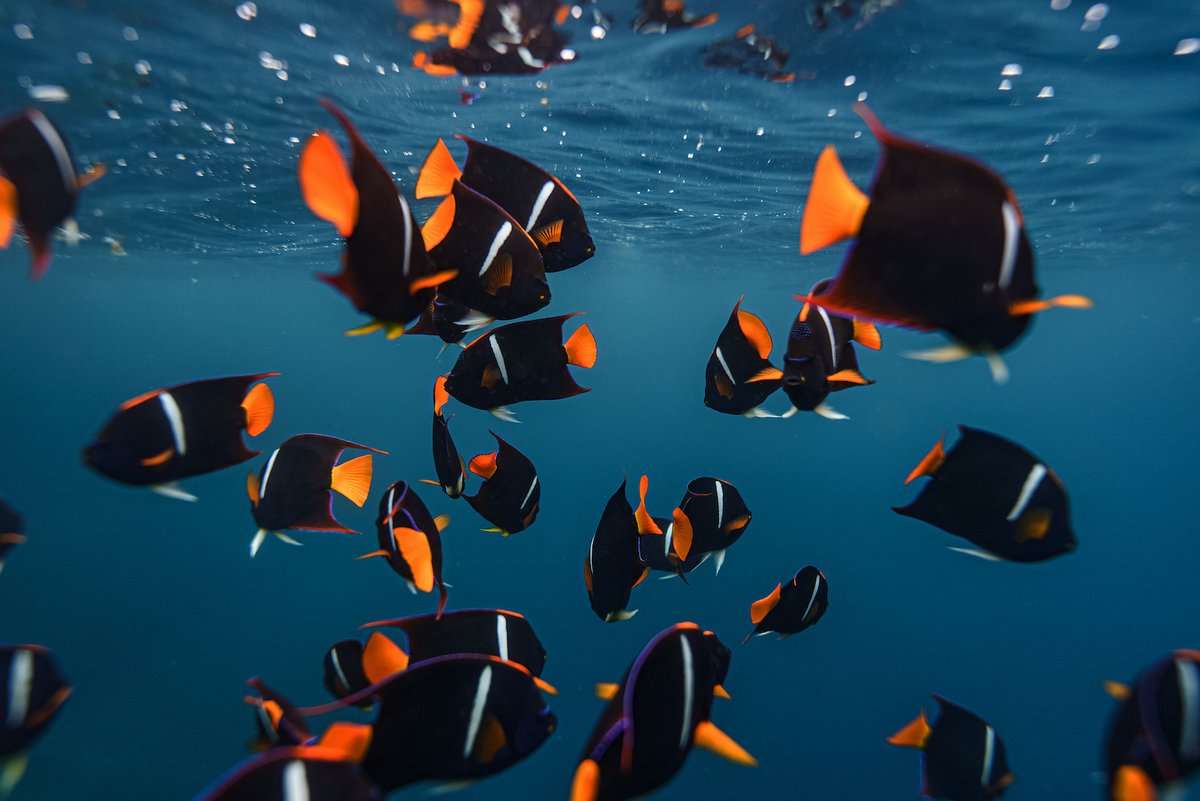
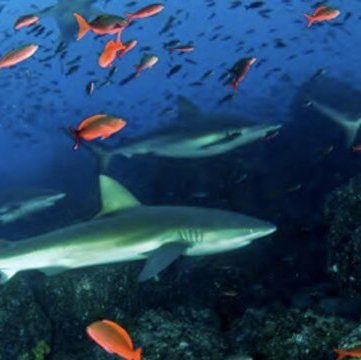
Imagine being able to peek into the past and witness how the underwater world of Galapagos has changed over time. Now you can, thansk to more than 20 years of biodiversity data collected by Charles Darwin Foundation scientists made available online.
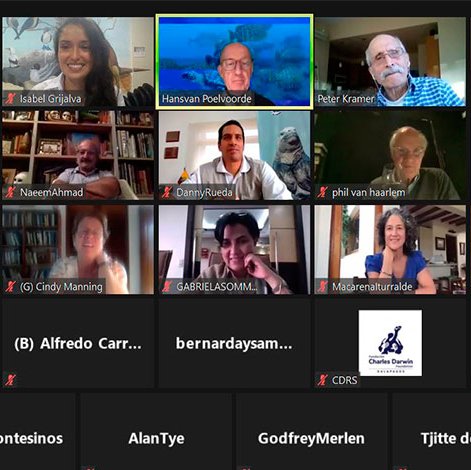
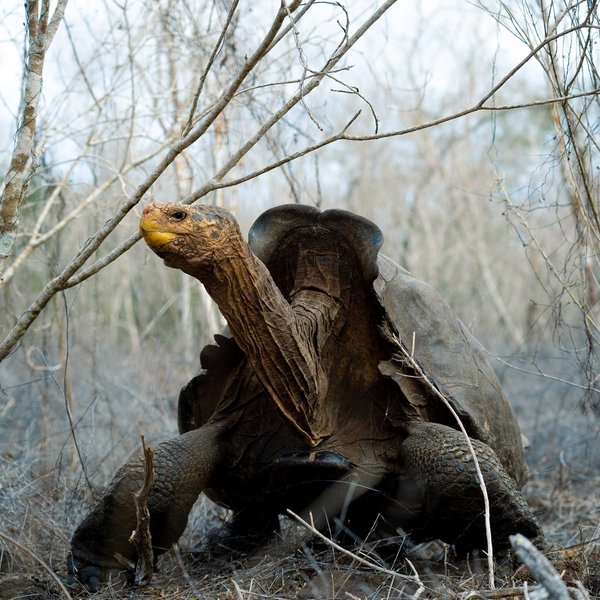
Join the Pristine Galapagos Society and become part of the history books of the Galapagos Islands
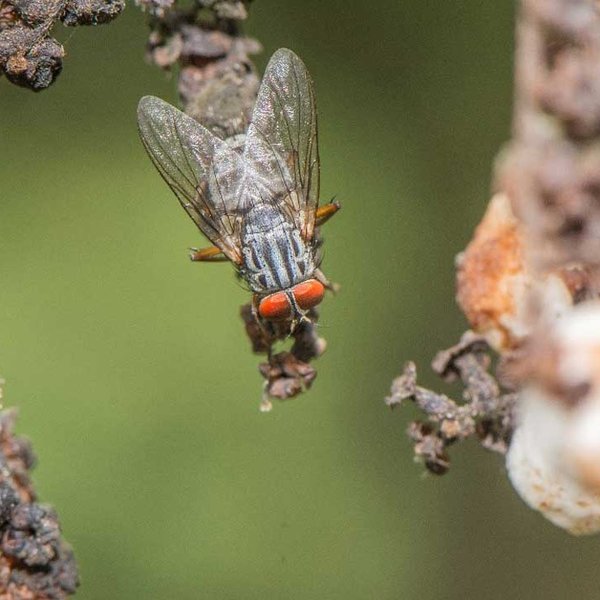
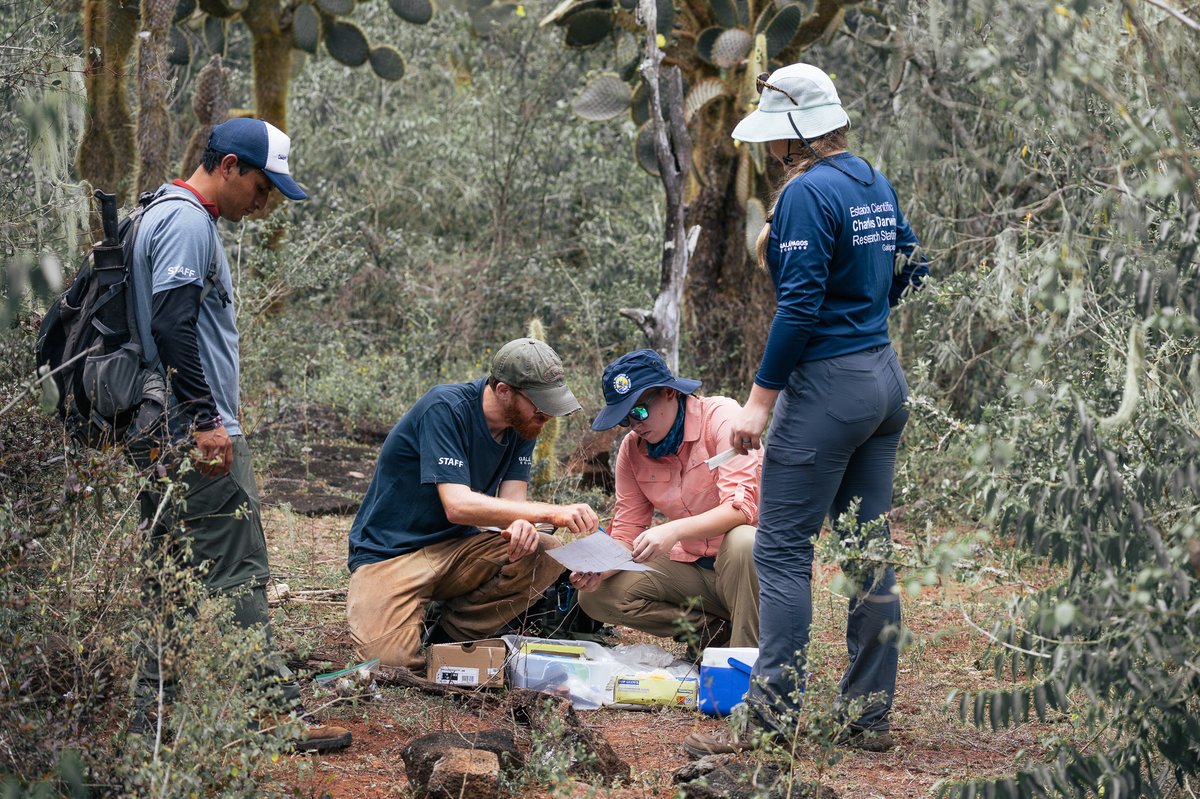
Scientists in Galápagos are tracing the origin of the invasive avian vampire fly to find a safe, long-term solution. This story follows a decade-long scientific journey into biological control—where patience, precaution, and nature itself may offer new hope for endemic birds on the brink.
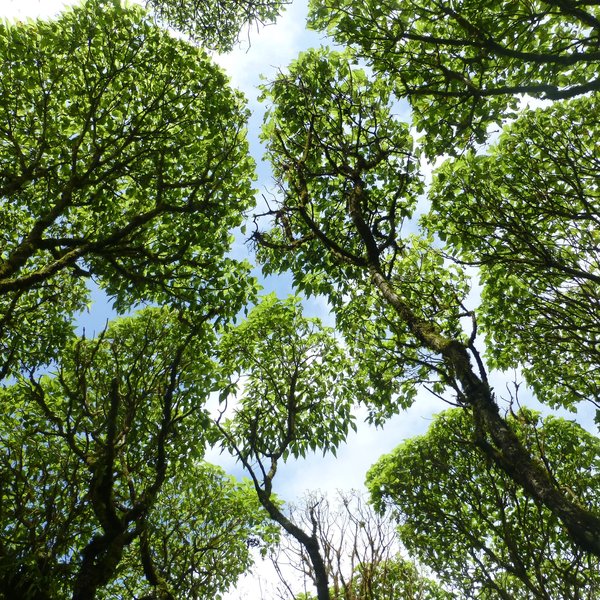
Scalesia forests once thrived on the Galapagos Islands, forming a unique humid ecosystem for plants, insects, giant tortoises and birds. Today, only 1% of the forests’ original distribution remains, with several endemic species, including the Scalesia themselves, struggling to survive. We are working to restore this important habitat and given the rapid rate of forest loss, it is a race against time.
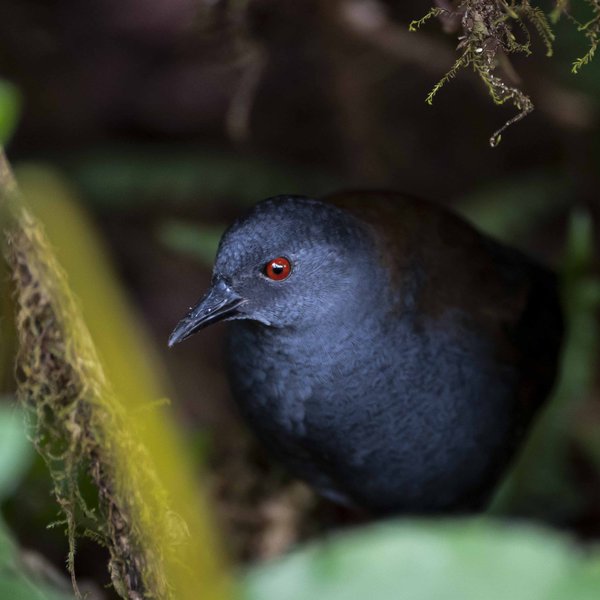
The Galapagos Rail (Laterallus spilonota) has been confirmed on Floreana Island for the first time in 190 years. This follows a 2023 eradication campaign that removed most invasive cats and rats, likely aiding its survival. Researchers will conduct genetic testing to determine if the species recolonized or persisted undetected.

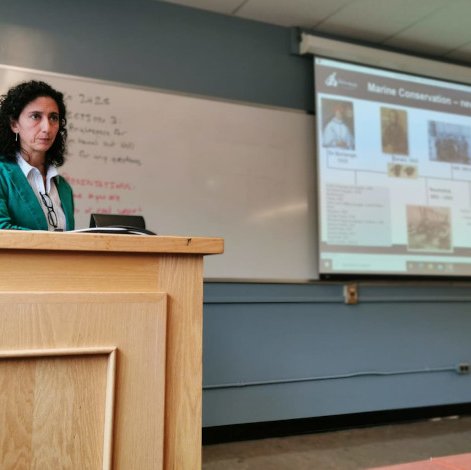
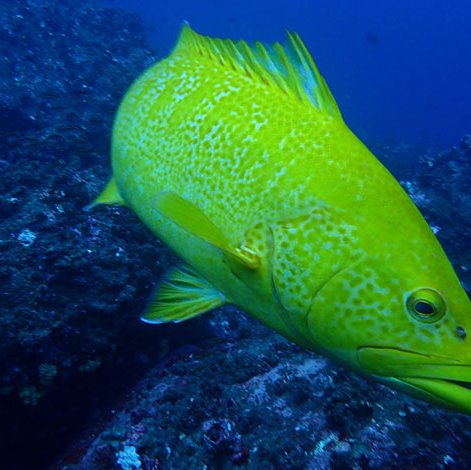
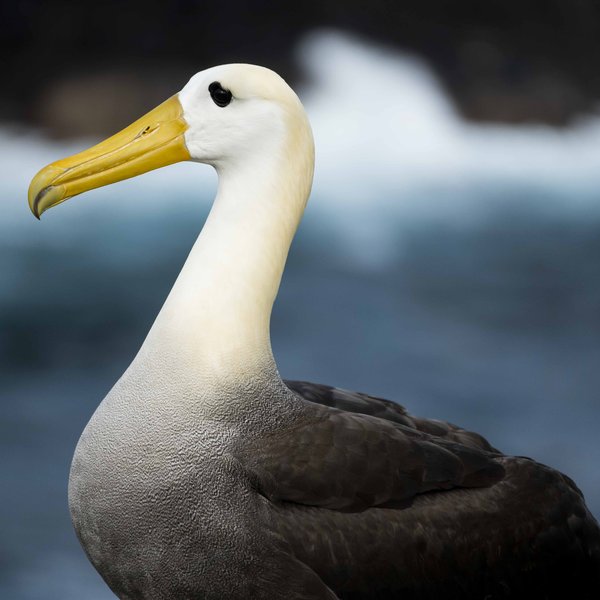
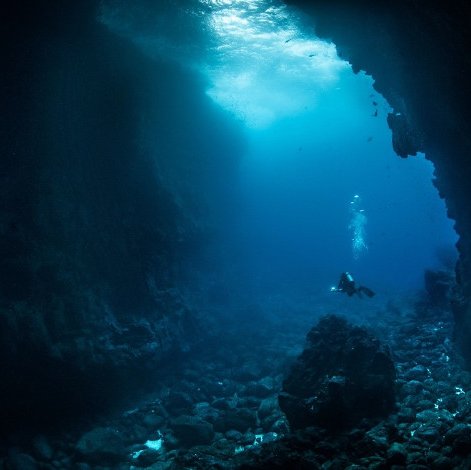
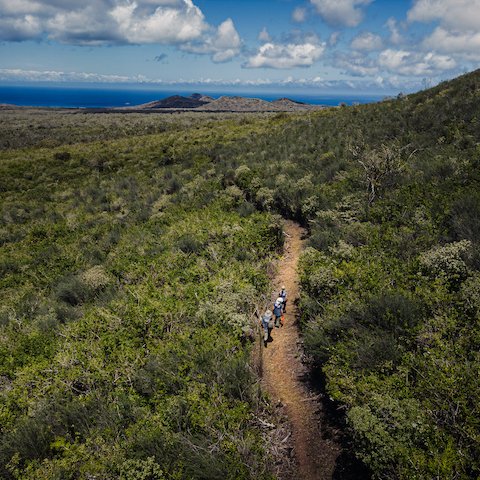
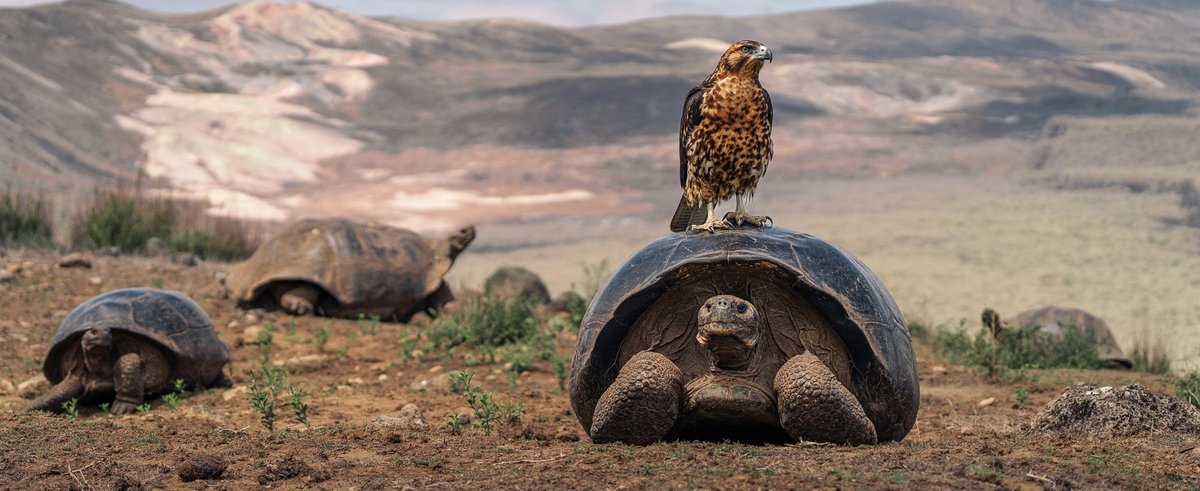
The Floreana Ecological Restoration Project in the Galapagos aims to recover biodiversity by removing invasive species, restoring habitats, and reintroducing native wildlife. Led by a multi-institutional team, including CDF, the initiative combines scientific research and community involvement to ensure long-term ecological recovery and sustainability for both wildlife and the local community.
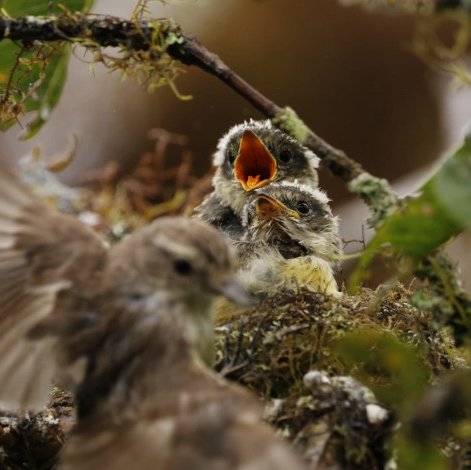
12 Little Vermilion Flycatcher chicks fledge the nest, in most successful nesting season yet in Santa Cruz Island